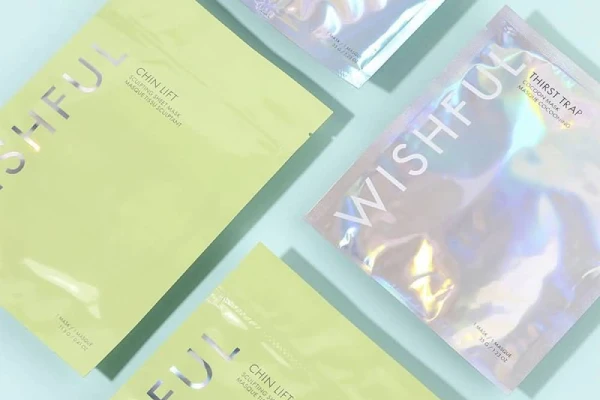
You see the most exciting changes in health and beauty packaging today. Brands now use eco-friendly materials and minimalist designs. Many offer refillable and reusable options. Customization lets you express your style. Personal Care Packaging, with its custom face mask packaging bags, helps brands meet these new demands and create standout products.
Sustainable Materials
Mono-Material Packaging
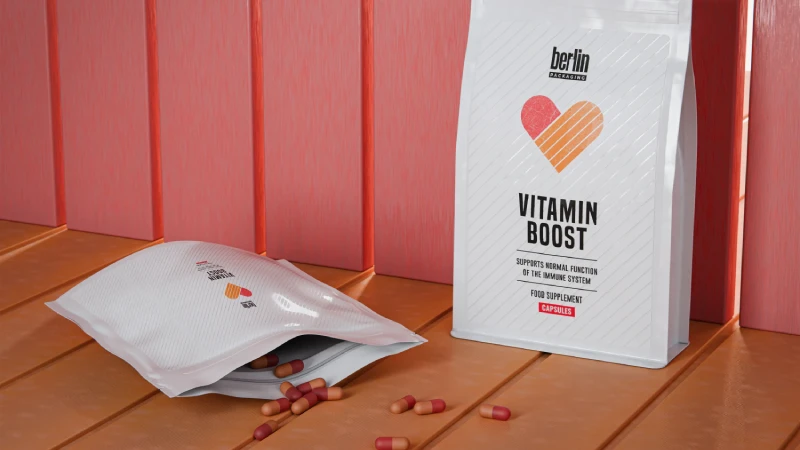
You see more brands choosing mono-material packaging for health and beauty packaging. This design uses only one type of material, making recycling easier and reducing environmental impact. Many brands now focus on sustainability goals and want to cut plastic waste. Consumers also ask for packaging that supports recycling and responsible choices.
Mono-material packaging offers several environmental benefits:
Benefit | Description |
|---|---|
Simplified Recycling | Recycling facilities can easily sort and process single-material packages. |
Increased Recycling Efficiency | Without the need for material separation, recycling becomes faster and less energy-intensive. |
Reduced Energy Consumption | Both production and recycling of mono-material packaging consume less energy. |
Circular Economy Promotion | Easier recycling encourages reuse, closing the loop on resource consumption. |
Enhanced Sustainability | By minimizing landfill waste and resource depletion, mono-material packaging supports responsible packaging. |
Recycled and PCR Content
You notice a growing trend in health and beauty packaging that uses recycled and post-consumer recycled (PCR) content. In 2021, 16% of cosmetics packaging used PCR content, up from 11.7% in 2020. The industry aims to reach 32% PCR content by 2025. This shift shows a strong commitment to sustainability and meets consumer demand for eco-friendly products.
Biodegradable Options
You can choose packaging made from biodegradable materials that break down naturally. Compostable packaging transforms into nutrient-rich compost, improving soil health and acting as fertilizer. Biodegradable packaging reduces landfill waste and pollution. It decomposes into non-toxic elements, so it does not leave harmful residues or microplastics.
Common biodegradable materials include:
Bamboo: Renewable, biodegradable, and compostable.
Seaweed: Fully biodegradable, needs no freshwater or land to grow.
Beeswax: Natural and biodegradable.
Cornstarch: Plant-based, biodegradable, and compostable.
You also see brands using glass, aluminum, and paper-based solutions to support sustainability in health and beauty packaging.
Refillable Systems
Refillable systems have become a major trend in health and beauty packaging. You help reduce single-use waste when you choose products with refillable options. Many brands now offer containers you can use again and again. This shift supports a circular economy and helps protect the environment. You also see that refillable packaging can cut up to 70% of the beauty industry’s carbon emissions. For example, Myro’s refillable deodorants have reduced plastic use by 50%.
Refillable Packaging Impact | Result |
|---|---|
Carbon Emissions | Up to 70% reduction |
Plastic Usage | 50% less with refillable deodorants |
Reusable Containers
You find reusable containers made from durable materials like glass and aluminum. These containers last longer and keep your products safe. Many brands now offer refill pouches or pods you can use at home. Personal Care Packaging’s reusable sealed mask bags give you a practical and eco-friendly way to store face masks. You can use these bags many times, which helps lower waste and supports your commitment to sustainability.
Refill Stations
You may notice more stores setting up refill stations for products like shampoo and lotion. These stations let you bring your own container and refill it as needed. Some brands even offer subscription models, sending refills directly to your home. This approach makes it easy for you to stay stocked while reducing packaging waste.
Heirloom Packaging
Heirloom packaging focuses on containers you want to keep and reuse for years. These designs look beautiful and feel special. You build a connection with the brand and feel good about making a sustainable choice. Brands that offer refillable options often see more loyal customers who value eco-friendly solutions.
Health and Beauty Packaging Design

Minimalist Styles
You see more brands choosing minimalist styles for health and beauty packaging. Simple designs with clean lines and limited colors help products stand out on crowded shelves. Minimalist packaging often uses fewer words and clear labels, making it easy for you to find what you need.
Minimalist packaging connects with you in several ways:
It creates a sense of purity and quality.
It appeals to those who want top-quality products for their health and beauty needs.
It reduces stress when you shop, since you can quickly see the benefits.
It builds trust and loyalty by linking the brand to luxury and honesty.
It speeds up your shopping process.
You often feel more confident buying products that look clean and simple.
Retro Aesthetics
Retro designs bring a sense of nostalgia to health and beauty packaging. You might notice bold fonts, vintage patterns, or classic color schemes. These styles remind you of trusted brands from the past. Retro packaging can make products feel familiar and reliable. Many brands use retro looks to attract both new and returning customers. Customization options let you choose designs that match your brand’s story, even with low minimum order quantities.
Brand Storytelling
You connect with brands that tell a story through their packaging. Glossier’s sleek boxes show how packaging can share a brand’s identity and values. When you see custom packaging with personal touches, you feel valued as a customer.
Packaging has evolved into a powerful storytelling tool that shapes brand identity, engages consumers, and reinforces core values.
You remember brands that make you feel special. Custom packaging creates memorable experiences and inspires loyalty. In today’s market, you buy stories, not just products.
Smart and Inclusive Packaging
Neuro-Inclusive Features
You see brands designing packaging that supports neurodiversity. Many companies add tactile features like braille and raised symbols. These elements help you identify products by touch. Textured surfaces make it easier for you to hold and open packages. You feel empowered when you can shop independently. Braille on product names and instructions lets you access important information without help. Embossing and debossing help you tell different products apart. These features foster inclusivity and make you feel welcome in the beauty community.
Tactile features like braille and raised symbols help you identify products.
Textured surfaces improve grip and make packaging easier to open.
Embossing and debossing let you distinguish between brands and product types.
Universal Design
You benefit from packaging that everyone can use. Universal design means brands create packages that work for people of all abilities. You see clear labels, easy-to-open seals, and simple instructions. These features help you use products without frustration. Textual enhancements give you essential information even if you cannot see the packaging. Brands that use universal design show they care about every customer.
Digital Engagement
You interact with packaging in new ways. Brands use digital tools to connect with you and share their stories. You scan QR codes to learn about ingredients or watch tutorials. AI-powered personalization gives you product recommendations that match your needs. Augmented reality lets you explore products in a virtual space. You join online communities and share your experiences. These strategies build trust and make you feel part of the brand.
Strategy | Description |
|---|---|
AI-Powered Personalization | Hyper-individualized stories and product recommendations enhance customer connection. |
Mixed Reality Experiences | AR/VR-driven immersive brand worlds create deeper engagement and interaction with products. |
Community-Driven Story Ecosystems | User-generated content becomes central to brand narratives, fostering a sense of belonging. |
Deepened Sustainability Narratives | Enhanced transparency and education on environmental impact via storytelling builds trust. |
Smart and inclusive packaging helps you feel valued and included. Brands that use these features show they care about your experience and satisfaction.
Eco-Friendly Luxury
Premium Sustainable Materials
You see luxury brands leading the way with eco-friendly packaging. They use high-end materials that protect both your products and the planet. Many brands now choose recycled glass, FSC-certified paper, and biodegradable options for their packaging. These materials look elegant and feel premium in your hands.
The most popular sustainable materials in luxury packaging include:
FSC-certified paper and cardboard from responsibly managed forests
Recycled glass and aluminum, which are non-reactive and fully recyclable
Biodegradable packaging, such as PLA and cornstarch foam
Post-consumer recycled plastics for caps and bottles
The luxury packaging market, including eco-friendly options, is growing fast. Experts expect it to grow at a 5% CAGR from 2025 to 2033. This growth shows that you and other consumers want both luxury and sustainability.
Natural Wood and Paper-Based Packaging
You notice more brands using natural wood and paper-based packaging. These materials reduce environmental impact compared to traditional luxury packaging. Wood comes from renewable sources when managed responsibly. Paper-based packaging breaks down easily after use, leaving less waste behind.
Natural wood and paper-based packaging:
Significantly lower environmental impact than plastics
Use renewable resources
Offer biodegradability after disposal
Brands often select recycled paper with a premium finish to give you a luxurious experience while protecting the environment.
Limited Editions
You often see limited edition beauty products in eco-friendly luxury packaging. These special releases attract attention and make you feel part of something exclusive. Many consumers now prefer sustainable packaging and show a willingness to pay more for it. You also look closely at brand claims to avoid greenwashing.
Key Consumer Trends | Description |
|---|---|
Preference for Sustainability | You choose eco-friendly packaging as you learn more about environmental issues. |
Willingness to Pay Premium | You are ready to spend more on products with sustainable packaging. |
Scrutiny of Brand Claims | You check if brands truly deliver on their sustainability promises. |
Luxury brands now balance elegance with responsibility, giving you beautiful products that match your values.
Functional Innovations
UV Protection
You want your skincare and beauty products to stay fresh and effective. UV protection in packaging helps block harmful light that can damage sensitive ingredients. Many brands now use special coatings or materials that shield products from UV rays. This innovation keeps your creams, serums, and face masks potent for longer. Personal Care Packaging offers UV finishing face mask bags that protect your products and keep them safe from sunlight. Fast shipping ensures you receive these protective bags quickly, so you can meet market demand without delay.
UV protection in packaging helps maintain product quality and extends shelf life, giving you peace of mind.
Airless Bottles
You may notice more brands using airless bottles for lotions and serums. These bottles prevent air from entering, which keeps your products safe from germs and oxidation. Airless bottles work well for natural and sensitive formulas. They help your products last longer and stay effective. You also get precise dosing with each pump, so you use just the right amount and avoid waste. This design reduces the need for preservatives, making your skincare routine safer and more eco-friendly.
Benefits of airless bottles:
Preserve product freshness
Reduce waste with accurate dosing
Limit the need for preservatives
E-Commerce Ready
You often shop for beauty products online. Brands now design packaging that looks great on camera and protects products during shipping. Unboxing videos have become popular, showing the excitement of opening a new product. Packaging must create a strong first impression and reflect the brand’s story. As more people buy beauty products online, brands focus on packaging that stands out and keeps items safe until they reach your door. This shift helps you feel connected to your favorite brands, even when you shop from home.
You see that innovative packaging shapes brand success and consumer satisfaction. According to the NIQ BASES report, brands that innovate in packaging are 2.9 times more likely to grow sales.
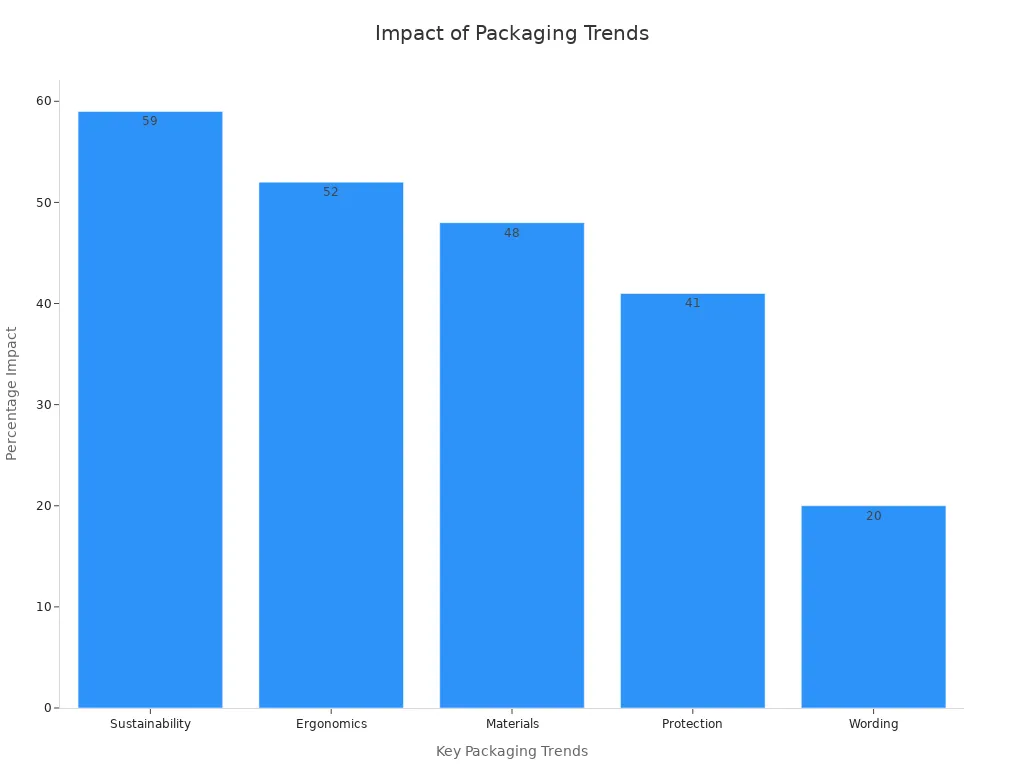
Sustainability, customization, and functional design now drive your choices. When you choose brands that use new materials, refillable systems, and inclusive designs, you enjoy better experiences and help create a more responsible future.
Benefit Type | Description |
|---|---|
Environmental | Waste reduction, lower carbon footprint, circular economy |
Economic | Cost savings, brand loyalty, premium positioning |
Consumer Experience | Customization, convenience, luxury, value alignment |
Brands stand out by offering:
Eco-friendly packaging
Personalization
Smart, ergonomic designs