
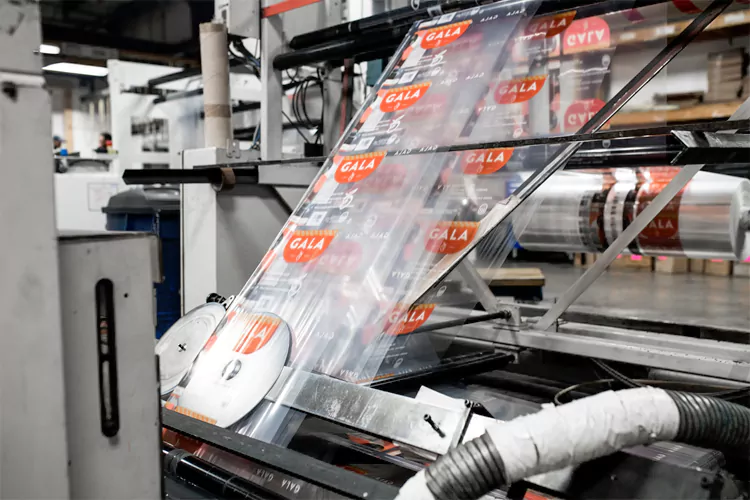
You want a greener future, and heat seal packaging helps you achieve it. This solution uses less material, cuts down on waste, and improves recyclability. You also save energy and keep products fresher for longer, which means less spoilage. Compared to bulky or rigid packaging, this option stands out for sustainability. BN PACK leads the way with eco-friendly innovations that support your goals.
Key Takeaways
Heat seal packaging uses less material, reducing waste and supporting a greener future.
This packaging keeps food fresh longer, preventing spoilage and saving money.
Many heat seal options are recyclable or compostable, making them eco-friendly choices.
Choosing lighter heat seal packaging lowers shipping costs and energy use.
BN PACK offers innovative solutions that meet strict environmental standards.
What Is Heat Seal Packaging?
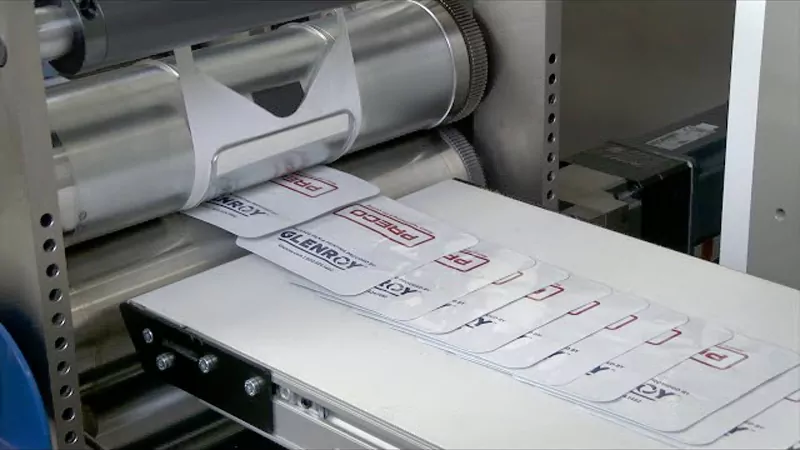
Heat seal packaging gives you a reliable way to protect products while supporting sustainability goals. You use heat to bond layers of packaging materials, creating a secure and airtight seal. This process keeps food fresh, prevents leaks, and reduces spoilage. You see heat seal packaging everywhere—from snack bags to medical supplies—because it works for many industries.
How It Works
You create a seal by applying heat to a special layer inside the packaging. The heat melts this layer, joining two surfaces together. This method forms a strong, airtight closure.
You get a secure bond that keeps out air and moisture.
You avoid extra adhesives or bulky closures.
You use less material, which helps reduce waste.
Other sealing methods, like cold sealing, use pressure instead of heat. Cold sealing works well for heat-sensitive items, but heat seal packaging is best when you need airtight protection. Modern heat sealers use digital controls and automation to improve efficiency. You benefit from faster production, lower energy use, and consistent seal quality.
Materials and Sustainability
You can choose from several packaging materials for heat seal packaging. Each material offers unique benefits for sustainability.
Here’s a quick look:
Material Type | Properties | Sustainability Contribution |
|---|---|---|
Versatile, durable, cost-effective | Biodegradable and recyclable options are now available | |
Renewable, biodegradable | Popular for eco-friendly packaging solutions | |
Superior barrier properties | Improved recycling supports sustainability |
You see more brands switching to recyclable and compostable packaging materials. Regulations in Europe and Asia encourage companies to use mono-material solutions, like polyethylene-based laminates, to improve recyclability. BN PACK leads this shift by offering packaging that meets strict environmental standards. You benefit from advanced technology, like automation and digital controls, which help reduce waste and energy use. BN PACK’s commitment to innovation means you get packaging that performs and supports your sustainability goals.
Environmental Benefits
Less Material Waste
You want packaging that uses fewer resources and creates less waste. Heat seal packaging helps you achieve this goal. The lightweight design means you use less plastic and paper compared to rigid containers. You also see a lower shipping impact because lighter packages require less fuel for transport.
You reduce the amount of packaging material needed for each product.
You cut down on landfill waste by choosing options that use biodegradable or recyclable materials.
BN PACK supports your sustainability goals by offering flexible packaging solutions that minimize material use. You can select stand-up pouches, flat-bottom pouches, or film rolls that fit your product without excess. This approach gives you clear environmental advantages and helps you meet global standards for waste reduction.
Improved Recyclability
You want packaging that fits into modern recycling systems. Recent innovations make heat seal packaging more recyclable than ever. Many companies now use mono-materials, which means the packaging contains only one type of material. This change makes recycling easier and more efficient.
Here’s a look at some new developments:
Innovation | Description | Benefits |
|---|---|---|
Billerud’s ConFlex HeatSeal | A recyclable, heat-sealable paper alternative to plastic packaging. | Fossil-free, low-carbon, strong sealing performance, fully recyclable in existing systems. |
UPM Specialty Papers and Unipaco’s Wrapper | Recyclable, heat-sealable wrapper for salad and herb pots. | Meets mono-material requirements, enhances recyclability by using single-component materials. |
BN PACK offers packaging made from recyclable and compostable materials. You can choose options that meet strict environmental standards. This gives you clear advantages in meeting regulations and supporting a circular economy.
Lower Energy Use
You care about energy consumption when choosing packaging. Heat seal packaging uses less energy during production compared to rigid packaging. Oriented PE films help reduce energy use, making the process more efficient. You also benefit from automation and digital controls, which lower energy costs and improve consistency.
You save energy by using lightweight materials.
You avoid the high energy demands of producing rigid containers.
You support environmental advantages by choosing packaging that requires less fuel for shipping.
BN PACK invests in advanced technology to help you lower your carbon footprint. You get packaging that meets your needs while supporting global sustainability goals.
Product Protection
You want packaging that keeps food fresh and safe. Heat seal packaging creates airtight seals that block moisture and oxygen. These barriers protect food from spoilage and extend shelf life. You maintain the nutritional value and sensory appeal of your products.
Evidence Type | Description |
|---|---|
Airtight Seals | Heat sealing creates airtight seals that prevent moisture and oxygen from entering, which are primary causes of spoilage. |
Nutritional Value | Maintains the nutritional value of food products, preventing nutrient loss due to oxidation. |
Sensory Appeal | Preserves the color, texture, and flavor of food, enhancing consumer satisfaction. |
You keep food safe from environmental factors.
You reduce spoilage and waste by maintaining freshness.
You deliver products that look and taste better.
BN PACK’s packaging solutions give you strong product protection and clear environmental advantages. You help reduce food waste and support a greener future.
Heat Seal Packaging vs. Traditional Packaging

Material Efficiency
You want to use packaging that saves resources and reduces waste. Heat seal packaging stands out because it uses lighter materials like plastic or polypropylene. Rigid packaging, such as glass or tin, is much heavier for the same product volume. This difference means you can ship more products with less fuel and lower costs.
Tip: Lighter packaging helps you cut down on transportation emissions and expenses.
Let’s compare material usage and cost efficiency:
Feature | Heat Seal Packaging | Cold Seal Packaging |
|---|---|---|
Material Usage | Uses heat to melt film together, no adhesives needed | Utilizes water-based adhesives for sealing |
Protective Material | Strong package protects against harsh weather | Box-style eliminates need for void fill |
Productivity | 8-16 packages per minute with automated systems | Similar speed with easy-to-use features |
Cost Efficiency | Lighter materials may reduce shipping costs | No heating elements reduce electrical costs |
You see that heat seal packaging uses less material and offers strong protection. Automated systems boost productivity, so you get more packages in less time. Lower shipping costs help you save money and support sustainability goals.
Environmental Impact
You care about the environmental footprint of your packaging choices. Studies use Life Cycle Assessment (LCA) to compare heat seal packaging with traditional methods. LCA looks at every stage, from production to disposal. Heat seal packaging often shows lower impacts because it uses less material and energy.
Global standards help you choose packaging that meets strict environmental requirements. BN PACK’s solutions meet certifications like ISO 14001 for environmental management and EN 13432 for biodegradability. Here are some key certifications:
Certification/Standard | Description |
|---|---|
GECA recycled certification | Promotes circular economy initiatives. |
Green Seal | Ensures products meet criteria for environmental performance. |
ISO 14001 | Indicates compliance with international environmental management practices. |
ISO 16759 | Verifies biodegradability of plastics. |
ISO 18830 | Verifies compostability of plastics. |
OK Compost Home | Indicates compostability in home composting systems. |
OK Compost Industrial | Indicates compostability in industrial facilities. |
EN 13432 | Ensures eco-friendly disposal of packaging. |
BN PACK uses advanced technology to meet these global standards. You get packaging that performs well and supports your sustainability goals. Choosing heat seal packaging helps you reduce waste, lower energy use, and meet international certifications.
How to Open Heat Sealed Packaging

Easy Opening Tips
You often find heat sealed packaging on many food products. Sometimes, opening these packages can be tricky, especially if you want to keep the food fresh after opening. Many people face challenges when trying to open tightly sealed food packages. The table below shows some common issues:
Consumer Challenge | Description |
|---|---|
Difficulty opening packages | You may need tools like pliers to open some food packages, especially if the seal is strong. |
Frustration with resealable packages | Resealable food packages can require extra effort to open and close. |
Safety concerns | Tamper-proof and child-resistant food packaging can make opening harder, but they keep food safe. |
Wrap rage | You might feel frustrated or even get minor injuries when struggling with tough food packaging. |
Design oversights | Some food packaging designs focus on cost, not on making them easy to open. |
To make opening food packaging easier, look for these helpful features:
Design Feature | Description |
|---|---|
Laser Scoring | Creates a line that lets you tear open food packaging smoothly and with less effort. |
Reseal It | Lets you peel open and reseal food packaging, keeping food fresh and easy to access. |
Impress® | Adds a textured grip to food packaging, so you can hold and open it more easily. |
Tip: Use scissors or a small knife to open tough food packaging if you do not see an easy-open feature. Always cut away from your body to stay safe.
Reducing Waste
You can help the environment by minimizing waste when opening food packaging. Here are some best practices:
Recycle food packaging materials whenever possible. Check local recycling rules for plastic, paper, or aluminum.
Reuse food packaging for storage or crafts. For example, use empty food pouches to organize small items.
Choose food packaging made from biodegradable or compostable materials. These options break down faster and reduce landfill waste.
Upcycle food packaging by turning it into creative projects, like planters or organizers, supporting a circular economy.
Note: Every time you recycle or reuse food packaging, you help reduce waste and protect the planet.
By following these tips, you make opening food packaging easier and support a greener lifestyle. You also help keep food fresh and safe, reducing spoilage and waste.
You see clear environmental advantages with heat seal packaging.
Manufacturers use eco-friendly materials, including bio-based and recyclable films.
Water-based and solvent-free coatings help reduce the environmental footprint.
Aluminum heat sealing bags protect products and extend shelf life, cutting waste.
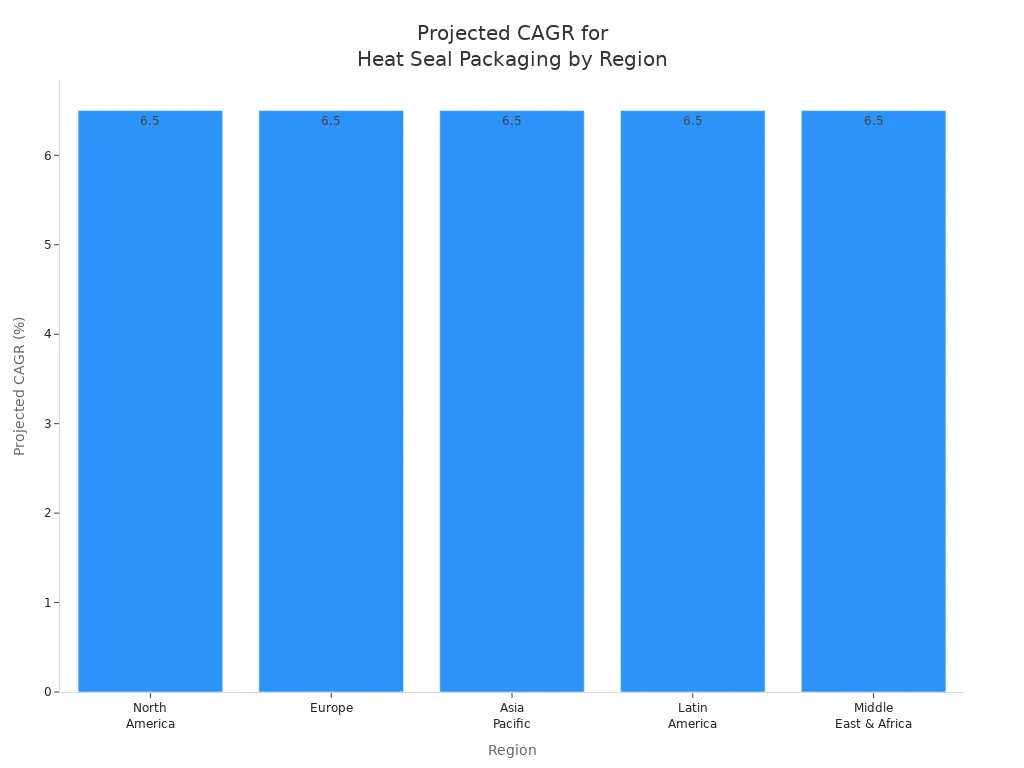
Global adoption continues to rise. The table below shows projected growth across regions:
Region | Projected CAGR | Estimated Valuation by 2032 | Key Trends Driving Adoption |
|---|---|---|---|
North America | 6.5% | USD 180 million | Stringent regulations, high R&D investment |
Europe | 6.5% | USD 180 million | Emphasis on sustainability, high quality standards |
Asia Pacific | 6.5% | USD 180 million | Rapid industrialization, increasing disposable income |
Latin America | 6.5% | USD 180 million | Growing industrial output in food processing |
Middle East & Africa | 6.5% | USD 180 million | Investment in manufacturing and food processing |
You support a greener future by choosing BN PACK’s innovative solutions. You help drive sustainability in every package.
FAQ
What makes heat seal packaging more eco-friendly than traditional packaging?
You use less material with heat seal packaging. You also get options that are recyclable or compostable. This reduces waste and supports a circular economy. BN PACK offers solutions that meet strict environmental standards.
Can you recycle heat seal packaging?
You can recycle many heat seal packages, especially those made from mono-materials. Always check local recycling guidelines. BN PACK provides recyclable and compostable options to help you meet your sustainability goals.
How does heat seal packaging help reduce food waste?
You keep food fresher for longer with airtight seals. This prevents spoilage and extends shelf life. You waste less food and save money. BN PACK’s packaging protects your products and supports a greener future.
What types of products can use heat seal packaging?
You can use heat seal packaging for snacks, coffee, pet food, electronics, and more. BN PACK customizes solutions for many industries. You get packaging that fits your product and meets your needs.
Tip: Choose packaging that matches your product’s requirements for the best results.