
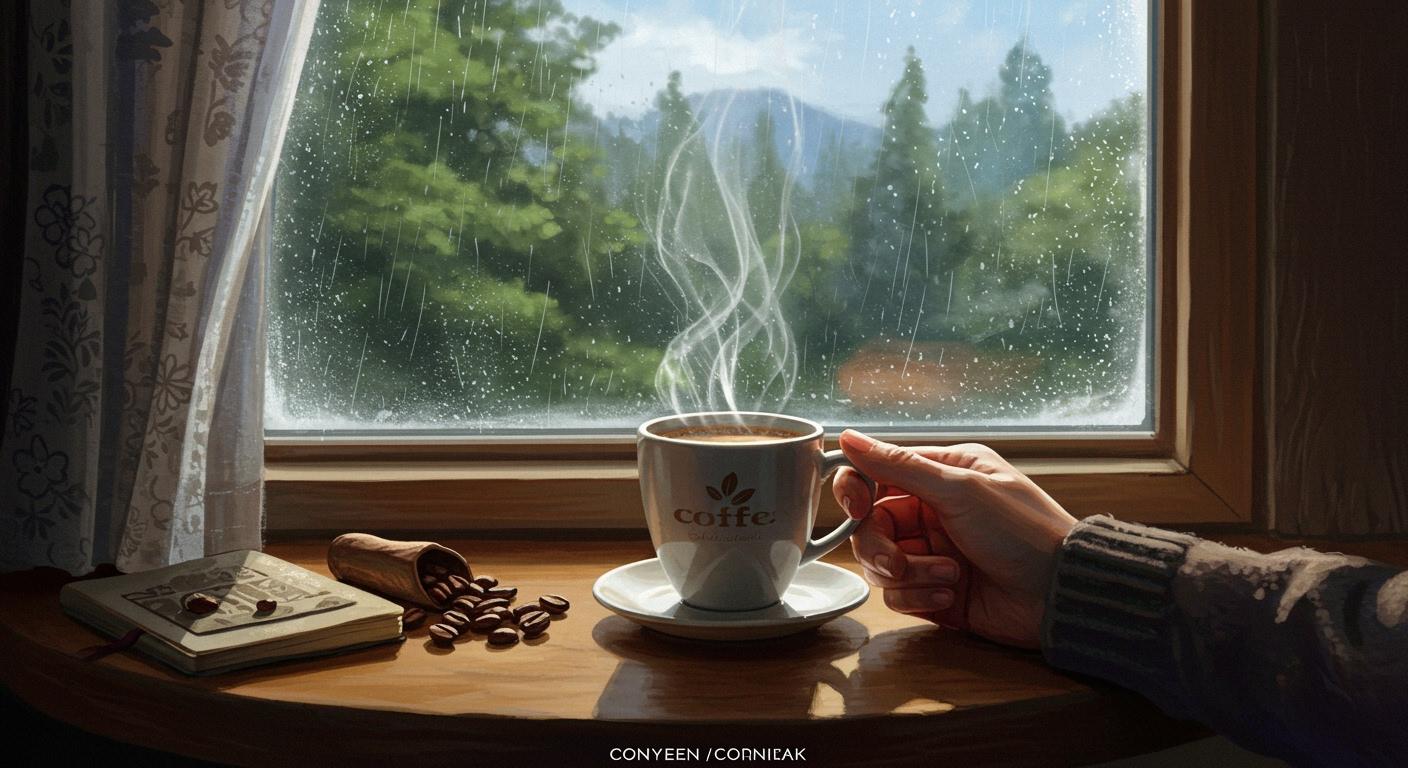
Ever want iced coffee when it is hot outside? Or do you like hot coffee on cold mornings? You may see that coffee and weather go together. Look at this table. It shows how climate changes affect coffee growing in the world:
Evidence Type | Details |
|---|---|
Climate Change Patterns | Higher temperatures and bad weather may cut good coffee land by up to 50% by 2050. |
Severe Weather Events | Droughts and frosts have lowered coffee crops in Brazil. This hurts both Arabica and Robusta types. |
Future Projections | Long studies show Brazil could lose 60% of good coffee land by 2050. Colombia could lose 80% by then. |
Coffee and Weather
You might see that coffee and weather are connected. The way you drink coffee changes with the seasons. But there is more happening than you think. Temperature, humidity, and air pressure all matter. They change how your coffee tastes and smells. They also affect how fresh it stays. Let’s look at how these things shape your cup.
Temperature Changes
Temperature matters for coffee from start to finish. If you keep coffee in a cool place, it stays tasty longer. Scientists found that storing coffee at 5 °C keeps its special flavors. These flavors come from compounds that make coffee taste unique. If you store coffee at 20 °C, you may taste more earthy or spicy notes. But you lose some chocolate and sweet flavors.
Here’s what happens when temperature changes:
High temperatures make aroma compounds go away faster. Your coffee can lose flavor quickly.
When temperature goes up and down, beans get bigger or smaller. This can change how you grind them. Your brew may not be the same each time.
Temperature also changes static in your grinder. If the air is cold or warm, you may get uneven brewing.
Impact Factor | Description |
|---|---|
Higher temperatures stress coffee and change its taste. | |
Volatile Compounds | Hot air makes aroma compounds disappear, so flavor gets dull. |
Bean Properties | Temperature swings change bean size and affect grinding. |
Storage Temperature | Cool storage keeps flavors fresh; warm storage changes taste. |
It is important to control temperature for good coffee. BN PACK coffee bags help with this. These bags use strong materials to block heat. They keep the inside cool and steady. Your coffee stays fresh and tasty, no matter the weather.
Humidity & Air Pressure
Humidity is also important for coffee. When the air is wet, beans soak up water. This can break down the oils that give coffee its smell and taste. Too much humidity can cause mold. Mold makes coffee spoil faster. Your coffee may taste flat or old if it sits in a damp spot.
High humidity makes beans absorb water, which ruins taste and smell.
Mold grows fast in wet places, making coffee spoil and taste bad.
Humidity makes coffee stale faster, so it loses its good taste.
Beans that soak up water can brew unevenly, so your cup may be too weak or strong.
Air pressure changes how coffee brews. If you use an espresso machine, pressure is important. Different ways to brew use different pressures. This changes how much caffeine and flavor you get.
Brewing Method | Pressure (bar) | Caffeine Content (g/L) | Notes |
|---|---|---|---|
Arabica and Robusta | 7 | 10.303 | Best caffeine comes out at 92 °C. |
Arabica | 9 | 5.270 | Higher pressure means slower extraction. |
Coffee Percolator | N/A | 0.506 | More caffeine than pouring water. |
Pouring Water | N/A | 0.375 | Less caffeine than percolator. |
9 | 4.100 | Lower caffeine than other ways. | |
Espresso Specialty | 9 | 4.200 | Almost the same as regular espresso. |
To keep coffee fresh, protect it from humidity and heat. BN PACK coffee bags use tight seals and special valves. These keep out water and air. Your coffee stays fresh until you open the bag. The bags have layers that block heat and humidity. Some bags even have packets to lower moisture inside.
Tip: Keep your coffee in a cool, dry place. Use BN PACK coffee bags to keep it fresh. You will taste and smell the difference, no matter the weather.
Coffee Experience by Season
Spring & Summer
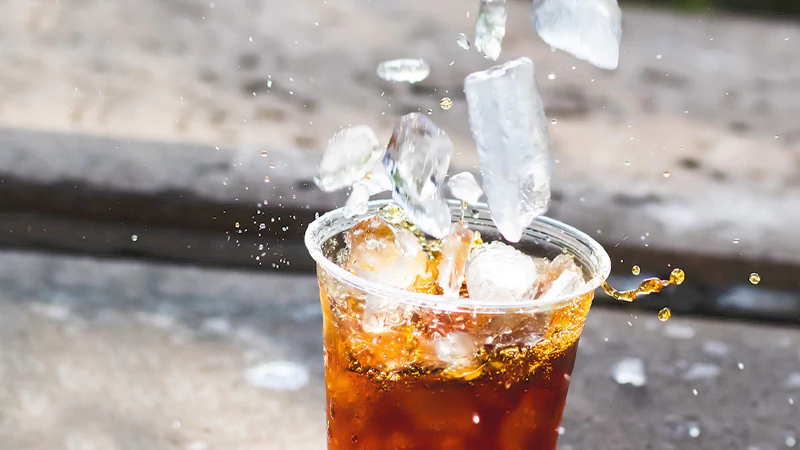
When spring comes, your coffee habits change. Warm days and sunshine make you want cold drinks. Cold brew is a top pick. You soak coffee grounds in cold water for hours. This makes a smooth drink with less acid. Iced coffee, frappés, and milkshakes get more popular. Young people like these sweet, fun drinks. Stores sell more ready-to-drink coffee in summer. These drinks are colorful and taste sweet. They are great for hot weather. Coffee in spring and summer tastes bright and fresh. It often has a little sweetness. Stores offer new cold brew flavors for the season. They also have special drinks for a short time.
Fall & Winter
When it gets colder, you want warm coffee. Hot drinks become your first choice. You may like classic coffee or crispy drinks. Some people try apple cider flavors. Plant-based milks and proteins are used for health. Cold brew is still around, but people try new recipes. Coffee in fall tastes complex and spicy. In winter, it tastes crisp and bold. Stores bring out favorites like pumpkin spice lattes. These drinks make cold days feel special and fun.
Seasonal Experience
The season changes how coffee beans taste. Here’s a simple table:
Season | Taste of Coffee | Why |
|---|---|---|
Spring-Summer | Bright, fresh, subtle sweetness | More sunlight, higher temperature |
Fall | Complex, fruity, spicy | Cooler temperature, humidity changes |
Winter | Vibrant, crisp, citrus or floral | Slow ripening, concentrated flavor |
Winter-Spring | Balanced, mild acidity | Mix of winter and spring conditions |
Your coffee taste depends on weather and how you brew it. Try new drinks and roasts each season. You will see how coffee flavor changes. Enjoy every cup all year.
Enhancing Your Coffee Experience
Brewing Adjustments
You can make your coffee taste better by changing how you brew it when the weather shifts. Temperature, humidity, and air pressure all play a role in your daily cup. On humid days, you might notice your coffee tastes flat. That happens because beans soak up moisture, which changes how they grind and brew. If you want to keep your coffee quality high, try these tips:
Use a hygrometer to check humidity in your kitchen.
When humidity is high, grind your beans a bit coarser. This helps stop over-extraction and keeps your coffee from tasting bitter.
If the air pressure drops, like before a storm, your espresso may brew slower. You can fix this by making your grind size a little finer or brewing for less time.
On cold days, brewing temperature matters even more. Cooler air can mute sweetness and boost bitterness. Try raising your brewing temperature a few degrees to bring out more flavor.
On hot days, lower your brewing temperature to highlight acidity and keep your coffee refreshing.
Tip: Always store your beans in BN PACK coffee bags. These bags have degassing valves that let out carbon dioxide but keep oxygen out. This keeps your coffee fresh and full of aroma, no matter the temperature or humidity.
Choosing Beans & Roasts
Picking the right beans and roast can change your coffee experience with the seasons. Different beans react to temperature and weather in unique ways. Some beans taste better in the heat, while others shine in the cold. Here’s what research shows about choosing beans for different climates:
Study Title | Key Findings |
|---|---|
International Multilocation Variety Trial | Tests show some coffee varieties do better in certain climates, helping you pick the best one. |
New coffee varieties as a climate adaptation strategy | Hybrid beans can give you up to 61% more output, making them great for changing weather. |
Effect of climate on coffee composition | Where and how beans grow changes their taste and quality, so pick beans that match your climate. |
Physicochemical differences of coffee beans | Arabica grows best in cool, high places. Robusta likes hot, humid spots. |
If you live somewhere hot, try Robusta or hybrid beans. They keep their taste and quality even when the temperature rises. For cooler places, Arabica beans give you a sweet, smooth cup. You can also switch your roast. Lighter roasts work well in summer, bringing out bright flavors. Darker roasts feel cozy in winter and taste bold.
Note: BN PACK coffee bags come in many sizes and materials. You can pick eco-friendly options that keep your beans fresh and help the planet.
Serving Ideas
How you serve your coffee can make a big difference, especially when the weather changes. On hot days, you might want iced coffee or cold brew. These drinks use a lower brewing temperature and taste smooth and sweet. In winter, a hot cup with a higher brewing temperature feels comforting and bold.
Changes in air pressure can also affect your brewing. When a storm is coming, lower pressure can slow down your espresso. You may need to adjust your grind or brewing time to keep the taste just right. Try adding spices like cinnamon or nutmeg in the fall for a cozy touch. In spring, add a splash of citrus or floral syrup for a fresh twist.
Use glass cups for cold drinks to show off color and ice.
Try insulated mugs for hot coffee to keep the temperature steady.
Add milk, cream, or plant-based options to match the season.
Did you know? Eco-friendly coffee packaging is on the rise. Many bags, like those from BN PACK, use recyclable or compostable materials. These choices help cut waste and lower pollution. Studies show that compostable packaging can reduce emissions by up to 50% compared to regular plastic. More people now choose products with sustainable packaging, making it a smart choice for you and the planet.
With the right brewing temperature, bean choice, and serving style, you can enjoy top coffee quality all year. BN PACK coffee bags help you keep your beans fresh, protect them from temperature swings, and support a greener world.
BN PACK Coffee Bag Solutions
Coffee Bag Freshness
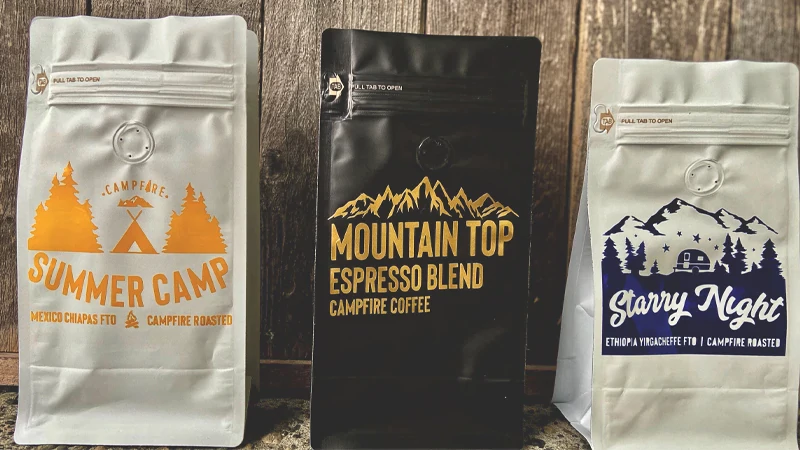
You want your coffee to taste fresh every time you open the bag. BN PACK coffee bags use smart designs to protect your coffee from weather changes. Humidity and temperature can ruin coffee, but these bags keep your beans safe. Take a look at how they work:
Protection Method | Description |
|---|---|
Multi-layer foil bags | Block humidity and stop moisture from making coffee stale. |
Eco-friendly options | Kraft bags with PLA liners keep out water and protect coffee. |
Silica gel pockets | Absorb extra moisture in humid places, so coffee stays dry. |
Reflective foils | Help slow down heat, keeping coffee fresh longer. |
Insulated liners | Add a layer of temperature protection for your coffee. |
Storage tip | Store bags in cool, dark places for the best coffee taste. |
Good coffee bags need strong barriers against oxygen, moisture, and light. BN PACK uses materials that keep air out and lock in flavor. You get coffee that smells and tastes great, even after weeks on the shelf. Studies show that screw cap packaging keeps coffee fresher than clips or tape. BN PACK bags use tight seals to help your coffee last longer.
Customization & Sustainability
You can choose how your coffee bags look and work. BN PACK lets you pick the size, shape, and features that fit your brand. Custom coffee packaging helps protect beans from getting soggy or too dry. This keeps your coffee tasting good, no matter the weather.
Here are some ways BN PACK supports you and the planet:
Eco-friendly coffee bags use materials that are easy to recycle or compost.
Traditional coffee bags often end up in landfills and pollute the ocean.
BN PACK uses mono-materials and recycled content to lower carbon footprints.
Smart packaging can include sensors to track moisture and temperature for your coffee.
Silica gel packets and strong liners help control moisture and keep coffee safe.
You help the environment when you pick eco-friendly coffee bags. These bags protect your coffee and make your brand stand out. You get fresh coffee, and the planet gets less waste. That’s a win for everyone!
You can see that climate and weather affect your coffee. Hot or cold days change how your coffee tastes. Coffee farming also changes when the weather is different. Try new ways to brew and store coffee as seasons change. BN PACK coffee bags help keep your coffee fresh. They protect coffee from problems caused by climate change. Tell us your best coffee stories about climate change below!
Weather changes can change how coffee tastes and brews.
Coffee farming has problems with climate change and bad weather.
BN PACK coffee bags use tight seals and green materials to keep coffee fresh anywhere.
Feature | Benefit |
|---|---|
Dual-Zip™ Closure System | Keeps coffee fresh during climate change |
Mineral-based Barriers | Protects coffee cultivation quality |
Do you have a good coffee farming tip for bad weather? Share your ideas in the comments!