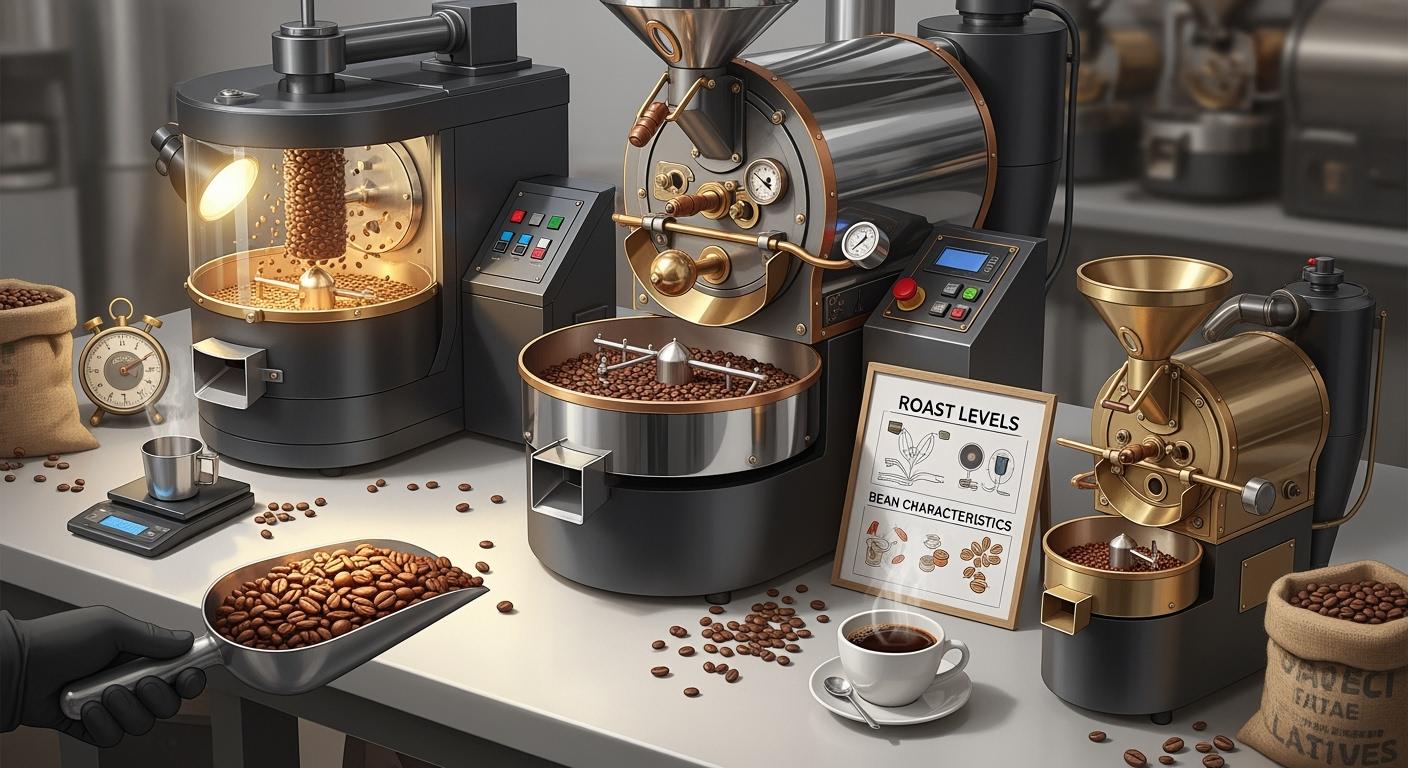
You get steady results with a drum-style home coffee roaster. Machine roasting coffee lets you control flavor and repeat your results. New studies show that roasting levels change aroma compounds. Standard roasting gives you a reliable taste.
Aroma-active compounds change at each roast level.
Standard rules help keep coffee flavor the same.
Best Home Coffee Roaster for Consistency
Top Picks for Beginners
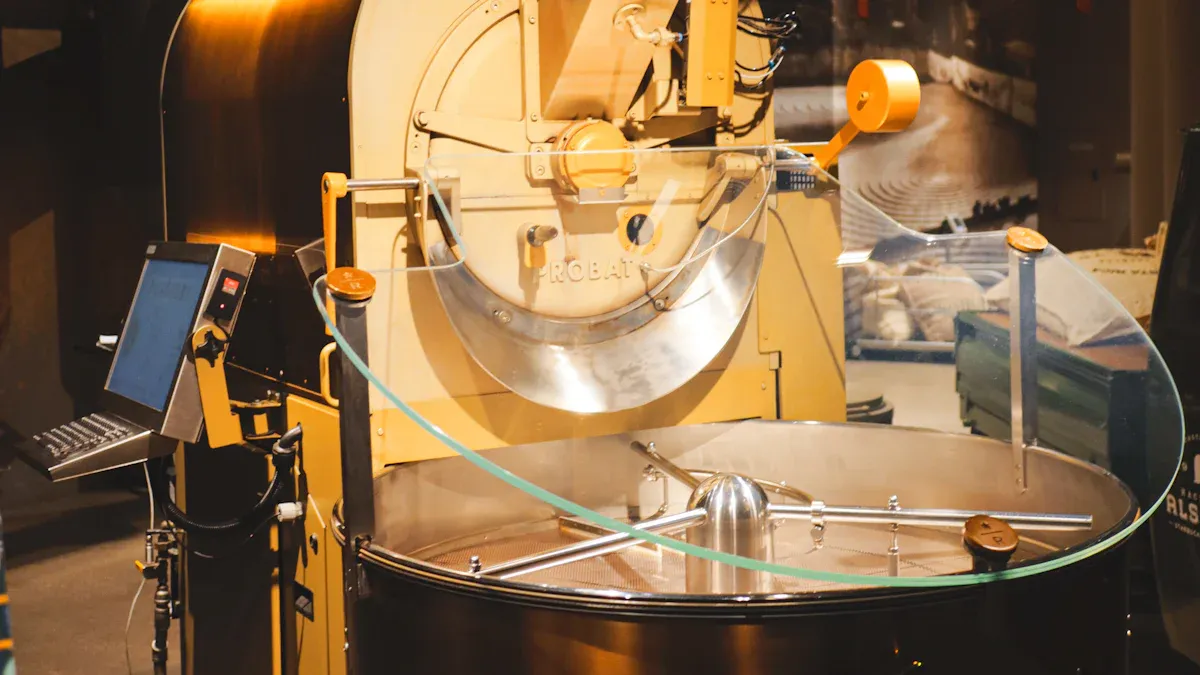
When you start roasting coffee at home, you want a machine that is easy to use and gives you steady results. The best home coffee roaster for beginners should have simple controls and help you learn how to roast without feeling overwhelmed. Many new users look for machines that let them see and hear the roasting process. This helps you understand how beans change during roasting.
Here are some top choices for beginners based on user satisfaction:
Coffee Roaster | Capacity | User Feedback |
|---|---|---|
Gene Cafe | N/A | Highly popular among users; about 85% satisfaction rate. |
Ikawa Smart Home Coffee Roaster | 100g | User-friendly and kitchen-friendly, but has a small capacity and higher price. |
Cafemasy Hot Air Coffee Roaster | 80g | Low-cost entry option, but some users feel it is overpriced for its basic features. |
You can see that the Gene Cafe stands out as a favorite. Many people say it is easy to use and gives a very consistent roast. You can watch the beans as they roast and listen for the first and second crack. This helps you learn what to look for in each batch. One user said, “It is very easy to use and does a great job. I like being able to easily see the roast develop and also like being able hear first and second crack. A great choice for a roaster.” Another user shared, “Great roaster, consistent results.”
Beginner-friendly home coffee roasters often have these features:
Feature | Description |
|---|---|
Intuitive Controls | Simple settings help you avoid confusion. |
Experimentation | You can try different roast profiles easily. |
Note-taking | You can keep track of temperature, timing, and bean reactions for learning. |
Roasting Time | Most home roasting takes 8 to 15 minutes. |
Heating Methods | Air roasters work faster, while drum roasters give even results. |
Tip: Time your batches the same way each time. This helps you keep your flavor steady. Try to write down changes in gas or airflow for each coffee origin. This habit will help you get better results with your home coffee roaster.
Advanced Options for Enthusiasts
If you want more control and better results, you can choose an advanced home coffee roaster. These machines give you more ways to adjust the roast. You can set the temperature, control the airflow, and even use digital profiles. Many advanced models connect to apps, so you can track your roast in real time.
Some of the best home coffee roasters for enthusiasts include:
Aillio Bullet R1: This machine lets you control every part of the roast. You can roast up to 1 kg at a time. It has a cooling tray and a chaff collector. Many users say it gives very consistent results.
Gene Cafe CBR-101: This model gives you great visibility and control over your roast profiles. You can see the beans as they roast and make changes as needed. It costs more than beginner models and has a smaller batch size, but it is reliable and easy to maintain.
Advanced home coffee roasters have features that help you get the same results every time:
Feature | Contribution to Consistency |
|---|---|
Roasting Capacity | Lets you roast larger batches without stopping. |
Temperature Control | Lets you try different roast levels and repeat them. |
Monitoring Capabilities | Gives you real-time feedback during roasting. |
Sturdy Build Quality | Lasts longer, even with frequent use. |
Easy Cleanup | Saves time and keeps your kitchen tidy. |
You will notice that advanced models have built-in digital controls. You can set the temperature and roasting time exactly. Some even let you use your phone to watch the roast and make changes. These machines have sensors that track temperature and airflow. This helps you make small changes for the best results. Entry-level models do not have these features. They are more affordable but give you less control.
Note: Advanced home coffee roasters cost more, sometimes between $1,750 and $5,850. You pay for better controls, stronger parts, and more reliable results.
If you want the best home coffee roaster for consistency, look for one that matches your skill level and goals. Beginners should choose a simple, reliable machine. Enthusiasts should look for advanced controls and strong build quality. The best home coffee roasters help you get the same great cup every time.
Why Machine Roasting Coffee Matters
Flavor and Consistency Benefits
Machine roasting coffee at home helps you get the best taste from your beans. You can make each batch taste great. If roasting is not steady, the flavor can change. This might upset you or your friends. Machine roasting coffee gives you ways to control how you roast. You can get the same taste every time.
A study found that different roasting styles change how coffee smells and tastes. Beans from places like Colombia, Ethiopia, and Indonesia react to heat in their own way. With machine roasting coffee, you can change the time and temperature for each bean. This keeps the flavor rich and steady.
Roasting that is not steady can make the taste change.
Special tools help you copy a good roast again and again.
Keeping the taste the same is important because people want their coffee to taste right every time.
New machines use smart technology to keep the heat even. This stops beans from burning and helps you get a good taste. You will notice the difference in every cup.
Every bit of heat, every second, and every bit of airflow changes your coffee. Being exact helps you get the best from each bean. This gives you clear, rich, and balanced coffee every time.
Control and Repeatability
Machine roasting coffee lets you control more things than old ways. You can set the heat, airflow, and drum speed with buttons. This makes it simple to repeat your favorite roast and taste.
Feature | Machine Roasting | Traditional Roasting |
|---|---|---|
Temperature Control | Very exact and automatic | Done by hand, not always steady |
Airflow Management | Can be changed easily | Harder to control |
Consistency of Roast Profiles | Stays the same because of automation | Changes, depends on skill |
Flavor Development | Better, keeps flavors strong | Not as exact |
Modern machines let you save your favorite settings. You can use digital controls to make small changes and check your results. This helps you get the same taste every time you roast. Many machines keep track of what you do, so you can see what works best. You do not have to guess or remember everything.
New coffee machines keep notes for you, so you can repeat your best roast.
Old ways need you to write things down, which takes time and can have mistakes.
Roasting software in new machines helps you make exact changes and know what will happen.
With machine roasting coffee, you are in charge. You can try new tastes and always go back to your favorite one.
Home Coffee Roaster Types Compared
Air Roasters: Pros and Cons
Air roasters use hot air to roast coffee beans. You control the roast by changing the airflow and temperature. You can see the beans move during the roast, which helps you learn how the roast develops. Air roasters like Fresh Roast respond quickly to heat changes. You can adjust the roast profile easily. Many users say air roasters are simple to use. You get flexible control over each roast. You can roast small batches, usually between 0.25 and 1 kg. You can change the roast level fast, but frequent changes can make the roast less consistent.
You get quick warm-up profiles.
You can roast small batches for home use.
You control the roast with digital buttons.
You get reliable results with automation.
Drum Roasters: Pros and Cons
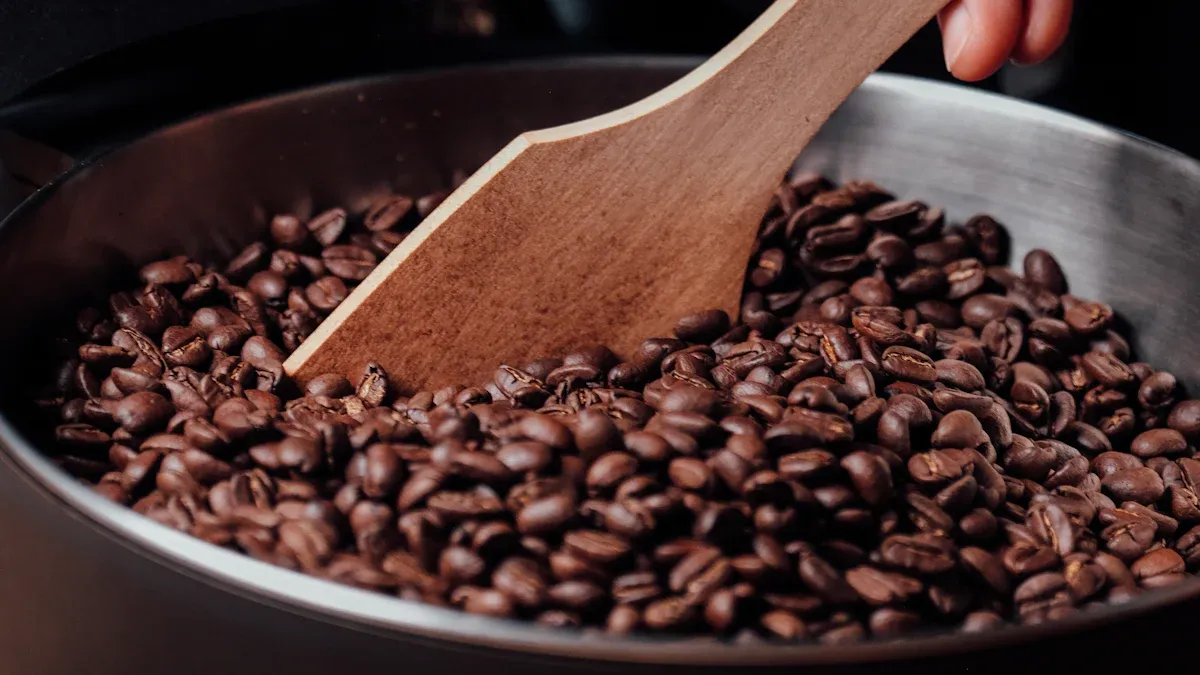
Drum roasters use a rotating drum to roast beans. You guide the roast by changing heat and airflow slowly. Drum roasters like Hottop let you roast larger batches. You get steady heat, which helps you control the roast. Drum roasters have a slower response to changes, so you can guide the roast carefully. You get more consistency in each roast. You can roast up to 30 kg in commercial drum roasters. You get strong build quality and repeatable roast profiles.
You roast larger batches.
You get careful control over the roast.
You use digital controls for each roast.
You get reliable and consistent roast results.
User Suitability
You should choose a roaster that matches your needs. Air roasters work best for home users who want easy control over each roast. You get fast results and flexible roast profiles. Drum roasters suit users who want reliability and consistency in every roast. You get better results for commercial roasting. Professionals prefer drum roasters for steady roast development. Home users often pick air roasters for simple roast control.
Tip: You should warm up your roaster before each batch. You should fill the drum or chamber to about 80% for the best roast. You should monitor the roast with digital controls to keep each roast consistent.
Comparing Popular Coffee Roaster Models
Features and Usability
You want a coffee roaster that is easy to use. Popular models like the fresh roast SR540, Gene Café Drum Roaster, and Hottop KN-882B-2K+ are known for being user-friendly. Each one lets you control your roast in different ways. The fresh roast SR540 has nine heat levels and shows the temperature as you roast. You can use simple buttons to pick your roast level. The Gene Café Drum Roaster has a glass chamber. You can watch the beans change color as they roast. Its off-axis rotation helps roast the beans evenly. The Hottop KN-882B-2K+ has two thermocouples and a USB port. You can use software with it. You can pick manual or automatic controls for roasting.
Coffee Roaster Model | Capacity | Key Features |
|---|---|---|
Fresh Roast SR540 | 120 grams | 9 heat levels, real-time temperature, beginner-friendly |
Gene Café Drum Roaster | 250 grams | Intuitive controls, glass chamber, uniform roasting |
Hottop KN-882B-2K+ | 300 grams | Dual thermocouples, USB port, manual/automatic control |
Look for features that make roasting simple. Easy-to-use screens and digital displays help you see what is happening. You can change the heat and fan settings to get the roast you want. Cleaning and taking care of your roaster keeps it working well. Some roasters have automation and let you set up roast profiles. These features help you be more exact.
Feature | Description |
|---|---|
Intuitive User Interface | Easy roasting with minimal learning curve |
Digital Displays | Alerts you to bean temperature for better monitoring |
Adjustable Heat and Fan Controls | Customizes roasting conditions for optimal results |
Ease of Cleaning and Maintenance | Ensures longevity and consistent performance |
Advanced Features | Automation and programmable profiles for convenience and precision |
Value and Performance
You want a coffee roaster that works well and lasts a long time. The fresh roast SR540 is not expensive and is good for beginners. It gives steady results and is simple to use. The Gene Café Drum Roaster lets you see the beans and roasts them evenly. It is built to last for many uses. The Hottop KN-882B-2K+ has advanced controls and works with software. You can save three roast profiles to use again. You can make small changes with manual and digital controls. The USB port lets you save all your roast details and get better at roasting.
Feature | Description |
|---|---|
Manual Control | You control all parameters during the roast |
USB Connectivity | Connects to computer software for precise roast profiling |
User Profiles | Save up to 3 profiles for consistency |
Logging | Save all roast parameters at the end of the roast |
Pick a coffee roaster that fits your needs and skill. If you want something easy, choose the fresh roast SR540. If you want more control and better quality, try the Gene Café Drum Roaster or Hottop KN-882B-2K+. These machines help you get great flavor and the same results every time.
Best Practices for Machine Roasting Coffee
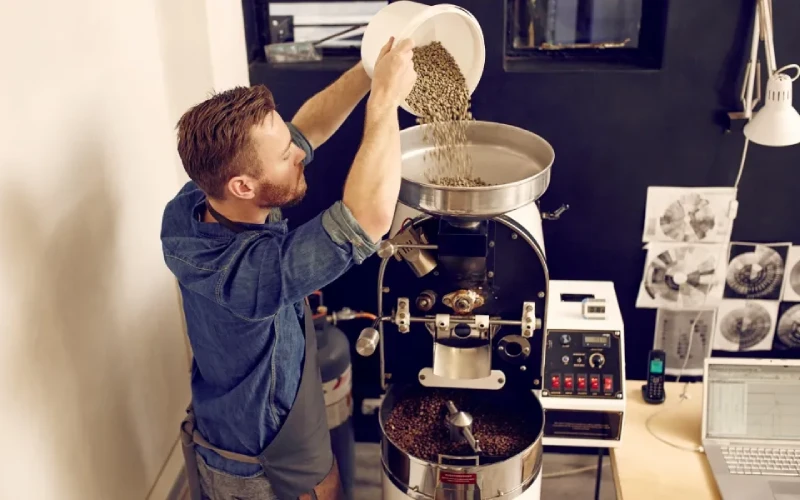
Preparation and Warm-Up
When you roast coffee at home, you need to get ready first. Make sure your machine and beans are set before you start. Warming up your machine is very important for good results. All roasters, like fluid-bed and drum machines, need to warm up. Even small machines need about 30 minutes to heat up. Big machines can take up to 90 minutes. Warming up helps keep the roasting area steady. This makes it easier to control each batch.
Always heat your coffee roaster before you add beans.
Fill your machine to about 80% of its full size. This stops the machine from getting too hot and keeps your roast even.
Let your roaster cool down between each batch. This keeps it from overheating and changing how your coffee roasts.
Preheating stops sudden jumps in temperature. This keeps your coffee from tasting bad.
Tip: Keep your batch size and warm-up time the same every time. If you skip these steps, your coffee may taste uneven and lose its special flavors.
Temperature and Monitoring
You need to watch the temperature closely while roasting. This helps you keep the flavor and make your coffee taste the same each time. Most machines let you check things like bean temperature, air temperature, exhaust temperature, and drum temperature. Watching these numbers helps you make small changes for better coffee.
First crack happens at about 385°F. This is when your beans start to get sweet and a little sour.
If you stop roasting soon after first crack, you get a light roast with bright flavors.
Waiting longer after first crack makes your coffee sweeter and more complex.
The Maillard reaction happens as beans get hot. This gives your coffee rich flavors.
Changing airflow and gas flow helps you control how heat moves in the beans.
Note: Using a machine with steady heat helps you pick the flavors you want. You can use the same settings again and get the same coffee every time.
Roast Development and Cooling
How you roast your coffee changes how it tastes in the end. You need to watch how fast the temperature goes up. If you go too fast, your coffee can taste flat. If you go too slow, you lose brightness and flavor.
Lower the heat about 30-45 seconds before you want to change the roast. This helps you not go past your goal.
For light roasts, keep the development time ratio (DTR) between 20-25%. For medium roasts, use 25-30%.
Cool your beans fast after roasting. Drop the temperature by at least 100°F in the first minute. Get the beans under 100°F in four minutes.
Fast cooling keeps the flavors in and makes your coffee taste fresh.
Callout: Always use the best brewing profile (BBP) for each coffee and batch. Change your settings to match where your beans come from and how much you have. This helps you get the best taste every time.
Post-Roast Handling
How you treat your coffee after roasting matters for taste and freshness. Store your beans so heat, light, and water stay out. Use vacuum-sealed bags or containers with one-way valves. This keeps your coffee fresh and smelling good.
Use your coffee beans within 4 to 14 days after roasting for the best taste.
Keep beans in a cool, dry place away from the sun.
Airtight canisters and screw cap packages work best to keep beans fresh.
Do not use clips or tape to close bags. These let air in and make your coffee go stale.
Storage Method | Freshness Preservation Effect |
|---|---|
Airtight canister | Best at keeping aroma and flavor |
Closing original package with tape | Loses freshness faster than airtight canister |
Closing with clip | Loses freshness faster than airtight canister |
Package with integrated screw cap | Best storage method overall |
Tip: Let your coffee rest for a day or two after roasting. This lets gases leave and helps keep the flavors in your beans.
If you follow these steps, you can get good at roasting coffee at home. You will learn how to pick the right roaster, set up your machine, and change your settings for each batch. No matter what machine you use, careful prep, watching your roast, and good storage will help you get tasty, fresh coffee every time.
You can choose a home coffee roaster that matches your skill level and goals. For steady results, watch the color change, listen for cracks, and cool beans properly. Keep records of each roast. Try new settings and profiles. You will improve your technique and enjoy better coffee every time.