
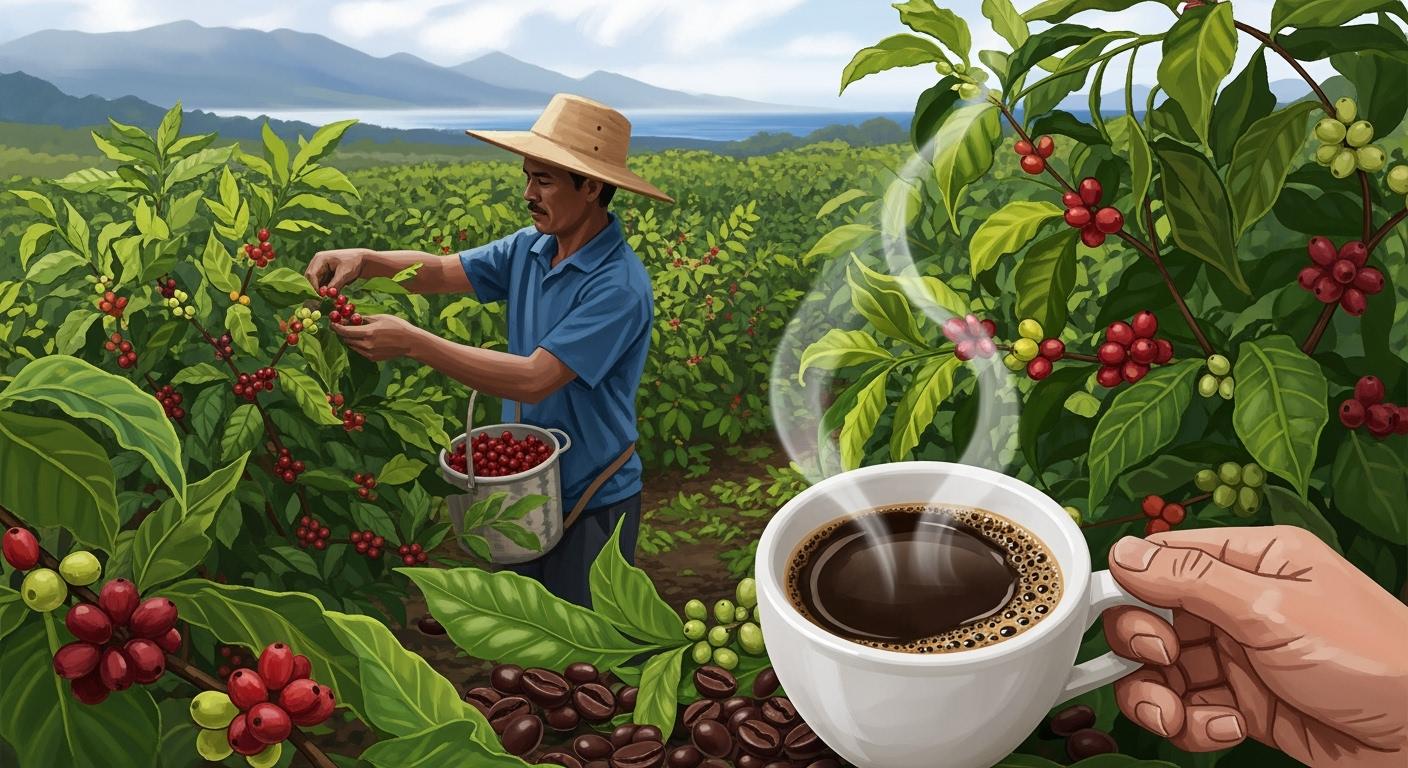
Imagine the first sip of Maui coffee. You taste bright, clean notes that come from rich volcanic soil and a unique climate. Maui coffee stands out because every step in the farm to cup journey shapes its flavor. Local farmers nurture the beans, harvest them by hand, and use careful processing to bring out the best in each batch. The roasting process highlights natural flavors, while the right brewing method lets you enjoy smoothness and sweetness. Each process, from the fields to your cup, makes Maui coffee unforgettable.
Maui coffee origins
Climate and soil
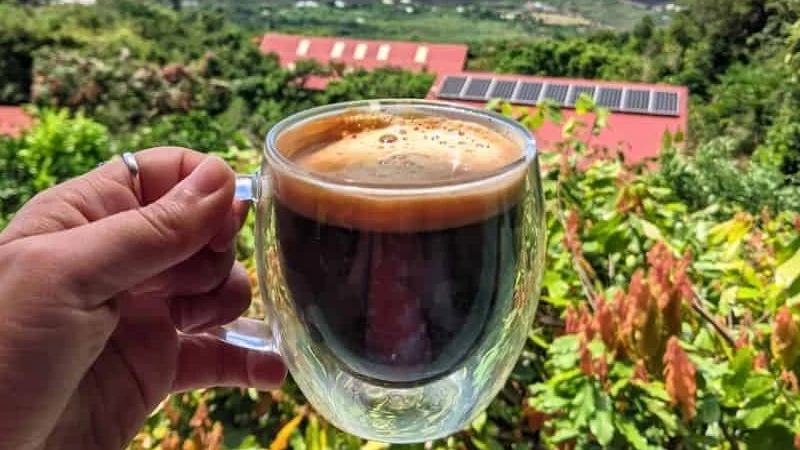
When you think about Hawaiian coffee, you might picture lush green hills and rich volcanic earth. That’s exactly what you find in maui. The island’s climate gives you a mix of wetness and sunshine, which is perfect for growing coffee. You get cool breezes from the ocean and warm days that help the beans ripen slowly. This slow growth lets the flavors develop in a special way.
The soil in maui comes from old volcanoes. It’s full of minerals and holds just the right amount of moisture. This makes the roots of the coffee plants strong and healthy. You taste the difference in every cup. The flavors are clean and bright, with hints of brown sugar, milk chocolate, citrus, and berry. These flavors set maui coffee apart from other hawaiian coffee regions, even from kona coffee.
If you look at the history of hawaiian coffee, you see that the closure of sugar plantations changed everything. Farmers started using old sugarcane fields for coffee. This shift brought new jobs and helped the local economy. Over time, maui became a key part of the hawaii coffee story.
“A buzz in the fields: coffee is ripe to become Maui’s next major specialty crop. Maui is every bit as marketable and recognizable a name as Kona… It’s just about educating the consumer.”
Varieties on Maui
You’ll find many types of hawaiian coffee on maui. Each one has its own taste and story. Farmers grow different varieties to bring out the best in the island’s climate and soil. Here’s a quick look at some popular types:
Coffee Variety | Unique Characteristics |
|---|---|
Maui Mokka | Bold and fruity, with notes of wine, dark chocolate, and spice. |
Oʻahu Waialua Coffee | Lighter acidity, nutty and earthy, with hints of cocoa. |
Molokaʻi Coffee | Full-bodied, velvety texture, with caramel, spice, and red fruit notes. |
Kona Peaberry Coffee | Smooth, vibrant, with citrus and floral undertones. |
You might notice that kona coffee gets a lot of attention, but maui coffee has its own fans. The honey-processing method at Kula Orchards, for example, gives you a bright, blueberry-tinged aroma. This shows how creative farmers in hawaii keep finding new ways to make their coffee stand out.
The story of hawaiian coffee goes back generations. During World War II, locals traded wild coffee with Marines. Families like the Francos have grown coffee since 1918. Today, you see about 900 coffee farms across hawaii, and coffee is the state’s second most valuable crop. When you drink maui coffee, you taste the hard work and history of hawaii in every sip.
Cultivation and harvest
Farming practices
When you walk through a maui coffee farm, you see more than just rows of green plants. You notice how farmers care for the land and the beans. Many farms in maui use sustainable methods to keep the soil healthy and the environment clean. Here are some ways local farmers protect their crops and the island:
Kupa’a Organic Farm uses organic compost to feed the soil.
Farmers practice natural pest management, so you won’t find harsh chemicals.
Regenerative agriculture helps restore the land and keeps it fertile for years.
Olinda Organic Farm follows organic growing practices, making sure their coffee is pure.
Kupa’a Farms grows not only coffee but also cacao and tropical fruits, which helps the land stay balanced.
You might wonder why these steps matter. When farmers use these methods, they help the earth and make your cup of maui coffee taste even better. The beans grow strong and healthy, and you get a cleaner, richer flavor.
Still, growing coffee in maui is not always easy. Farmers face pests like the Coffee Bean Borer, which can hurt the beans. Climate change makes these problems worse, bringing new challenges each year. Some farmers want to plant disease-resistant coffee, but strict state rules make it hard to get new plants. Since 2020, coffee leaf rust has also made things tough for the maui farming community.
Picking and sorting
Harvest time in maui feels special. You see farmers picking ripe, red cherries by hand. This careful work means only the best beans make it to your cup. Workers sort the cherries, removing any that are too green or overripe. This step takes patience, but it’s worth it. When you drink maui coffee, you taste the care that goes into every bean. The result is a smooth, flavorful cup that shows the heart of maui.
Processing steps
Parchment and green beans
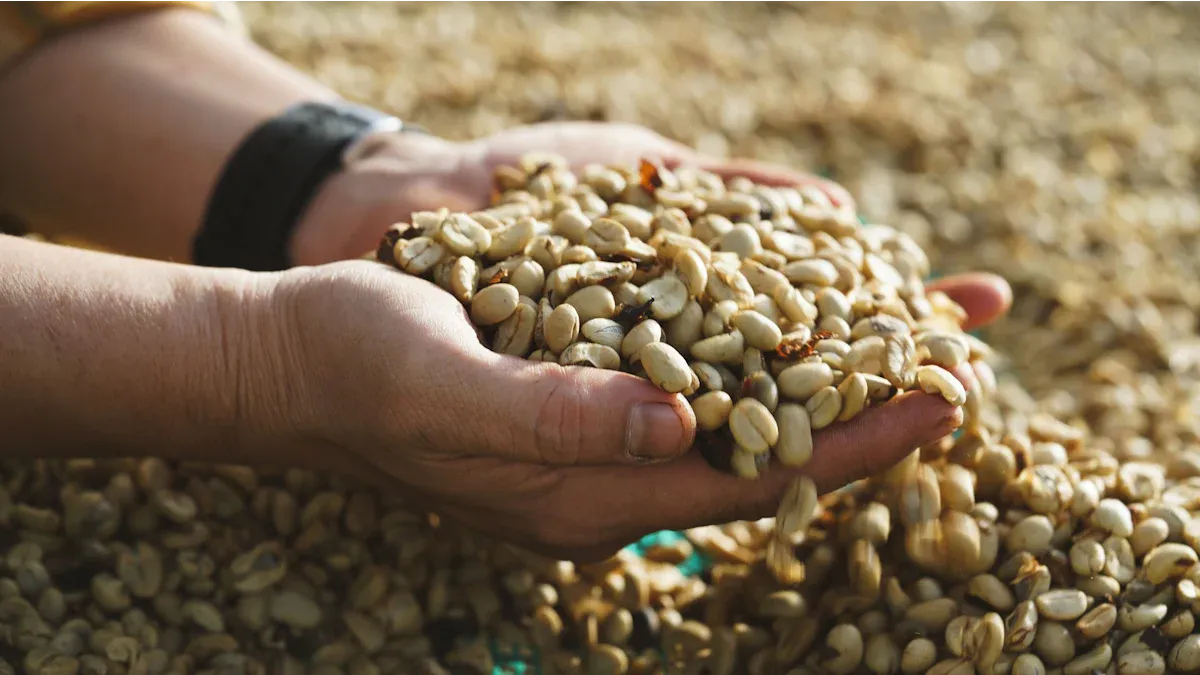
You may wonder what happens after the beans are picked. The beans go through more steps before they are ready. On maui, workers use a careful process to turn cherries into green beans for roasting. First, workers rinse the cherries in water. Floating the cherries helps remove bad beans, leaves, and dirt. Only the best cherries move on. Next, a machine takes off the red skin and pulp. The beans are left with a thin parchment layer. Then, the beans need to dry. On maui, beans dry on raised beds in the sun. Workers rake the beans many times each day. This helps them dry evenly. The beans must reach the right moisture, between 10% and 12%. When dry, the beans go into sealed bags. This keeps them safe from water and sunlight. The last step before roasting is dry milling and grading. Machines take off the parchment layer. Now you see the green beans inside. Workers sort and grade the beans by strict rules. These rules come from the Hawaii Department of Agriculture and the Specialty Coffee Association. This careful work makes sure you get great maui coffee every time.
Tip: The way beans are processed and dried on maui helps keep the island’s special flavors. You can taste the difference in every cup.
Local methods
Maui producers like to try new ways to make their coffee taste special. You will find both old and new methods on the island. Most farms use washed and honey processing. The washed method takes off all the pulp. This gives a clean and bright flavor. Honey processing leaves some sticky mucilage on the beans. This adds body and sweetness to the coffee. Many people enjoy this more complex taste. Some maui farms go even further. They use special fermentation to make new flavors. Here are some local methods you might see:
Processing Method | Description |
|---|---|
Carbonic Maceration | Fermentation in a place with lots of carbon dioxide, like in winemaking. |
Alternative Fermentation Liquids | Using liquids like Pepsi or sea water during fermentation for new flavors. |
Controlled Yeast Inoculation | Adding certain yeast to guide fermentation, used by Olinda Farms. |
Double-Fermentation Method | Beans are fermented and washed two times, like in Kenya. |
These creative ways help maui stand out in specialty coffee. You can taste flavors that are not found anywhere else. If you like classic washed coffee or want to try something new, maui has a coffee experience that keeps changing.
Roasting Maui coffee
Small-batch roasting
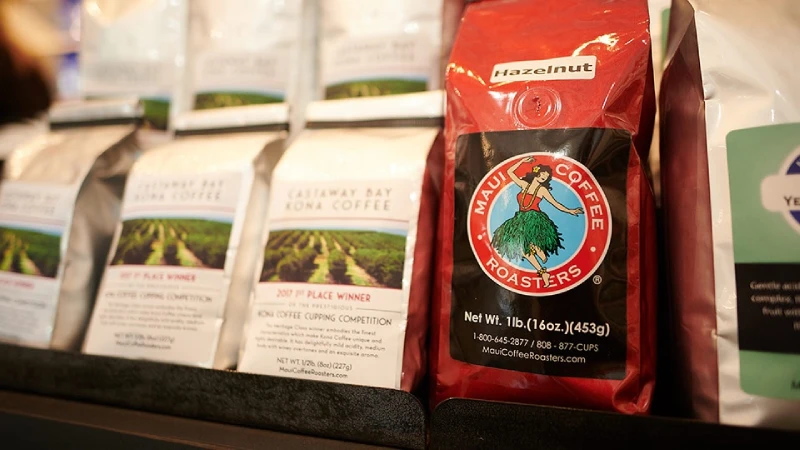
When you visit a roastery on maui, you notice something special. Many local roasters use small-batch roasting. This means they roast only a few pounds of beans at a time. You get more control over the process. Roasters can watch the beans closely and make quick changes if needed. This careful attention helps bring out the best in each batch.
Small-batch roasting lets you taste the unique character of maui coffee. Roasters often work with beans from a single farm or even a single harvest. You get to enjoy the true flavors of the island. The process feels personal. You might even meet the person who roasted your coffee!
Tip: Ask your local maui roaster about their favorite roast profile. You might discover a new flavor you love.
Flavor development
Roasting is where the magic happens. The green beans from maui turn brown and start to smell amazing. The way you roast the beans changes the flavor in your cup. Here are the most common roast profiles you’ll find on maui:
Light Roasts: These keep the original flavors of the beans. You taste bright acidity and fruity notes.
Medium Roasts: These give you a balance. You get some of the bean’s natural flavor, plus a bit of caramel sweetness.
Dark Roasts: These bring out bold, smoky, and bittersweet tastes. The roasting flavors become stronger.
Maui coffee often has a clean, smooth mouthfeel. You might notice hints of milk chocolate, brown sugar, or honey. Lighter roasts show off the unique flavors from maui’s climate and soil. Darker roasts can make the flavors deeper, but sometimes hide the special notes from the island.
If you want to explore, try different roast levels. Each one gives you a new way to enjoy maui coffee. You’ll find that the roasting process is just as important as the growing and harvesting. Every step shapes the final flavor in your cup.
Packaging and freshness
Role of coffee bags
You want every cup of maui coffee to taste as fresh as the day it was roasted. That’s why packaging matters so much. On maui, producers use smart packaging methods to lock in flavor and aroma. You’ll see vacuum-sealed bags, airtight containers, and even nitrogen-flushed packaging. These methods help keep out air and moisture, which can ruin the taste. One-way valve bags are a favorite for specialty coffee. They let gases from freshly roasted beans escape, but they don’t let oxygen in. This keeps your coffee from going stale and helps you enjoy the true quality of maui coffee.
Here’s a quick look at some packaging methods you might find on maui:
Packaging Method | Description | Benefits |
|---|---|---|
Vacuum-Sealed Bags | Removes air to slow down oxidation. | Great for long-term storage. |
One-Way Valve Bags | Lets carbon dioxide out, blocks oxygen from entering. | Preserves freshness and prevents bloating. |
Nitrogen-Flushed Packaging | Swaps oxygen for nitrogen to extend shelf life. | Stops oxidation for months. |
Eco-Friendly Packaging | Uses compostable or recyclable materials. | Reduces waste and appeals to consumers. |
High-barrier materials like PET and aluminum foil keep out light, moisture, and air. One-way degassing valves stop pressure from building up and let your coffee breathe. You get a longer shelf life and better quality in every bag.
BN PACK’s custom solutions
If you want your maui coffee to stand out, BN PACK has you covered. Their custom coffee bags use high-barrier materials to protect your beans from oxygen, moisture, and UV light. You can choose from flat bottom, stand-up, or side gusset designs. Each bag can include resealable zippers, one-way degassing valves, and even clear windows so you can see the beans inside.
BN PACK offers eco-friendly options too. You can pick recyclable, biodegradable, or compostable materials. This helps you show your customers that you care about the planet. Many people now look for brands that use sustainable packaging. With BN PACK, you get packaging that matches your values and keeps your coffee fresh.
You also get full control over the look of your bag. BN PACK lets you print your logo, choose colors, and add special finishes. Your maui coffee will look great on the shelf and stay fresh for months. When you use BN PACK’s custom solutions, you protect the quality of your coffee and build a brand that people trust.
Brewing and tasting

Recommended methods
You want to get the best out of your maui beans, right? The way you brew makes a big difference. Maui has so many unique flavors, and the right method helps you taste them all. Here’s a quick guide to some popular ways to brew maui coffee:
Brewing Method | Pros | Considerations |
|---|---|---|
Pour Over/Drip | Produces smooth coffee with a round body; enhances bright flavors. | Requires medium-fine grind; cone shape and filters affect flavor. |
Chemex | Delivers balanced, clean cups; highlights crisper notes. | Needs special cleaning brush and Chemex-specific filters. |
Moka Pot | Portable and economical; produces thick, rich coffee. | May not be ideal for enjoying mellow flavors; produces denser coffee. |
French Press | Ideal for single servings; retains oils for a fuller body. | Not suitable for larger households; can muddy flavors compared to other methods. |
AeroPress | Produces clean coffee without grit; preserves organic flavors. | Similar to French Press but uses paper filters, resulting in less oil. |
If you want a bright, clean cup, try a pour over or Chemex. These methods bring out the crisp notes that make maui coffee special. For a richer, fuller taste, you might like the French Press or Moka Pot. The AeroPress gives you a smooth cup with less grit. Each method lets you explore the flavors of maui in a new way.
Tip: Use fresh, filtered water and grind your beans just before brewing. This helps you taste the true character of maui coffee.
Tasting notes
When you take your first sip, you notice how maui coffee stands out. The flavors feel lively and smooth. Many people say they taste almond and dark chocolate in every cup. You might also pick up hints of brown sugar, citrus, or even a touch of berry. Every farm in maui brings something different to the table.
Almond
Dark chocolate
You can try different brewing methods to see which flavors you like best. The tasting experience changes with each cup. Maui gives you a coffee adventure, one sip at a time.
What makes Maui coffee unique
Distinctive flavors
You may ask why maui coffee tastes so different. The answer starts with the land. Maui has volcanic soil and a changing climate. This makes a great place for coffee plants. The beans have bright acidity and floral, citrusy flavors. Many people taste caramel and chocolate in each sip. Some types, like Maui Mokka, have fruit and spice notes. Others, like Maui Red Catuai, taste like red fruit and caramel.
Here are some reasons maui coffee is special:
It is grown in small batches, so it is rare.
Volcanic soil and microclimates change each bean’s taste.
Higher elevations give more acidity and unique flavors.
Peaberry beans from maui taste rich and roast evenly.
Each region on maui gives coffee a different taste. Some beans are spicy, and others are sweet. Farmers work hard to bring out these flavors. Maui coffee has won many awards over the years. For example, Akamai Coffee Co. was voted Best Coffee Shop and Coffee Roaster on maui in 2023. Coffees from maui have scored high in national contests and won medals for quality.
Year | Award/Recognition | Details |
|---|---|---|
2018 | Top 12 coffee roasters by Forbes magazine | N/A |
2014 | People’s Choice Award at Roast & Roots festival | N/A |
2017, 2019 | Medals in Golden Bean North America Competition | Bronze and Silver Medals |
Local traditions
When you drink maui coffee, you help more than yourself. You help keep local traditions alive. Maui’s coffee culture connects families and farmers. It brings the community together. Many farms use sustainable ways to grow coffee. They pass down skills from one generation to the next. Every time you buy local coffee, you help keep these traditions and support jobs.
Maui’s coffee scene is about sharing. Farmers often work together in groups like the Maui Coffee Association. They hold events, teach new skills, and set high standards. Coffee is part of daily life and tourism on maui. When you visit, you see how important it is to the island. By choosing maui coffee, you join a tradition that values quality, community, and aloha.
You’ve seen how maui coffee travels from rich volcanic soil to your cup. Every step—planting, harvesting, roasting, and brewing—shows the care and skill of maui farmers. The region’s climate and soil shape the best hawaiian coffee experience. When you choose coffee in BN PACK’s high-barrier bags, you help keep every sip fresh. You can support maui by buying local coffee or products that give back to the community. Enjoy the unique taste and help keep maui’s coffee traditions strong.