

Minimalist packaging design helps you lower your brand’s carbon footprint by using fewer materials, making recycling easier, and choosing sustainable resources. The market for minimalist packaging continues to grow, driven by your customers’ demand for eco-friendly solutions and new environmental regulations. You can see major brands adopting this approach because it saves resources and supports sustainability. By working with BN PACK, you gain access to packaging that meets your business needs and protects the environment.
Minimalist Packaging and Carbon Footprint
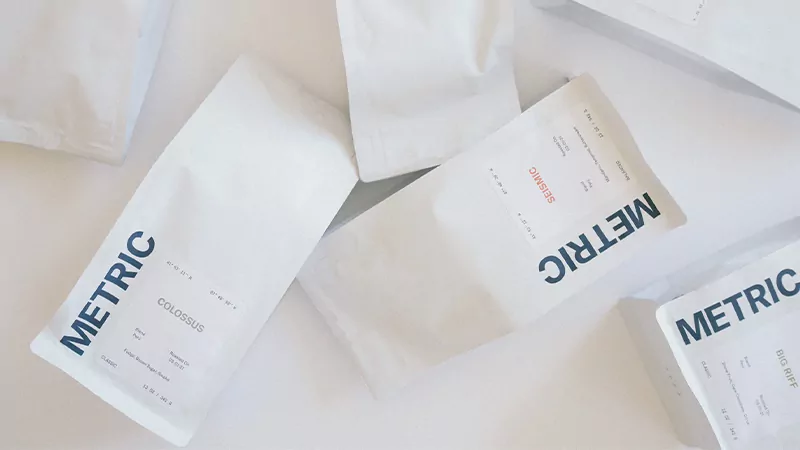
Less Material, Less Waste
Minimalist packaging gives you a clear advantage when you want to reduce waste. You use fewer materials, which means less ends up in landfills. Many major brands focus on lightweight packaging because it lowers costs and increases production efficiency. You see this trend growing as companies aim to cut down on waste and improve sustainability.
Using less material in packaging leads to reduced waste in landfills.
Lightweight packaging is a form of source reduction that lowers costs and increases production efficiencies.
This trend has been a focus for many major consumer product companies aiming to decrease waste.
Minimalist packaging design uses simple shapes and fewer layers. You can choose recyclable materials or mono-materials, which make recycling easier for everyone. When you pick minimalist packaging, you help reduce single-use plastics and support the use of biodegradable options. This shift helps waste management systems work better and protects important ecosystems.
Tip: Choosing minimalist packaging solutions with recyclable materials makes it easier for your customers to recycle and helps your brand lower its environmental impact.
Minimalism in packaging design also encourages refillable and reusable options. You see more brands offering packaging that you can use again, which cuts down on the need for new plastic. This approach appeals to environmentally conscious consumers and helps you meet your sustainability goals.
Lower Emissions
Minimalist packaging helps you lower carbon emissions throughout your supply chain. When you use less material, your shipments become lighter and more compact. You save on shipping costs and reduce fuel consumption, which means fewer CO₂ emissions.
Lighter transport packaging means lower fuel consumption during shipping.
This reduction in weight contributes to lower carbon emissions.
The entire supply chain benefits from these eco-friendly practices.
You optimize packaging design to reduce your environmental impact during production and transportation. Lightweight packaging makes handling and shipping easier, and you see direct savings in both costs and emissions. Minimalism in packaging also means you use fewer resources, which supports your brand’s commitment to sustainable packaging.
Minimizing material usage leads to lighter shipments, which require less fuel for transportation.
Optimizing packaging design reduces the overall environmental footprint during production and transportation.
Lightweighting results in lower transportation costs and reduced carbon emissions.
Minimalist packaging gives you a practical way to support sustainability and protect the environment. You make a positive difference by choosing minimalist packaging solutions that use recyclable materials and simple designs. Your brand stands out as a leader in sustainability and responsible packaging.
Principles of Minimalist Packaging Design
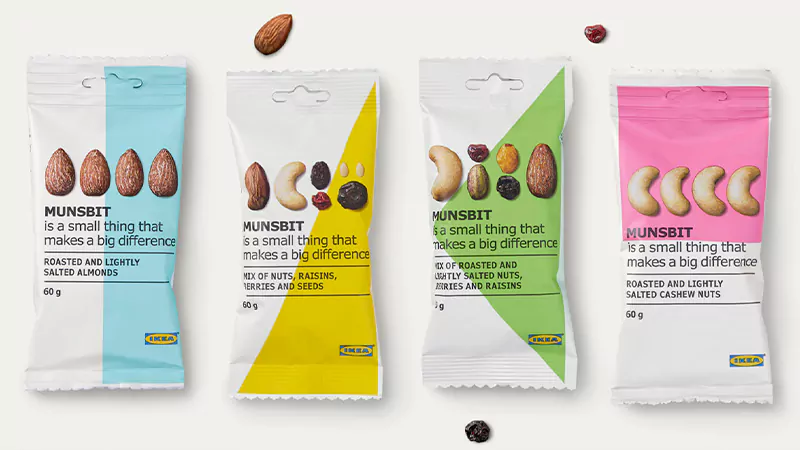
Material Choices for Sustainability
You make a big difference when you choose sustainable materials for minimalist packaging. These materials help you lower your environmental impact and support your brand’s sustainability goals. Many brands use biodegradable plastics like PLA and PHA. These break down faster than regular plastics and come from renewable resources. Recycled paper and cardboard are popular because they are lightweight, durable, and easy to recycle. Molded fiber and pulp packaging offer sturdy protection and are fully compostable. Plant-based packaging, made from seaweed or mushrooms, decomposes naturally and leaves no harmful residue. Reusable packaging solutions also help you reduce waste by allowing customers to use the same package multiple times.
Material selection in minimalist packaging design improves recyclability and compostability. When you use recyclable materials, you make it easier for customers to recycle and reduce landfill waste. Biodegradable options break down naturally, which helps protect the environment. Minimalism in packaging means you use fewer resources, which lowers shipping weights and cuts down on waste. You support sustainable practices and show your commitment to responsible packaging solutions.
Tip: Choosing minimalist designs with recyclable materials boosts your brand’s perception as eco-friendly and responsible.
Simple Structures
Minimalist packaging relies on simple structures that use fewer elements. You see clean lines, ample white space, and limited color palettes in these designs. Simplicity makes your packaging visually appealing and easy to understand. You focus on functionality, making sure every part of the package serves a purpose. Minimalist packaging solutions often use single-material construction, which improves recyclability and streamlines the packaging process.
Simple packaging structures help you reduce resource consumption during manufacturing. You use less raw material, and lightweight cartons take up less space. Compact packaging allows for bulk transportation, which lowers your carbon footprint and shipping costs. Minimalist packaging also makes your operations more efficient. You eliminate unnecessary layers and fillers, which reduces waste and optimizes shipping and storage.
Minimalist packaging design reduces material waste.
You improve recyclability with single-material solutions.
Compact designs lower transportation emissions and costs.
Minimalism in packaging design creates a strong perception of quality and care. You show your customers that you value sustainability and efficiency.
Sustainability Benefits for Brands
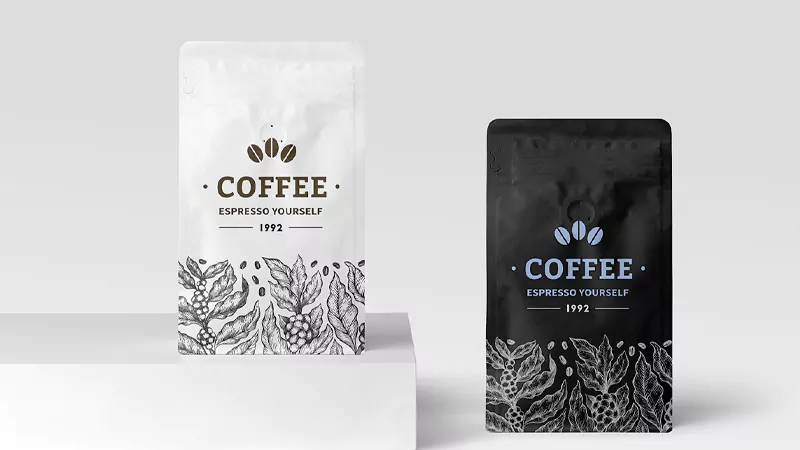
BN PACK’s Eco-Friendly Coffee Bag
You can see the power of minimalist packaging when you look at BN PACK’s custom coffee bags. These bags use simple shapes and fewer materials, which helps you lower waste and improve recyclability. BN PACK offers options like kraft paper, recyclable films, and compostable materials. You choose from stand-up, flat bottom, or side gusset designs, each made to protect your coffee and keep it fresh. The minimalist approach means you use only what you need, so you avoid extra layers and unnecessary features.
Many coffee brands now prefer minimalist packaging because it matches their values and appeals to customers who want environmentally friendly products. When you use BN PACK’s coffee bags, you show your commitment to sustainable packaging. You also improve your brand’s perception as a leader in eco-friendly practices. Minimalism in packaging design helps you stand out on the shelf and makes recycling easier for your customers.
Note: Minimalist packaging not only reduces waste but also supports your brand’s sustainability goals.
Reducing Resource Use
Minimalist packaging gives you clear benefits in resource use. You use less material, which means you cut down on waste and lower your carbon footprint. This approach also reduces shipping costs and energy use during transport. You make your supply chain more efficient and help protect the environment.
Here is a table showing how brands improve their sustainability metrics by adopting minimalist packaging:
Sustainability Metric | Improvement Description |
|---|---|
Waste Reduction | Minimalist packaging reduces excess material and simplifies designs, leading to less waste. |
Carbon Footprint | By focusing on essential components, brands lower their carbon footprint significantly. |
Shipping Costs | Reduced packaging leads to lower shipping costs due to decreased weight and volume. |
Energy Use During Transport | Simplified packaging reduces energy consumption during transportation. |
Minimalist packaging design supports your sustainability goals and reduces environmental impact. You meet consumer demand for minimalist designs and environmentally friendly products. Minimalism in packaging solutions helps you save resources, lower costs, and build a positive perception for your brand.
Business Value of Minimalist Packaging
Cost Savings
You gain clear financial advantages when you choose minimalist packaging. Brands report significant reductions in material costs after switching to minimalist packaging design. For example, a small clothing retailer saved $1,700 over 1,000 shipments by moving from traditional packaging costing $3.50 to minimalist packaging costing $1.80 per package. You also see shipping costs drop by 15-25% because lighter and smaller packages cost less to ship. Minimalist packaging reduces package size and weight, which lowers shipping fees due to dimensional weight pricing. You can optimize package dimensions and eliminate shipping air, leading to further savings.
You spend less on materials with minimalist packaging.
Shipping costs decrease because packages are lighter and smaller.
Streamlined warehouse operations make handling easier and reduce damage during transit.
When you use custom packaging solutions, you right-size boxes and avoid paying for empty space. Dimensional weight pricing means you pay for the size of the package, not just the weight. By optimizing your packaging, you lower costs and improve efficiency across your supply chain.
Tip: Choosing minimalist packaging helps you save money and resources while supporting sustainability goals.
Meeting Consumer Demand
You meet modern consumer expectations when you adopt minimalist packaging. Research shows that minimalist packaging is associated with sustainability and enhances product visibility. Consumers perceive products with minimalist designs as higher quality, which can influence their willingness to pay more. Minimalist packaging shapes consumer perception, making your brand appear more natural and premium. You foster emotional connections with customers, leading to increased brand loyalty.
Minimalist packaging appeals to eco-conscious consumers.
Simple designs help your products stand out and convey clear messages.
Consumers make quicker purchase decisions when packaging is easy to understand.
Modern consumers care about the environmental impact of their purchases. They prefer brands that emphasize sustainability and simplicity in packaging. Minimalist packaging design resonates with these values and helps you build a positive brand image. You gain a competitive advantage by aligning your packaging solutions with market trends and consumer preferences.
Note: Minimalist packaging not only reduces waste but also elevates your brand in the eyes of your customers.
Transitioning to Minimalist Packaging
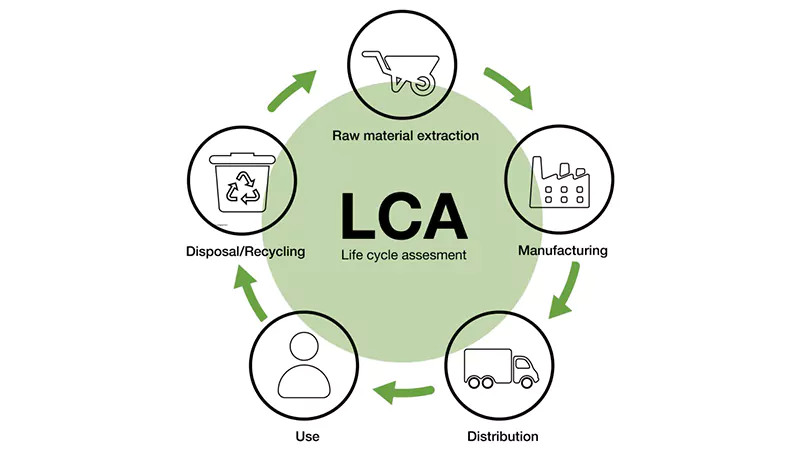
Assess Current Packaging
You start your journey toward minimalist packaging by evaluating your current packaging. A Packaging Life Cycle Assessment (LCA) helps you measure the environmental impact from raw material extraction to disposal. This assessment looks at carbon emissions, waste generation, and other key factors. You can identify where you use the most resources and where you can make improvements.
To get a clear picture, follow these steps:
Conduct a packaging and materials audit. Analyze what materials you use and how they affect the environment.
Set measurable sustainability goals. Track your progress and hold your team accountable.
Partner with suppliers who share your commitment to eco-friendly practices.
Use advanced inventory management software. This helps you optimize sourcing and reduce waste.
You can also use specific metrics to evaluate your packaging. The table below shows some important metrics and what they measure:
Metric | Description |
|---|---|
Fossil Fuel Reliance | Measures how much you depend on fossil fuels for packaging materials. |
Total Material Usage | Checks how efficiently you use materials to minimize resource consumption. |
End-of-Life Treatment | Looks at how easy it is to recycle or compost your packaging. |
Carbon Footprint | Analyzes emissions from production to disposal. |
Material Circularity | Measures how much of your packaging can be reused or comes from renewable sources. |
Tip: Regularly reviewing these metrics helps you find new ways to improve your packaging and reach your sustainability goals.
Collaborate with Experts
You do not have to make the switch to minimalist packaging alone. Packaging consultants and experts offer valuable services that guide you through the process. They help you optimize shipping and packaging systems, lower costs, and reduce product damage. Their focus on sustainability ensures your packaging meets modern standards.
Here are some ways experts can support your transition:
They help you reflect consumer values by promoting simplicity and transparency in your packaging.
They foster trust and loyalty by making your messaging clear and easy to understand.
They suggest design strategies that appeal to environmentally conscious customers.
Many brands succeed by working closely with packaging experts. For example, you can use high-quality, eco-friendly materials to enhance the product experience. You keep your messaging concise and easy to read. Neutral color palettes and bold typography create a modern look. Smart packaging solutions, like QR codes, add value for your customers.
Note: Collaborating with experts ensures your minimalist packaging solutions are both effective and appealing.
You gain both environmental and business advantages when you choose minimalist packaging. BN PACK leads the industry by combining advanced material innovations with rapid production and a strong focus on sustainability. Their minimalist packaging designs reduce waste and support your brand’s goals. You can start your journey by:
Identifying essential packaging elements.
Using sustainable materials.
Embracing simple, functional designs.
Strategy | Description |
|---|---|
Right-sizing | Tailor packaging to fit products, reducing excess material and waste. |
Collaborative Design | Work with suppliers to balance protection and efficiency in packaging. |
Take the next step by reviewing your current packaging and partnering with experts like BN PACK to create solutions that benefit your brand and the planet.