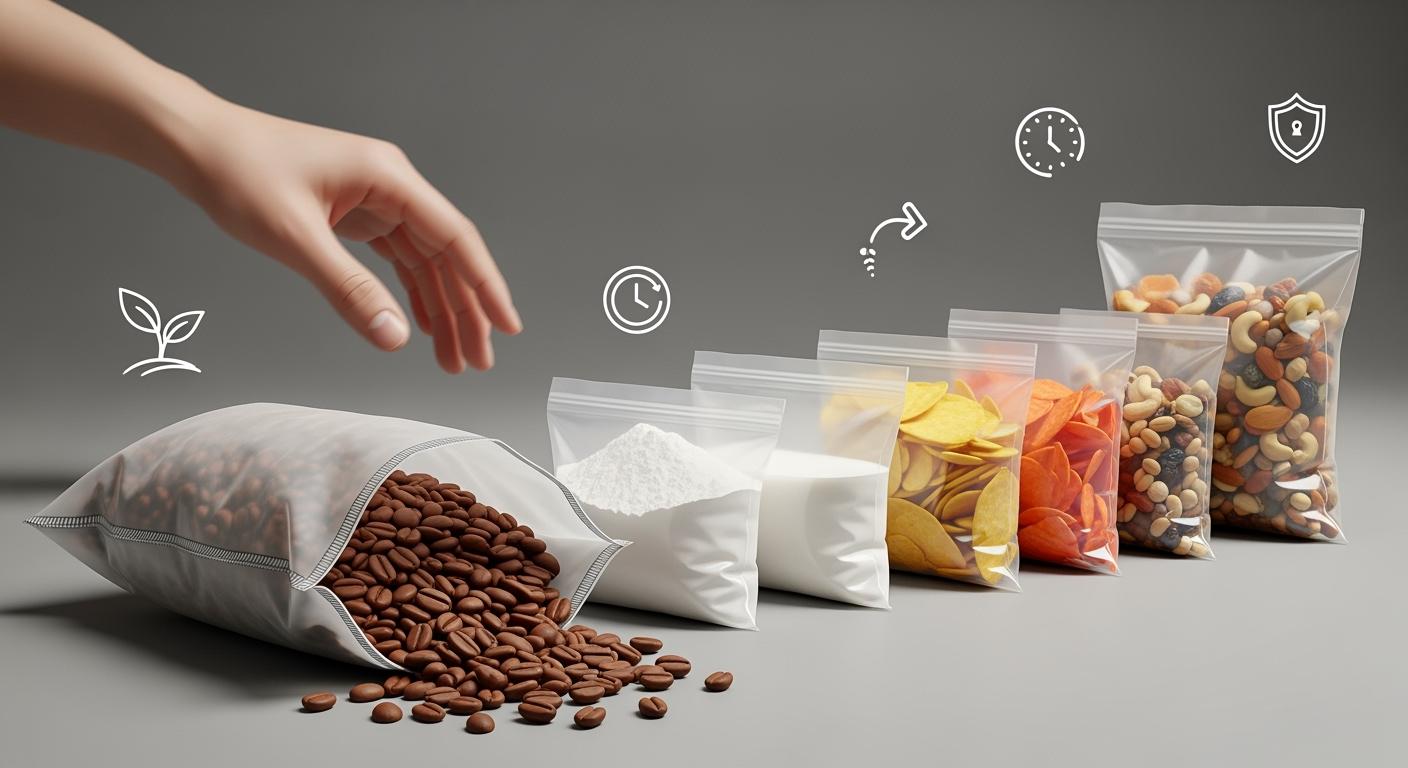
You see pillow bag packaging in many places in the food industry, like with chips and powdered milk. This packaging helps keep food safe and fresh. It works for liquids, solids, and powders. In the last ten years, more people want pillow bags in the food industry. People are busy and want things to be easy, so these packages are very popular in food and drinks. Snack makers and other food brands use pillow bags because they protect food and are good for eating on the go.
Pillow Bag Packaging Overview
What Is Pillow Bag Packaging?
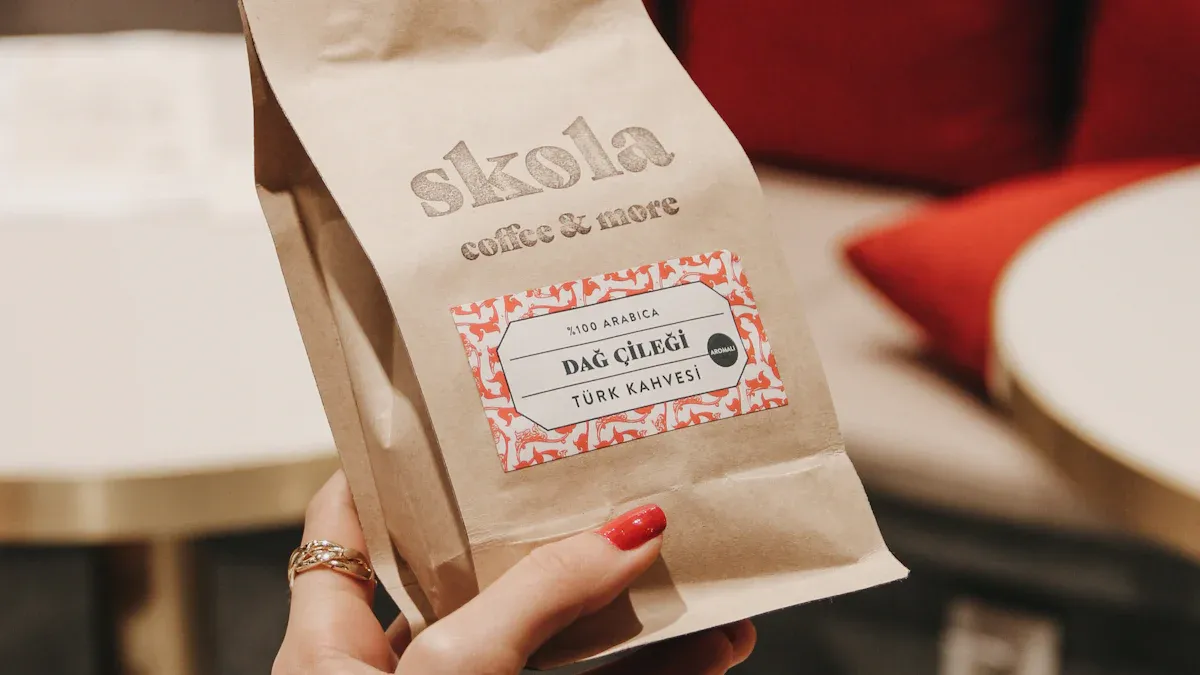
You can find pillow bag packaging in many stores. It looks like a small pillow with seals at the top and bottom. This shape makes it fast to fill and close. People use pillow bag packaging for snacks, powders, and liquids. Food companies pick this style because it keeps food safe and fresh.
Pillow pack packaging is good for dry and wet foods. You might see chips, cookies, or candy in these bags. Bakeries put muffins and breads in pillow pack packaging. Coffee, tea, and drink mixes also use this packaging. The material blocks water and smells, so food stays good.
Tip: Pillow pouch packaging is also used for medicine and personal care items, not just food.
Key Features and Benefits
Pillow bag packaging has many helpful features. The table below lists the main things you should know:
Characteristic | Description |
|---|---|
Versatility | Works for many products in food and medicine industries. |
Efficiency | Fast wrapping process saves time and resources. |
Cost-Effectiveness | Light and cheaper than hard packaging. |
Protection | Seals keep out dust, water, and germs, making food last longer. |
Visual Appeal | Clear films and bright designs help people see and remember the brand. |
There are many good things about pillow pack packaging. It costs less than other types because it uses light materials. You can print bright colors and logos on the bag to help your brand. The sealed bag keeps air and light out, so food stays fresh longer.
Advantage | Description |
|---|---|
Cost-Effectiveness | Light materials lower costs, so pillow bags are cheap. |
Flexibility in Design | You can print bright colors and pick different sizes for your brand. |
Product Freshness and Protection | The strong bag keeps out water, air, and light, so food stays safe and lasts longer. |
Pillow bag packaging is a safe, flexible, and nice-looking way to pack products. You can use it for many foods, and it helps keep them fresh and looking good for buyers.
Applications of Pillow Bag Packaging
Snacks and Confectionery
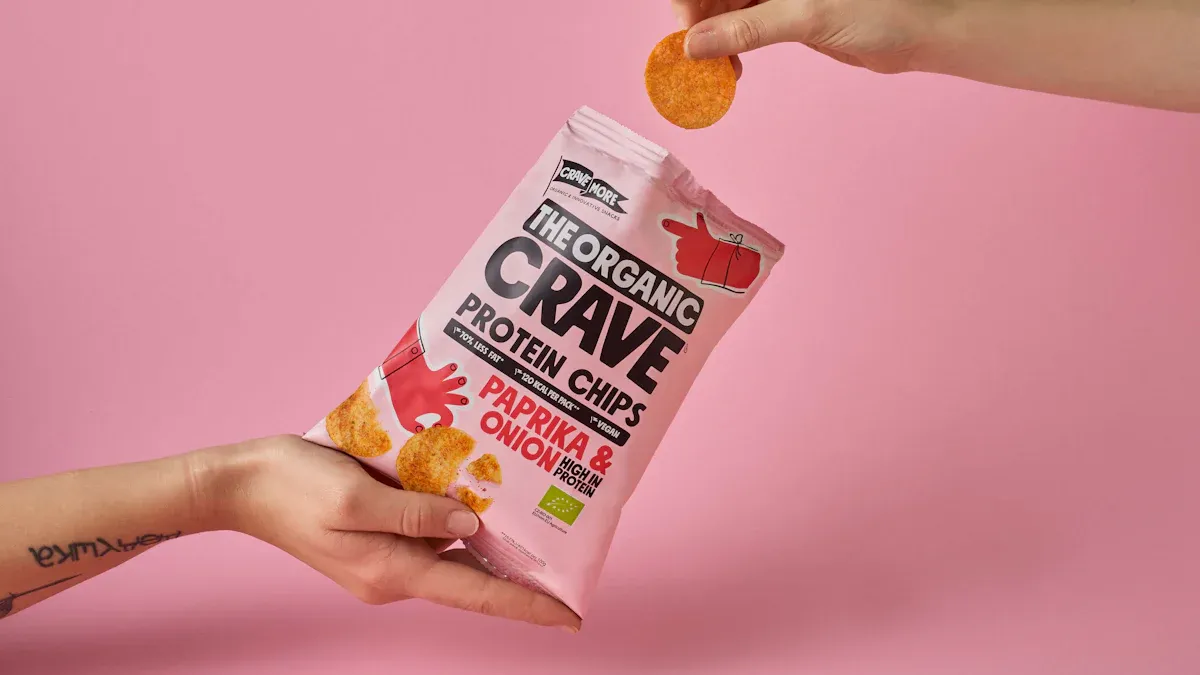
You can spot pillow bag packaging in snack aisles everywhere. This packaging keeps snacks like chips, crackers, and popcorn fresh and crunchy. The airtight seal stops air and water from getting in. This helps snacks stay crisp for a longer time. These bags are light, so you can carry them easily. Snack packaging like this lets you enjoy treats without worrying about them going stale.
Here are some ways pillow pouches are used for snacks and sweets:
Chips
Crackers
Popcorn
Cookies
Candy
Pillow bag packaging is also good for candies and chocolates. You find old favorites, bulk candy, fancy chocolates, and gummies in these bags. Snack mixes use pillow pouches to keep sweet and salty snacks fresh.
Product Type | Description |
|---|---|
Candies | A special mix with old favorites, bulk candy, fancy chocolates, gummies, and more. |
Chocolates | Many kinds of chocolates packed in pillow bags. |
Snack Blends | Tasty mixes for people who like sweet and salty snacks. |
Note: Pillow bags use materials like polypropylene and metalized films. These materials keep snacks safe from water, light, and air.
Evidence Description | Details |
|---|---|
Barrier Properties | Pillow bags use materials like polypropylene and metalized films to protect snacks from water, light, and air. |
Airtight Seal | The airtight seal helps stop food from spoiling. |
Flexible Design | The soft bag helps snacks stay crunchy. |
Dairy and Powdered Foods
You see pillow bag packaging with many dairy foods. Yogurt, cheese, and sour cream often come in these bags. Milk powder uses pillow pouches to stay fresh. The packaging keeps out air and water, which helps food last longer. You can trust these bags to keep dairy foods safe and tasty.
Yogurt
Cheese
Sour cream
Milk powder products
Pillow bag packaging keeps dairy foods safe from air, water, and light. This helps food stay fresh and last longer. You see pillow pouches used for both liquids and powders. The top and bottom seals keep everything inside, so you get good quality every time.
Tip: Good packaging for dairy foods keeps out air and water. This is important for making food last longer.
Coffee, Tea, and Beverages
Coffee and tea need special packaging to stay fresh. Pillow bag packaging uses layers of film to block water, air, and light. This keeps the taste and smell safe for longer. Tea bags, coffee pods, and instant mixes use pillow pouches because they work for dry and wet foods.
Application | Description |
|---|---|
Food & Beverage | Used for snacks, tea bags, coffee pods, and instant mixes. It keeps out water and smells. |
Versatility | Works for many foods, from dry to wet or oily. |
Resealability | You can close the bag again to keep food fresh. |
You can use resealable zippers and peel-and-seal features. These help keep coffee and tea fresh after you open the bag. Pillow bag packaging lets carbon dioxide leave coffee but keeps air out. This helps keep coffee fresh and tasty.
Gas can leave coffee bags through the material.
Zippers let you close the bag again to keep food fresh.
Strong bags help with shipping and storage.
Pillow pouches are a top choice for tea and coffee because they keep flavor and quality. You also see these bags for instant drink mixes and other drinks.
Baked Goods and Frozen Foods
Bakeries use pillow bag packaging for muffins, breads, and pastries. Frozen foods like vegetables, fruits, and ready meals also use these bags. The packaging keeps out water, air, and dirt. You can pack many shapes and sizes because the bags are soft.
Muffins
Breads
Pastries
Frozen vegetables
Frozen fruits
Ready meals
Pillow bag packaging helps stop freezer burn. The strong barrier keeps frozen foods fresh and safe. You waste less food because the packaging helps frozen items last longer. The light bags cost less to ship and use less energy.
Note: Pillow bag packaging is very popular for baked goods and frozen foods. You get fresh, good quality, and easy-to-use packages every time.
Benefits of Pillow Pack Packaging
Barrier Protection and Freshness
You want your food to stay safe and fresh. Pillow pouch packaging gives strong protection. These pouches use laminated films. The films block moisture, oxygen, and light. This keeps your food tasting good. It also helps food last longer. The tops and bottoms are heat-sealed. This stops air and water from getting inside. Your food stays fresher than with other packaging. Many pillow pouches can be resealed. You can open and close the bag many times. Your food stays fresh each time.
Here is a table that shows how materials protect products:
Material Type | Barrier Properties | Applications |
|---|---|---|
Aluminum | Stops light, moisture, and oxygen very well | Used for medicines and medical devices |
Laminated Films | Blocks moisture, oxygen, and light | Used for many consumer products |
Flexible packaging pouches made from these materials keep food safe. This is a big benefit for the food industry.
Laminated films keep out moisture, oxygen, and light.
These pouches are light and easy to change.
They help food last longer and cut down on waste.
Tip: Pillow pouch packaging helps keep food fresh. This means less waste and better taste.
Cost-Effectiveness and Efficiency
You save money with flexible packaging pouches. These pouches use less material than hard containers. This lowers production costs. They are lighter, so shipping costs less. Machines fill and seal these pouches quickly. The machines do not jam often. You can pack more products in less time.
Here is a table that shows how you save money:
Cost Saving Aspect | Description |
|---|---|
Reduced Material Costs | Uses less material than hard packaging, so costs go down. |
Lower Freight Charges | Lighter weight means shipping is cheaper. |
Improved Operational Efficiency | Faster filling and fewer jams save time and money. |
Pillow pouch packaging helps you work faster. Machines make, fill, and seal the pouches automatically. This means less manual labor. It also lowers mistakes. You can use these pouches for solids, powders, and semi-solids. This makes them a smart choice for many foods.
Benefit | Impact on Production Efficiency |
|---|---|
Minimizes manual labor | Cuts labor costs and mistakes |
Optimizes resources | Makes work faster and reduces waste |
The whole process is automatic, from making to sealing.
You can use these pouches for many foods.
Production is faster and costs are lower.
Shelf Appeal and Branding
You want your products to stand out in stores. Flexible packaging pouches give you many design choices. You can print bright colors, logos, and clear labels. This helps shoppers see your products. It also helps them remember your brand. The pillow pouch shape looks modern and high-quality.
Influencing Factor | Description |
|---|---|
Brand Consistency | Matching designs help people know your brand. |
Transparent Communication | Clear labels help shoppers trust your products. |
Premium Aesthetics | Sleek designs make products look special and valuable. |
You can customize pouches with your brand’s colors and artwork. You can even make special editions. This makes your products more exciting. It can make people want to buy them. The shape and design help your products stand out in stores and online.
“Pillow pouch packaging lets you share your brand story. You can show your values and mission. This helps you connect with shoppers.”
You can add logos, colors, and artwork to pouches.
The special shape helps your products get noticed.
Cool designs can make shoppers want to buy right away.
Flexibility and Handling
Flexible packaging pouches give you many choices for size and shape. You can pick the best pouch for your food. This works for solids, powders, or liquids. This flexibility helps you meet different needs. Manufacturers and stores like these pouches. They are easy to store, move, and display.
Feature | Description |
|---|---|
Versatility | Works for many solid products. |
Cost-effectiveness | Good for businesses of all sizes. |
Flexible design makes storage easy.
Simple to move and transport.
Helps you display products neatly.
The flexible design makes pillow pouches easy to store and move. You can display many products on shelves. This is good for both makers and buyers.
You can pick eco-friendly materials for your pouches. This helps the environment. Many brands use eco-friendly options now. This shows they care about the planet. Choosing eco-friendly pouch packaging can help your business stand out. It also attracts shoppers who care about the earth.
Material Choices for Pillow Pouch Packaging
Common Materials Used
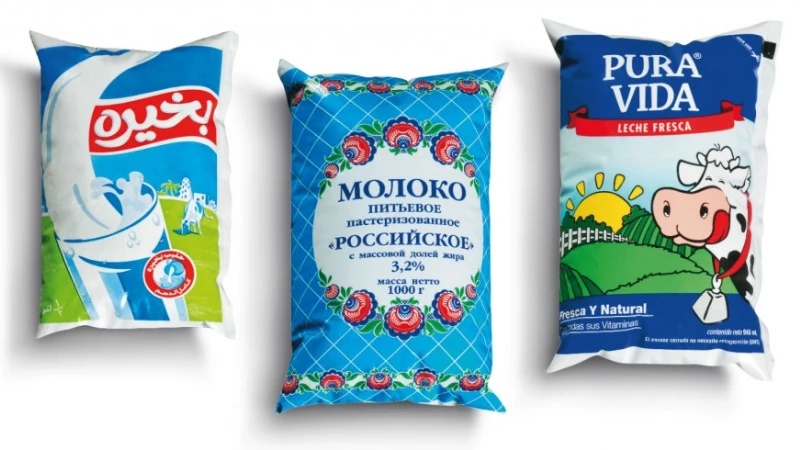
When you pick pillow pouch packaging, you should know about the materials. These materials help keep food safe and fresh. You see these materials a lot in food packaging. Flexible films make a strong barrier. Polyethylene and polypropylene are light and easy to seal. Aluminum gives extra protection from light and air.
Flexible films
Polyethylene
Polypropylene
Aluminum (for added protection)
Each material does something special. Flexible films block water and air. Polyethylene and polypropylene make the bag light and easy to close. Aluminum helps protect food that needs to stay safe.
Tip: Pick the material that fits your product’s needs. Some foods need more protection than others.
Safety and Shelf Life
The materials you choose affect how safe your food is. They also change how long your food stays fresh. You want your food to last as long as possible. The table below shows how each material works:
Material Type | Effect on Product Safety | Effect on Shelf Life |
|---|---|---|
High-barrier films | Stops moisture, light, and oxygen | Makes food last longer |
Foil laminates | Gives extra protection from outside stuff | Keeps food safe for longer |
Kraft paper | Basic protection | Food lasts a little longer |
High-barrier films and foil laminates give the best protection. They keep out water, light, and air. Kraft paper works for foods that do not need much protection.
Sustainability Options
You might want to use eco-friendly materials for packaging. Many companies look for ways to help the planet. There are choices that protect food and help the earth. Here are some options:
Material Type | Description | Features |
|---|---|---|
Compostable Laminate | Made from plants (up to 90%) | Breaks down at home, blocks moisture |
Recyclable Bio-Based Laminate | Made from plants (up to 70%) | Can be recycled, blocks moisture |
Recyclable Mono-Material Laminate | Can be recycled (LDPE) | Clear, holds up to 10KG |
Recyclable PCR Laminate | Made from recycled stuff (up to 85%) | Can be recycled, very clear |
You can also pick:
Compostable materials like polylactic acid (PLA) that break down.
Recyclable films such as polyethylene (PE) and polyethylene terephthalate (PET).
Bioplastics and plant-based materials like corn starch.
Eco-friendly packaging helps you cut down on waste. It shows customers you care about the planet. These choices work for many foods and support your brand’s promise to help the environment.
Selection Criteria for Pillow Pouch
Product Needs and Packaging Size
First, think about what your product needs. Every product is different in weight, shape, and feel. These things help you pick the right pouch size and style. Snacks need a pouch that keeps them crunchy. Powders need a pouch that stops them from sticking together. You should also think about how people will use the pouch. Will they eat while traveling or keep it at home? Try out sample packs to see which size and style works best before you decide.
Look at your product’s weight and type.
Think about how people will open and use the pouch.
Try sample packs to find the right fit.
Barrier Properties and Shelf Life
Barrier properties are important for keeping food fresh. Good packaging stops water, air, and light from getting in. This helps stop mold and bacteria from growing. It also keeps out bad smells and keeps the taste and smell safe. If you want your food to stay fresh, pick pouches with strong barrier layers. These layers help food last longer and taste better.
Water barriers stop mold and bacteria.
Air barriers keep food fresh and stop spoilage.
Light barriers protect foods that are sensitive.
Branding and Customization
You can make your packaging special with custom designs. There are many ways to show your brand and get people’s attention. You can pick different materials, printing styles, and cool features. The table below shows some popular choices:
Category | Options |
|---|---|
Material | PE, PP, PET, Aluminum Foil, Paper Laminate, Degradable Materials, Composite film |
Printing | Full color, Single/multi-color, Glossy/matte, Gradient, Laser/gold/silver foil, Partial UV |
Functional Design | Easy tear, Hanging hole, Exhaust valve, Window, Anti-static, Anti-UV |
Sealing Method | Back seal, Double seal, Folded Seal, Fin Seal |
You can also add zippers that close again or easy-tear edges. These features help people keep food fresh after opening.
Sustainability and Regulations
Caring for the planet is important in food packaging. You can choose packaging made from compostable or recyclable stuff. Things like polylactic acid (PLA) and bioplastics help cut down on waste. Recyclable films like PE and PET help with recycling. Picking eco-friendly packaging shows you care about the earth.
You also need to follow food safety rules. The FDA checks that packaging is safe for food. The Food Safety Modernization Act (FSMA) has strict rules to stop contamination. Always pick materials that do not let out harmful chemicals.
Tip: Choose packaging that is safe and good for the planet. This helps keep your food safe and makes customers trust you.
Picking the best packaging can help your business grow. Pillow bag packaging works well for lots of products. It gives you many uses, saves time, and keeps things safe.
You can change the look to fit your brand.
Green choices help you keep up with what buyers want.
Special things like easy-close tops and see-through spots make it easier to use.
Always think about what your product needs, how long it should last, and how it looks before you pick packaging. Good choices help you throw away less food and keep it fresh longer.