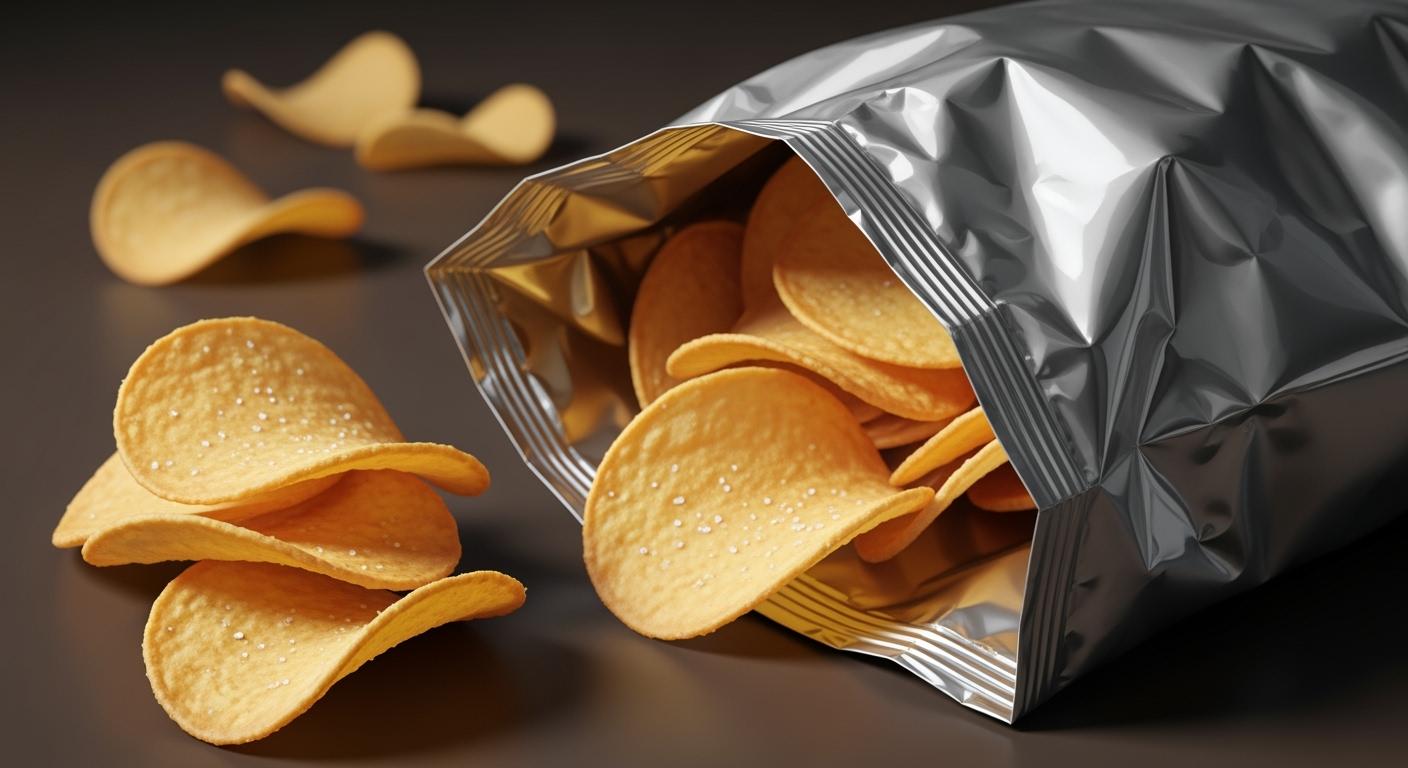
You want your potato chips in bag to stay fresh and crunchy. The right bag stops air, moisture, and light from getting in. It uses special materials, a tight seal, and nitrogen gas. These things work together to keep chips from going stale. They help chips stay crisp for a long time.
Advanced packaging helps chips in bag last longer.
Barrier layers, like aluminum foil, stop oxygen and light.
Some bags can keep potato chips in bag fresh for more than a year.
New materials, like selenium nanoparticles, help stop spoilage even better.
Threats to Potato Chips in Bag
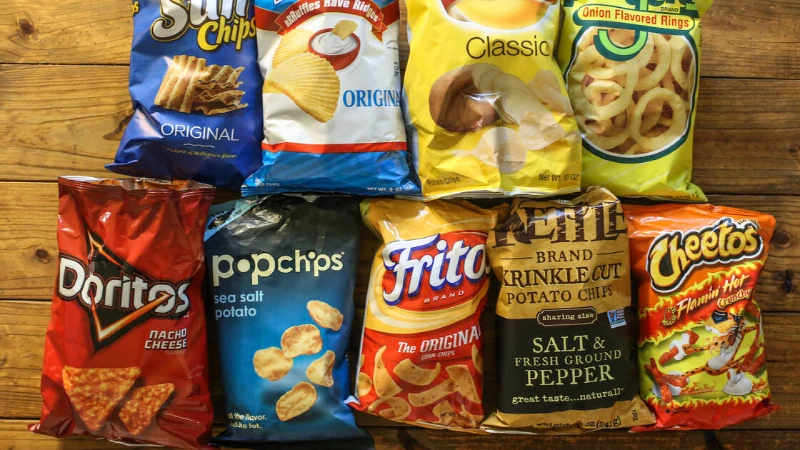
When you open a bag of potato chips in bag, you want them to be fresh and crunchy. But many things in the environment can ruin this. Moisture, oxygen, light, and pressure can all hurt the quality of potato chips in bag. Advanced packaging helps keep your snack safe from these problems.
Moisture and Staleness
Moisture is a big problem for potato chips in bag. If water gets inside, chips lose their crunch and get soggy. You might taste staleness or feel a limp chip. Here is what moisture does to your chips:
Moisture getting in makes potato chips in bag soggy and not crunchy.
Water activity, not just how much water, changes the texture of potato chips in bag.
High water activity lets bacteria and mold grow, which spoils chips and makes them last less time.
Low water activity keeps chips safe from germs and helps them last longer.
Water activity also makes fat break down faster, which changes taste and freshness.
Oxygen and Flavor Loss
Oxygen can get into potato chips in bag and cause trouble. It reacts with the oils in chips and makes them taste old. Oxygen also helps bacteria and mold grow. When oxygen gets in, you lose the fresh taste and crunch you want.
Light and Quality Degradation
Light can hurt potato chips in bag by breaking down fats and vitamins. This can change the color and taste of your chips. Light also makes nutrients go away faster. You want your chips to look and taste good, so blocking light matters.
Crushing and Physical Damage
Physical damage is another problem for potato chips in bag. If the bag gets squeezed or dropped, chips can break into small pieces. No one likes opening a bag and seeing only crumbs. Strong packaging helps keep chips from getting crushed.
Table: How Packaging Interacts with Potato Chips in Bag
Type of Interaction | Description | Impact on Quality |
|---|---|---|
Migration | Contaminants or additives move from packaging to food | Can change flavor and safety |
Permeation | Gases like oxygen or carbon dioxide move through | Changes freshness and carbonation |
Sorption | Aroma and flavor compounds get absorbed | Changes how chips taste and smell |
You can see potato chips in bag face many problems. Advanced packaging is needed to keep your snack fresh, crunchy, and safe to eat.
Barrier Materials to Maintain Freshness
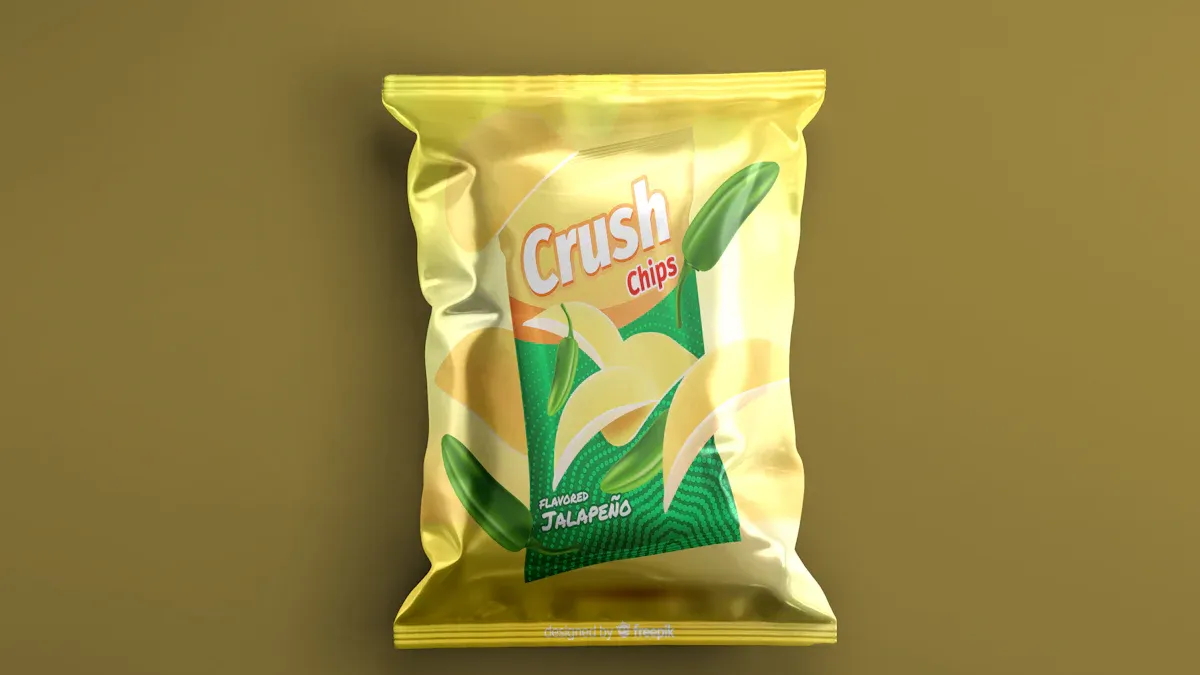
When you grab a bag of potato chips, you want them to taste fresh and crunchy. Barrier packaging is the secret to keeping chips that way. This packaging uses special layers to protect chips from air, moisture, and light. Each layer has its own job. All the layers work together to keep chips safe and tasty for a long time.
Multi-Layer Films and Foils
Manufacturers use several layers of film and foil to protect potato chips. These layers form a strong shield against things that can ruin chips. Here is a table that shows what each layer does:
Layer Type | Material | Thickness (microns) | Key Properties |
|---|---|---|---|
Inner Sealing Layer | LDPE | 50 | Lightweight, good chemical resistance, recyclable |
Barrier Layer | VMPET | 12 | High barrier against moisture and oxygen |
Outer Layer | Matte BOPP | 18 | Smooth surface, enhances visual appeal |
The inner sealing layer keeps the bag closed tightly. The barrier layer blocks moisture and oxygen from getting in. The outer layer makes the bag look nice and adds strength. These layers work as a team to keep every chip crispy.
Moisture and Oxygen Barriers
Strong barriers are needed to stop chips from getting soggy or stale. Different materials have different strengths. Some block water better, while others stop oxygen. Scientists tested these materials and found out some important things:
The barrier properties of packaging materials really affect food quality during storage.
CO2 transmission rate (CO2TR), oxygen transmission rate (O2TR), and water vapor transmission rate (WVTR) show how well a material works.
T-Bio had the lowest CO2TR, so it is a strong barrier.
EVOH layers in multi-layer films are great at blocking oxygen, with O2TR less than 1 cm³/m²/day.
T-STD220, T-PET, and T-Bio had similar WVTR values, so they all block water vapor well.
Paper tray film (T-P) had a much higher WVTR because it lets more water through.
Using packaging with the right barriers keeps moisture and oxygen out. This helps chips stay crunchy and taste good.
Light-Blocking Layers
Light can make chips lose their crunch and flavor. Barrier packaging often has a layer that blocks light. This layer keeps fats and vitamins from breaking down. It also helps chips keep their color and taste. Your snack is better because the packaging protects against light.
Barrier packaging acts like a shield for potato chips. Each layer does something special. One layer keeps out moisture, so chips do not go stale. Another layer blocks oxygen, so chips keep their flavor and crunch. Using many layers helps chips stay fresh and last longer.
The barrier properties control how gases and moisture move in and out. Modified atmosphere packaging creates the best place for chips. It slows down fat breakdown and keeps chips tasting fresh. Packaging machines make airtight seals to keep air and water out. The materials in these machines have strong barriers, so chips stay crispy for a long time.
When you pick chips in a bag with advanced barrier packaging, you get a snack that stays fresh, crunchy, and safe. The right barriers are very important for keeping chips fresh and crispy.
Airtight Seals and Nitrogen Flushing for Potato Chips
Importance of Airtight Packaging
You want your potato chips to be crunchy and fresh. This happens because the bag has an airtight seal. The seal keeps out air and moisture. This helps protect the chips inside the bag. The packaging is made to stop water and oxygen from getting in. When the seal is strong, chips do not get soft or wet. The flavor also stays in the chips for a longer time.
Good sealing stops chips from getting soggy.
Airtight seals keep air out, so chips stay crisp.
Moisture-proof packaging helps chips last longer and stay safe.
Look at the table below to see how airtight packaging helps chips stay crunchy:
Feature | Benefit for Chips |
|---|---|
Airtight Seal | Keeps chips crispy |
Moisture Control | Keeps chips crunchy |
Light Protection | Helps chips stay good |
You get the best taste and crunch when air and water stay out. That is why sealing is so important for potato chips.
How Nitrogen Flushing Works
Potato chip bags feel puffy because of nitrogen flushing. This means the bag is filled with nitrogen gas before it is closed. Nitrogen takes the place of oxygen inside the bag. Oxygen can make chips go stale and helps germs grow. Nitrogen keeps chips fresh and safe to eat.
Nitrogen pushes out oxygen, so bacteria cannot grow.
No oxygen means chips do not spoil or lose taste.
Nitrogen flushing helps chips last longer and stay safe.
Nitrogen does not change how chips taste or smell. It just protects the chips. This keeps them crunchy and fresh for a long time.
Preventing Staleness and Microbial Growth
You want chips to taste good and be safe to eat. Airtight packaging and nitrogen flushing work together to stop chips from going stale. They also stop bad germs from growing. When air and water are blocked, fats break down slower and chips stay crunchy. Nitrogen flushing takes away oxygen, so bacteria and mold cannot spread.
Airtight seals keep air and water out, so chips do not get stale.
Nitrogen flushing makes chips last longer by stopping spoilage and germs.
Strong seals help chips stay fresh and safe for you.
Advanced packaging uses airtight seals and nitrogen flushing. These things help chips last longer and taste better. You get potato chips that are crunchy, tasty, and safe every time you open the bag.
Advances in Potato Chips Packaging
Eco-Friendly Packaging Options
You may see more potato chip bags made from eco-friendly stuff. Companies want to make less trash and help the earth. These new bags use plant films or kraft paper with special covers. They have a smaller carbon footprint, sometimes 40-60% less than normal plastic bags. Picking these bags helps the environment.
Potato chip bags made from plants are good for dry snacks that last less than 18 months.
Kraft paper bags with bio coatings stop grease and look nice. They are easy to print on, so brands like them.
These bags are great for people who care about the earth and work well for small amounts.
But, eco-friendly potato chip bags do not always keep chips safe like regular plastic. Plastic bags still block moisture and oxygen best. This means they keep chips fresh and tasty longer. Companies are working to make eco-friendly bags better, so you can have fresh chips and help the earth.
Smart Packaging Innovations
Potato chip bags now use smart tech to keep chips fresh and tasty. You get new features that protect your snack from air, water, and light. Here are some of the newest ideas:
Technology Type | Description |
|---|---|
Modified Atmosphere Packaging (MAP) | Changes the air inside potato chip bags by adding gases like nitrogen or carbon dioxide. This slows down spoilage and keeps chips fresh. |
Advanced Sealing Techniques | Uses ultrasonic sealing to make potato chip bags airtight. This stops air and water from getting in, which helps chips stay crisp and high in quality. |
Intelligent Packaging Systems | Sensors inside potato chip bags check the air and moisture. They adjust the inside conditions to keep chips fresh and safe. |
Smart Packaging Design | Resealable potato chip bags let you close the bag after opening. This keeps the remaining chips fresh and crunchy. Different sizes also fit your needs. |
You also see vacuum sealing and nitrogen flushing in chip bags. Vacuum sealing takes out air, so chips do not get stale. Nitrogen flushing puts nitrogen gas in, which stops germs and keeps chips crunchy. Some factories control heat and wetness during packing. This stops chips from getting wet and losing crunch.
Tip: Pick potato chip bags with resealable tops or special seals. These help you keep chips fresh after you open the bag.
Potato chip bags keep getting better. You get snacks that stay fresh, taste good, and are better for the planet.
Potato Chips Packaging Machine and Quality Control
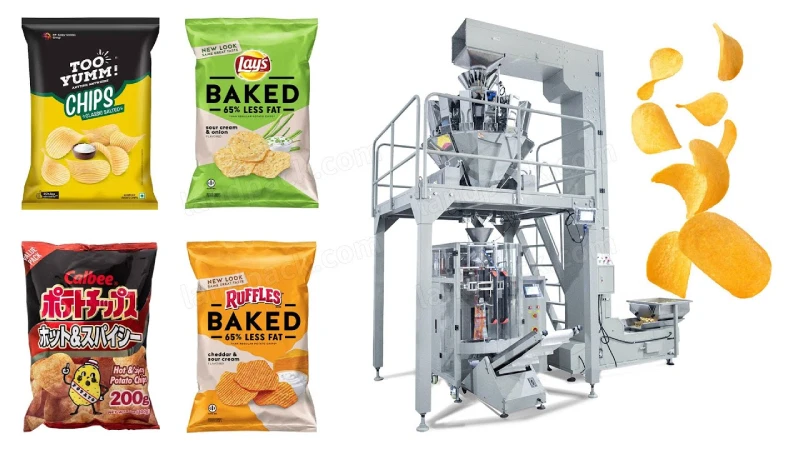
Consistent Sealing and Filling
You want your chips to taste fresh and crunchy. The potato chips packaging machine helps make this happen. It uses new technology to seal bags tight. This stops air and water from getting in. Chips stay safe and last longer. The machine works quickly and fills each bag with the right amount. Every bag has the same quality.
Here is how the potato chips packaging machine works:
Weighing – The machine puts the right amount of chips in each bag using a multi-head weigher.
Bag forming – Film rolls turn into bags inside a vertical form-fill-seal machine.
Filling – The machine drops chips into each bag.
Sealing – Heat closes the bag tightly, making it sealed.
This process gives you many benefits:
Sealing technology keeps bags airtight, so chips stay crisp.
Multi-head weighers stop bags from having too many or too few chips, which helps chips last longer.
The machine does everything by itself, so there are fewer mistakes and better packaging.
Fast packaging means more bags are made, but quality stays high.
The machine also uses nitrogen gas. Nitrogen pushes out oxygen from the bag. This keeps chips from going stale and gives a soft cushion. Strong packaging and air make the bag puffy. This helps chips not get crushed when shipped.
Tip: Sealed bags are very important for keeping chips crunchy and making them last longer.
Detecting Packaging Defects
You want your chips to be safe and fresh. Quality control checks every bag before it leaves the factory. The machine helps find problems early. Workers look at the chips and taste them to check if they are good. If a bag is not sealed right or has the wrong amount, the machine finds it and takes it away.
Chips are stored in cool, dry places before shipping. This helps chips last longer and keeps them fresh. You get chips that taste good and stay fresh for a long time.
Quality Control Step | Purpose | Impact on Product Shelf Life |
|---|---|---|
Visual Inspection | Finds broken or underfilled bags | Stops chips from going stale |
Taste Test | Checks flavor and crunch | Makes sure chips are fresh |
Climate-Controlled Storage | Keeps chips dry and cool | Helps chips last longer |
You can trust the machine and sealed bags work together. They help chips stay crunchy and fresh in every bag.
You get potato chips that are fresh and crunchy because of special packaging. These packaging materials work like a shield to keep chips safe. They stop water, air, and light from getting in. This strong barrier helps chips stay good. Nitrogen flushing takes out oxygen and keeps chips crisp. Packaging machines close each bag tightly, so chips last longer.
Snack packaging materials protect potato chips from getting ruined.
Packaging helps your snack taste good and stay fresh.
Nitrogen flushing and tight seals give the best protection.
When you open a bag, think about the science and care that keeps every potato chip crunchy.