
The sports nutrition market is no longer built only around large tubs of protein powder. Today’s consumers want convenience, portion control, flavor variety, and easy access to nutrition wherever they train, work, travel, or recover. This shift is making the single serve protein powder sachet one of the most attractive packaging formats for modern nutrition brands.
From gym bags and office drawers to subscription boxes and eCommerce sample kits, single-portion formats are changing how customers discover, use, and repurchase protein products. For brands, the value goes far beyond packaging size. A protein powder stick pack or 4-side seal sachet can support product trials, reduce buyer hesitation, increase flavor testing, and create a more flexible DTC sales model.
The Rise of Single-Serve Protein Powder Packaging
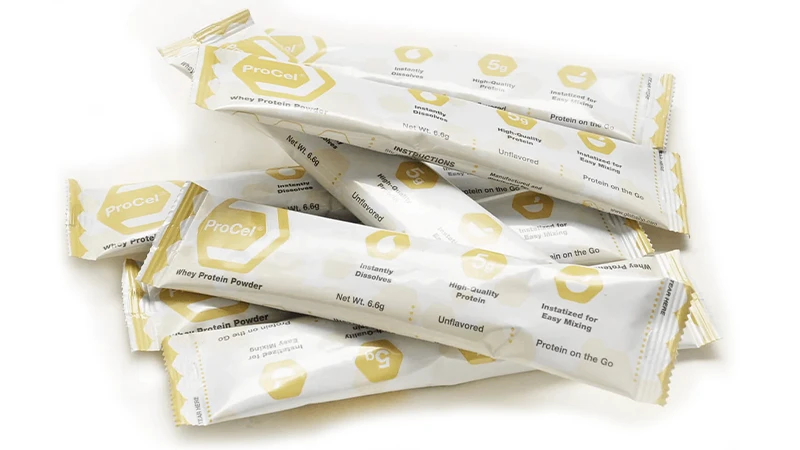
For many years, protein powder was sold mainly in jars, tubs, and large stand-up pouches. These formats still work well for loyal customers who already know the brand, flavor, and formula they prefer. However, they are not always ideal for first-time buyers.
A large container requires a higher upfront purchase commitment. If the customer dislikes the flavor, texture, sweetness level, or mixability, the experience becomes wasteful and frustrating. Single-serve packaging solves this problem by lowering the barrier to trial.
A single serve protein powder sachet gives consumers one exact serving in a lightweight, easy-to-open pack. It allows them to test a product before buying a full-size pouch or tub. For brands competing in a crowded sports nutrition market, this small format creates a powerful entry point.
Why 4-Side Seal Sachets Are Becoming a Preferred Format
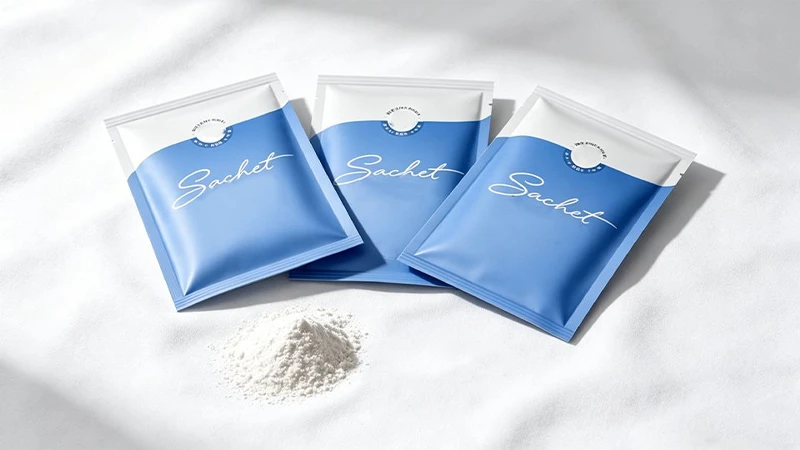
Among single-serve options, the 4-side seal sachet has become especially popular for protein powder. This format seals the powder from all four edges, creating a flat, compact, and efficient pack that is suitable for powder filling, shipping, and display.
The structure is simple, but the commercial value is strong. A 4-side seal sachet can protect protein powder from moisture, oxygen, odor transfer, and contamination when made with the right barrier materials. It also supports accurate portion packing, which is essential for nutrition products where serving size matters.
Compared with rigid packaging, sachets are lighter and take up less space. Compared with large flexible pouches, they are easier to distribute as samples, bundle packs, travel packs, and promotional kits. This makes them highly suitable for whey protein, plant-based protein, collagen powder, recovery blends, meal replacement powders, and functional nutrition mixes.
Convenience Is Driving Consumer Adoption
One major reason single-serve protein packaging is growing quickly is convenience. Modern sports nutrition consumers are not limited to bodybuilders or professional athletes. They include busy professionals, casual gym users, runners, cyclists, students, travelers, and wellness-focused consumers.
These buyers often want nutrition that fits into their lifestyle without extra preparation. A protein powder stick pack can be placed in a gym bag, handbag, office drawer, backpack, or travel kit. The user only needs to tear the pack, pour the powder into a shaker or bottle, add water or milk, and mix.
This convenience supports multiple use cases. After a workout, the consumer can take one serving immediately. During work, they can use it as a quick nutrition boost. While traveling, they can avoid carrying a bulky container. For meal replacement products, single-serve sachets also make calorie and portion control easier.
Better Fit for Post-Workout Recovery and On-the-Go Nutrition
Post-workout recovery is one of the strongest use cases for single-serve sachets. After training, consumers often want quick access to protein without measuring scoops or carrying a full container. Sachet packaging removes that friction.
Each pack contains a pre-measured serving, helping users stay consistent with their nutrition routine. This is especially valuable for products positioned around recovery, muscle support, hydration, endurance, or daily wellness.
Single-serve packs also work well for consumers who do not use protein powder every day. Some buyers only need protein after training sessions, while others use it during travel, hiking, cycling, or busy workdays. For these customers, a box of single-serve sachets may feel more practical than a large pouch that sits on the shelf for months.
Flavor Variety Is a Major Growth Driver
Flavor is one of the biggest purchase factors in protein powder. Chocolate, vanilla, strawberry, cookies and cream, mocha, matcha, salted caramel, fruit blends, and plant-based formulas all compete for attention. However, flavor preference is personal. A flavor that works for one customer may not work for another.
Single-serve sachets give brands more flexibility to sell variety packs. Instead of forcing customers to choose one large container, brands can offer 5-pack, 10-pack, or 20-pack flavor discovery boxes. This creates a better buying experience and increases the chance that customers will find a flavor they love.
This is where the single serve protein powder sachet becomes more than a packaging format. It becomes a product strategy. Brands can launch limited-edition flavors, seasonal formulas, influencer collaboration packs, or personalized nutrition sets without requiring customers to commit to a full-size product.
Supporting Personalization in Sports Nutrition
Sports nutrition is becoming more personalized. Consumers now choose products based on diet type, training goal, lifestyle, allergens, protein source, sweetness level, and functional benefits.
Some buyers want whey isolate. Others prefer vegan protein, collagen, keto-friendly formulas, low-sugar meal replacements, or blends with electrolytes, fiber, probiotics, or vitamins. Single-serve packaging allows brands to organize these formulas into targeted kits.
For example, a brand can create a “post-workout recovery kit,” a “high-protein breakfast kit,” a “plant-based starter pack,” or a “travel nutrition box.” Each sachet can carry clear labeling for flavor, dosage, benefits, allergens, and mixing instructions. This makes the experience more guided and easier to understand.
For DTC brands, this opens the door to better segmentation. Instead of selling only one product page with one full-size pouch, brands can create multiple entry-level offers based on customer needs.
The DTC Trial Strategy: Lowering the First Purchase Barrier
In eCommerce, customer acquisition is expensive. Sports nutrition brands often spend heavily on paid ads, influencers, email campaigns, social content, and landing pages. But even when traffic is strong, conversion can be difficult if the first purchase requires a large commitment.
Single-serve sachets solve this problem by creating a low-risk trial product. A customer may hesitate to buy a full-size protein powder, but they are more likely to order a sample pack. Once they try the flavor and experience the product quality, the brand has a better chance of converting them into a full-size buyer.
This makes sachets especially valuable for DTC funnels. Brands can use them as paid sample kits, free gifts with purchase, influencer seeding packs, subscription box inserts, email list acquisition offers, or first-order bundles.
A well-designed protein powder stick pack can also work as a mini advertisement. The packaging can include strong branding, flavor information, QR codes, discount codes, and clear instructions that lead the customer back to the website.
Subscription Boxes and Repeat Purchase Potential
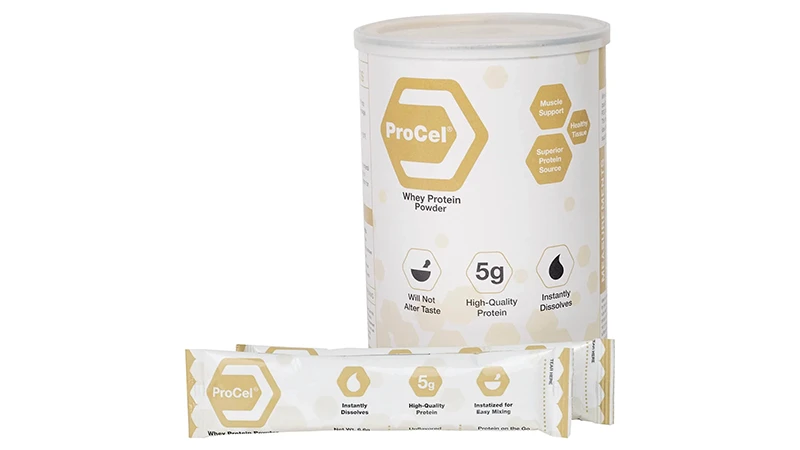
Subscription boxes are another reason single-serve sachets are gaining attention. Many consumers enjoy receiving curated product boxes that allow them to discover new brands, flavors, and functional products. Protein powder sachets are ideal for this model because they are compact, lightweight, and easy to include with other wellness products.
For sports nutrition brands, subscription boxes create exposure to highly relevant buyers. A sachet sample in a fitness, wellness, or meal replacement box can introduce the brand to customers who are already interested in health products.
The key is to connect the sample experience to a repurchase path. Brands can print QR codes, landing page links, bundle offers, or discount codes directly on the sachet or outer box. This turns a single serving into a measurable customer acquisition channel.
When customers enjoy the sample, they can repurchase a full-size pouch, subscribe to monthly packs, or order a mixed-flavor box. This makes single-serve packaging valuable not only for trial, but also for long-term retention.
Packaging Design Matters for Shelf and Online Sales
Although sachets are small, they still need strong visual design. In many cases, the sachet is the first physical contact between the customer and the brand. It must communicate quality quickly.
Good sachet design should make the flavor, protein type, serving size, and key benefits easy to recognize. For online sales, the sachet and box design should photograph well. For retail or fitness studio distribution, the pack should stand out in a display, sample basket, or countertop box.
Material choice also matters. Protein powders are sensitive to moisture and clumping, so brands should choose laminated films with suitable barrier performance. Depending on the formula and market positioning, common material structures may include PET, PE, aluminum foil, metallized film, or high-barrier laminated options.
For premium products, matte finishes, metallic effects, soft-touch coatings, or clean minimalist graphics can help improve perceived value. For energetic sports brands, bold colors and high-contrast designs may perform better.
Stick Pack vs. Sachet: Which Format Should Brands Choose?
Both stick packs and 4-side seal sachets can be used for single-serve protein powder, but they offer different advantages.
A protein powder stick pack is slim and easy to pour into a bottle. It is excellent for travel, gym use, and compact sample kits. Its narrow shape gives it a modern, portable feel.
A 4-side seal sachet usually offers a wider printable surface and can be easier to stack, box, and display. It is a strong choice for sample packs, variety boxes, subscription inserts, and promotional campaigns.
The right choice depends on filling equipment, powder volume, brand positioning, and distribution channel. Some brands may even use both: stick packs for on-the-go convenience and 4-side seal sachets for sample kits or retail variety packs.
Strategic Value for Sports Nutrition Brands
The growth of single-serve packaging is not just a packaging trend. It reflects a deeper change in how people buy nutrition products.
Consumers want flexibility. They want to try before they commit. They want flavors that match their preferences. They want portable nutrition that fits real-life routines. Brands that only sell large containers may miss these entry points.
Single-serve sachets help brands create more buying occasions. They can support first-time trials, gym giveaways, event promotions, travel packs, influencer campaigns, subscription boxes, and multi-flavor bundles. They also help brands collect customer feedback faster before scaling a formula into a larger product line.
For emerging sports nutrition brands, this can reduce launch risk. For established brands, it can open new channels and increase customer engagement.
Conclusion
The single serve protein powder sachet is growing because it solves problems for both consumers and brands. Consumers get convenience, portion control, flavor variety, and portability. Brands get a flexible tool for sampling, customer acquisition, product testing, and repeat purchase strategies.
As sports nutrition becomes more personalized and more DTC-driven, formats like the protein powder stick pack and 4-side seal sachet will continue to play a larger role. They are not just smaller versions of traditional packaging. They are strategic packaging formats designed for discovery, convenience, and modern buying behavior.
For protein powder brands looking to grow in a crowded market, single-serve sachets offer a practical way to reach new customers, improve trial conversion, and build stronger long-term loyalty.