
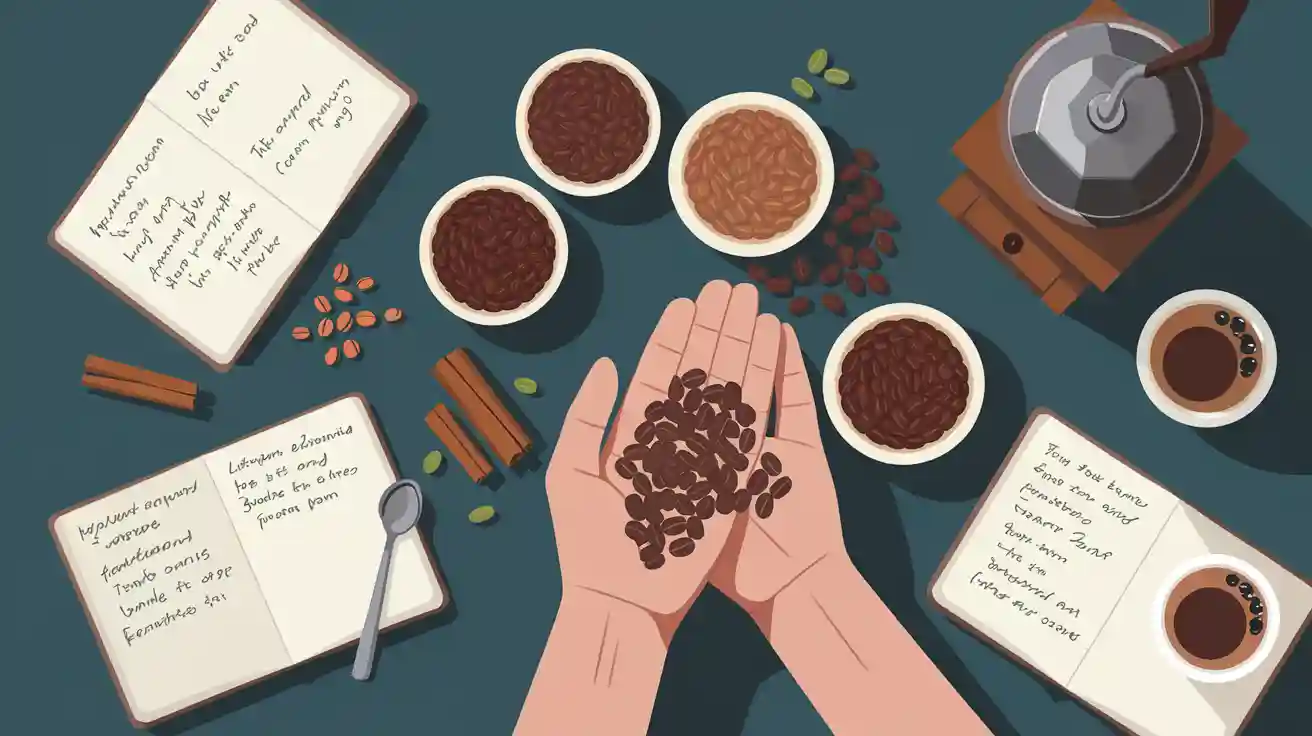
Curious about what is a blend of coffee and how you can combine coffee beans to create a unique flavor? You’re not alone. Over the past decade, coffee blending has exploded in popularity, especially among younger coffee lovers who crave new experiences. Specialty coffee shops now spotlight blending, turning it into an art form. You get to play with different beans, experiment with taste, and even design your own blend. Imagine opening a fresh bag and savoring your creation—packaging keeps every note and aroma locked in.
What Is a Blend of Coffee?
Coffee Blending Basics
You might wonder, what is a blend of coffee? In the coffee world, a blend means you mix two or more different single origin coffees. You combine beans from different places to create something new. This process lets you craft a cup that has unique characteristics from each origin. When you start coffee blending, you get to play with flavors, aromas, and textures. You can highlight the best qualities of each bean and hide any weak spots.
Coffee blending is not just about mixing beans. It is about creating a profile that stands out. You can use beans from Brazil for a smooth, chocolatey base. Add Ethiopian beans for bright acidity and fruitiness. Colombian or Kenyan beans bring depth and complexity. Each origin adds something special to the blend. You get to decide how much of each bean goes in, which changes the final taste.
Tip: Start with small batches when you try coffee blending. This way, you can taste and adjust before making a big batch.
Let’s look at how blends compare to single-origin coffees:
Type | Flavor Complexity | Characteristics |
|---|---|---|
Single-Origin Coffee | Unique flavor profiles reflecting specific growing conditions | Sourced from one region, country, or farm; flavors influenced by climate, soil, and altitude. |
Coffee Blends | Achieves consistency and complexity by combining beans from multiple origins | Crafted for balance and harmony; combines different characteristics for a well-rounded flavor. |
Single-origin coffees give you a clear sense of place. You taste the climate, soil, and altitude in every sip. Coffee blends, on the other hand, let you create a balanced cup. You can mix beans to get the right body, acidity, and sweetness. This is why many roasters love blending. You get more control over the final profile.
Why Blend Coffee Beans?
So, why should you blend coffee beans? The answer is simple. Blending lets you create unique flavor profiles that you can’t get from a single origin. You can highlight certain tasting notes, like chocolate, fruit, or spice. You can also smooth out harsh flavors and add body or sweetness.
Here are some reasons you might want to try coffee blending:
You want to balance acidity, sweetness, and bitterness in your cup.
You want to create a signature blend that stands out from others.
You want to ensure consistency in taste, even if the beans change with the seasons.
You want to explore new flavors and profiles by mixing beans from different origins.
When you blend, you can use beans from Brazil for a smooth base. Ethiopian beans add lively fruit notes. Colombian and Kenyan beans bring depth and complexity. Many commercial blends use Colombia, Costa Rica, and Mexico for their acidity and aroma. Brazil often serves as a cost-effective base. Some blends even use Robusta beans to boost body and lower costs.
Consumer preferences for coffee blends can change by region. In Colombia and Spain, people often prefer Colombian origin coffee. Some look for ethical certifications like Fair Trade or organic. Others focus on flavor profiles that match their taste.
Coffee blending gives you the freedom to experiment. You can adjust the ratio of beans, try different roast levels, and explore new tasting notes. You get to be the creator, designing a blend that matches your style. With each batch, you learn more about what is a blend of coffee and how to make it your own.
Benefits of Coffee Blending
Flavor Complexity
When you start coffee blending, you open the door to a world of flavor complexity. You get to mix beans from different places, each with its own unique flavors and aroma. Imagine combining a bean with chocolate notes and another with bright citrus. The result is a cup that surprises you with every sip. Coffee blends let you create a profile that is richer and more layered than a single origin. You can highlight certain tasting notes or smooth out rough edges. This approach gives your blend a depth that keeps you coming back for more.
Consistency in Coffee
You want your coffee to taste great every time. Coffee blending helps you achieve that. By mixing beans from different origins, you can create blends that deliver a steady flavor, even if the beans change with the seasons. Roasters often roast each type of bean separately before blending. This method gives you more control over the final taste.
According to Papanicholas, different types of beans from different sources are best roasted separately and then blended to deliver the optimal taste. ‘Although it’s easier process-wise to blend before roasting, some of the beans will be under- or over-roasted. Blending after roasting gives much more uniform and consistent results.’
Post-roast blending involves roasting each type of bean separately before combining them. This approach offers greater control over individual roast levels, allowing you to highlight specific characteristics of each bean.
With this method, you can count on your blend to deliver the same quality and flavor profile every time you brew.
Personalizing Unique Flavor Profiles
Coffee blending lets you become the artist of your own cup. You can design blends that match your favorite flavors, aroma, and mouthfeel. Home brewers love to experiment with different beans and brewing methods to create a signature blend.
Start with a flavor goal. Decide what you want your blend to taste like.
Adjust grind size for your brewing method.
Experiment with flavors such as chocolate, nuts, or citrus.
Monitor acidity for a lively cup.
Consider the body for a rich or delicate texture.
You can tweak your blend until you find the perfect balance. Try different roasted beans, play with ratios, and explore new tasting notes. Every batch brings you closer to your ideal coffee blends. The process is fun, creative, and rewarding. You get to enjoy a cup that is truly your own.
Selecting Coffee Beans for Blending
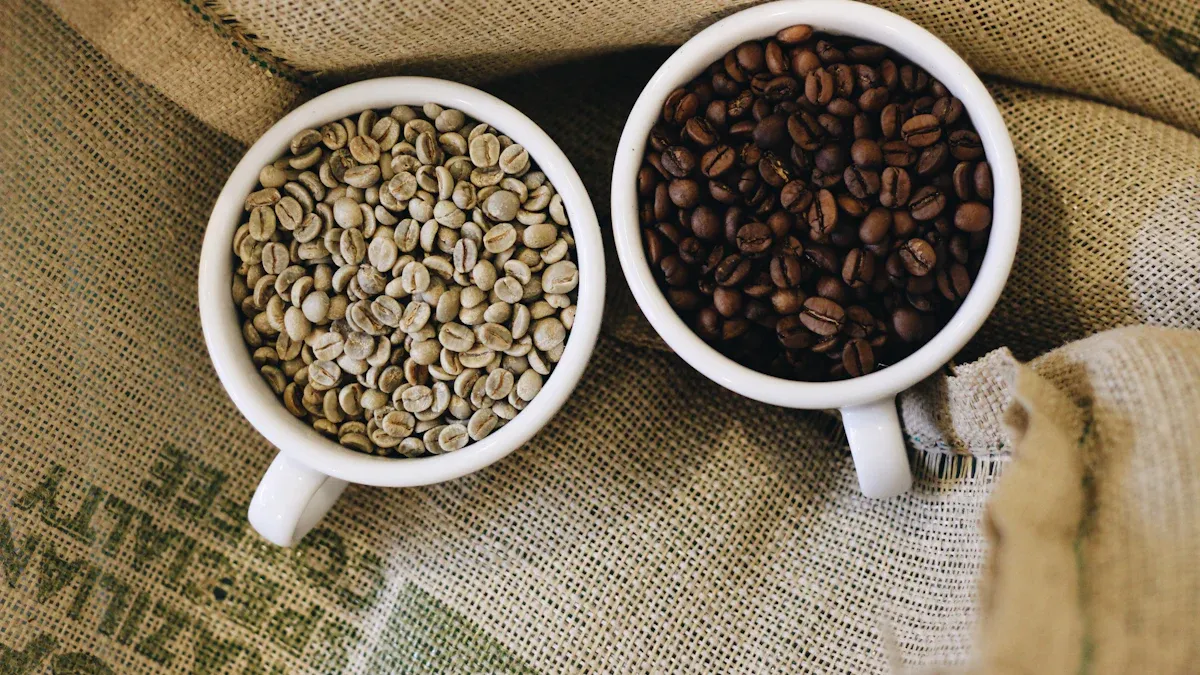
Choosing the right beans is the heart of coffee blending. You want to build a blend that brings out the best flavors, aromas, and complexity in your cup. Let’s break down what you need to look for.
Origin and Variety
The origin of your beans shapes the entire blend. Beans from different places bring unique flavors and aromas. You might notice chocolate notes from Brazil, bright fruit from Ethiopia, or deep richness from Colombia. Each region has its own climate, soil, and local varietals. These factors create distinct profiles in your coffee blends.
Beans from different origins add new qualities to your blend.
Local varietals and processing methods change the flavors you taste.
Environmental factors like temperature, rainfall, and soil make each bean unique.
You can use this variety to create blends with balance or to explore unusual flavor combinations. Try mixing beans from several regions to discover unique flavors and complexity.
Tip: Experiment with different origins to find the perfect blend ratio for your favorite tasting notes.
Roast Level
Roast level changes everything in coffee blending. Light roasts keep the original flavors of the beans. Medium roasts add sweetness and body. Dark roasts bring bold, smoky notes. You can blend roasted beans at different levels to highlight certain flavors or create a smooth profile.
Factor | Description |
|---|---|
Origin of the beans | Different origins impart unique flavors and characteristics to the coffee. |
Roasting strength | The degree of roast affects the intensity and flavor profile of the coffee. |
Extractable flavor components | Understanding which flavors can be extracted from the beans is crucial for creating balance. |
Aromatic profiles | Different aromas can enhance the complexity of the blend, requiring careful pairing. |
Importance of experimentation | Trial and error is essential to discover the ideal combinations and ratios for a harmonious blend. |
Try roasting each bean separately before blending. This gives you more control over the final profile and lets you adjust the blend ratio for the best taste.
Quality and Freshness
Quality and freshness matter most in coffee blending. Freshly roasted beans give you vibrant aromas and rich flavors. Stale beans make your blend taste flat and dull. Always check the roast date before you start blending.
Fresh beans bring out the best tasting notes and complexity.
Stale beans lose their unique flavors and aroma.
Brew your blend within a week of roasting for the best results.
Store your beans in airtight packaging to keep them fresh.
Note: The timing of brewing after roasting is key. Wait a few days for degassing, then enjoy your blend at its peak.
When you focus on quality and freshness, your coffee blending will always deliver a cup full of unique flavors and satisfying complexity.
Coffee Blending Methods and Ratios
Common Approaches
When you start coffee blending, you step into a world of creativity. You get to mix different beans and discover new combinations. Specialty coffee shops use several common approaches to create blends that stand out.
You can blend beans from different regions. Each region brings its own flavors and aromas.
You might mix beans with different roast levels. This adds depth and complexity to your cup.
The main goal is to balance the best qualities of each bean. You want a blend that highlights unique flavors and smooths out any rough edges.
Coffee blending is not just about mixing random beans. You need to think about how each bean will work with the others. Some beans add sweetness, while others bring acidity or body. When you find the right mix, you create a blend with a unique flavor profile that you can’t get from a single origin.
Tip: Start with two or three types of beans. This makes it easier to control the flavors and adjust your blend as you go.
Sample Ratios for Unique Flavor
Getting the blend ratio right is key to making great coffee blends. You want to balance the flavors so that no single bean overpowers the others. Many professional roasters use a simple guideline to help them get started.
Bean Type | Ratio |
|---|---|
High-note beans | 20% |
Mid-palate beans | 40% |
Sweet-base beans | 40% |
High-note beans give your blend brightness and lively acidity. Mid-palate beans add body and roundness. Sweet-base beans bring smoothness and sweetness. By adjusting these ratios, you can create blends with more complexity or focus on certain tasting notes.
You can use this table as a starting point. Try different ratios to see how the flavors change. If you want more fruitiness, increase the high-note beans. For a richer cup, add more sweet-base beans. The fun comes from experimenting and tasting the results.
Experimenting with Your Own Blend
You don’t need fancy equipment to start blending at home. You just need curiosity and a willingness to try new things. Here’s a simple way to experiment with coffee blending:
Roast a small amount of each coffee you want to blend. Use fresh, high-quality beans for the best results.
Mix the coffees together in different ratios. Start with the sample ratios above, then adjust based on your taste.
Brew each blend and taste them. Notice how the flavors change with each blend ratio.
Keep detailed notes on what you try. Write down the beans, ratios, and your tasting impressions. This helps you remember what works and what doesn’t.
Professional roasters blend for many reasons. They want to keep flavors consistent all year, even when beans change. Sometimes, they blend to reduce costs or to create a standard cup that customers love. Many also blend to invent new profiles or to develop special espresso styles.
At home, you get even more freedom. Commercial roasters use advanced machines for uniform roasting and blending. You might use simpler tools, but that gives you room for personal experimentation. You can try different roast levels, blend ratios, and brewing methods. This makes your coffee blending journey unique and personal.
Note: You may face some challenges when you experiment at home. It can be hard to get the same flavor every time. You need to learn about different beans and how they work together. Home roasting equipment may not give you the same results as commercial gear, but don’t let that stop you. Every batch teaches you something new.
Coffee blending is all about discovery. You get to play with beans, flavors, and brewing styles. You can create blends that match your taste or surprise your friends with unique flavors. The process is fun, rewarding, and always full of surprises.
Packaging and Preserving Flavor with BN PACK Coffee Bags
Importance of Coffee Packaging
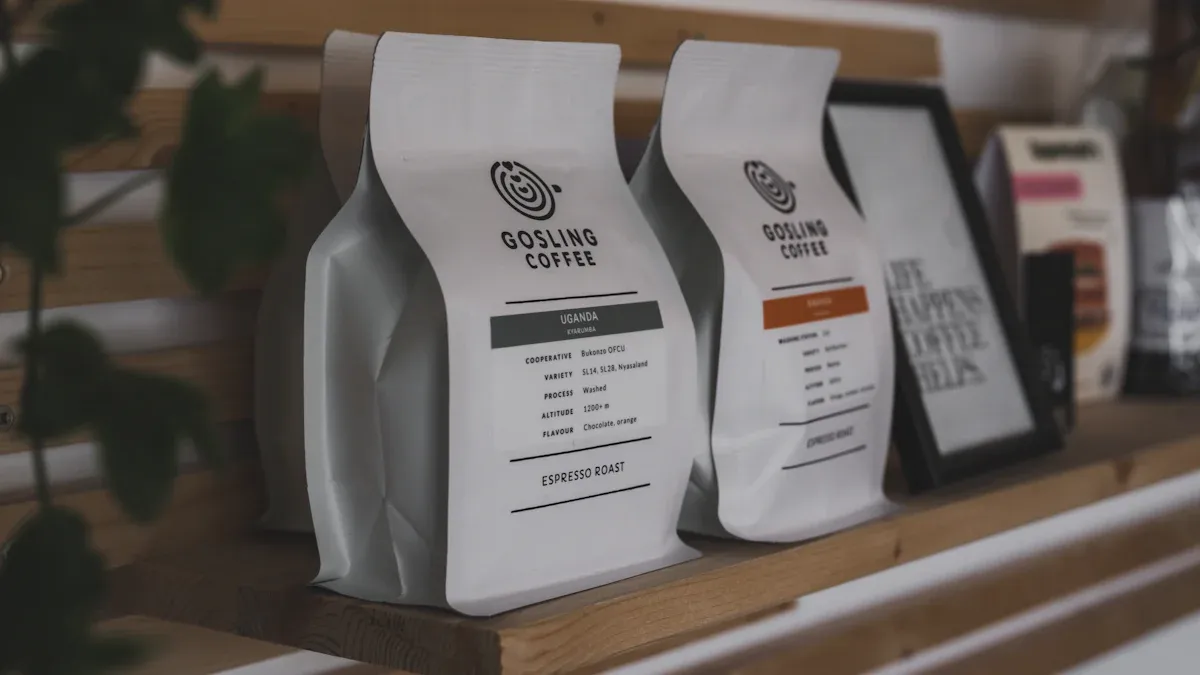
You put a lot of effort into coffee blending, so you want your blend to taste fresh and vibrant every time. Packaging plays a huge role in keeping your coffee at its best. Oxygen, moisture, and temperature can quickly ruin unique flavor profiles and make your blends taste flat. Studies show that reducing oxygen inside the bag can extend the shelf life of your beans and help preserve those special tasting notes. Packaging with a tight seal, like a screw cap or a quality zipper, keeps aroma and freshness locked in. If you store your blend in a cool, dry place and away from sunlight, you protect the flavors you worked hard to create.
Features of BN PACK Coffee Bags
BN PACK coffee bags give you the tools to keep your blends fresh and full of flavor. These bags use multi-layer foil to block oxygen, light, and humidity. Each bag comes with a one-way degassing valve, which lets carbon dioxide escape but keeps oxygen and moisture out. The resealable zipper closure means you can open and close your bag without losing freshness. Here’s a quick look at what sets BN PACK apart:
Feature | Benefit |
|---|---|
Multi-layer foil | Blocks oxygen, light, and humidity for maximum freshness. |
One-way degassing valve | Releases CO₂, blocks oxygen and moisture, keeps peak flavor. |
Resealable zipper closure | Airtight protection and easy access for your blend. |
Compared to standard packaging, BN PACK coffee bags offer higher flavor preservation. The table below shows how they stack up:
Packaging Method | Key Features | Flavor Preservation Effectiveness |
|---|---|---|
BN PACK Coffee Bags | One-way valves, nitrogen flushing, air-tight | High |
Foil Packaging | Reflective, air-tight | High |
Standard Packaging | Lacks protective features | Low |
Keeping Your Blend Fresh
You want your coffee blending journey to end with a cup that bursts with flavor. To keep your blend at its best, always store your beans in an airtight container, like a BN PACK coffee bag. Wait to grind your blend until you’re ready to brew. Place your bag in a cool, dry spot, away from heat and sunlight. Opaque packaging helps protect aroma and tasting profiles. With BN PACK, your blends can stay fresh for up to six months or longer. This means every cup you brew will showcase the unique flavors and profiles you created through careful blending.
You can dive into coffee blending and discover new flavors every time you mix freshly roasted beans. Keeping a blending journal helps you track your blend ratios, flavor profiles, and tasting notes, making your blends more consistent and creative. Sharing your blend with friends lets you gather feedback and refine your coffee blending skills. Quality packaging, like BN PACK coffee bags, locks in aroma and keeps your blend fresh. If you love experimentation, try a classic blend or a single-origin blend. Competitions push innovation in flavor profiles, so don’t be afraid to experiment. Explore new packaging solutions and elevate your coffee experience.
Sharing custom blends with friends:
You get valuable feedback.
Their insights help you improve your blends.
Resources for packaging solutions:
Sustainable materials and compostable options.
Smart packaging features like freshness indicators.
Customized coffee packaging systems and machines.