
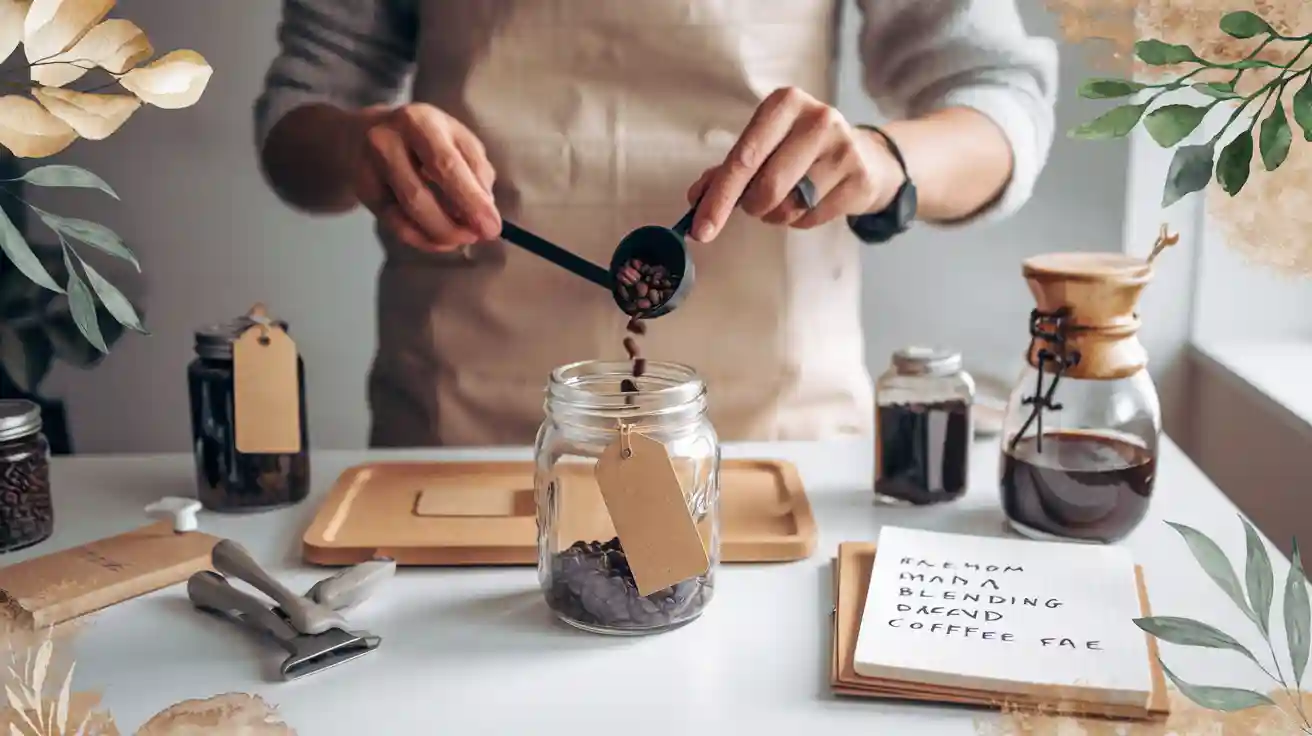
So, you want to know how to create your own coffee blend to sell? You can do it—even if you’re just starting out. Focus on what really matters to coffee lovers:
Quality and flavor always come first.
Habits and routines shape what people buy. You can stand out by delivering great taste and building a brand that feels personal. Remember, smart packaging, like BN PACK coffee bags, can help your blend look as good as it tastes.
How to Create Your Own Coffee Blend to Sell
Define Your Flavor Goals
If you want to know how to create your own coffee blend to sell, you need to start with a clear idea of what you want your coffee to taste like. Think about the experience you want to give your customers. Do you want a bold, rich cup that wakes people up? Or maybe you want something smooth and sweet that feels comforting? Setting a flavor goal helps you stand out and gives your blend a distinctive flavor profile.
Here’s how you can define your flavor goals:
Pick Your Main Flavor Notes
Decide if you want your coffee to taste fruity, nutty, chocolatey, or floral. The origin of the beans plays a big role here. Beans from Ethiopia often taste fruity, while beans from Brazil can be nutty or chocolatey.Choose Your Brewing Method
Think about how your customers will brew your coffee. French press, pour-over, and espresso all bring out different flavors. If you want your blend to shine as an espresso, you might need a different roast or bean mix than for a drip coffee.Experiment with Roasting
Roasting changes everything. A light roast keeps the original bean flavors, while a dark roast brings out deeper, smokier notes. Try different roast levels to see what matches your vision.Mix and Match Beans
Start with a base bean that you love. Add smaller amounts of other beans to create balance or highlight certain flavors. For example, you might use 60% of a smooth, chocolatey bean and 40% of a bright, fruity bean.Test and Document
Brew your blend the way your customers will. Taste it, take notes, and adjust the ratios. Keep track of every change in a notebook or on your phone. This way, you can repeat your best results.
Tip: Use a flavor wheel to help describe and compare the flavors you taste. It’s a great tool for anyone learning how to create your own coffee blend to sell.
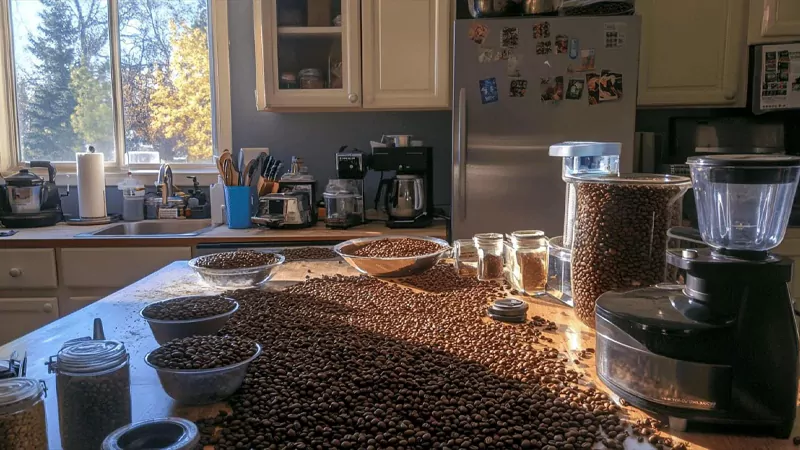
You don’t need fancy equipment to start. Grab a few types of beans, a grinder, a scale, and some clean water. Mix small batches and taste each one. This hands-on approach helps you create your own coffee blend that feels truly unique.
Know Your Target Market
Understanding your customers is just as important as perfecting your blend. If you want to succeed in how to create your own coffee blend to sell, you need to know who will buy it and why.
Start by asking yourself a few questions:
Who do you want to reach? Young professionals, college students, or families?
What do they care about? Do they want organic beans, bold flavors, or eco-friendly packaging?
Where do they buy coffee? Online, in local shops, or at markets?
Here are some ways to get to know your target market:
Analyze Current Customers
If you already sell coffee or run a café, look at who buys from you. Check their age, location, and what they like to drink.Conduct Surveys
Ask people what they want in a coffee blend. You can use online surveys or simple paper forms at events.Use Social Media
Post polls or questions on Instagram and Facebook. People love to share their opinions about coffee.Review Sales Data
Look at which drinks sell best and when. This can show you what flavors or styles are most popular.Engage with the Community
Attend local events or farmers’ markets. Talk to people and listen to their feedback.
Did you know that adults aged 25–39 are the biggest fans of specialty coffee? About 64% of them drank specialty coffee in the past week. Gen Z is catching up too, with almost half drinking coffee daily. Many specialty coffee drinkers also prefer to buy their coffee out-of-home, so think about where your blend will be sold.
If you want to create your own coffee blend that stands out, focus on what your audience values. Maybe they want custom coffee blends with eco-friendly packaging, or maybe they want a signature coffee blend that feels exclusive. When you know your market, you can make choices about quality, flavor, and packaging that connect with your customers.
Note: Quality matters at every step. Choose high-quality beans, roast them with care, and use packaging that keeps your coffee fresh. This attention to detail will help your brand grow.
If you follow these steps, you’ll have a strong foundation for how to create your own coffee blend to sell. You’ll know what flavors you want, who you’re selling to, and how to deliver a product that people love.
Coffee Blend Creation Process
Select and Source Beans
You can’t create a standout coffee blend without choosing the right beans. This step sets the foundation for your flavor and quality. Start by exploring different origins. Each region brings something unique to your blend. Here’s a quick look at some of the most popular coffee bean origins used in successful blends:
Coffee Origin | Flavor Profile | Characteristics |
|---|---|---|
Sumatra | Bold, earthy, herbal | Low acidity, full-bodied, unique wet-hulling process |
Ethiopia | Bright acidity, floral | Diverse microclimates, unique processing methods |
Colombia | Balanced, mild | Caramel sweetness, medium body, ideal for various brewing methods |
Brazil | Chocolatey, nutty | Low acidity, rich flavor, diverse growing conditions |
You might want to mix beans from different regions to balance acidity, body, and sweetness. For example, you could blend a chocolatey Brazilian bean with a floral Ethiopian bean. This gives your coffee a layered taste that appeals to more people.
When you source beans, pay attention to certifications and quality standards. These not only help you deliver a better product but also show your customers that you care about sustainability and ethics. Here are some certifications to look for:
Certification Type | Focus Area |
|---|---|
Fair Trade Certified | Ensures fair prices and social standards for small-scale farmers. |
Rainforest Alliance Certified | Focuses on environmental and social sustainability. |
UTZ Certified | Emphasizes sustainable farming practices. |
Specialty Coffee Association Certified | Promotes excellence in specialty coffee. |
Organic Certified | Verifies organic farming methods without synthetic chemicals. |
Shade-grown Certified | Ensures coffee is grown under tree canopies, supporting biodiversity. |
Bird-Friendly Certified | Protects bird habitats through shade-grown and organic practices. |
Direct Trade Certified | Emphasizes direct relationships between producers and roasters. |
Tip: Look for beans with Organic, Fair Trade, or Rainforest Alliance certifications. These options support farmers and protect the environment.
Organic Certification: Grown without synthetic fertilizers or pesticides, prioritizing soil health and biodiversity.
Fair Trade Certification: Ensures adherence to labor and environmental standards, improving livelihoods of coffee producers.
Rainforest Alliance Certified: Promotes sustainable farming practices that conserve biodiversity and support farmer well-being.
You can ask your supplier about these certifications. If you want your coffee blend creation process to stand out, sourcing high-quality beans is a must.
Experiment with Blending and Roasting
Now comes the fun part. You get to experiment with different bean ratios and roast levels. This is where your creativity shines. Start small and keep things simple. Here’s a step-by-step approach:
Calculate your coffee ratio. Decide how much coffee you want to brew. Convert it to grams and apply the right ratio for your brew method.
Measure your coffee beans. Use a kitchen scale for accuracy. Weigh whole beans before grinding to keep them fresh.
Measure your water. Make sure you use the correct amount based on your ratio calculation. A scale helps you stay precise.
You can adjust grind size, water temperature, and brewing time to see how each change affects the flavor. Try a finer grind for light roasts to boost extraction. Use coarser grinds for older dark roasts to avoid bitterness. Hotter water extracts flavors faster, but lower temperatures work better for dark roasts.
Grind size: Finer grinds extract more quickly, affecting the amount of coffee needed.
Water temperature: Hotter water extracts flavors faster; adjust based on roast level.
Desired strength: Different ratios highlight various flavors; experiment to find your preference.
Coffee roast: Lighter roasts require more water, while darker roasts extract more quickly.
Brewing time: Longer exposure increases extraction; adjust based on brewing method.
Note: Keep a notebook or spreadsheet to track your experiments. Write down the bean ratios, roast levels, grind size, water temperature, and your tasting notes. This helps you repeat your best results and tweak your blend until it’s perfect.
You might want to blend a bold Sumatra bean with a mild Colombian bean. Try different ratios, like 70% Colombia and 30% Sumatra, then roast them together or separately. Taste each batch and see what works. You’ll discover that small changes can make a big difference in your coffee’s flavor.
If you follow these steps, you’ll create a coffee blend that’s unique and consistent. The coffee blend creation process is all about trial, error, and discovery. Enjoy the journey, and don’t be afraid to try something new. ☕️
Test and Refine Your Coffee Blend
Taste Testing and Feedback
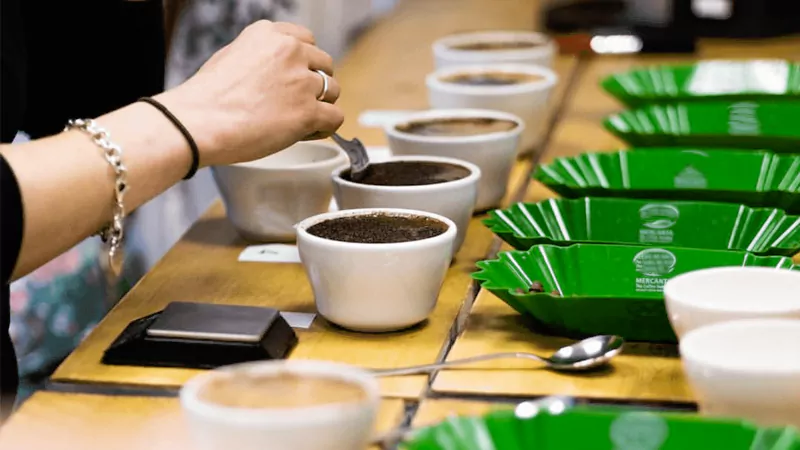
You’ve created your first coffee blend. Now, you need to find out how it tastes and what others think. Start with a blind setup. Number each coffee sample and hide the names. This helps you and your testers avoid bias. Before tasting, smell the dry coffee aromas in a quiet space. Let the coffee brew and then check the wet aromas. Take a sip, slurp it, and write down your thoughts.
You can use different groups for feedback:
Consumer panels give you honest opinions from everyday coffee drinkers.
Expert cuppings involve trained professionals who spot subtle flavors and flaws.
Blind comparative analysis lets you focus on the liquid itself, not the packaging or brand.
Ask testers to describe what they taste. Do they notice chocolate, fruit, or nutty notes? Is the coffee smooth or bitter? Collect all feedback and look for patterns. You might discover that people love the aroma but want a richer flavor. Use these notes to tweak your blend.
Tip: Keep your feedback sessions relaxed. People share better ideas when they feel comfortable.
Ensure Consistency
Consistency is key if you want your coffee to stand out for quality. You need every bag to taste the same, batch after batch. Start by creating standardized recipes. Use exact measurements for beans and water. Monitor brew time and temperature closely. Clean your equipment often to avoid off-flavors.
Here’s a quick table to help you track your process:
Step | What to Check |
|---|---|
Type Sample Analysis | Moisture and defects |
Pre-ship Testing | Matches original evaluation |
Warehouse Sampling | Meets quality standards |
Train anyone who helps you make coffee. Teach them your methods and standards. Uneven roasting can cause some beans to taste burnt or flat. Make sure heat spreads evenly and stir the beans during roasting. If you notice bitter flavors, check for over-roasting. If the coffee tastes dull, try adjusting the heat or roasting time.
Note: Consistent quality builds trust with your customers. They’ll come back for the same great taste every time.
Production & Packaging with BN PACK
Choose the Right Coffee Bag
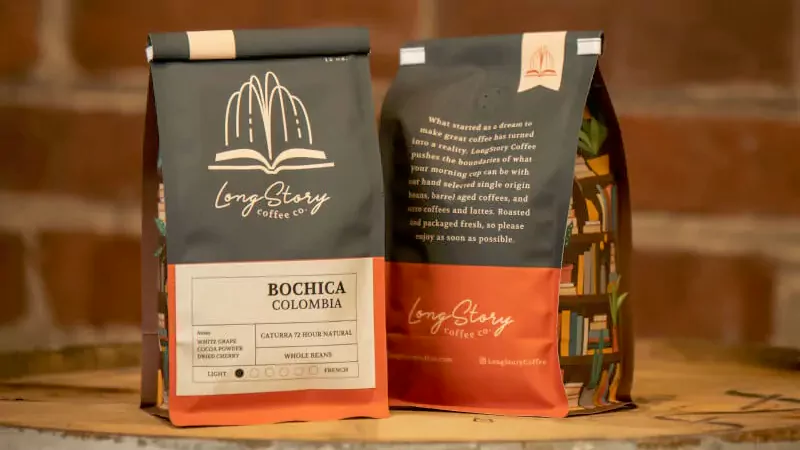
You want your coffee to stay fresh and taste great. The right coffee bag makes a big difference. BN PACK offers custom coffee bags in many styles and materials. You can pick foil for strong barrier protection against moisture and light. Kraft paper gives a rustic look. Biodegradable films work well if you care about the environment. Oxygen is the main reason coffee loses flavor. Airtight packaging helps keep your coffee fresh longer.
Here’s a quick look at how different materials affect shelf life:
Typical Shelf Life | |
|---|---|
Unlined or basic paper bags | A few days to a couple of weeks |
Non-foil multi-layer bags (plastic or kraft) | Around 1 to 3 months |
High-barrier plastic blends (no aluminum) | Up to 6–12 months |
BN PACK bags use high-barrier materials to protect freshness and aroma. You can add resealable zippers and one-way valves. These features help keep air and water out, so your coffee always tastes its best.
Tip: Compostable and recyclable pouches from BN PACK help you support sustainability and reduce waste.
Customize for Brand Identity
Your coffee blend needs packaging that stands out. BN PACK lets you customize every detail. You can choose your logo, colors, and typography. These design choices tell your brand’s story and help customers remember you. Research shows that color is three times more important than price when people buy coffee. In fact, 85% of shoppers say color is the top factor in their decision.
“Packaging colour plays an extremely vital role in communicating with customers. It can arouse interest in a product and motivate customers to buy it.” – Saad Ahmed and Sara Javed
BN PACK offers many options for structure and features. You can pick side-fold bags for a classic look, quad-seal bags for extra protection, or stand-up pouches for easy display. Flat-bottom bags look premium and dependable. You can add degassing valves, resealable locks, and flexible labeling systems. These choices help you create packaging that matches your brand and meets your customers’ needs.
BN PACK supports coffee entrepreneurs with flexible, high-quality packaging solutions. You get reliable protection, strong branding, and eco-friendly options. Your coffee blend will look great and stay fresh, helping you build trust and grow your business.
Branding and Marketing Your Coffee Blend
Build Your Brand Story
Your brand story sets you apart. You want people to remember your blend, not just for taste, but for the feeling it gives. Start with the journey of your beans. Where do they come from? What makes their origin special? Share how you select beans and focus on quality at every step. People love knowing that you care about the environment and the communities behind your product.
Here’s a quick table to help you shape your story:
Key Element | Description |
|---|---|
Bean Origin and Distinctiveness | Describe where your beans grow and what makes them unique. |
Production and Processing Methods | Show how you handle each stage, highlighting your commitment to quality and transparency. |
Social and Environmental Impact | Explain how your blend supports farmers and protects nature. |
You can connect with customers by sharing stories about farmers or baristas. These stories make your brand feel human. Younger buyers especially want to know the people behind their cup. When you build emotional connections, you turn a simple drink into a meaningful experience.
Tip: Use your website and packaging to tell your story. A strong brand story builds trust and loyalty.
Develop a Sales Strategy
You need a plan to get your blend into customers’ hands. Start by choosing sales channels that match your goals. Many new brands thrive online. E-commerce gives you a direct link to buyers and lets you control the experience. You can also work with high-end grocers or specialty stores to reach people who care about quality.
Here are some smart ways to sell your blend:
Launch your own online store for easy access.
Partner with local bakeries or bookstores to reach new audiences.
Offer subscription services for steady sales and loyal customers.
Build relationships with retailers who value quality products.
Don’t forget digital marketing. Social media, especially Instagram, helps you show off your blend with great photos. Try interactive content like polls or quizzes to get people talking. Encourage customers to share their own photos and reviews. Email and SMS marketing let you send special offers right to your fans. Influencer partnerships can help you reach even more people and build trust.
Note: Focus on quality in every channel. Customers notice when you care about their experience.
Logistics and Fulfillment
Storage and Freshness
You want your coffee to taste amazing every time someone opens a bag. That means you need to store your beans the right way before you ship them out. Start by keeping your beans in air-tight containers. Oxygen makes coffee lose its flavor fast. Use opaque containers so light doesn’t sneak in and ruin the taste. Find a cool, dry spot away from heat sources like ovens or direct sunlight. A pantry or cupboard works well if it stays between 60-70°F.
Here’s a quick checklist to help you keep your beans fresh:
Use air-tight containers to block oxygen.
Pick opaque containers to protect from light.
Store beans in a cool, dry place.
Keep them away from heat sources.
Choose whole beans instead of ground for longer freshness.
BN PACK coffee bags make this process easier. Their high-barrier materials, like Mylar and aluminum foil layers, shield your beans from oxygen, moisture, and light. You can add oxygen absorbers for extra protection. These features help your coffee stay fresh and flavorful until it reaches your customer.
Tip: Buy coffee in smaller batches so you always serve the freshest product.
Order Fulfillment
Getting your coffee to customers quickly and safely is just as important as making a great blend. You need a system that keeps orders organized and moving. Many small businesses use warehousing and storage services to keep inventory safe and ready. Order picking and packing make sure each customer gets the right product. Shipping and delivery management handles the journey from your door to theirs.
Here’s a table showing popular fulfillment services:
Service Type | Description |
|---|---|
Warehousing and storage | Keeps your inventory safe, organized, and ready to fulfill orders efficiently. |
Order picking and packing | Ensures accuracy and speed, so customers get the right products, on time. |
Shipping and delivery management | Handles logistics across carriers like USPS, FedEx, and DHL, so you don’t have to. |
Inventory management | Provides real-time tracking and stock updates to prevent oversells or backorders. |
Returns processing | Manages returns quickly and accurately to keep your reverse logistics clean and customer-friendly. |
Custom packaging | Offers branded boxes, inserts, and kitting to enhance unboxing and drive repeat purchases. |
Real-time tracking and alerts | Gives you visibility into every step of the fulfillment process as it happens. |
International shipping capabilities | Opens new markets while handling customs, compliance, and global delivery. |
Tech integrations | Connects directly with platforms like Shopify, Amazon, and WooCommerce to streamline order flow. |
Dedicated support | Gives you direct access to fulfillment experts who can fix problems fast when they come up. |
BN PACK coffee bags help you streamline logistics. Their durable design protects your product during shipping. You can customize packaging to fit your brand and make unboxing special for your customers. Reliable packaging means fewer returns and happier buyers.
Note: Partner with shipping experts who know how to handle perishable goods. This keeps your coffee fresh and your customers satisfied.
Plan for Growth
Scale Production
You’ve built a solid foundation for your brand. Now, you want to grow. Scaling production means making more coffee without losing quality. Start by reviewing your current process. Look for steps that slow you down or cause mistakes. You might need better equipment or more hands to help with roasting and packing.
As you grow, you’ll face new challenges. Here are some common ones:
Rising temperatures can make it harder to grow Arabica beans. You may need to work with farmers who use climate-smart methods.
Pests and diseases, like coffee berry borers or leaf rust, can hurt your crops. Stay in touch with your suppliers and ask how they protect their plants.
Weather changes can mess with harvest times. Build strong relationships with multiple suppliers to keep your supply steady.
High costs for land and equipment can slow you down. Start small, then reinvest profits to upgrade your tools and workspace.
Water shortages can affect bean quality. Choose partners who use smart irrigation and water-saving techniques.
Keep your process simple and repeatable. Write down your recipes and steps. Train your team so everyone follows the same methods. This helps you keep your coffee tasting great, even as you make more.
Tip: Use feedback from customers to spot problems early. Happy customers help you grow faster.
Expand Your Reach
You want more people to discover your blend. Start by building a strong online presence. Share photos and stories on Instagram or TikTok. Show how you roast, pack, and enjoy your coffee. Encourage customers to post their own photos and reviews. This user-generated content builds trust and spreads the word.
Create a blog on your website. Share brewing tips, recipes, and behind-the-scenes stories. Use keywords and great images to help people find you online. Send regular emails with news, deals, and tips. Personalize your messages to make customers feel special.
Note: Social media, blogs, and email marketing work together to help your brand grow. Stay active and keep your content fresh.
Ready to launch your own coffee blend? You can do it! Focus on quality at every stage, from bean selection to roasting and packaging. Build your brand with a story that highlights quality and connects with customers. Choose packaging that protects quality and makes your product stand out. BN PACK can help you achieve your goals. Reach out for packaging solutions or join coffee communities to learn more.