
Timing plays a critical role when you decide to invest in stock coffee bags. The coffee industry has seen a surge in consumer interest, especially in specialty and craft coffees. As you enter the coffee business or notice your sales growing, you may find that packaging can set your product apart. Many coffee brands choose bags and pouches because they are flexible, lightweight, and save space.
The global coffee packaging market has grown steadily, driven by increased coffee consumption and a shift toward sustainable options. When you invest in stock coffee bags at the right moment, you can save costs, respond to demand, and test new designs before buying wholesale.
When to Invest in Stock Coffee Bags
Entering the Coffee Market
When you first enter the coffee trade, timing your decision to invest in stock coffee bags can shape your brand’s future. Many new businesses choose to invest in stock packaging to create a strong first impression. Visually appealing coffee bags attract attention on crowded shelves. About 60% of shoppers say packaging design influences their buying decisions. Creative graphics, unique shapes, and color psychology help your coffee stand out. Sharing your story on the bag builds a personal connection with customers and encourages brand loyalty.
You also meet the needs of customers who want high-quality coffee at home. Many people now avoid supermarket options and look for specialty coffee from local roasters. By investing in stock coffee bags, you support the local economy and benefit from seasonal gift-giving trends. Coffee bags often boost retail sales by 10-30%. You can use retail displays that show abundance, which encourages customers to buy more.
Tip: Sustainable packaging choices, such as recyclable or compostable bags, appeal to eco-conscious buyers and align your brand with modern values.
Timing matters in the coffee trade. If you enter the market early and partner with local businesses, you can achieve profitability faster. However, waiting too long or missing key opportunities may lead to increased competition and higher costs. You should secure resources and permits early to gain a real advantage.
Scaling or Expanding
As your coffee business grows, you will notice new challenges. Scaling up means you need more packaging, better equipment, and skilled workers. The coffee trade is capital-intensive, especially when you want to maintain quality and freshness. Investing in stock coffee bags at this stage helps you keep up with demand and manage your cash flow.
- You may need to upgrade to food-grade facilities and specialized packaging machines.
- Rising costs for freight, labor, and materials can put pressure on your profit margins.
- Managing perishable inventory and logistics becomes more complex as you expand.
Many successful coffee businesses invest in stock packaging to support larger production runs. For example, in 2024, a major coffee company installed a new packaging line to meet growing demand. This move allowed them to produce 100 million espresso capsules each year. By investing in stock coffee bags, you can scale your operations and respond quickly to market changes.
Crowdfunding and private labeling offer flexible ways to raise capital and test new products. These methods help you invest in stock packaging without large upfront costs. You can also build loyalty by involving your customers in the process.
Testing Packaging and Demand
Before you commit to buying coffee bags wholesale, you should test different packaging options and measure demand. This step reduces risk and helps you find the best fit for your brand. Many coffee businesses use several methods to gather feedback:
- Surveys help you learn what customers want in packaging.
- Focus groups provide detailed opinions on design and usability.
- Analyzing sales data shows which packaging types sell best.
- Social media listening captures real-time reactions and trends.
- Pilot testing lets you release a small batch to see how customers respond.
- Primary research, such as interviews or experiments, gives you both numbers and stories.
- Launching a minimum viable product (MVP) allows you to test new packaging with minimal investment.
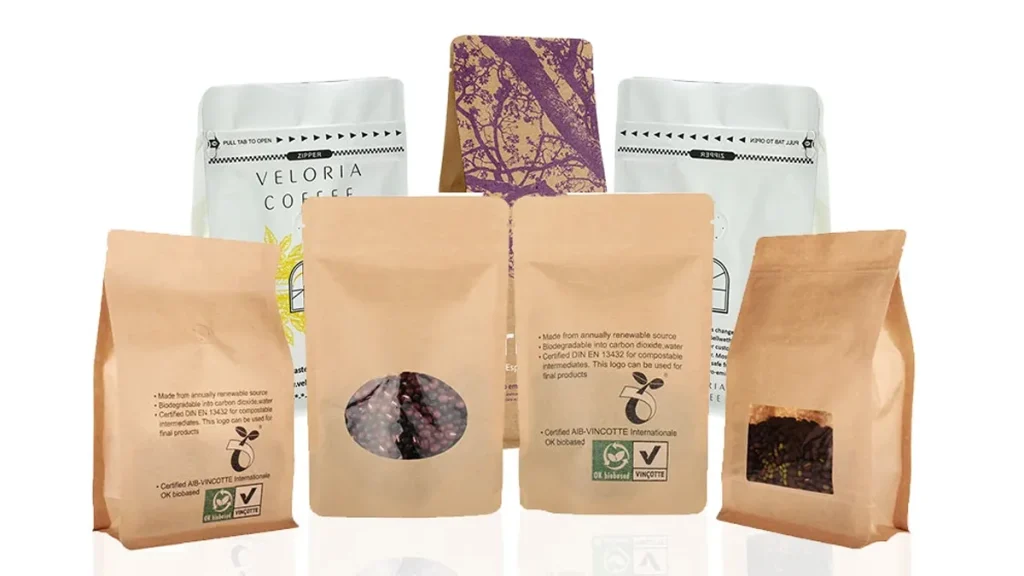
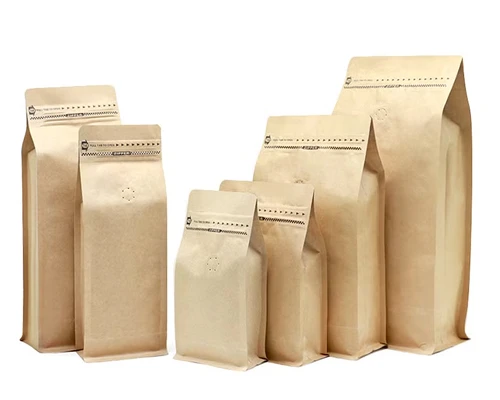
Testing packaging options can involve different bag types, such as stand-up pouches or gusset bags. Each type affects shelf space and customer appeal. You may also try features like one-way valves or vacuum sealing to keep your coffee fresh. Material choices, such as kraft paper or biodegradable films, impact both cost and sustainability.
Note: Many consumers now prefer eco-friendly packaging. You can often charge a premium for recyclable or compostable bags, which supports your profit goals and aligns with current trends.
Private labeling and co-packing services give you flexibility. You can test new packaging without committing to large bulk orders. This approach helps you manage costs and adapt quickly to customer feedback. When you see steady demand and positive responses, you can move forward with buying coffee bags wholesale and invest in stock for larger production.
Benefits of Buying Coffee Bags Wholesale
Cost Savings
When you start buying coffee bags wholesale, you unlock major cost advantages. Wholesale prices are much lower than retail, often saving you 40-50% on each bag. For example, if you buy a coffee blend at $5.50 per pound and sell it for $15.00, you can achieve a 63% margin in a café setting. When you buy in bulk, your per-bag price drops to $10-$12, and your profit margin stays strong at around 41%. This approach helps you manage your price and keep your business competitive. Lower prices also let you test new products or packaging without risking your budget. You can scale your coffee business faster and keep your shelves stocked, which supports steady sales and growth.
Preserving Coffee Quality
Quality matters most in the coffee industry. Packaging plays a key role in keeping your coffee fresh and flavorful. Oxygen, moisture, and time all affect coffee quality. High-barrier bags, such as aluminum foil or multilayer laminates, block oxygen and moisture, slowing down chemical changes that cause staleness. Studies show that coffee stored in these bags keeps its aroma and taste for up to 18 months. Features like degassing valves and resealable zippers help maintain freshness, especially for specialty coffee. When you invest in quality packaging, you protect your coffee quality and build trust with your customers.
Customization and Branding
Buying coffee bags wholesale gives you many options for customization and branding. You can choose from stand-up pouches, quad seal bags, or lay-flat pouches. Materials range from clear and white films to metalized finishes. You can add resealable zippers, hang holes, or special closures. Custom printing lets you share your brand story, roast type, and brewing tips. Eye-catching designs and consistent branding help your coffee stand out. Customers notice quality packaging and remember your brand. This connection builds loyalty and encourages repeat purchases. You can even order small quantities to test new designs or run special promotions.
- Popular options include:
- Matte or glossy finishes
- Eco-friendly digital printing
- Low minimum order quantities for flexibility
Sustainability Options
Sustainability is now a top concern for coffee businesses and customers. Traditional coffee bags use multilayer plastics and aluminum, which are hard to recycle. Newer options use kraft paper, rice paper, or mono-material films that are easier to recycle or compost. Some bags feature plastic-free degassing valves, reducing plastic waste by up to 1 gram per bag. Choosing sustainable packaging helps you lower your environmental impact and meet customer expectations. You show your commitment to quality coffee and responsible business practices.
Note: Sustainable packaging can support your brand image and may allow you to charge a premium price for your coffee.
Buying coffee bags wholesale supports your business as you scale, test new markets, and deliver quality coffee every time. You gain cost control, protect your product, and build a brand that customers trust.
Important Factors for Buying Coffee Wholesale
Analyzing Demand
You need to track demand closely before buying coffee wholesale. Coffee sales trends can change quickly due to consumer preferences, economic shifts, or new innovations in the coffee trade. When demand rises, you must adjust your inventory of wholesale coffee beans and packaging supplies. If the economy slows, people may spend less on specialty coffee, which lowers the need for packaging and green coffee brokers. New trends, like single-serve machines or eco-friendly packaging, also affect your planning. Using tools like data analytics or CRM systems helps you predict demand and manage your supply chain. This approach lets you balance cost, availability, and quality, so you avoid overstocking or running out of quality coffee.
- Fluctuating coffee sales require you to:
- Adjust production volumes
- Coordinate with coffee brokers and suppliers
- Plan for new packaging types
Storage and Inventory
Storage capacity plays a big role in your decision to buy wholesale coffee beans. If you have enough space, you can keep a steady supply and avoid shortages. Buying coffee wholesale gives you control over storage conditions, which protects the quality of your beans and packaging. You should store coffee in a cool, dry place with good airflow, away from sunlight and moisture. Use airtight containers or bags with one-way valves to keep beans fresh and prevent spoilage. Avoid overstocking, since coffee quality drops after a few weeks. Specialty coffees need extra care, so limit exposure to air and keep bags sealed until use.
- Store coffee away from heat and humidity.
- Use gas-tight bags to lock in freshness.
- Keep beans off the floor and in smaller bags for better quality control.
- Avoid opening containers often to preserve aroma and taste.
Note: Proper storage reduces waste and helps you get the best price for your wholesale coffee.
Supplier Selection
Choosing the right supplier or broker is key to success in the coffee trade. You want a partner who offers quality, reliability, and fair price. Evaluate coffee suppliers using clear criteria:
| Criterion | Description |
|---|---|
| Material Strength & Durability | Packaging must protect beans from damage and preserve quality during transport. |
| Cost-effectiveness | Find a balance between quality and price to avoid overspending. |
| Labeling | Clear, attractive labels build trust and communicate your brand. |
| Filling Process | Efficient filling methods suit your scale and maintain quality. |
| User-friendliness | Easy-to-open, resealable packaging keeps coffee fresh for customers. |
| Sustainability | Choose eco-friendly materials to appeal to modern buyers. |
| Protective Features | Look for low oxygen and moisture transmission rates to keep coffee fresh. |
| Size and Shape | Packaging should fit your needs and look good on shelves. |
| Reclosure | Resealable features help maintain quality after opening. |
You should also check the supplier’s delivery record, transparency, and willingness to negotiate minimum order quantities. Some coffee brokers and green coffee brokers offer flexible MOQs, which helps small businesses manage cash flow and inventory risks. Private label suppliers may let you test products before committing to large orders. This flexibility supports growth and helps you get the best price of wholesale coffee.
Risks of Poor Timing
Overstock Issues
Ordering too many stock coffee bags can create serious problems for your business. When you overstock, you tie up your money in packaging that may not sell quickly. This reduces your cash flow and limits your ability to invest in other areas. Industry experts recommend choosing suppliers with low minimum order quantities. This strategy lets you order only what you need, which helps you avoid excess inventory and keeps your business flexible.
A real-world example shows how overstocking can lead to disaster. One coffee business ordered 30,000 bags to fill a large order. The deal fell through because of a distributor’s mistake. The company ended up with unsold coffee and $216,000 in debt from loans and credit cards. They had to rent extra storage space and sell their coffee at deep discounts, but they still owed $150,000. This situation caused financial loss and emotional stress. You can avoid similar risks by ordering smaller quantities and testing demand before making big purchases.
Tip: Smaller orders help you experiment with new packaging and reduce storage costs. This approach protects your profit and lowers your financial risk.
Stockouts and Missed Opportunities
Running out of stock coffee bags can hurt your business just as much as overstocking. Stockouts often happen because of supply chain disruptions. Events like global pandemics, climate disasters, or shipping delays can slow down deliveries and increase costs. When you cannot get packaging on time, you may face empty shelves, lost sales, and unhappy customers.
- Common causes of stockouts:
- Global supply chain issues
- Transportation delays
- Labor shortages
- Sudden spikes in demand
Stockouts can interrupt your production schedule and damage your reputation. Customers may turn to competitors if they cannot find your coffee. Large companies like Starbucks use strategies such as supplier diversification and advanced forecasting to avoid these problems. You can learn from these methods by building strong relationships with multiple suppliers and planning ahead. This helps you keep your products available and maintain customer trust.
You can identify the right time to invest in stock coffee bags by watching key market indicators:
- Monitor supply and demand trends using industry reports.
- Track market sentiment and price patterns.
- Review global production forecasts for coffee.
Before buying wholesale, assess your business stage, current demand, and long-term goals.
Consider sustainable packaging options to attract eco-conscious customers and future-proof your brand. Review your supplier relationships, inventory systems, and operational readiness to ensure a smooth transition and maximize cost savings.
FAQ
What are stock coffee bags?
Stock coffee bags are pre-made packaging options that you can buy in bulk. You do not need to design or print custom bags. These bags come in standard sizes and materials, making them a quick and cost-effective choice.
How do I choose the right size for my coffee bags?
You should match the bag size to your typical coffee portion. For example, use 12 oz bags for retail sales or 5 lb bags for wholesale. Test different sizes with your customers to see which works best.
Can I use stock coffee bags for specialty or premium coffee?
Yes, you can use stock coffee bags for specialty coffee. Choose high-barrier materials and features like one-way valves to keep your coffee fresh. Add custom labels or stickers to highlight your brand and coffee details.
Are stock coffee bags eco-friendly?
Many suppliers now offer recyclable, compostable, or biodegradable stock coffee bags. Look for bags made from kraft paper or mono-material films. Eco-friendly packaging helps you attract customers who care about sustainability.