
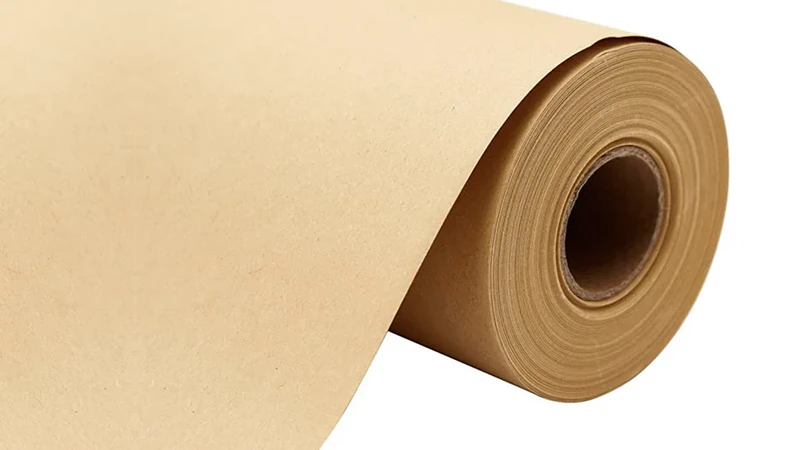
Understanding the Basics: What is Kraft Paper?
When we started sourcing flexible coffee packaging for our roastery, we needed something durable, sustainable, and reliable. That led us straight to kraft paper. Kraft paper is a high-strength material known for its exceptional durability and tear resistance. Unlike standard paper, it can withstand the heavy weight and sharp edges of whole-bean coffee without puncturing.
The Kraft Process
The secret to its strength lies in the manufacturing method. The kraft process involves converting wood into wood pulp by treating wood chips with a hot mixture of water, sodium hydroxide, and sodium sulfide. This process breaks down the lignin—the natural glue holding wood fibers together—leaving behind strong, long-lasting cellulose fibers. This structural integrity is exactly why it is a top choice for a reliable stand-up pouch for coffee beans.
Unbleached vs. Bleached Kraft Paper
The primary distinction between the two types of paper comes down to a post-processing step:
- Unbleached Kraft Paper (Brown): This is the pulp in its natural state. It retains its organic wood-brown color because it skips any chemical whitening. It is the go-to option for brands aiming for a rustic, raw, and highly sustainable look.
- Bleached Kraft Paper (White): This pulp undergoes a bleaching process to strip away the natural brown pigment, resulting in a clean, crisp, and bright white surface. It offers a smooth matte finish coffee pouches aesthetic that acts as a blank canvas for vibrant branding.
Key Differences Between White & Brown Kraft Coffee Bags
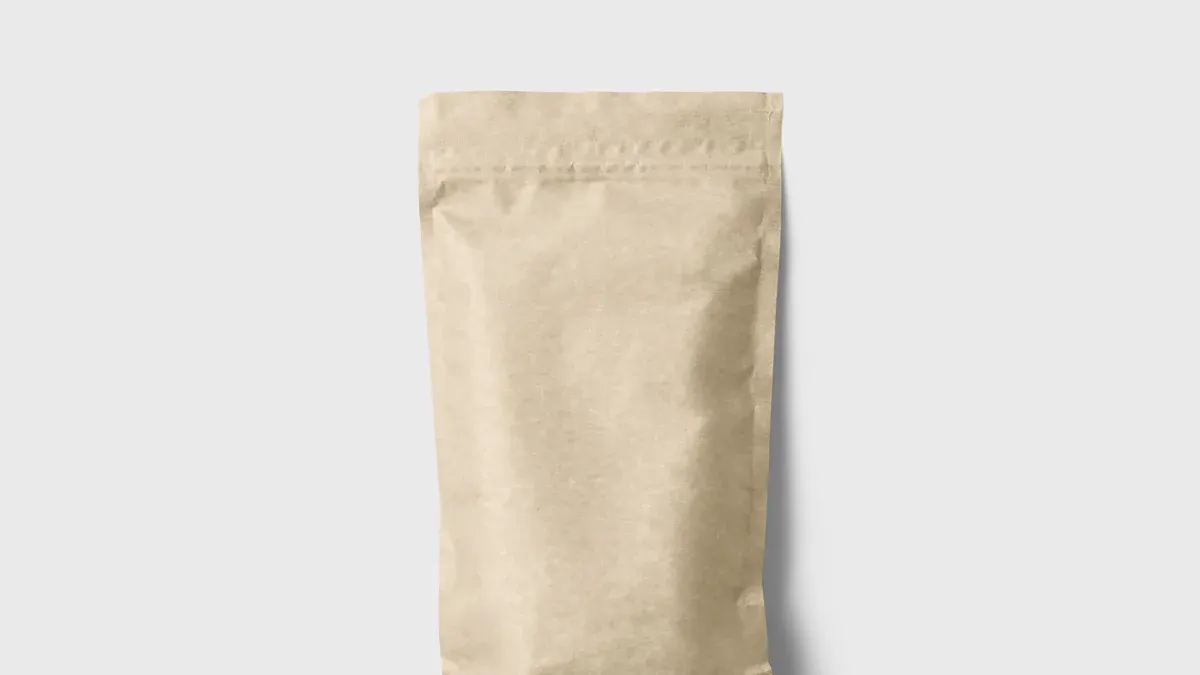
When choosing flexible coffee packaging, the choice between white and brown kraft paper impacts your brand identity, shelf appeal, and printing options. While both options offer excellent durability, they communicate different messages to your customers.
Visual Aesthetic & Brand Psychology
Brown kraft bags deliver an organic, rustic, and artisan vibe. They are a staple for specialty coffee branding because they instantly signal a premium, small-batch, or farm-to-cup product.
White kraft bags offer a clean, modern, and minimalist aesthetic. They feel high-end and contemporary, making them a popular choice for roasters who want to stand out on a crowded retail shelf with a sleek, clinical, or upscale presentation.
Printing Performance & Design Capabilities
The raw surface of the paper dictates how your artwork will look.
- Brown Kraft Paper: The natural dark background absorbs ink, which softens colors and mutes bright tones. It is perfect for minimalist designs, earthy color palettes, and black ink. If you want vibrant colors, you often need to print a white underlay first.
- White Kraft Paper: This serves as a blank canvas. It yields excellent contrast, crisp details, and highly accurate color reproduction. It easily accommodates full-color artwork, intricate graphics, and brand color consistency across packaging suppliers without needing a white base layer.
Consumer Sustainability Perception vs. Reality
United States consumers frequently judge a product’s eco-friendliness by its cover.
- The Perception: Shoppers automatically associate brown kraft paper with eco-friendly coffee packaging, assuming it is more natural and less processed.
- The Reality: Both white and brown kraft papers can be highly sustainable, often made from FSC-certified materials. White kraft paper simply undergoes a bleaching process to remove the natural lignin. In terms of true recyclability or compostability, the paper color matters far less than the interior barrier lining used to keep the coffee fresh.
| Feature | Brown Kraft Coffee Bags | White Kraft Coffee Bags |
|---|---|---|
| Visual Vibe | Rustic, artisan, traditional, earthy | Modern, clean, premium, minimalist |
| Ink Surface | Absorbent background (mutes colors) | Crisp white canvas (vibrant colors) |
| Best Design Match | Bold typography, black ink, simple logos | Full-bleed graphics, bright colors, fine details |
| Consumer Impression | Max naturally green and organic perception | Professional, high-end, contemporary perception |
Quick Reference: White & Brown Kraft Coffee Bags Comparison Table
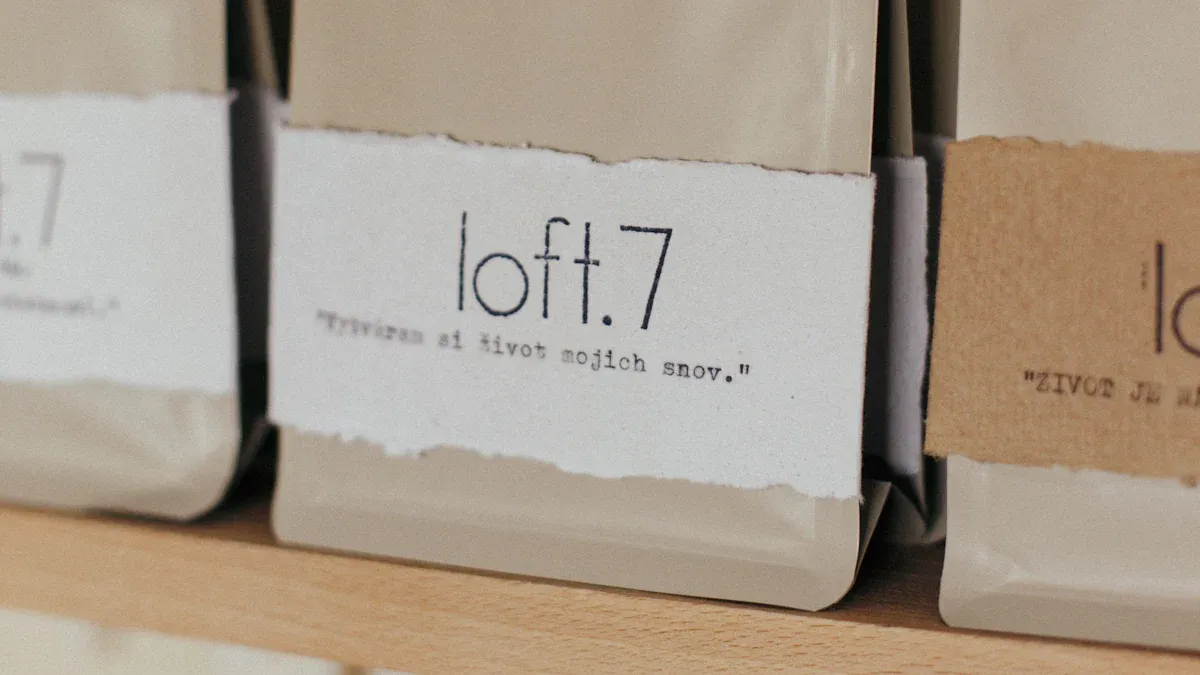
When choosing the right flexible coffee packaging, a direct comparison helps clarify which material aligns with your brand goals. Below is a quick breakdown of how white and brown kraft paper coffee bags stack up against each other in key performance and design areas.
| Feature | Brown Kraft Paper Coffee Bags | White Kraft Paper Coffee Bags |
|---|---|---|
| Primary Visual Vibe | Rustic, artisanal, organic, traditional | Clean, modern, premium, minimalist |
| Texture & Feel | Tactile, natural wood-grain texture | Smoother, more uniform matte finish |
| Ink Color Accuracy | Best for dark, earthy tones; colors may shift | High-fidelity color replication; true-to-shade |
| Full-Color Printing | Requires white under-print for bright colors | Excellent for vibrant, detailed custom graphics |
| Consumer Eco-Perception | High; automatically associated with recycling | Moderate; sometimes mistaken for less eco-friendly |
| Material Base | Unbleached wood pulp | Bleached wood pulp (FSC-certified options) |
| Surface Finish | Natural matte | Clean matte |
Selecting the ideal look depends heavily on your artwork complexity and your target market’s design expectations. If you want to dive deeper into how these outer materials integrate with protective elements like zippers or degassing valves, check out our insights on main considerations for custom design coffee bags to ensure your structural choices match your visual branding perfectly.
The Golden Rule of Coffee Packaging: The Inner Layer Matters Most
Why Paper Alone Isn’t Enough
While white and brown kraft paper coffee bags offer a fantastic look on the shelf, raw paper alone cannot protect your coffee beans. Paper is porous. Without an internal shield, oxygen, moisture, and light will rapidly degrade your specialty coffee branding, turning freshly roasted beans stale and robbing them of their distinct flavor profile within days.
To maintain a competitive coffee bag shelf life in the United States market, the exterior paper must always be paired with a high-performance internal barrier.
Barrier Structures Explained
The magic of reliable flexible coffee packaging happens on the inside. Depending on your brand values and shelf-life requirements, we engineer these bags using distinct multi-layer structures:
- Standard High-Barrier (Foil/VMPET): This structure utilizes an aluminum or metallized polyester inner layer. It provides the ultimate protection against oxygen and moisture, making it the industry standard for commercial distribution.
- Eco-Friendly Barrier (PLA/NK): For roasters prioritizing a fully sustainable footprint, a PLA compostable lining derived from plant-based resources offers a solid plant-based alternative.
- Recyclable Barrier (PE): This option pairs a kraft exterior with a specialized polyethylene inner layer, allowing the pouch to be processed in specific recycling streams. If you are exploring broader sustainability initiatives for your roastery, understanding how to manage waste, like how to recycle coffee grounds, can further strengthen your brand’s green identity.
Essential Additions
A premium barrier structure requires specific functional hardware to deliver a flawless consumer experience.
- One-Way Degassing Valve: Freshly roasted coffee releases carbon dioxide. A high-quality degassing valve allows this gas to escape without letting outside oxygen in, preventing bags from bloating or bursting.
- Resealable Zipper: A robust kraft paper pouch with zipper functionality ensures that customers can tightly reseal the bag after every use, locking in aroma and freshness until the very last scoop.
- Tear Notches: Clean, laser-scored tear notches allow consumers to open the sealed package effortlessly without needing scissors.
How to Choose the Right Option for Your Roastery
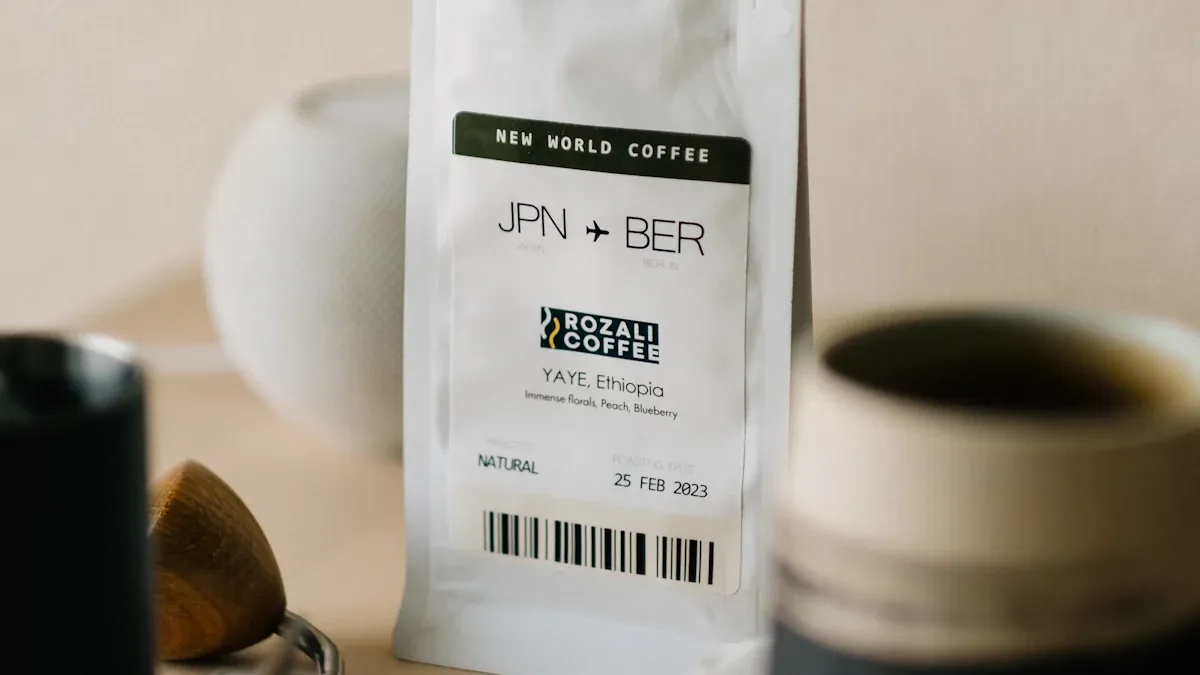
Choosing between white and brown kraft paper coffee bags comes down to your brand identity, design goals, and how you want to connect with your customers. Both options offer excellent structural integrity when paired with the right high-barrier lining, but they communicate entirely different messages on the retail shelf.
Choose Brown Kraft If:
- You emphasize an organic, rustic brand image: Brown kraft naturally signals sustainability and an artisanal, farm-to-cup story.
- Your design relies on minimalist or earthy tones: It is perfect for bold black typography, stamps, or simple single-color flexographic printing.
- Maximum eco-friendly perception is your priority: United States consumers automatically associate unbleached brown paper with earth-conscious products, making it a great match for certified organic blends. If you want to lean heavily into sustainable operations, pairing these with recyclable bags infrastructure strengthens your green marketing.
Choose White Kraft If:
- You need vibrant, full-color artwork: The bleached white canvas allows custom printed coffee bags to pop with accurate color reproduction and intricate graphics.
- Your brand aesthetic is modern and premium: White kraft delivers a clean, high-end, contemporary look that stands out in specialty grocery aisles.
- You want a crisp matte finish coffee pouch: It provides a smooth, pristine surface that looks sophisticated while maintaining the tactile, textured feel of real paper.
| Selection Factor | Brown Kraft Bags | White Kraft Bags |
|---|---|---|
| Brand Vibe | Rustic, artisanal, organic | Modern, clean, premium |
| Print Clarity | Best for dark, minimalist designs | Ideal for full-color, complex graphics |
| Shelf Presence | Warm, earthy, traditional | Bright, eye-catching, contemporary |
| Consumer Perception | High eco-friendly association | High specialty-tier association |
FAQs
Are white kraft paper coffee bags less eco-friendly than brown ones?
Not necessarily. While brown kraft paper is unbleached and requires fewer processing steps, white kraft paper can be just as sustainable if it is sourced from FSC-certified forests and processed using chlorine-free bleaching methods. The true environmental impact depends on the interior barrier. If you pair either paper option with a biodegradable pouches structure or a PLA compostable lining, you maintain a highly eco-friendly coffee packaging profile.
Can I use full-color printing on brown kraft bags?
You can, but the colors will render differently. Brown kraft paper absorbs ink and darkens the artwork, giving full-color printing a muted, earthy, or vintage look. For vibrant, high-fidelity custom printed coffee bags that require precise color matching, white kraft paper provides the clean canvas needed to make complex graphics pop.
Do these bags keep coffee beans fresh without a lining?
No. Raw paper is porous and offers zero protection against oxygen, moisture, and light. Without a proper barrier lining for coffee bags, your specialty coffee branding will suffer as the beans go stale within days. To secure a long coffee bag shelf life, always use a multi-layer laminated stand pouch bag that seals in freshness.
What is the role of a degassing valve in kraft coffee bags?
Freshly roasted coffee naturally releases carbon dioxide. A one-way degassing valve allows this trapped gas to escape from the flexible coffee packaging without letting outside oxygen creep back in. This essential addition prevents the bag from bloating or bursting while keeping your coffee tasting exactly as intended.