
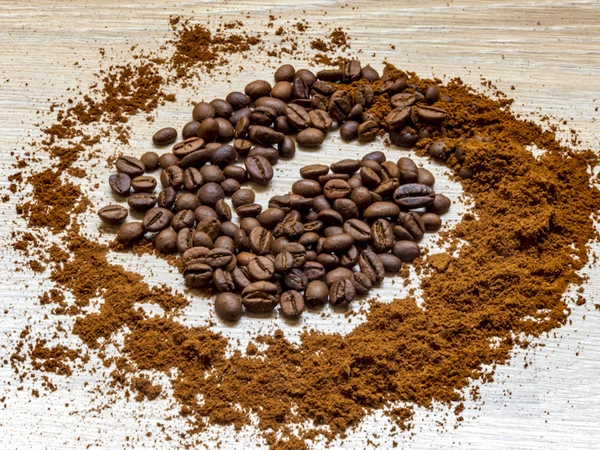
You stand in the coffee aisle, faced with a choice: whole bean coffee or ground coffee. If you want the best flavor, whole bean coffee wins. Grinding just before brewing helps preserve the rich aromas and bold notes that coffee lovers crave. Many people pick whole beans for freshness, the ability to control grind size, and the joy of experimenting with different brewing methods. Others reach for ground coffee because it is quick, easy, and ready to brew. The whole bean coffee vs ground coffee debate often comes down to what matters most to you—freshness or convenience.
Quick Answer
Flavor Winner
If you want the best flavor in your cup, whole bean coffee takes the crown. When you grind coffee beans just before brewing, you unlock the freshest aromas and the richest taste. Expert coffee tasters agree that freshly ground beans deliver a brighter, more complex flavor. Alex Choppin, a coffee specialist, explains that a good grinder creates even coffee particles. This helps you control the taste and aroma, making each cup more balanced and enjoyable. Many baristas and coffee lovers notice that pre-ground coffee loses its brightness and fruity notes within hours. After a week, the flavor becomes dull and flat. Freshly ground whole bean coffee keeps its strong aroma, fuller taste, and lively “bloom” when you brew it. You get a cup that feels alive and full of character.
Why It Matters
You might wonder why grinding coffee right before brewing makes such a big difference. The answer lies in what happens to coffee after grinding:
Grinding increases the surface area of coffee by over 10,000 times, which speeds up oxidation and the loss of aroma and flavor.
Carbon dioxide, which protects the beans, escapes quickly after grinding, leaving the coffee open to staling.
Sweet-smelling and buttery aromas are released right away but fade fast as they react with oxygen.
Oxidation can create off-flavors, like green pea or ash, and antioxidants in coffee break down, making the taste less fresh.
When ground coffee sits, it loses the special volatile compounds that give coffee its signature smell and taste. Dr. Christopher Hendon, a coffee science expert, explains that these compounds are key to the full flavor experience. As they disappear, your coffee loses complexity and becomes less enjoyable. This is why, in the whole bean coffee vs ground coffee debate, freshness and flavor go hand in hand. If you want to taste all the unique notes in your coffee, grinding whole beans right before brewing is the way to go.
Whole Bean Coffee vs Ground Coffee
What Is Whole Bean Coffee?
Whole bean coffee is coffee in its purest roasted form. You get the entire roasted bean, which you grind just before brewing. This method keeps your coffee fresher and lets you control the grind size for your favorite brewing style. When you choose whole bean coffee, you unlock the full potential of your cup.
Whole bean coffee is roasted but not ground, so it stays fresher longer.
You can adjust the grind size for different brewing methods, like espresso or French press.
Grinding right before brewing helps preserve aroma and flavor.
Many people think whole bean coffee is hard to use, but with a simple grinder, you can enjoy a fresher, more flavorful cup. You also get more control over your coffee’s taste and strength. This is a big reason why the whole bean coffee vs ground coffee debate often centers on freshness and customization.
Tip: Store your whole beans in an airtight container to keep them fresh and aromatic.
What Is Ground Coffee?
Ground coffee is coffee that has already been ground from whole beans. It is ready to brew, making it a popular choice for busy mornings or quick cups. You do not need a grinder, so it saves time and effort.
Ground coffee is made by grinding roasted beans into small particles.
It offers convenience but loses freshness faster because more surface area is exposed to air.
The grind size is set at the factory, so you cannot change it for different brewing methods.
You might think ground coffee tastes as fresh as whole bean coffee, but it loses aroma and flavor quickly after grinding. Oxygen exposure speeds up staling, so your coffee may taste flat if it sits too long. In the whole bean coffee vs ground coffee discussion, ground coffee wins for convenience but not for freshness or versatility.
Feature | Whole Bean Coffee | Ground Coffee |
|---|---|---|
Freshness | Lasts longer | Loses quickly |
Customization | High | Low |
Convenience | Needs grinder | Ready to brew |
Key Differences
Freshness
Freshness is one of the biggest factors in the whole bean coffee vs ground coffee debate. Whole bean coffee stays fresh longer because the beans have less surface area exposed to air. When you grind coffee, you increase the surface area, which speeds up oxidation and staling. If you store whole beans at room temperature, you may not notice much difference in taste for the first few days. After about a month, though, the flavor starts to fade. Freezing whole beans can help them stay fresh for up to three months, but you need to avoid moisture. Ground coffee, on the other hand, loses its freshness quickly—often within a week or two. Airtight containers slow down the process, but every time you open the container, fresh oxygen gets in and speeds up staling.
Flavor & Aroma
You experience the best flavor and aroma when you use whole bean coffee. Whole beans protect the delicate oils and aroma compounds from air, light, and moisture. After roasting, whole beans reach peak aroma in about a week and keep it for another two to three weeks. Ground coffee peaks in freshness and aroma in less than 10 days and then loses its rich smell and taste quickly. Grinding releases aromatic oils, but it also starts the clock on aroma loss. Finer grinds lose freshness even faster. Proper storage helps, but whole beans always hold onto their flavor and aroma longer than ground coffee.
Convenience
If you want speed and simplicity, ground coffee is the clear winner. You can scoop and brew it right away, which saves time and effort. This makes ground coffee perfect for busy mornings or when you need a quick cup. Whole bean coffee requires you to grind the beans before brewing, which adds an extra step. Many people still choose whole beans for the better taste, but if you value convenience, ground coffee fits your lifestyle.
Ground coffee: Ready to brew, saves time
Whole bean coffee: Needs grinding, takes more effort
Cost
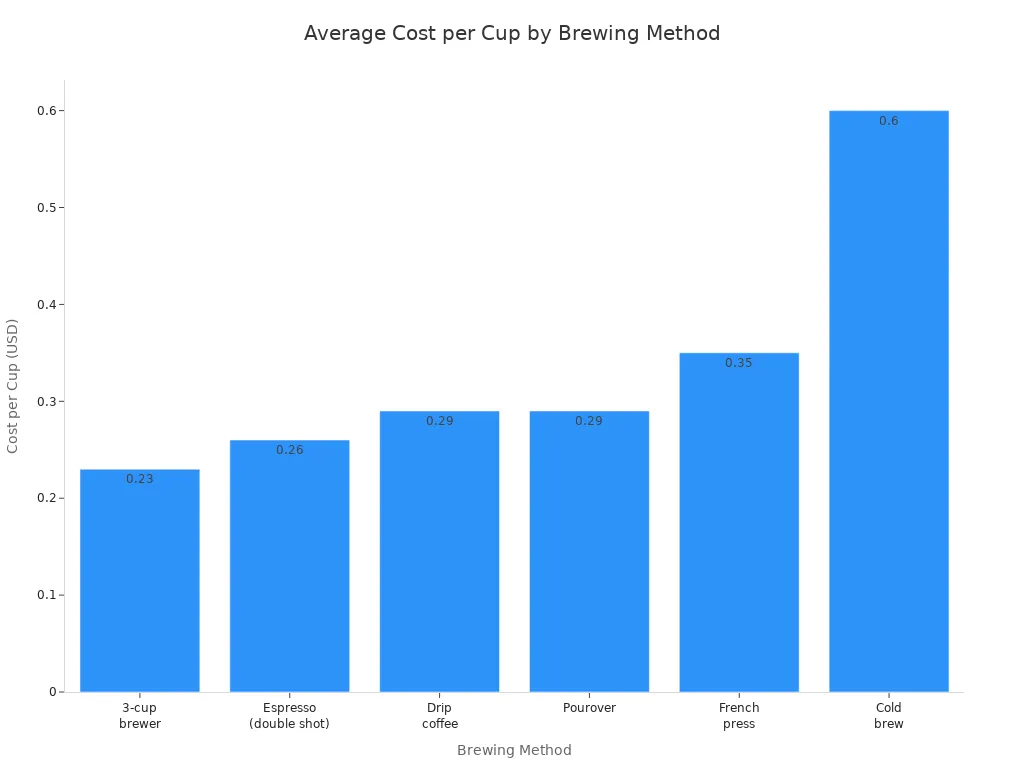
Whole bean coffee usually costs more than ground coffee. You pay extra for higher quality beans and sometimes for single-origin varieties. You also need to buy a grinder, which adds to the cost. Shipping whole beans to keep them fresh can be more expensive. Ground coffee is often cheaper and easier to find. Here is a quick look at average costs per cup for different brewing methods:
Brewing Method | Coffee Amount (grams) | Cost per Cup (USD) |
|---|---|---|
3-cup brewer | 17 | 0.23 |
Espresso (double shot) | 18-21 | 0.24 – 0.28 |
Drip coffee | ~21 | 0.29 |
Pourover | ~21 | 0.29 |
French press | 27 | 0.35 |
Cold brew | 44 | 0.60 |
Customization
Whole bean coffee gives you the most control over your cup. You can choose the grind size to match your brewing method—coarse for French press, fine for espresso, and so on. This lets you adjust the flavor, strength, and texture of your coffee. You can also experiment with different brewing styles and recipes. Ground coffee comes pre-ground, so you cannot change the grind size or customize your brew as much. If you enjoy the ritual of making coffee and want to tailor every cup, whole bean coffee is the best choice.
Customization Aspect | Description |
|---|---|
Grind Size Control | Adjust grind for bitterness, sourness, and brewing speed |
Brewing Method Matching | Choose grind size for French press, drip, espresso, and more |
Flavor Adjustment | Fine-tune taste and strength to your liking |
Freshness & Storage
Shelf Life
You want your coffee to taste as fresh as possible. The form of your coffee—whole bean or ground—makes a big difference in how long it stays fresh. Whole bean coffee keeps its flavor and aroma longer because less surface area is exposed to oxygen. Ground coffee, with its tiny particles, loses freshness faster as more air reaches the coffee. Oxygen exposure causes oxidation, which leads to staling and off-flavors.
Coffee Form | Typical Shelf Life Under Proper Storage |
|---|---|
Whole Bean | Up to 9 months |
Ground Coffee | 3 to 5 months |
Whole beans slow down the loss of aroma and flavor, while ground coffee stales quickly. Proper storage—like using airtight containers and keeping coffee away from heat, light, and moisture—helps extend shelf life. Packaging plays a huge role here. Bags with one-way valves let gases escape but block oxygen, keeping coffee fresher. Vacuum-sealed and nitrogen-flushed bags also protect against staling. Screw cap packaging works best for whole beans after opening, while resealable, opaque bags help ground coffee last longer.
Best Storage Tips
You can keep your coffee tasting great by following a few simple storage tips:
Use airtight containers to block air and moisture.
Store coffee in a cool, dark place, away from sunlight and heat.
Avoid refrigeration, as it introduces moisture and odors.
Grind beans just before brewing for the freshest cup.
Buy coffee in small amounts to use within a few weeks.
Choose packaging with one-way valves or resealable zippers.
Tip: Specialty bags with one-way valves allow carbon dioxide to escape while keeping oxygen out, which helps maintain freshness.
For ground coffee, packaging matters even more. BN Pack’s Coffee Grounds Pouches use advanced features like nitrogen flushing, vacuum sealing, and one-way valves. These technologies protect your coffee from oxygen, moisture, and UV light, keeping the flavor and aroma locked in. BN Pack also offers eco-friendly options that preserve freshness while supporting sustainability. With the right packaging and storage, you enjoy every cup at its best.
Packaging Matters
Why Packaging Is Important
You might not think about packaging when you enjoy your morning coffee, but it plays a huge role in keeping your coffee fresh and flavorful. Coffee is sensitive to its environment. If you leave it exposed, it quickly loses its aroma and taste. Good packaging protects coffee from three main threats: light, air, and moisture.
Multilayer packaging materials, such as polyethylene, PET, and aluminum foil, block moisture, light, and oxygen.
The outer layer adds strength, while the foil layer acts as a barrier against air and water.
Airtight seals and one-way valves keep air and moisture out, locking in freshness.
Opaque or light-blocking packaging prevents ultraviolet rays from breaking down flavor compounds.
Moisture-proof packaging stops beans from absorbing water, which can cause mold and spoilage.
Modern packaging also offers resealable closures for convenience and tamper-evident features for safety.
When you choose coffee, look for packaging that uses these protective features. This helps you enjoy a cup that tastes as good as the day it was roasted.
BN PACK Coffee Grounds Pouches
BN PACK Coffee Grounds Pouches give you advanced protection for your coffee. These pouches use durable, sustainable materials that shield your coffee from oxygen, moisture, and light. The resealable zipper and heat-seal liner create an airtight seal, so your coffee stays fresh after every use. One-way degassing valves let carbon dioxide escape without letting oxygen in, which keeps your coffee’s flavor and aroma at their peak.
You also get extra convenience. Tear-notches make the pouches easy to open, and the strong materials prevent leaks and spills. Matte or gloss finishes add moisture resistance and a premium look. BN PACK offers compostable and recyclable options, so you can choose packaging that matches your values.
Feature | Benefit for You and Coffee Brands |
|---|---|
High-Barrier Materials | Keep coffee fresh by blocking air, moisture, and light |
One-Way Degassing Valve | Maintains flavor by letting gas out but keeping oxygen away |
Resealable Closures | Easy to use and keeps coffee fresh after opening |
Eco-Friendly Options | Supports sustainability and reduces waste |
Customizable Packaging | Lets brands stand out and makes your coffee experience unique |
With BN PACK Coffee Grounds Pouches, you get coffee that stays fresh, tastes great, and comes in packaging you can trust.
Whole Bean Coffee vs Ground Coffee: Which to Choose?
For Freshness Seekers
If you want the freshest cup possible, whole bean coffee is your best choice. Whole beans keep their flavor and aroma longer because they limit exposure to oxygen. When you grind beans just before brewing, you preserve the natural oils and complex notes that make coffee taste special. Ground coffee starts to lose its freshness right after grinding. The increased surface area lets oxygen in, which causes the flavor to fade quickly—often within ten days.
Tip: Buy whole beans and grind only what you need for each brew. This simple step helps you enjoy coffee at its peak.
Here’s a quick comparison to help you decide:
Factor | Whole Bean Coffee | Ground Coffee |
|---|---|---|
Freshness Retention | Retains freshness longer due to less oxygen exposure; preserves flavor and aroma | Loses freshness faster due to increased surface area; flavor fades after 2-3 weeks |
Preparation Time | Requires time and patience to grind and measure; allows customization of grind size | Convenient and quick; no grinding needed; ideal for tight schedules |
Consumption Habits | Better for less frequent drinkers who savor the brewing process | Suitable for frequent drinkers who consume coffee within a short period |
If you love savoring every cup and want the best aroma, choose whole bean coffee. If you drink coffee quickly and finish a bag within a week or two, ground coffee can still work for you.
For Convenience Lovers
You may prefer coffee that fits into a busy routine. Ground coffee offers the ultimate convenience. You do not need a grinder or extra equipment. Just scoop, brew, and go. This makes ground coffee perfect for mornings when you need a quick cup before heading out.
Whole bean coffee takes more effort. You need to grind the beans each time, which adds a few minutes to your routine. Some people enjoy this ritual, but if you want speed and simplicity, ground coffee is the clear winner.
Note: Ground coffee is ideal for offices, dorms, or anyone who values speed over customization.
For Different Brewing Methods
Your favorite brewing method can help you decide between whole bean and ground coffee. Some methods work best with freshly ground beans, while others are more forgiving.
Whole bean coffee shines with French press and espresso. Grinding just before brewing lets you control the grind size, which is important for these methods. You get a richer, more complex flavor.
Ground coffee works well with drip coffee makers, pour-over, Aeropress, and moka pots. These methods are quick and easy, making them great for pre-ground coffee.
Here’s a table to guide your choice:
Brewing Method | Description / Popularity | Grind Recommendation |
|---|---|---|
Pour-Over | Great for 1-2 cups; allows flavor control; popular manual brewers include V60, Chemex | Fine to medium-coarse depending on brewer size |
French Press | Easy way to make full-bodied coffee; immersion method; results in stronger flavor | Coarse grind (like sea salt) |
Espresso | Much more concentrated; requires fine grind and espresso machine | Fine grind |
Cold Brew | Smooth, sweet, less acidic; steep grounds in cold water 12-24 hours | Coarse to medium |
Tip: If you like to experiment with different brewing styles, whole bean coffee gives you more control. If you stick to one method and want fast results, ground coffee is a solid choice.
For Sustainability
If you care about the environment, your coffee packaging matters as much as your beans. BN PACK offers a range of eco-friendly packaging options for both whole bean and ground coffee. You can choose recyclable, biodegradable, or compostable pouches made from materials like kraft paper, plant-based resins, and PLA-lined films. These options help reduce waste and support a greener future.
Kraft paper bags are 100% recyclable and compostable.
Bio-based barrier bags use plant-derived materials.
Recyclable monolayer pouches make recycling easy.
Compostable kraft paper bags work for home and industrial composting.
High-barrier recycled content pouches use post-consumer materials.
PLA-lined bags provide a biodegradable barrier.
BN PACK also uses water-based inks and plant-based adhesives, which are safer for the environment. Resealable closures like ziplocks and Velcro zippers help keep your coffee fresh and reduce waste.
Choosing sustainable packaging supports your values and helps protect the planet. BN PACK’s custom solutions let you enjoy great coffee while making an eco-friendly choice.
When you compare whole bean coffee vs ground coffee, think about what matters most to you—freshness, convenience, brewing style, or sustainability. Each option has strengths that fit different lifestyles. With the right choice and the right packaging, you can enjoy a delicious cup and feel good about your impact.
You now know that whole bean coffee gives you the best flavor and freshness. Grinding just before brewing keeps the natural oils and aroma locked in. If you want speed, ground coffee offers convenience but may lose some taste.
Choose whole beans for vibrant flavor and control over your brew.
Pick ground coffee for quick, easy mornings.
Look for sustainable packaging to support the planet.
Try both and see which fits your lifestyle. No matter your choice, enjoy every cup! ☕️
FAQ
How long does ground coffee stay fresh after opening?
You should use ground coffee within two weeks after opening. Store it in an airtight container away from light and moisture. This helps keep the flavor and aroma strong.
Can you use ground coffee in all brewing methods?
You can use ground coffee in most brewing methods. However, the grind size may not match every method. For best results, choose a grind that fits your brewer, or grind whole beans yourself.
What is the best way to store whole bean coffee?
You should keep whole bean coffee in a cool, dark place. Use an airtight container. Avoid the fridge or freezer, as moisture can spoil the beans.
Are BN PACK Coffee Grounds Pouches recyclable or compostable?
BN PACK offers both recyclable and compostable pouches. You can choose eco-friendly options made from plant-based or single-material films. This helps you reduce waste and support a greener planet.