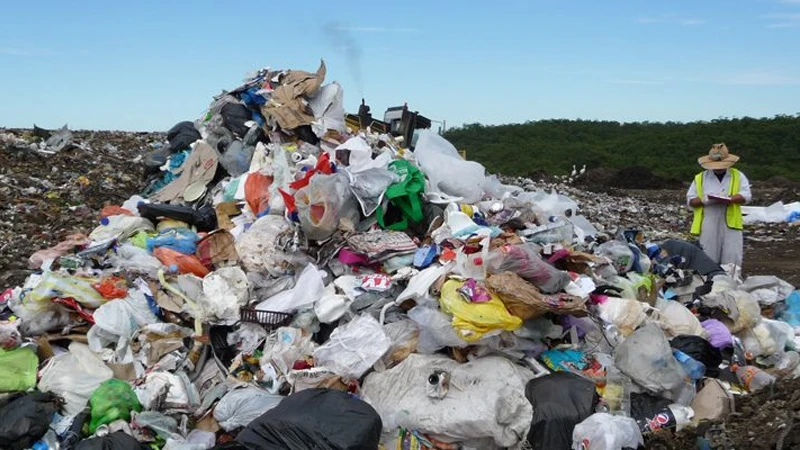
Understanding the environmental impact of flexible packaging remains crucial as packaging waste now accounts for about 40% of global plastic waste. In the United States alone, packaging makes up 37% of plastic waste, affecting land, water, and air quality.
BN Pack stands out by offering innovative flexible packaging materials, including recyclable and biodegradable options. Their lightweight, customizable solutions help reduce waste and support a shift toward more sustainable packaging practices.
What Is Flexible Packaging?
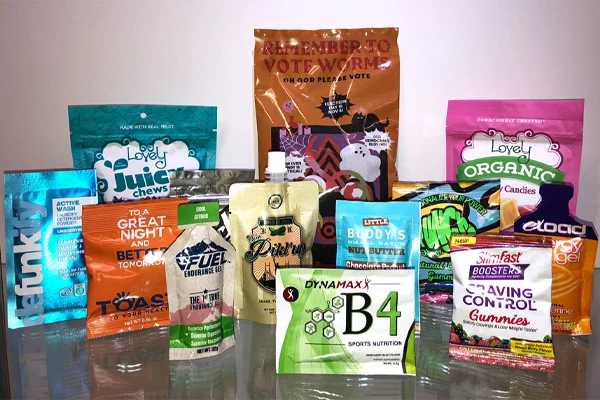
Flexible packaging refers to any packaging made from materials that can bend, fold, or change shape easily. These materials protect products while using less space and weight than rigid packaging. Flexible packaging often comes in the form of pouches, bags, wraps, and films. Companies like BN Pack design these solutions to keep products fresh, safe, and appealing on store shelves.
Types of Materials
Flexible packaging uses a wide range of materials, each with unique properties and environmental profiles. Some materials are recyclable, while others are biodegradable or made from renewable resources. The table below highlights several common materials, their environmental benefits, and typical uses:
Material | Environmental Profile | Key Properties and Uses |
|---|---|---|
Polyolefin (POF) | 100% recyclable; reduces plastic use | Shrink film; puncture resistant; used for candy, books, retail |
Polyethylene Terephthalate (PET) | 100% recyclable; recycled into fibers and yarns | Tough, clear; good moisture and gas barrier; food jars, trays |
Starch-Derived Polylactic Acid (PLA) | ~90% biodegradable; plant-based bioplastic | Made from sugarcane, potatoes; used as biodegradable alternative |
Other plant-based options include bagasse, a renewable by-product of sugarcane, and cellulose, a fully biodegradable material from plants. These materials help reduce reliance on fossil fuels and support a circular economy.
Tip: Choosing the right material can lower environmental impact and improve product shelf life.
Common Uses
Flexible packaging serves many industries and products. Its lightweight and adaptable nature makes it a popular choice for both manufacturers and consumers. Some common uses include:
Food packaging for snacks, coffee, bakery items, and fresh produce
Pharmaceutical packaging for pills, powders, and medical devices
Chemical packaging for fertilizers, minerals, and cleaning agents
Industrial packaging for insulation, wood pellets, and soil products
Flexible packaging also appears in mailers, retail bags, and specialty pouches. Its advanced barrier properties protect products from moisture, oxygen, and contaminants, which helps extend shelf life and reduce waste. By using less material and space, flexible packaging supports efficient shipping and storage, lowering transportation costs and environmental footprints.
Flexible packaging continues to evolve, offering more sustainable options and supporting responsible supply chains across many sectors.
Environmental Impact Overview
Lifecycle Impacts
Flexible packaging materials create a significant shift in the environmental impact of packaging. These materials use less raw material and energy during production compared to rigid packaging. For example, a flexible pouch with a zipper emits up to 726% less greenhouse gas than a rigid PET container. Water usage also drops sharply, with an HDPE bottle using over five times more water than a flexible pouch. The lightweight nature of flexible packaging means that transportation requires fewer resources. One truckload of flat pouches can replace up to 25 truckloads of empty rigid containers, which lowers emissions and reduces shipping costs.
Flexible packaging extends the shelf life of food products. This benefit helps reduce food waste, which is a major contributor to landfill waste and greenhouse gas emissions. A single-serve juice pouch, for instance, achieves a 97% product-to-package ratio. This high ratio means less packaging waste per unit of product. Although recycling flexible packaging can be challenging due to multi-material layers, new solutions like mono-material films and chemical recycling are emerging. These innovations promise to further reduce the environmental impact over the entire lifecycle.
BN Pack uses materials such as polyethylene (PE), polypropylene (PP), paper-based films, and biodegradable options. These materials help lower the carbon footprint of packaging. Biodegradable films, including those made from starch or PLA, break down into harmless substances within a year under proper conditions. This process reduces the amount of plastic waste that ends up in landfills. Paper-based options, like Kraft paper and rice paper, come from renewable resources and support responsible consumption.
Note: Flexible packaging not only protects products but also helps brands meet sustainability goals by reducing resource use and waste.
Resource Efficiency
Resource efficiency stands as a key advantage of flexible packaging. These materials require less energy and fewer raw materials to produce. The table below compares flexible and rigid packaging across several environmental impact metrics:
Environmental Impact Metric | Flexible Packaging vs. Rigid Packaging |
|---|---|
Greenhouse Gas Emissions | Rigid PET container emits 726% more GHG than flexible pouch |
Water Usage | HDPE bottle uses 513% more water than flexible pouch |
Fossil Fuel Usage | Rigid pail consumes 1,429% more fossil fuel than flexible bag |
Material to Landfill | Thermoformed tubs produce 31% more landfill waste |
Water Usage (Steel Can) | Steel can uses 1,605% more water than flexible pouch |
Product-to-Package Ratio | Flexible juice pouch has 97% product-to-package ratio |
BN Pack’s use of PE and PP films supports resource efficiency. These materials belong to the sustainable films market, which is growing as brands and consumers seek to reduce plastic waste. Biodegradable films, such as those made from wheat fiber or starch, offer renewable and compostable alternatives to fossil fuel-based plastics. These films decompose naturally, lowering petroleum use and reducing carbon emissions.
Paper-based packaging from BN Pack, including Kraft and rice paper, provides a natural look while supporting environmental sustainability. These materials come from renewable sources and help reduce the environmental impact of packaging. By choosing the right combination of materials, brands can achieve both product protection and resource efficiency.
Choosing flexible packaging helps companies lower their environmental impact, save on shipping and storage, and support a circular economy.
Flexible vs. Traditional Packaging
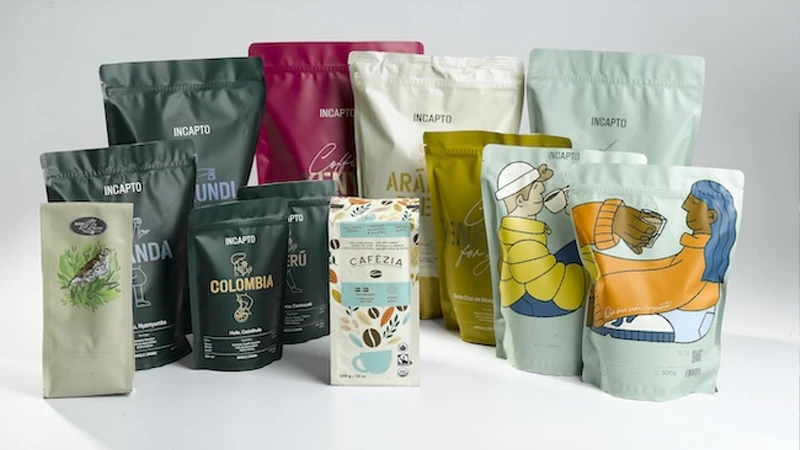
Material and Energy Use
Flexible packaging stands out for its efficient use of materials and energy. Companies use less raw material to make flexible pouches and films, which results in lighter packages. This lighter weight means manufacturers need less energy to produce and transport these packages. Fewer shipments are needed, so trucks burn less fuel and release less carbon dioxide into the air.
Traditional packaging, such as glass jars, metal cans, and rigid plastic containers, uses heavier materials. These materials require more energy to produce and move. For example, glass and aluminum need high temperatures during manufacturing, which increases energy use. Rigid packaging also takes up more space, leading to higher transportation costs and emissions.
According to the Flexible Packaging Association, flexible packaging generally uses less energy across its entire lifecycle and helps reduce product waste. About half of flexible plastics are recyclable through drop-off programs, and new recycling methods are making even more flexible packaging recyclable.
Key differences in material and energy use:
Flexible packaging uses less material overall.
Lighter packages require less energy for manufacturing and shipping.
Lower transportation energy reduces CO2 emissions.
Rigid packaging uses heavier materials, increasing energy use and emissions.
Flexible packaging offers strong barrier protection with less material.
Waste and Pollution
Flexible packaging helps reduce waste and pollution in several ways. Its lightweight design means less packaging ends up in landfills. The high product-to-package ratio means more product and less waste per package. Flexible packaging also protects products better during shipping, reducing product loss from breakage or spoilage.
Traditional packaging often creates more waste because it is heavier and more likely to break or dent. This leads to higher transportation emissions and more landfill waste. Recycling rigid packaging can be easier, but it also faces problems like contamination and bulkiness.
Lifecycle studies show that flexible packaging uses less fossil fuel, water, and creates fewer greenhouse gas emissions than glass or metal packaging. Innovations in mono-material films and recycling programs continue to improve the environmental impact of flexible packaging.
Flexible packaging extends shelf life with airtight seals and high-barrier films, which helps cut down on food waste and pollution.
Misconceptions and Realities
Recyclability
Many people believe that all flexible packaging can be recycled easily, but the reality is more complex. Several myths surround the recyclability of flexible packaging:
Many think that plastics placed in curbside recycling bins get recycled into new packaging. In truth, most flexible plastics are downcycled into products like plastic lumber or textiles, not reused as packaging.
The chasing arrows symbol often confuses consumers. This symbol only shows the type of plastic resin, not whether the item is recyclable in local programs.
Some believe that curbside collection reduces plastic waste in landfills. However, increased collection can sometimes lead to more plastic use, and only a small fraction is actually recycled.
Flexible packaging is technically recyclable, but real-world recycling rates remain very low. In the U.S., less than 1% of flexible packaging gets recycled each year, much lower than rates for glass or aluminum.
The complexity of flexible packaging, with its multiple layers and different polymers, makes sorting and recycling difficult. Lightweight bags can jam recycling machinery, and many facilities do not accept them.
Note: BN Pack offers recyclable options like mono-material PE and PP films, which help address some of these challenges. New recycling technologies and better collection systems are also improving the outlook for flexible packaging.
Biodegradability
Biodegradable and compostable packaging also face several misconceptions. Many people assume that all bioplastics or compostable bags will break down quickly in any environment. Scientific studies show a different story:
Most compostable plastics need industrial composting conditions—high heat, moisture, and oxygen—to degrade fully. In home composting or natural environments, many items labeled as compostable remain intact for months or even years.
Not all bioplastics are compostable. Some, like renewable PET, behave just like traditional plastics and do not break down naturally.
Biodegradable plastics can fragment into microplastics rather than fully degrading, which can still harm the environment.
Certification labels do not always guarantee full biodegradation in every setting. Some composters avoid processing compostable packaging due to concerns about contamination and incomplete breakdown.
BN Pack’s biodegradable films, such as PLA and starch-based options, are designed for industrial composting. They offer a lower-impact alternative when disposed of properly. However, reducing single-use plastics and improving composting infrastructure remain important steps for a truly sustainable future.
Sustainable Solutions
Recyclable and Biodegradable Options
BN Pack offers a wide range of sustainable flexible packaging materials. Their product line includes recyclable plastics like polyethylene (PE) and polypropylene (PP), paper-based materials such as Kraft and rice paper, advanced composite structures, and biodegradable films made from PLA and starch. Each material serves a different purpose and supports sustainability in unique ways.
Material Type | Key Features | Environmental Benefit | Typical Applications |
|---|---|---|---|
Polyethylene (PE) | Lightweight, strong barrier, mono-material option | Recyclable, reduces plastic waste | Snacks, dry foods, frozen goods |
Polypropylene (PP) | High clarity, heat resistant | Recyclable, compatible with drop-off programs | Microwavable meals, bakery items |
Paper-Based | Renewable, printable, natural look | Compostable, supports responsible sourcing | Coffee, organic foods, specialty teas |
Composite Structures | Layered barriers, customizable | Reduces food waste, extends shelf life | Coffee beans, nutraceuticals |
Biodegradable Films | PLA, starch-based, compostable | Breaks down in industrial composting, reduces landfill impact | Produce, bakery, snacks |
BN Pack helps brands select the right material by considering product type, shelf life needs, and sustainability goals. Their team uses advanced technology to reduce waste and carbon footprints. Packaging is designed for easy recycling or composting, supporting a circular economy.
Brands working with BN Pack can customize packaging with digital printing, various sizes, and finishes. This approach ensures both sustainability and strong brand identity.
Certifications play a vital role in verifying the sustainability of these materials. Third-party labels like the Biodegradable Products Institute (BPI) for compostability, the Association of Plastic Recyclers (APR) for recyclability, and the Forest Stewardship Council (FSC) for responsible paper sourcing provide assurance. These certifications help brands build trust with consumers and meet regulatory requirements.
Innovations in Design
Recent advancements in flexible packaging design drive sustainability forward. Manufacturers now use improved manufacturing techniques, such as optimized injection molding and 3D printing, to create complex shapes and reduce waste. Enhanced barrier properties, including nanocomposites and multilayer biopolymer films, protect products from moisture and oxygen. This innovation extends shelf life and maintains freshness.
Technological Advancement | Description | Impact / Benefits |
|---|---|---|
Improved Manufacturing | Advanced molding and printing for biodegradable materials | Customization, less waste |
Enhanced Barrier Properties | Nanocomposites, multilayer films | Longer shelf life, better product protection |
Active & Intelligent Packaging | Oxygen scavengers, antimicrobial agents, sensors | Real-time monitoring, reduced spoilage |
Biodegradable Inks | Natural pigments, water-based formulations | Safer for environment, improved aesthetics |
Edible Coatings and Films | Food-grade, natural coatings | Less packaging waste, improved food safety |
Biodegradable Adhesives | Natural polymer-based adhesives | Sustainable sealing and labeling |
Design innovations also focus on lightweighting and material reduction. Flexible packaging uses less raw material and energy than rigid packaging. This results in a smaller carbon footprint and lower transportation emissions. Mono-material films and compostable options make recycling and composting easier. High-barrier films and resealable zippers help keep food fresh, reducing food waste.
Sustainable packaging now often features water-based inks instead of solvent-based systems. This change lowers environmental impact and waste. Barrier-coated papers replace plastic and aluminum, offering recyclable alternatives without losing performance. Smart packaging features, such as sensors and QR codes, provide transparency and traceability, meeting consumer demand for ethical and eco-friendly products.
BN Pack works closely with brands to ensure packaging meets both environmental standards and functional needs. Their experts guide clients through material selection, design customization, and certification processes. This partnership helps brands stand out in the market while supporting global sustainability goals.
Sustainable packaging design not only protects products but also supports a healthier planet. Brands that invest in these solutions show leadership in environmental responsibility.
Reducing Environmental Impact
Industry Initiatives
Many industries now focus on reducing the environmental impact of flexible packaging. Companies use recycled paper and cardboard in food and beverage packaging. Retailers choose bioplastics and reusable materials for their products. E-commerce businesses adopt biodegradable materials like polyvinyl alcohol to lower waste. These changes help reduce single-use plastics and support a cleaner environment.
Regulatory frameworks and certifications encourage companies to use sustainable materials. Governments offer tax breaks and set standards for eco-friendly packaging. Global policies push for zero waste and promote biodegradable options. Industry guidelines make sure packaging meets environmental standards. Companies also invest in research and development to create new materials and improve recycling systems. For example, Unilever develops paper-based flexible packaging with coatings that are both recyclable and compostable. The company increases the use of recycled plastics and supports waste collection projects worldwide. Unilever also promotes reusable and refillable packaging models, helping to build a circular economy.
Industry-wide efforts combine material innovation, recycling advancements, and consumer education to create lasting change.
Consumer Choices
Consumer behavior plays a big role in shaping the future of sustainable packaging. Many people now prefer products with eco-friendly packaging. Their choices influence companies to adopt greener solutions. Here are some key trends:
74% of consumers say they are willing to pay more for products with sustainable packaging.
Major brands like Unilever and Nestlé report higher customer loyalty after switching to sustainable packaging.
Companies such as Patagonia and Lush attract loyal customers by making sustainability a core value.
Clear messaging about eco-friendly practices helps brands connect with environmentally conscious buyers.
Consumer demand pushes businesses to innovate and prioritize sustainable packaging.
Government regulations also impact consumer choices. Many countries have rules that promote resource conservation, recyclability, and the use of renewable materials. Programs like Extended Producer Responsibility hold companies accountable for recycling and waste management. Bans on single-use plastics and standards for compostable packaging encourage both companies and consumers to make better choices.
When consumers choose products with sustainable packaging, they support a healthier planet and encourage more companies to follow suit.
Future Directions
Challenges Ahead
The flexible packaging industry faces several important challenges as it moves toward greater sustainability. Many flexible packaging materials remain non-recyclable, which limits their end-of-life options. Most municipal recycling systems are designed for rigid containers, not flexible films or pouches. This mismatch makes collection and processing difficult. The U.S. recycling system is especially fragmented, with thousands of different programs, making it hard to create a unified approach.
Other challenges include:
Limited end markets for recycled flexible packaging materials, which slows progress toward a circular economy.
High costs for developing new recycling and waste management technologies.
Public concern about visible waste and litter, which affects the industry’s reputation.
Growing demand for recyclable and compostable packaging, which puts pressure on companies to innovate quickly.
Many companies now invest in advanced recycling methods and extended producer responsibility programs to address these issues. However, full circularity remains a significant hurdle.
Opportunities for Improvement
Despite these challenges, the future holds many opportunities for improving the environmental performance of flexible packaging. Companies can use post-consumer recycled (PCR) content in films like PE and PET to reduce the need for new plastic. Adding bio-based or renewable materials helps lower carbon emissions and dependence on fossil fuels.
Key opportunities include:
Developing compostable packaging for products that cannot be recycled due to contamination.
Designing mono-material, recycle-ready pouches that meet both performance and recyclability needs.
Collaborating with research institutions and industry groups to accelerate innovation.
Reducing source material by shifting from rigid to flexible formats, which cuts transportation emissions.
Improving energy efficiency in manufacturing and using closed-loop water systems.
The market for sustainable flexible packaging is growing rapidly. Experts project the market will reach over $55 billion by 2030, driven by consumer demand, new regulations, and advances in plant-based and biodegradable materials. Companies that invest in research and development, waste reduction, and smarter design will lead the way in creating a more sustainable future.
The industry’s commitment to innovation and collaboration will help overcome current barriers and unlock new solutions for a greener tomorrow.
Flexible packaging offers clear environmental benefits, including reduced material use, lower transportation emissions, and extended shelf life for products.
It uses fewer resources and helps cut food waste, which lowers greenhouse gas emissions.
Brands and consumers can support sustainability by choosing packaging with clear labeling, participating in waste sorting, and seeking out eco-friendly options.
Future Trends | Description |
|---|---|
Eco-friendly materials | Biodegradable films and plant-based options are becoming standard. |
Smart packaging | Features like QR codes and freshness indicators help reduce waste. |
Flexible packaging will continue to evolve as new materials and technologies address both the environmental impact and consumer needs.
FAQ
What makes flexible packaging more sustainable than rigid packaging?
Flexible packaging uses less material and energy. It weighs less, so companies can ship more products with fewer trucks. This reduces carbon emissions. Many flexible options also use recyclable or biodegradable materials, which help lower environmental impact.
Can flexible packaging be recycled in regular curbside bins?
Most flexible packaging cannot go in curbside bins. Specialized drop-off locations accept some types, like clean PE and PP films. Local recycling rules vary. Always check with local waste management for accepted materials.
Are biodegradable films safe for food packaging?
Biodegradable films, such as PLA and starch-based options, meet food safety standards. They protect food from moisture and oxygen. These films work well for snacks, bakery items, and fresh produce.
How does flexible packaging help reduce food waste?
Flexible packaging creates strong barriers against air and moisture. This keeps food fresh longer. Resealable features also help prevent spoilage. Less spoiled food means less waste in landfills.
What should brands consider when choosing sustainable packaging?
Brands should look at product type, shelf life needs, and customer preferences. They should also check for certifications like FSC or BPI. BN Pack offers expert guidance to help brands select the best sustainable option.