
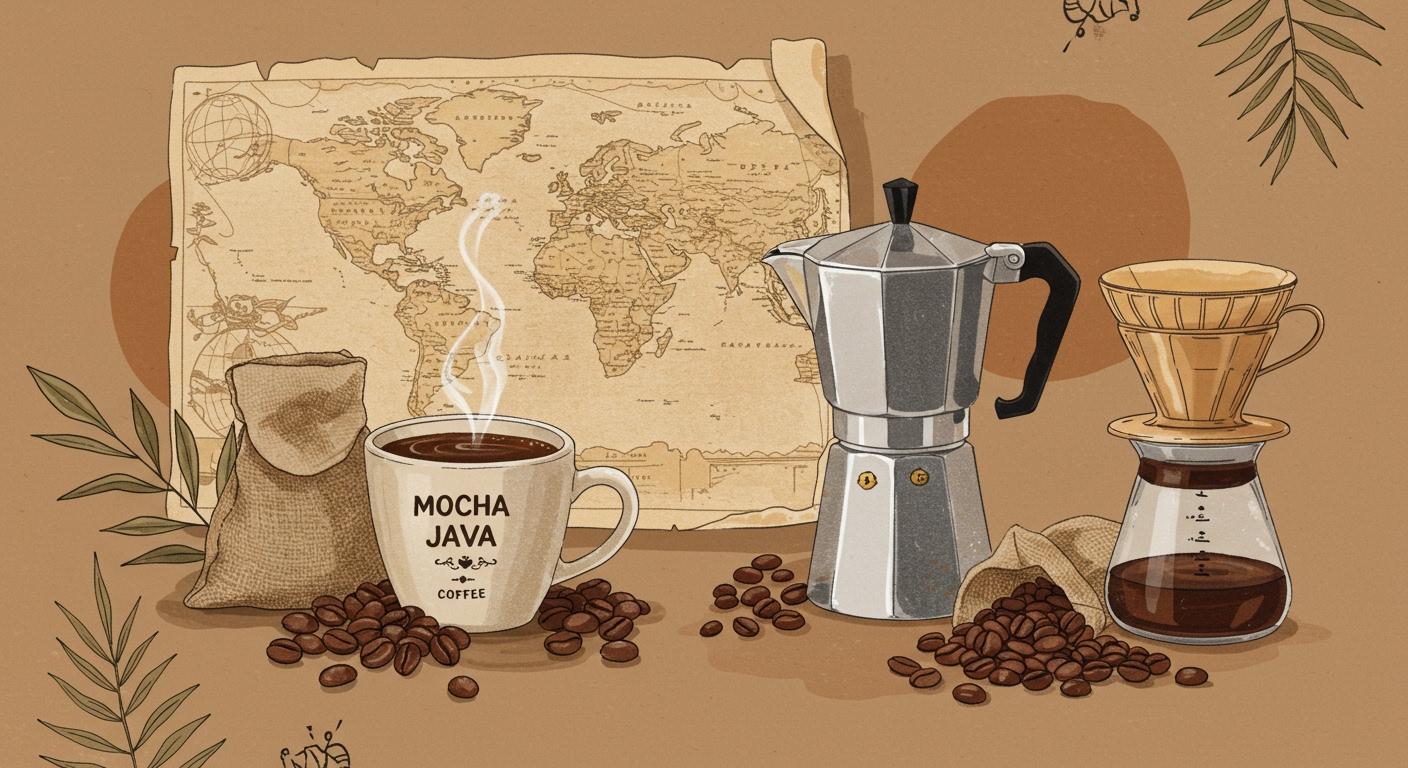
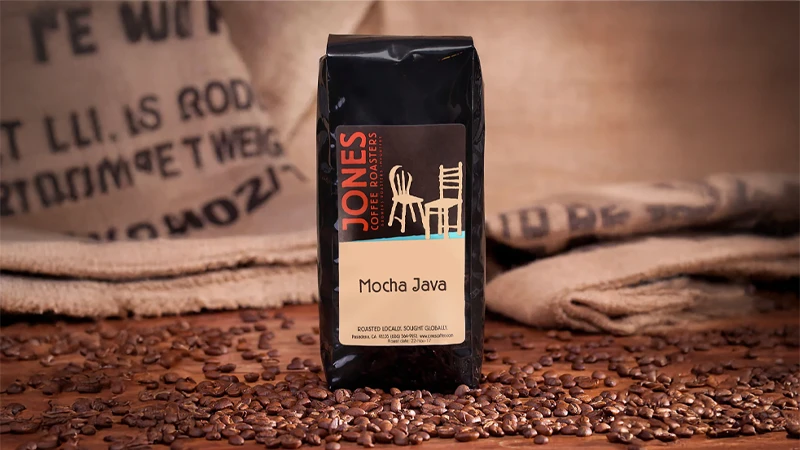
You discover mocha java coffee as a blend that brings together the rich, chocolatey notes of mocha beans with the smooth, earthy qualities of Java beans. This blend stands out in the world of coffee for its unique taste and historical importance. During the Age of Enlightenment, coffeehouses filled with thinkers and artists often served mocha java, helping shape modern coffee culture. Today, mocha drinks make up about 1.25% of global coffee consumption, showing steady popularity. To keep your mocha java fresh and aromatic, you need reliable packaging like the BN PACK coffee bag, which locks in flavor and quality from the first cup to the last.
Mocha Java Coffee Overview
What Is Mocha Java Coffee
You encounter mocha java coffee as one of the oldest and most celebrated blends in the world. This coffee combines beans from two legendary regions: Yemen and Indonesia. Mocha beans from Yemen deliver a bright, fruity acidity with hints of wine and chocolate. Java beans from Indonesia add a smooth, earthy base with low acidity and a full body. When you brew mocha java coffee, you taste a cup that is lively at first and finishes with a rich, grounding flavor.
Mocha java coffee stands out because it blends two distinct profiles:
You notice that the characteristics of mocha java coffee set it apart from other blends. The contrast between the fruit-forward mocha and the deeper java coffee creates a unique harmony. This blend appeals to coffee lovers who want complexity and balance in every sip.
Unique Blend and Origins
Mocha java coffee traces its origins to the historic trade routes of the 17th century. Merchants shipped coffee beans from the port of Mocha in Yemen and the island of Java in Indonesia. These two regions became famous for their distinct beans. Mocha beans grew in the dry mountains of Yemen, developing intense flavors. Java beans thrived in Indonesia’s volcanic soil, producing a mellow and earthy taste.
You see how the blend emerged from necessity and innovation. Traders mixed mocha and java beans during long voyages to Europe. This combination created a coffee that was both flavorful and stable for transport. Over time, mocha java became a symbol of global coffee culture.
When you want to preserve the freshness and aroma of mocha java coffee, packaging plays a vital role. BN PACK coffee bags use advanced materials that block light and seal in flavor. These custom stand-up pouches maintain coffee freshness with airtight seals and degassing valves. Resealable closures let you keep your coffee fresh after opening, so you enjoy every cup at its best.
Storage Method | Freshness Retention | Aroma Analysis Method |
|---|---|---|
Airtight canister | Best | Gas chromatography mass spectrometry |
Closing original package with tape | Moderate | Gas chromatography mass spectrometry |
Closing with clip | Moderate | Gas chromatography mass spectrometry |
Package with integrated screw cap | Best | Gas chromatography mass spectrometry |
You benefit from high barrier protection that shields your coffee from oxygen, moisture, and UV rays. This technology ensures that mocha java coffee keeps its signature taste and aroma, whether you store it at home or sell it in a café.
History of Mocha Java
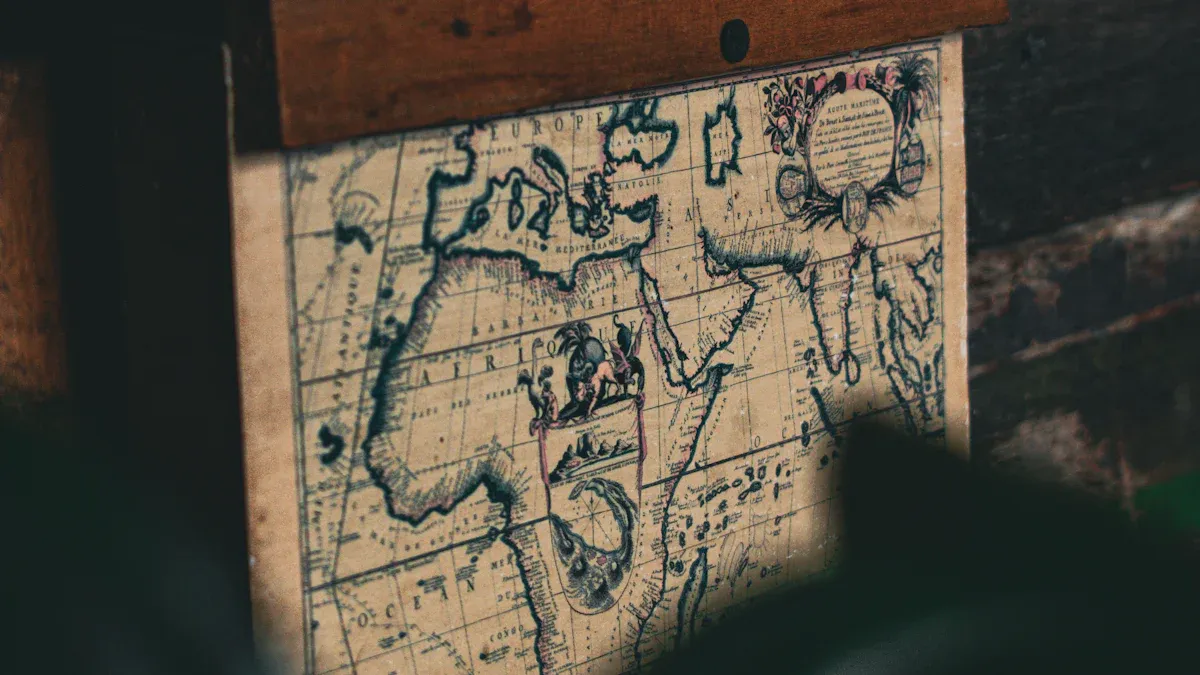
Mocha Port (Yemen)
You start your journey with the origins and history of mocha java coffee at the famous Yemen city of mocha. This port city became a central hub for coffee trade during the 15th and 16th centuries. Merchants shipped beans known for their rich, chocolatey flavor across the world. By the 17th century, Yemen held a monopoly on coffee cultivation. Every bean passed through Mocha, making it a symbol of quality and tradition. The port’s influence reached far beyond its borders, shaping the way people enjoyed coffee.
Year | Export Volume (sacks) | Equivalent Weight (kg) |
|---|---|---|
18th Century | 20,000 tons/year | 20,000,000 |
1933 (Jan-Jun) | 27,918 | 2,233,440 |
1933 (Italy) | 11,478 | 918,240 |
1933 (France) | 8,040 | 643,200 |
1933 (USA) | 6,550 | 524,000 |
The port of Mocha played a key role in spreading coffee culture to Europe and beyond.
Java (Indonesia)
You then explore the indonesian island of java, where java coffee began its rise in the 17th century. The Dutch East India Company introduced coffee plants to Java, and the island’s volcanic soil and unique climate shaped the beans’ flavor. Java coffee offers a rustic taste with a heavy body and low acidity. The Ijen Plateau, with altitudes from 600 to 1,600 meters, produces beans with notes of chocolate, earthy tones, and hints of molasses and clove. These qualities made Java coffee a favorite among traders and coffee lovers.
Java’s volcanic soil enriches the beans.
The climate and altitude create a smooth, full-bodied cup.
Java coffee stands out for its lingering finish and mild acidity.
Trade Routes and Blend Creation
You see how the blend of mocha java came to life through global trade routes. Traders combined beans from the Yemen city of mocha and the indonesian island of java. This blend balanced the wild, fruity acidity of mocha with the mellow, earthy tones of java. The result became one of the world’s first coffee blends, loved by people in Europe and America.
Arabian mocha beans came from Yemen.
Java beans arrived from Indonesia.
Traders blended and roasted them together, creating a harmonious flavor.
Mocha java coffee shaped coffee culture during the Age of Enlightenment. Coffeehouses served it to thinkers and artists, inspiring conversation and creativity. Today, the blend remains a symbol of tradition and innovation, connecting you to centuries of coffee history.
Mocha Java Flavor Profile
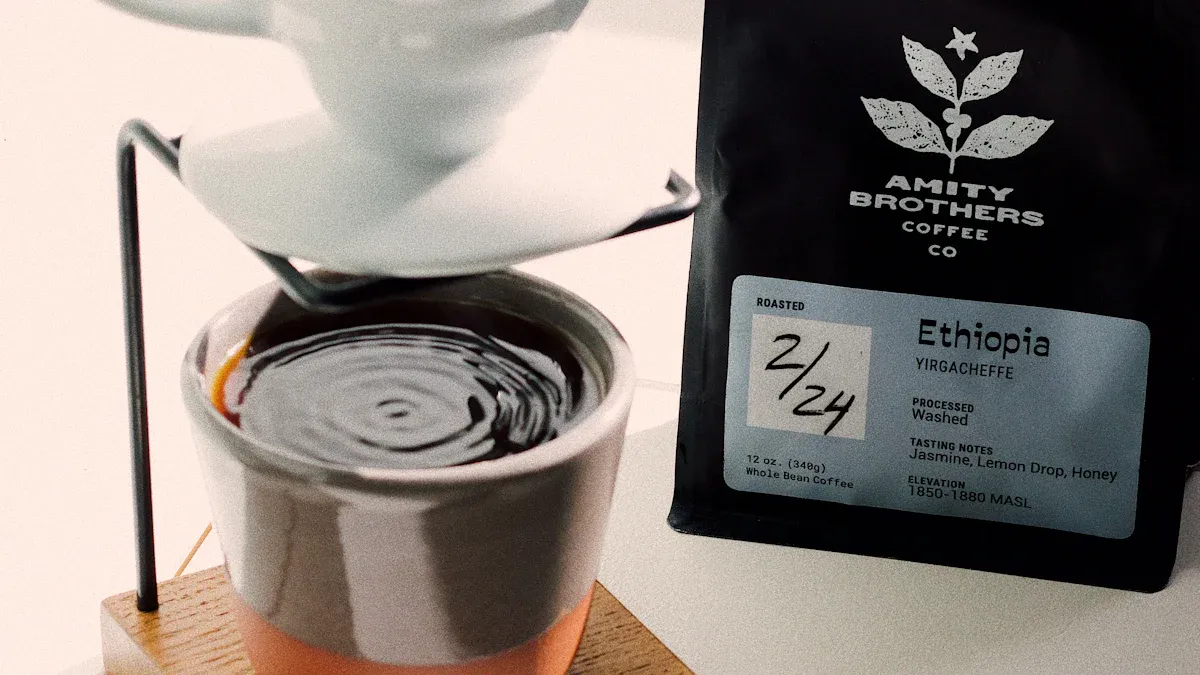
Mocha Bean Notes
You taste mocha beans and notice a full-bodied profile with a wine chocolate flavor. The unique taste comes from the chemical compounds formed during roasting. Pyrazines give you a rich, nutty, and earthy chocolate essence. Aldehydes interact with fruit sugars, adding subtle, sweet hints of cocoa butter. Furans develop from sugar breakdown, creating warm tones of caramel and dark chocolate.
Compound | Flavor Role | Aroma Characteristic |
|---|---|---|
Pyrazines | Aromatics born from roasting | A rich, nutty, earthy chocolate essence |
Aldehydes | Interaction with fruit sugars | Subtle, sweet hints of cocoa butter |
Furans | Degradation of sugars | A warm tone of caramel and dark chocolate |
You experience mocha java coffee with these chocolatey notes at the forefront. The fruity acidity from mocha beans adds brightness, making each sip lively and memorable.
Java Bean Notes
You explore java beans and find a strong, earthy flavor. The volcanic soil and wet processing methods in Indonesia shape the beans’ character. Java beans often show spicy undertones, with hints of cedar and dark chocolate. The full body gives you a smooth mouthfeel, while the earthy notes linger after each sip.
Java beans deliver a bold, rustic taste.
You notice spicy flavors and a touch of cedar.
Dark chocolate undertones round out the profile.
You recognize that java beans balance the fruity brightness of mocha with their deep, mellow qualities.
Harmonized Taste
You enjoy mocha java as a blend that brings together the best of both beans. The wine chocolate notes from mocha combine with the earthy, spicy flavors of java. This harmony creates a layered cup with complexity and balance. You taste chocolate, fruit, and earth in every sip.
Tip: To keep these flavors fresh, store your mocha java coffee in BN PACK coffee bags. The high-barrier materials and degassing valves protect the aroma and taste by blocking oxygen, moisture, and light. Resealable zippers let you enjoy each cup at peak freshness.
You find that proper packaging preserves the signature flavor profile of mocha java, whether you brew at home or serve in a café.
Brewing Methods Guide
Brewing techniques for mocha java coffee can transform your daily cup into a rich, aromatic experience. This comprehensive guide covers three popular methods: French press, pour-over, and espresso. You will learn how to achieve the best flavor and aroma from your mocha java blend. Each method highlights the importance of using fresh beans, which you can preserve with BN PACK coffee bags.
French Press
You can brew mocha java coffee with a French press to enjoy a bold, full-bodied cup. Follow these steps for optimal results:
Parameter | Recommendation |
|---|---|
Water Temperature | 205°F |
Coffee Amount | 57g (14:1 ratio) |
Grind Size | Coarse |
Steeping Time | 4 minutes |
Total Water Volume | 800mL |
Step-by-step instructions:
Measure 57 grams of coarsely ground mocha java coffee.
Add the coffee to your French press.
Heat 800mL of water to 205°F.
Pour the hot water over the grounds.
Stir gently to ensure all grounds are saturated.
Place the lid on the French press and let it steep for 4 minutes.
Press the plunger down slowly.
Pour your coffee and enjoy the deep, chocolatey and earthy notes.
Tip: Store your beans in BN PACK coffee bags to keep them fresh and aromatic before brewing.
Pour-Over
You can use the pour-over method to highlight the bright and fruity notes of mocha java. This technique gives you control over extraction and flavor.
Use a medium to medium-fine grind, similar to fine table salt.
Heat your water between 197°F and 205°F.
Steps for pour-over:
Place a filter in your pour-over dripper.
Rinse the filter with hot water to remove paper taste.
Add ground mocha java coffee to the filter.
Pour a small amount of hot water over the grounds to bloom for 30 seconds.
Slowly pour the remaining water in a circular motion.
Let the coffee drip through completely.
Remove the dripper and enjoy a cup with lively acidity and balanced earthiness.
Note: Freshness matters. BN PACK coffee bags with degassing valves and resealable zippers help preserve the delicate flavors of mocha java.
Espresso
You can create a rich, chocolatey mocha using an espresso machine. This method brings out the intensity and complexity of mocha java coffee.
Step-by-step instructions:
Add 1-2 tablespoons of chocolate syrup or 1 tablespoon cocoa powder to your mug. Mix cocoa powder with a little hot water to make a smooth paste.
Brew 1-2 shots of espresso and pour over the chocolate. Stir until dissolved.
Fill a milk jug one-third full with milk. Steam the milk to create a creamy, lightly frothy texture.
Pour steamed milk into your mug. Spoon foam on top for a finishing touch.
Optionally, add whipped cream and a sprinkle of cocoa powder or chocolate shavings.
You get a rich, velvety mocha with deep chocolate and coffee flavors. Using fresh beans from BN PACK coffee bags ensures every shot tastes vibrant and aromatic.
Tips for Best Results
You can maximize the flavor and aroma of mocha java coffee by following expert tips:
Choose high-quality beans, such as Arabica or Robusta, for a flavorful mocha.
Grind your beans right before brewing to maintain freshness and aroma.
Use a reliable coffee machine for espresso shots.
Select dark chocolate with at least 70% cocoa for a richer taste.
Steam milk to 150-155°F for a smooth, creamy texture.
Experiment with different ratios of coffee, chocolate, and milk to find your favorite balance.
Pro Tip: Always store your mocha java beans in BN PACK coffee bags. The high-barrier materials protect against oxygen, moisture, and light, keeping your coffee fresh for every brew.
You can explore different brewing techniques for mocha java coffee to discover new flavors and aromas. Freshness starts with quality packaging, and BN PACK coffee bags help you enjoy the best cup every time.
Coffee Bag Packaging by BN PACK
Features and Benefits
You want your mocha java to stay fresh and flavorful from the moment it leaves the roaster until you brew your cup. BN PACK coffee bags use advanced materials and smart design to protect your beans. Multi-layer foil blocks oxygen, light, and humidity, keeping your coffee at peak quality. One-way degassing valves release carbon dioxide but prevent air and moisture from entering, so your mocha java keeps its aroma and taste. Resealable zipper closures make it easy for you to open and close the bag without losing freshness. Matte or gloss finishes add durability and help your brand stand out on the shelf.
Feature | Description |
|---|---|
Multi-layer foil | Shields beans from oxygen, light, and moisture for maximum freshness. |
Degassing valve | Lets CO₂ escape while blocking oxygen and moisture, preserving flavor. |
Resealable zipper | Maintains airtight protection and allows easy access. |
Matte/gloss laminate | Resists moisture and enhances branding with customizable textures. |
You see how these features extend shelf life and ensure every cup of mocha java tastes as intended.
Customization Options
BN PACK gives you the flexibility to design coffee bags that match your brand and meet your needs. You can choose from a variety of sizes, colors, and packaging styles. Small-batch roasters and large distributors both benefit from options like resealable zippers, spouts for easy pouring, and tin ties for a classic look. You can print your logo and select finishes that highlight your brand identity. Material choices include biodegradable and recyclable options, so you can align your packaging with your values.
Feature | Description |
|---|---|
Zipper | Airtight closure for freshness and convenience. |
Spout | Controlled pouring for precise brewing. |
Valve | Maintains freshness by releasing CO₂ and blocking oxygen. |
Tin Tie | Reusable closure with artisanal appeal. |
You create packaging that protects your coffee and attracts customers.
Eco-Friendly Solutions
You care about sustainability and food safety. BN PACK coffee bags meet strict standards for eco-friendly packaging. Certifications include FSC for responsible forestry, OK COMPOST HOME for home compostability, and OWS for biodegradability. Food safety is guaranteed with BRC, EU EVOH PE, and FDA certifications. You can choose bags that support your environmental goals and reassure your customers about quality.
Tip: Eco-friendly packaging helps you reduce your environmental impact and build trust with coffee lovers.
Cultural Significance & Pairings
Mocha Java in Coffee Culture
You see how mocha java shaped the way people enjoy coffee around the world. The blend began in Yemen’s port city of Mocha, which became a major center for coffee exports. Traders carried beans from Mocha to Europe, helping coffee spread across continents. Coffee houses started to appear in cities, offering a place for people to gather and share ideas. These spaces became important for social life, especially in Arabian, North African, and Turkish societies. People met to talk, read, and exchange news while sipping coffee. The tradition of gathering in coffee houses continues today, showing how mocha java helped build a global coffee culture. You notice that Yemeni coffee, especially the mocha variety, remains popular among coffee lovers who value history and quality.
Food Pairings
You can enhance your mocha java experience by choosing foods that match its flavor profile. Culinary experts recommend pairing this blend with ingredients that highlight its chocolatey and fruity notes. The following table lists popular food pairings that work well with mocha java:
Food Pairings |
|---|
Blueberry |
Blackberry |
Anise |
Clove |
Ginger |
Cinnamon |
Black Cherry |
Rose Petals |
Ripe Fruit |
Spice Cake |
Asian Cuisine |
Spicy Foods |
Chocolate Fondue |
Ripe/Fresh Cheeses |
Tip: Try mocha java with chocolate fondue or spice cake for a rich dessert. You can also pair it with ripe cheeses or spicy foods to create a balanced tasting experience.
You discover that the right food pairing brings out the best in mocha java, making each cup more enjoyable.
You learned how mocha java coffee blends the rich notes of mocha with the earthy taste of Java beans. This blend has a long history and a unique flavor profile. You explored brewing methods that bring out the best in your coffee. Quality packaging, like BN PACK coffee bags, keeps your coffee fresh and aromatic.
Packaging design shapes how you see coffee quality and value.
Airtight seals and one-way valves protect flavor and aroma.
Choosing the right packaging helps you enjoy every cup and supports your brand’s appeal.