
On a crowded retail shelf, surrounded by a sea of competitors, your coffee packaging is the first, and often only, chance you get to make a sale. It’s not just a container designed to hold beans; it’s your silent salesperson, your brand ambassador, and your most valuable storyteller. A customer may spend only a few seconds glancing at your product before making a decision, and in that brief moment, your packaging has to do all the heavy lifting.
A well-designed coffee bag label is an incredibly powerful tool. It must be visually appealing, certainly, but its true job runs much deeper. It must communicate essential information clearly, build consumer trust through transparency, and ultimately persuade a customer that your coffee is the one they should take home.
The Foundation: Non-Negotiable Legal & Essential Information
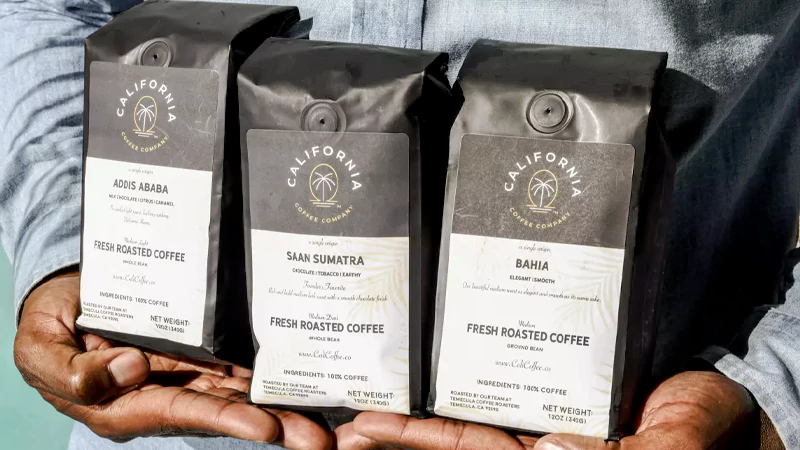
Before we dive into the creative and story-driven elements of a label, we must start with the foundation: the information that is required for legal compliance and basic consumer transparency. Adhering to these coffee packaging regulations is not just about following rules; it’s the first step in building a professional and trustworthy brand. While specific laws can vary by country and even state, the following elements are universally considered essential.
The Must-Haves:
- Brand Name & Logo: This is your clear identity. It must be prominent and easily identifiable, serving as the anchor for your entire design.
- Statement of Identity: A simple, clear description of what the product is. This is usually “Whole Bean Coffee” or “Ground Coffee.” This prevents any consumer confusion and is a standard food labeling requirement.
- Net Weight: A legal requirement in almost every region. The net weight of the coffee (e.g., 12 oz / 340g) must be clearly displayed on the principal display panel of the bag.
- Roaster Information: Your company’s name and location (a city and state is often sufficient, but some regulations may require a full address) must be on the package. This provides traceability and allows customers to connect with your business.
- “Roasted On” Date: While not always a legal requirement, for any brand operating in the specialty coffee space, the “Roasted On” date is a non-negotiable mark of quality. It is the gold standard for freshness and the single most important piece of information for a discerning coffee lover. It signals a commitment to quality far more than a “Best By” date ever could.
The Core Story: The Coffee Information That Sells
Once you have the legal necessities covered, you can move on to the heart of your coffee bag label: the information that tells the story of the beans inside. These are the details that specialty coffee consumers actively seek out. They build a connection, set flavor expectations, and justify a premium price point. Providing this information signals to your customers that you are a serious, knowledgeable, and transparent roaster.

Coffee Name
This is the specific identity of your product, whether it’s a creative name for your house blend (e.g., “Morning Glory Blend”) or the name of the farm for a single-origin lot (e.g., “Finca La Esmeralda”). It gives the customer a name to remember and ask for.
Origin Details
Traceability is the soul of specialty coffee. The more specific you can be about where your coffee comes from, the more trust and value you build. This information is often presented in a hierarchy:
- Country: This is the absolute minimum (e.g., Ethiopia, Colombia).
- Region/Sub-region: This adds a significant layer of value and helps set flavor expectations (e.g., Yirgacheffe, Ethiopia; Tarrazú, Costa Rica).
- Farm, Producer, or Co-operative: This is the pinnacle of traceability and storytelling. Naming the individual producer or the specific washing station honors their work and creates a powerful connection for the consumer.
Tasting Notes
This is arguably the most powerful marketing tool on your entire package. In three or four simple words, you can guide a customer’s purchasing decision. Choose descriptors that are accessible and appealing (e.g., “Milk Chocolate, Raspberry, Almond”). These notes are not an ingredient list, but a professional suggestion of the flavors the customer can expect to find in the cup.
Roast Level
This is one of the most important pieces of information for the average consumer. Clearly indicate the roast level (e.g., Light, Medium, Dark) using either clear text or an intuitive visual scale. This is the single quickest way to tell a customer about the coffee’s general flavor profile.
Processing Method
Including the processing method (e.g., Washed, Natural, Honey, Anaerobic) is a key signifier for discerning coffee lovers. It demonstrates your expertise and provides a crucial clue about the coffee’s potential body, acidity, and fruit character.
Varietal(s)
Naming the specific coffee varietal(s) (e.g., Gesha, Bourbon, Caturra) is especially important for high-end, single-origin lots. For coffee connoisseurs, the varietal is a mark of quality and a strong driver of their purchasing decision.
Altitude
Often expressed as “MASL” (Meters Above Sea Level), the altitude at which a coffee was grown is a key indicator of its quality. Higher altitudes generally lead to a slower maturation process, which results in a denser, more complex, and more flavorful coffee bean. Including this detail is another way to signal the premium nature of your coffee.
Adding Value: The Extras That Build Trust and Loyalty
Beyond the essential coffee details, a truly great label goes a step further. It includes extra information that builds a deeper connection with the customer, demonstrates your brand’s values, and shows that you care about their experience from the moment they buy the bag to the moment they brew the final cup. These value-adds are powerful differentiators in a competitive market.
Certification Logos
Certifications are a visual shortcut to trust. If you have invested in sourcing coffee that is Fair Trade, USDA Organic, Rainforest Alliance Certified, or Smithsonian Bird Friendly, you must display these logos prominently on your packaging. For many consumers, these seals of approval are a primary factor in their purchasing decision. They are a clear and immediate way to communicate your commitment to ethical, social, and environmental responsibility, and failing to display them means you are not getting the full marketing value of your sourcing efforts.
Brewing Recommendations
You have roasted the coffee to perfection; now, help your customer brew it the same way. Including a simple, recommended brewing recipe is an act of excellent customer service. You can suggest a specific brew method that you feel best highlights the coffee’s character (e.g., “Best for Pour Over”), along with a starting point for the coffee-to-water ratio (e.g., “1:16 ratio”) or a suggested grind size. This empowers your customers to get the best possible results and more fully appreciate the quality of your coffee.
A Brief Brand Story or Mission Statement
This is your chance to inject your brand’s personality into the package. A short, impactful sentence or two that communicates your “why” can create a powerful emotional connection. Whether it’s your commitment to sourcing from female producers, your passion for experimental processing, or your simple mission to make great coffee accessible, sharing a piece of your brand’s soul helps to build a loyal community, not just a customer base.
Bringing It All to Life: The Power of Custom Packaging
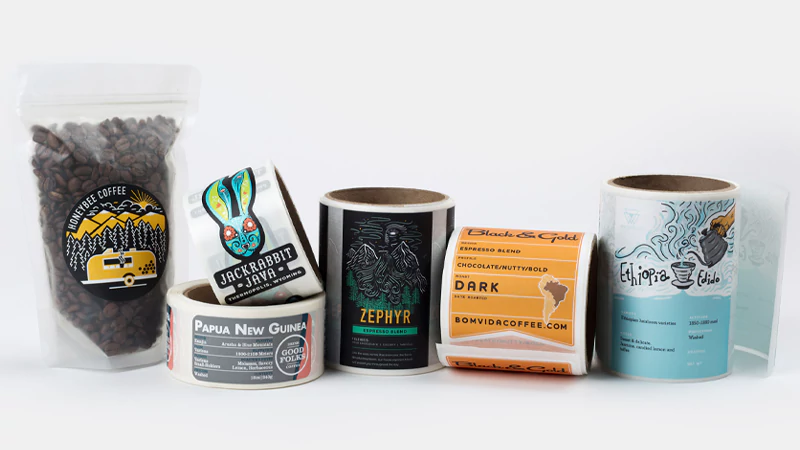
Now that we have a complete blueprint of what information should be on your label, we arrive at the final, critical question: how do you present it all effectively? You can have the most transparent and compelling coffee story in the world, but if it’s presented as an afterthought, its impact is lost. The design, material, and quality of the bag itself are what bring your label to life.
This is where a generic sticker on a stock bag can fall short. It can feel disconnected from the product, cheapen the perception of your high-quality beans, and fail to create the seamless, premium experience that a specialty coffee deserves. The information on the label and the package it sits on must work together as a single, cohesive unit.
This is where custom coffee bag labels become an integral part of the bag itself. High-quality, custom-printed coffee bags from BN Pack are the ultimate canvas for your brand’s story. Our advanced printing technology allows you to integrate all this essential information into a beautiful, seamless design. You can feature photos of the farm, use vibrant colors to represent your tasting notes, and display certification logos with professional clarity. When your labels for coffee bags are part of a cohesive, high-quality package, you are not just selling coffee; you are selling an experience of professionalism, transparency, and trust.
Conclusion: Your Label is Your Handshake
A great coffee bag label is a masterful balance of legal necessities, essential coffee details, and compelling brand storytelling. It respects the consumer’s right to information, honors the hard work of the coffee producer, and showcases the unique philosophy of your brand. Every element, from the net weight to the tasting notes, works together to build a complete picture of the quality inside the bag.
Ultimately, you should view your label as your handshake with the customer. It is your first direct interaction. It should be firm, confident, and tell them everything they need to know to trust the product in their hands and be excited to take it home.