
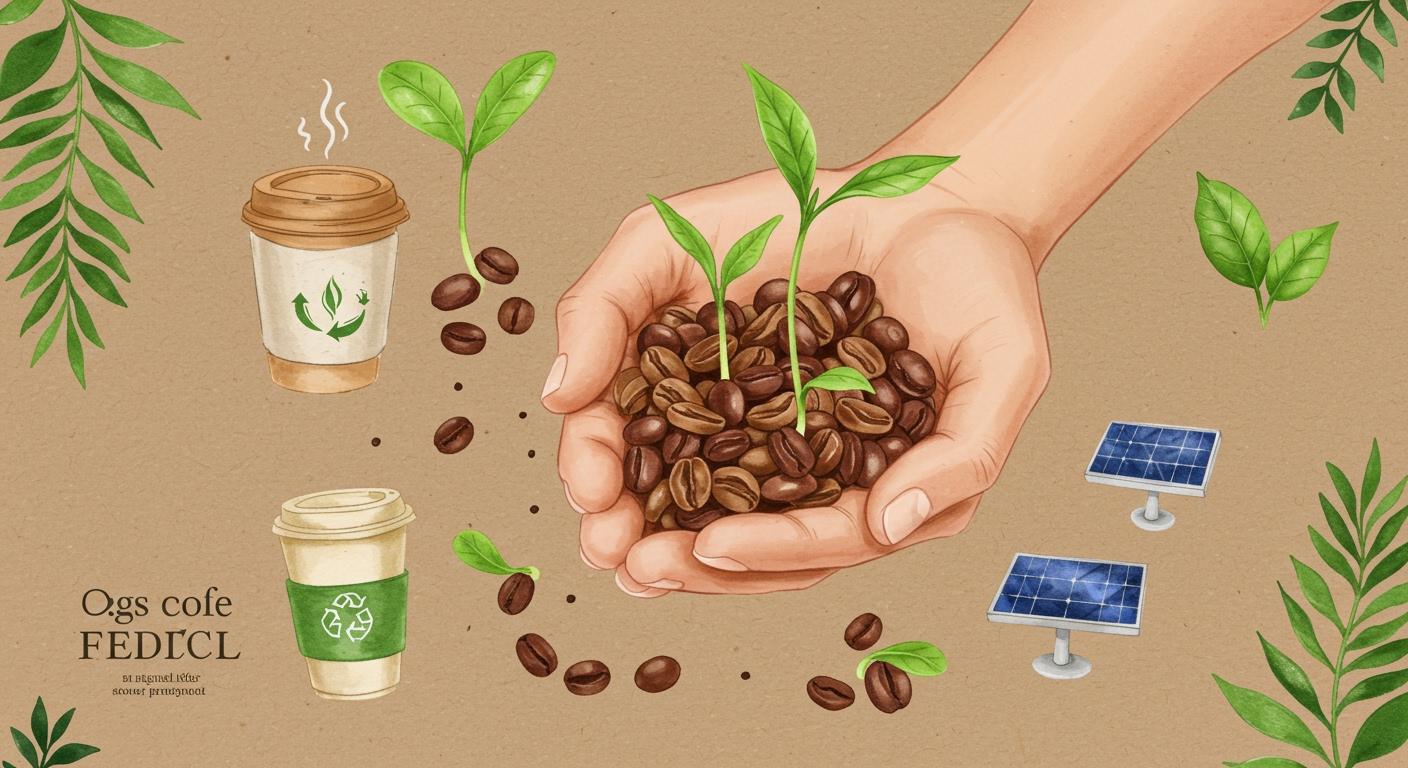
You can drive sustainability in your daily life by choosing solutions that turn waste into value. Coffee husk offers a powerful example:
It transforms into renewable energy sources and construction materials.
It increases soil fertility by adding nitrogen, phosphorus, and potassium.
It reduces environmental pollution and supports a circular economy.
It creates high-value products that benefit both you and the planet.
When you support the use of coffee husk, you help reduce coffee industry waste and promote eco-friendly innovation.
Coffee Husk Overview
What Is Coffee Husk
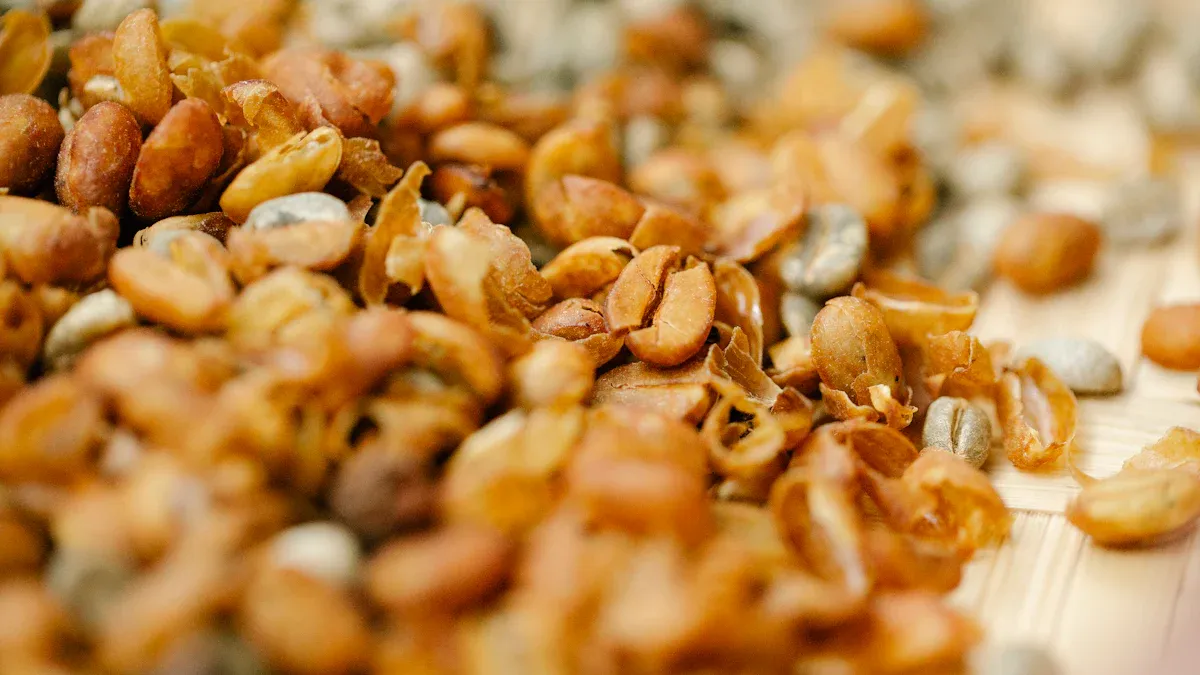
You may not realize it, but every time you enjoy a cup of coffee, a hidden by-product forms during the process. Coffee husk comes from the outer skin and pulp or parchment that surrounds the coffee bean. When farmers process coffee, they remove this layer, leaving behind a material that often goes unused.
Coffee husk contains a unique blend of natural compounds.
39.2% cellulose
12.6% hemicellulose
23.3% Klason lignin
2.9% acid-soluble lignin
8.7% extractives
9.5% ash
You will also find small amounts of minerals like potassium, calcium, magnesium, iron, and silicon. Because of this composition, coffee husk stands out as an abundant biomass waste from coffee production. Scientists have discovered that blanched coffee husks show strong antioxidant, hydration, and oil-holding properties. These qualities make coffee husk valuable for many new uses, especially in food and agriculture.
Tip: Next time you brew coffee, think about the journey from bean to cup and the potential of the coffee husk left behind.
Why Coffee Husk Matters
You play a key role in shaping a greener future by supporting the use of coffee husk. This material matters for several reasons:
Coffee husk can be turned into clean gas fuels through gasification, helping to generate energy.
Using coffee husk for energy reduces the need for wood fuel, which helps protect forests.
Coffee husk can be added to wood-plastic composites, creating eco-friendly products and reducing agricultural waste.
These practices support sustainability by minimizing environmental impact and promoting cleaner production methods.
When you choose products or solutions that use coffee husk, you help reduce waste from coffee production and encourage responsible resource use. This small change can lead to big benefits for the environment and your community.
Environmental Benefits
Waste Reduction
You help reduce waste every time you support products made from coffee husk. Coffee husk comes from the processing of coffee beans. For every ton of coffee beans, farmers generate about one ton of coffee husk. Many producers used to discard coffee husk in landfills, which increased pollution and wasted valuable resources. Today, you can find new ways to use coffee husk. Scientists have discovered that coffee husk can become biofuel, compost, and even materials for packaging. When you choose items made from coffee husk, you keep tons of waste out of landfills. You also encourage companies to turn coffee husk into useful products. This shift helps protect the environment and supports cleaner communities.
Resource Conservation
You play a key role in conserving natural resources by choosing coffee husk solutions. Coffee husk improves soil and water quality in several ways:
Coffee husk boosts soil structure and fertility, helping soil hold more moisture.
You reduce the need for synthetic fertilizers when you use coffee husk, which protects soil and water.
Coffee husk acts as mulch, suppressing weeds and keeping soil temperature steady.
Coffee husk balances soil pH, which supports healthy microbes and better nutrient cycling.
Coffee husk also serves as a source for biofuel. When you use coffee husk for biofuel, you help save trees and other natural resources. You support sustainability by making the most of what coffee production already creates.
Lower Carbon Footprint
You lower your carbon footprint when you choose coffee husk products. Coffee husk can replace fossil fuels as biofuel. This switch reduces greenhouse gas emissions. Coffee husk biofuel powers homes, farms, and factories. You also help cut energy use by supporting packaging made from coffee husk. Coffee husk packaging uses less energy to produce than traditional plastics. When you support coffee husk innovation, you help fight climate change. You make a difference with every coffee bag, compost, or biofuel product you choose.
Coffee Husk Uses

Compost and Fertilizer
You can turn coffee husk into a powerful tool for improving soil health. Farmers in coffee-growing regions use coffee husk composting to boost crop yields and reduce chemical fertilizer use. Coffee husk contains high levels of potassium and nitrogen, which help plants grow strong. You can compost coffee husk to enhance soil fertility and structure.
Coffee husk is rich in nutrients.
Composting coffee husk detoxifies it, making it safe for plants.
Adding cow manure increases microbial activity, speeding up the composting process.
Tip: You can use coffee husk compost in your garden to support healthy vegetables and flowers.
Studies show that coffee husk biochar has a high cation exchange capacity (CEC), which helps soil retain nutrients. You can see the results in the table below:
Study Title | Findings | Cation Exchange Capacity (CEC) | Potential Use |
|---|---|---|---|
Coffee Husk Biochar | High CEC of 89.3 cmol/kg | 89.3 cmol/kg | Effective nitrogen retention tool in agriculture |
Coffee husk compost improves soil fertility and nutrient uptake. One study found that crop yield increased from 251.0 kg to 297.3 kg with compost application. You can help your plants thrive by using coffee husk compost.
Biofuel and Energy
You can use coffee husk as a renewable energy source. Coffee husk has a gross calorific value of at least 3,800, which means it burns efficiently. You can convert coffee husk into biofuel through gasification or by making briquettes. This process creates clean energy for homes and farms.
Coffee husk is used in small-scale biomass power plants in India.
Gasification turns coffee husk into electricity for rural communities.
Brazil uses coffee husk pellets in power plants to generate electricity.
Metric | Value |
|---|---|
Energy Yield Ratio (EYR) | 1.19 |
Environmental Load Ratio (ELR) | 6.42 |
Ecosystem Efficiency Increase | 103% |
Energy Sustainability Index (ESI) | 0.19 |
You support sustainability when you choose biofuel made from coffee husk. This energy source reduces reliance on fossil fuels and helps fight climate change. Coffee husk biofuel powers homes, farms, and factories, making a real difference in energy production.
Sustainable Packaging
You can find coffee husk in innovative packaging solutions. Coffee husk extract improves the strength and flexibility of biodegradable films. These films show increased tensile strength, better elongation, and enhanced UV-blocking capacity. You help protect the environment when you choose packaging made from coffee husk.
BN PACK leads the way in sustainable packaging. You can choose custom coffee bags made with eco-friendly materials, including coffee husk-based films. These bags keep your coffee fresh and support your brand’s commitment to the planet. BN PACK’s coffee bags offer resealable zippers, degassing valves, and recyclable options. You make a smart choice for your business and the environment.
Note: You can order custom coffee bags from BN PACK to showcase your brand and support eco-friendly practices.
Coffee husk packaging is also used for fiberboards and 3D printing materials. You help reduce plastic waste and promote circular economy solutions when you support these products.
Building Materials
You can use coffee husk to create sustainable building materials. Researchers have found that adding coffee grounds to bricks and fiberboards improves thermal insulation and mechanical properties. Coffee husk ash provides compressive strength and reduces environmental impact due to its alumina and silicate content.
Study Reference | Findings | Percentage of Coffee Grounds | Effect on Thermal Conductivity |
|---|---|---|---|
Velasco et al. (2016) | Addition of coffee grounds reduces thermal conductivity | 17% | Up to 50% reduction |
Eliche-Quesada et al. (2011) | Promising alternative for bricks | 3 wt% to 5 wt% | Satisfactory mechanical, physical, and thermal properties |
Coffee grounds waste biocomposite offers thermal insulation similar to conventional materials.
It provides sound absorption for acoustical comfort.
Spent coffee grounds/potato starch composite works well for non-load-bearing structures.
You support green construction when you choose building materials made from coffee husk. These materials help lower energy costs and improve comfort in homes and offices. You can make a positive impact by using coffee husk-based bricks, fiberboards, and insulation.
Economic and Social Impact
Support for Farmers
You help coffee farmers thrive when you support products made from coffee husk. Farmers gain new ways to use what was once waste. This change brings real economic benefits.
Farmers use coffee husk as organic fertilizer. It enriches the soil and boosts coffee crop yields. You see healthier plants and better harvests.
Coffee husk becomes a source of renewable energy. Farmers process it into biogas or briquettes. This cleaner energy lowers household costs and improves air quality.
Some farmers add coffee husk to animal feed. This reduces waste and supports a circular farming system.
You make a difference by choosing products that give coffee farmers more income and better resources.
Community Benefits
Communities in coffee-growing regions benefit when you support coffee husk innovation. Cleaner energy from coffee husk reduces air pollution. Healthier soil means more food and stronger crops. You help create jobs in composting, packaging, and energy production.
When you choose coffee husk products, you support local economies and improve living standards.
Coffee husk projects often bring people together. You see new skills and training programs. Communities become more resilient and self-sufficient.
New Market Opportunities
You drive new market opportunities by choosing coffee husk-based products. The shift toward using coffee husk in car parts and biofuels shows how the circular economy works. Companies now use coffee husk to make construction materials like bricks and panels. These materials improve thermal properties and reduce energy use in buildings.
Companies such as Ford and Husky Energies & Technology turn coffee husk into biofuels and durable goods.
Woodpecker, a startup in Colombia, uses coffee husk to create lightweight panels for homes and classrooms.
Coffee husk biochar helps with carbon sequestration and soil improvement, opening doors to carbon offset programs.
You support sustainability and economic growth when you choose products made from coffee husk. Your choices help create a greener future for coffee farmers, communities, and businesses.
How to Support Coffee Husk Sustainability
Choose Coffee Husk Products
You can make a difference by choosing products that use coffee husk. Many companies now offer items that turn waste into value. You may find cascara, a beverage made from the outer layer of coffee cherries. Cascara contains antioxidants and fiber, which support your health. You can also look for biodegradable packaging made from coffee husk and banana fiber. These alternatives help reduce plastic waste and support a cleaner environment.
Cascara drinks
Biodegradable packaging
Compost and fertilizer for gardens
You help drive demand for sustainable products when you select these options. You encourage more innovation in the coffee industry.
Support Sustainable Brands
You support sustainability by choosing brands that care about the planet. BN PACK offers custom coffee bags made with eco-friendly materials. These bags protect your coffee beans and showcase your commitment to green living. BN PACK uses recyclable and compostable materials, helping you reduce your environmental impact. You can order coffee bags that fit your needs and reflect your values.
Tip: Look for brands that use renewable resources and promote responsible sourcing. Your choices send a message to companies about what matters to you.
Upcycle at Home
You can upcycle coffee husk at home to support sustainability. Use coffee husk compost to enrich your garden soil. Add coffee husk to your compost pile to boost nutrient levels and improve soil structure. You may also use coffee husk as mulch to suppress weeds and retain moisture. These simple steps help you close the loop and reduce waste.
Upcycling Ideas | Benefits |
|---|---|
Composting | Improves soil fertility |
Mulching | Retains moisture, suppresses weeds |
Craft projects | Reduces household waste |
You play a key role in building a sustainable future. Every choice you make helps protect the environment and supports the coffee community.
You help shape a greener world when you support coffee husk innovation. Recent research shows that coffee husk reduces carbon footprints and creates new economic opportunities for communities. The market for sustainable coffee husk products continues to grow, driven by eco-friendly trends and government support. Many inspiring businesses, like Lil E Coffee Cafe and Refuge Coffee Company, show how small actions can create big change.
Every choice you make—at home or in your business—moves us closer to a sustainable future. Choose eco-friendly products and support brands like BN PACK to make a real impact.