You may ask, “Are coffee shops profitable in 2025?” Reports indicate that most coffee shops have an 11% profit margin, while many small shops achieve between 12% and 18%. Making money depends on how you manage costs and set prices. Packaging plays a crucial role as well. Studies show that 72% of people make choices based on packaging design within seconds. Utilizing high-quality BN PACK coffee bags enhances brand visibility and preserves coffee freshness, ultimately contributing to your shop’s profitability.
Are Coffee Shops Profitable?
Profitability Data
Are coffee shops making money in 2025? Most owners say yes. Many small shops get profit margins from 12% to 18%. Big chains often have about 11% profit margins. You make more money if you control costs and sell more. Most coffee shops earn $150,000 to $400,000 each year. You can earn more by selling specialty drinks, food, and branded items.
Location is very important. You need a busy area with fair rent. The menu matters too. Combos and upselling help customers spend more. Working fast lets you serve more people. The table below lists the top things that help coffee shops make money in 2025.
Factor | Description |
|---|---|
Location | Where you open your shop changes rent and how much people spend. |
Menu | A smart menu with combos and upselling makes customers buy more. |
Efficiency | Simple and quick items help you serve faster and make more money. |
Making good choices in these areas helps you beat the competition. You can use technology to watch sales and keep costs low. Packaging, like BN PACK coffee bags, helps people notice your brand and keeps coffee fresh. This brings back customers and grows your profits.
Key Trends
You should pay attention to coffee shop trends. Specialty coffee is getting more popular. Cold brew and RTD coffee are favorites for young people. Mushroom coffee is liked for its health perks. The table below shows which coffee types are growing in 2025.
Segment | 2025 Market Size | Growth Rate (CAGR) | Key Driver |
|---|---|---|---|
Specialty Coffee | $112 billion | 10.4% | Premium positioning |
Cold Brew | $3.87 billion | 22.7% | Convenience & taste |
RTD Coffee | $40.7 billion | 8.54% | On-the-go consumption |
Mushroom Coffee | $2.91 billion | 7% | Functional benefits |
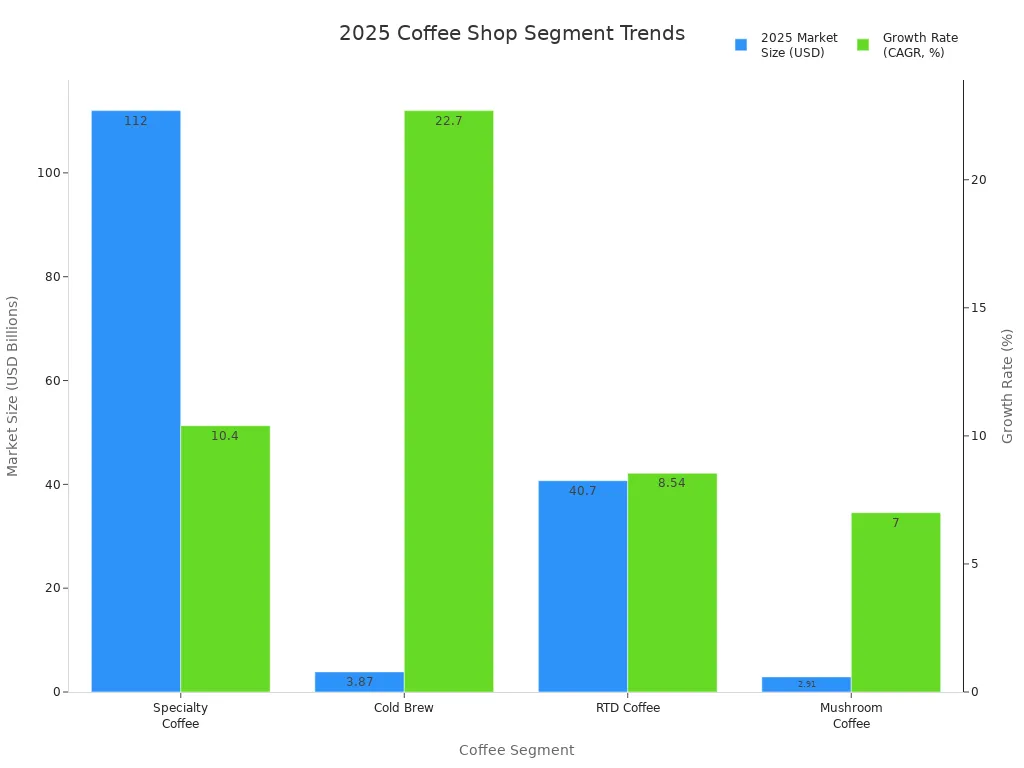
Specialty coffee shops are leading the market. Cold brew and RTD coffee are growing the fastest. You can follow these trends by changing your menu and adding new drinks.
People want better quality, healthy choices, and easy service. Technology helps you serve faster and learn what customers like. Many people see coffee as a treat. They want good taste and new flavors. Young people like RTD coffee because it is fast and simple. You can meet these needs by selling fresh coffee in nice packaging.
Tip: You can make more money by following trends and listening to your customers. Try new menu ideas and use packaging that looks great.
Are coffee shops making money in 2025? Yes, if you focus on location, menu, speed, and customer happiness. Watch for new trends and change quickly. You can earn more by selling what customers want.
Coffee Shop Industry Report
Market Growth
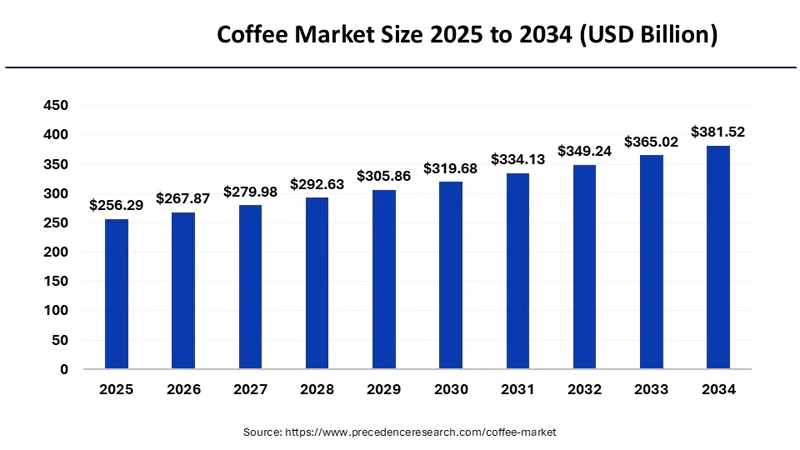
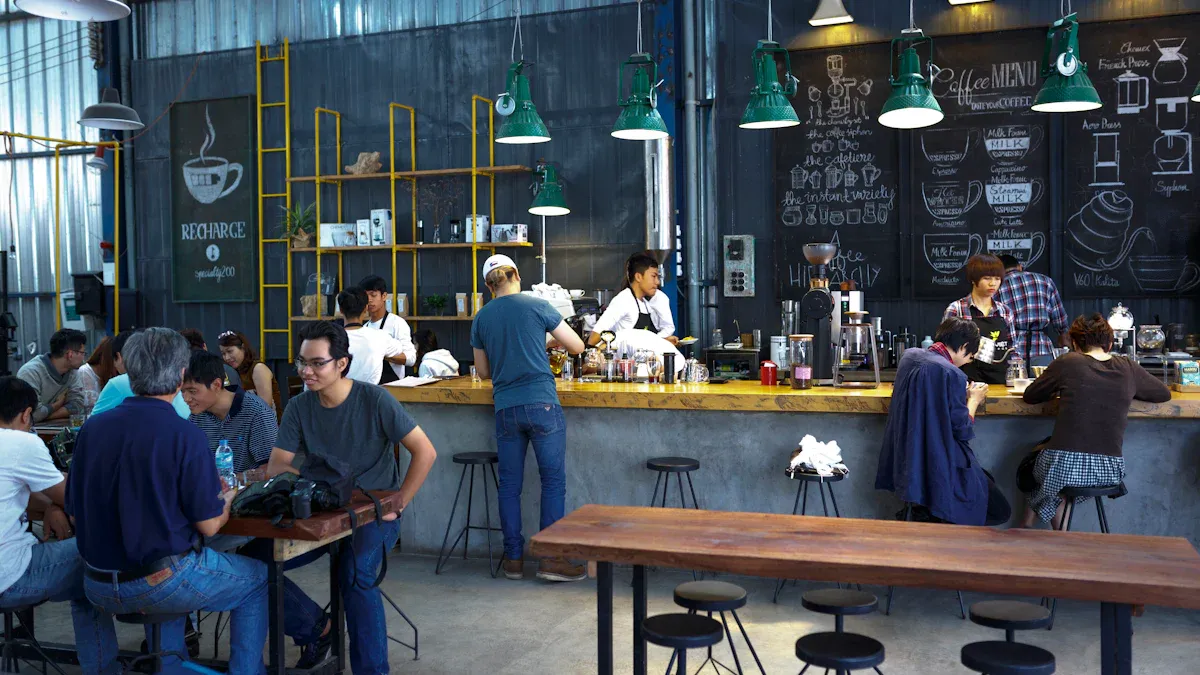
The coffee shop industry is doing well in 2025. The market will reach USD 284.76 billion by 2025. Reports say the market is growing all over the world. The industry will grow at a CAGR of 3.5% from 2025 to 2032. The market will go from USD 220.21 billion in 2024 to almost USD 289.98 billion by 2032. These numbers show that coffee shops are still very popular everywhere.
The coffee shop industry will be worth USD 284.76 billion in 2025.
The market will grow at a CAGR of 3.5% from 2025 to 2032.
The market will rise from USD 220.21 billion in 2024 to almost USD 289.98 billion by 2032.
More people are going to coffee shops each year. This is because there are more shops, new menu ideas, and people’s habits are changing. Reports say you should watch for new trends and change fast.
Consumer Preferences
People are spending more money on coffee now. They want more than just plain coffee. Many people like specialty drinks, new flavors, and healthy choices. Reports say young people have more money to spend. Some tea drinkers now like coffee too, so there are more customers. More people live in cities, so there are more Western-style coffee shops.
Economic and Social Factors | Impact on Coffee Shop Market Growth |
|---|---|
Increased spending power of young consumers | Drives demand for specialty coffee and convenience |
Traditional tea drinkers embracing coffee culture | Expands the customer base for coffee shops |
Urbanization creating demand for Western-style coffee shops | Increases the number of potential locations and customers |
Expansion of big coffee chains into new markets | Enhances market presence and competition |
You should look at these trends in every report. They help you know what customers want and how to grow your shop. The coffee shop industry report helps you make good choices and do well when things change.
Revenue Streams
Core Sales
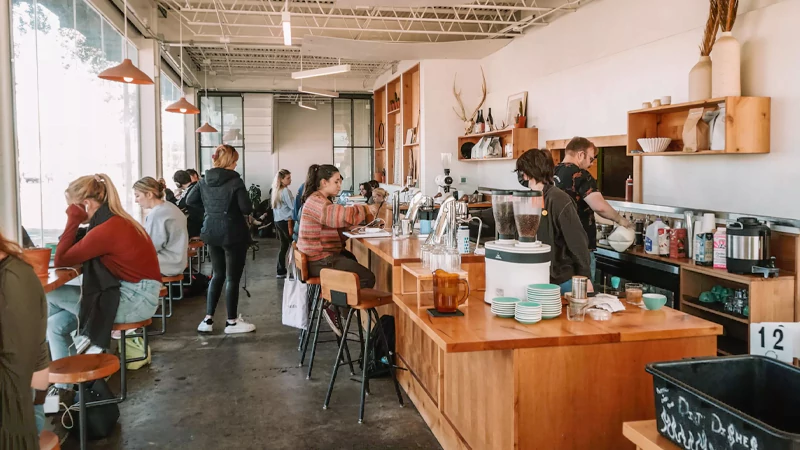
You make most of your profits from selling coffee and espresso drinks. These core sales drive your daily sales and keep your business running. Cold coffee beverages, especially ready-to-drink options, are now very popular. You see more customers choosing cold drinks because they want convenience and variety. Younger people love these choices. Many order protein lattes and other functional coffee products. You notice that cold drinks account for a large part of sales at big chains. For example, cold drinks now make up about 75% of Starbucks’ beverage sales. Americans spent nearly $18 billion on out-of-home cold coffee in 2023. This number is more than double what they spent in 2016. You can boost your revenue by offering new cold coffee options and keeping up with trends.
Cold coffee beverages and RTD options
Protein lattes and functional drinks
Espresso-based classics
Tip: Track your daily sales to see which drinks bring in the most profits. Adjust your menu to match what customers want.
Food & Specialty Drinks
You increase profits by adding food and specialty drinks to your menu. Many customers want pastries, sandwiches, and healthy snacks with their coffee. You see growth when you offer seasonal drinks, plant-based options, and unique flavors. Functional food products, like protein bars and smoothies, attract health-focused buyers. You can pair food with drinks to raise your average ticket size. Specialty drinks, such as cold brew with added flavors, also help you stand out.
Food & Specialty Drink Ideas | Impact on Profits |
|---|---|
Pastries & baked goods | Boosts daily sales |
Plant-based snacks | Attracts new buyers |
Seasonal specialty drinks | Drives growth |
Merchandise & Retail
You can earn extra revenue by selling branded merchandise and retail products. Many shops offer mugs, tumblers, shirts, and tote bags with their logo. You also sell packaged coffee beans in custom BN PACK coffee bags. These products help you build your brand and create new sales opportunities. Customers often buy gifts or take home their favorite coffee. Merchandise and retail items add to your profits and help your shop grow.
Branded mugs and tumblers
Custom packaged coffee beans
Tote bags and shirts
Note: Merchandise and retail sales support your brand and increase overall profits. Choose products that match your shop’s style and customer interests.
Coffee Shop Profit Margin
Cost Breakdown
You need to understand your coffee shop profit margin to succeed in 2025. Most coffee shops reach profit margins between 10% and 25%. Gross margins often stay high, ranging from 75% to 80%. You can improve your net profit by controlling costs and boosting sales. The main factors that affect your coffee shop profit margin include staff wages, rent, supplies, and utilities.
Here is a breakdown of typical monthly costs for a coffee shop:
Supplies: You spend at least $5,000 each month on coffee beans, milk, syrups, and other stock.
Labor: Two staff members cost about $10,000 per month, with average hourly rates around $16.
Utilities: You pay about $2,000 monthly for electricity, water, and gas.
Rent: In cities like New York, rent can reach $78,000 for six months in a 100-square-foot space.
You must track these expenses closely. If you keep costs low and sales high, you will see strong coffee shop profit margins and healthy cash flow.
Financial Challenges
You face many financial challenges as a coffee shop owner. Rising prices force you to increase menu prices, which can upset customers. Some shops choose lower-quality beans to save money, but this can hurt your reputation. Cutting staff hours or menu items may help your budget, but it can also reduce service quality. You might need to close underperforming locations or focus on fewer products to avoid failure.
Many owners roast coffee in-house to control costs and improve net profit. This strategy can cut coffee costs by up to 50%. You also need to watch out for outdated business models and inefficient operations. If you do not use technology well, you may miss chances for growth. Point-of-sale systems help you track sales and customer habits, making your shop more competitive.
Tip: Focus on improving operations and using technology to boost your coffee shop profit margin. Small changes can make a big difference in your net profit.
Success Factors
Location
Picking the right spot is very important for your coffee shop. A good location brings in more people and helps you make money. If you choose a place with cheap rent but not many people, you might not sell enough. You need enough sales each day to make a profit. This number changes depending on where your shop is and how much each customer spends. Always study your location before opening. If there are many other shops nearby, it can change your prices and how many people come in. The best spot helps your shop do well for a long time.
Where you open your shop changes how many people visit.
Cheap rent is not always good if few people walk by.
You must sell enough each day to make money.
Always check your location carefully before starting.
Other shops nearby can affect your prices and customers.
The right spot helps your shop last longer.
Menu & Pricing
Your menu and prices are very important for your shop. A smart menu can help you make 20-30% more money. Show off your best-selling items and add special drinks for each season. Use ingredients that do not cost too much, but still taste good and look nice. Try different ways to set your prices, like adding a set amount to your costs, matching other shops, or making bundles.
Strategy | Description | Pros | Cons |
|---|---|---|---|
Cost-plus pricing | Add a set amount to what you pay for items | Easy to use | Might not match what people want |
Competitive pricing | Set prices like other shops | Easy to change | Might not work for your shop |
Value-based pricing | Price things based on what people think they are worth | Focuses on what customers like | Hard to know what people think |
Bundle pricing | Sell groups of items for one price | Shows value, can sell more | Might sell fewer single items |
List your most popular menu items, like flavored syrups, cold brew, pastries, and quick meals.
Technology
Using technology helps your shop run better. Machines and smart tools can make drinks faster, saving up to 40% of time. Some machines let you use your phone to pick drinks or get alerts. Newer machines use less power and are better for the planet. Track your sales and costs with data to save money and work faster. Automation helps you keep up with rising costs and makes your service steady.
Labor
Labor is a big cost for your shop. You need to manage your team well to make money. Use data to plan when people work and make jobs easier. Good labor planning helps you beat other shops. Keeping labor costs low means you keep more money.
Make your shop run smoothly so labor helps you.
Manage your team and jobs for better results.
Watch labor costs to keep profits high.
Plan labor in your business plan for success.
Customer Experience
Making customers happy is very important for your shop. If you know what your customers like, you can give them better deals and keep them coming back. Loyalty programs and apps help you build strong bonds with customers. Delivery can help you earn up to 25% more, but you need smart prices to keep profits. Many people pay more for eco-friendly products, so green choices can help your shop.
Evidence Type | Description |
|---|---|
Guest Behavior Insights | Learn about your customers to make them happier and keep them coming back. |
Loyalty Programs | Get customers to return and spend more. |
Digital Transformation | Use apps and mobile orders to save money and keep customers loyal. |
Always focus on making customers happy to get repeat business and help your shop grow.
Packaging & Branding with BN PACK Coffee Bags
Brand Visibility
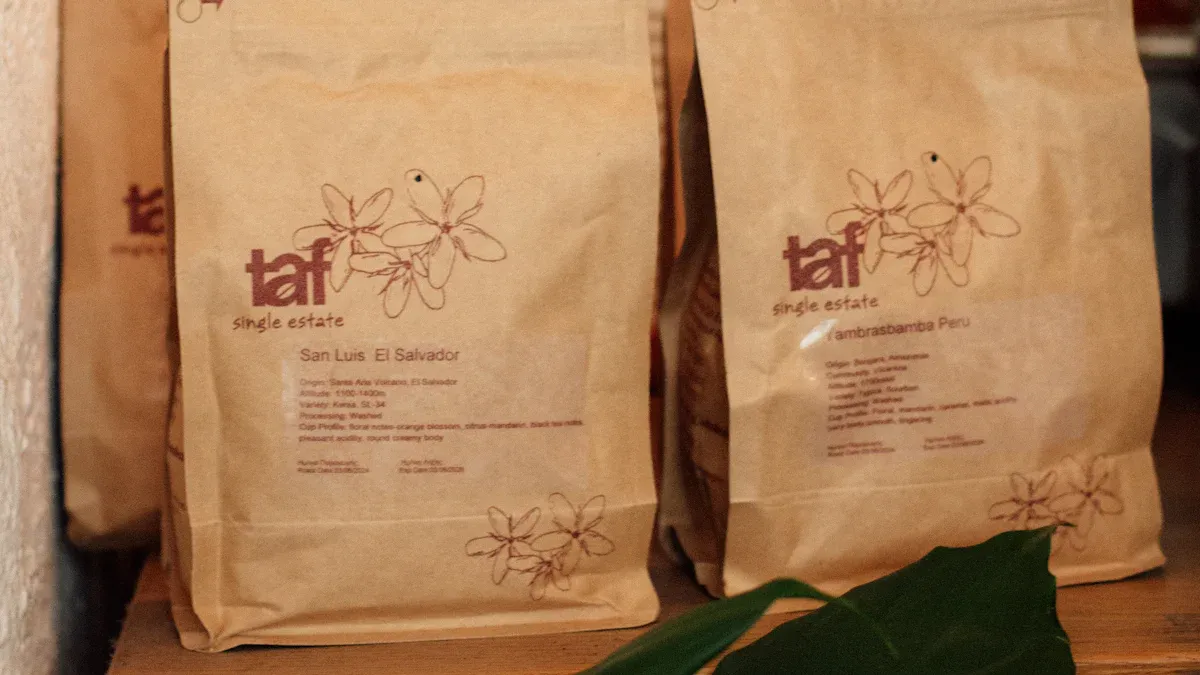
You want your coffee shop to get noticed. BN PACK lets you pick colors, logos, and finishes for your coffee bags. This helps your brand stand out on store shelves. When people see your special packaging, they remember your shop. Adding messages or cool designs makes customers feel closer to your brand. Many shoppers like packaging that matches their style and feels unique. BN PACK uses great printing, so your bags always look bright and clear.
Tip: Custom coffee bags can help you get loyal customers and more repeat sales.
Product Freshness
Keeping coffee fresh is very important for happy customers. BN PACK coffee bags use strong materials and smart features to keep flavor and smell inside. You can add zippers and one-way valves to stop air and water from getting in. These features help your coffee stay fresh for a longer time. New packaging technology lets you check freshness right away. Some bags even use AI designs to fit what customers want. This means you can always give the best-tasting coffee.
Aspect | Description |
|---|---|
Smart Packaging Technologies | Real-time checks keep coffee fresh during shipping and storage. |
AI and IoT Integration | Watches product quality and helps you meet customer needs. |
Sustainable Materials | Keeps coffee fresh and meets eco-friendly rules. |
Eco-Friendly Solutions
You can show customers you care about the earth. BN PACK has coffee bags made from recyclable and compostable stuff. Many people now pick brands that use green packaging. Using eco-friendly bags makes your brand look better and brings in loyal buyers. BN PACK’s TerraRange has compostable bags that break down safely in dirt. These bags follow strict plastic rules and help your shop keep up with new laws. Using green packaging also helps your profits, as more people want earth-friendly products.
Compostable and recyclable films attract buyers who care about the planet.
Green packaging makes your brand stronger and brings customers back.
Resealable bags keep coffee fresh, so people return for more.
Note: Picking BN PACK’s custom, eco-friendly coffee bags helps you build a strong brand, keep coffee fresh, and support a greener world.
Independent vs Franchise
Pros & Cons
You have a big choice when opening a coffee shop. You can start your own independent café or join a franchise. Each choice has good and bad sides. The table below shows how they compare:
Aspect | Independent Coffee Shop | Franchise Coffee Shop |
|---|---|---|
Pros | ||
Creative freedom | You pick the name and menu. | People know the brand right away. |
Brand ownership | The business is all yours. | You use systems that already work. |
Flexible operations | You can change things fast and try new ideas. | You get help and training. |
You might make money faster. | ||
Cons | ||
Higher risk | Your choices decide if you do well. | You cannot change things as much. |
No backup | You must do everything yourself. | You pay fees to the company. |
Slower traction | It takes time to get loyal customers. | You share control with others. |
If you open an independent shop, you control everything. You can change your menu or try new things anytime. Franchises give you a famous brand and working systems. You also get help and training. But you must follow rules and pay fees. You have less freedom to make changes.
Financial Expectations
You should know about costs before you choose. Franchises cost more at the start. You pay fees and must use their designs. Independent shops cost what you decide, based on your design, suppliers, and location.
Factor | Franchise | Independent Café |
|---|---|---|
Upfront Costs | High, with fees and setup | Changes based on your choices |
Marketing | Big brand ads included | You do your own local ads |
Operations Training | The company trains you | You hire and train your team |
Menu Flexibility | Not much choice | You can change the menu anytime |
Risk Profile | More risk in busy places | Depends on what you do |
Profit margins are different too. Independent shops usually get 10% to 20% profit. Franchise shops often get 6% to 15%. In busy places, franchises spend more on ads and face tough competition. This can lower profits. Sometimes, new franchise shops take customers from old ones.
Franchise shops spend more on ads in busy areas.
Competing for customers can slow down sales growth.
New shops may take customers from other stores.
Tip: Think about your goals, your budget, and how much control you want. Both choices can work if you plan well and know your market.
Maximizing Profitability
Menu Optimization
You can make more money by using smart menu ideas. Check your menu often and take off items that do not sell. Add new drinks and snacks for each season to keep things fun. Use menu engineering to show off items that make the most money. Put your best sellers at the top or in a bright box. Try new recipes to save money but keep the taste good. Offer combos, like coffee with a pastry, to get people to buy more. These tips help you get more from every sale.
Loyalty Programs
Loyalty programs help bring customers back again and again. When you give rewards, people feel special and want to return. Many shops use apps or punch cards for these rewards. These programs make customers feel like they are part of a group.
At Scooter’s Coffee, we know loyalty is about more than just buying things. We want customers to feel at home. When they feel like family, they come back for more than just drinks. They tell friends and family about your shop, which brings in new people.
A loyalty program can make people buy more and visit more often. The table below shows how well these programs work:
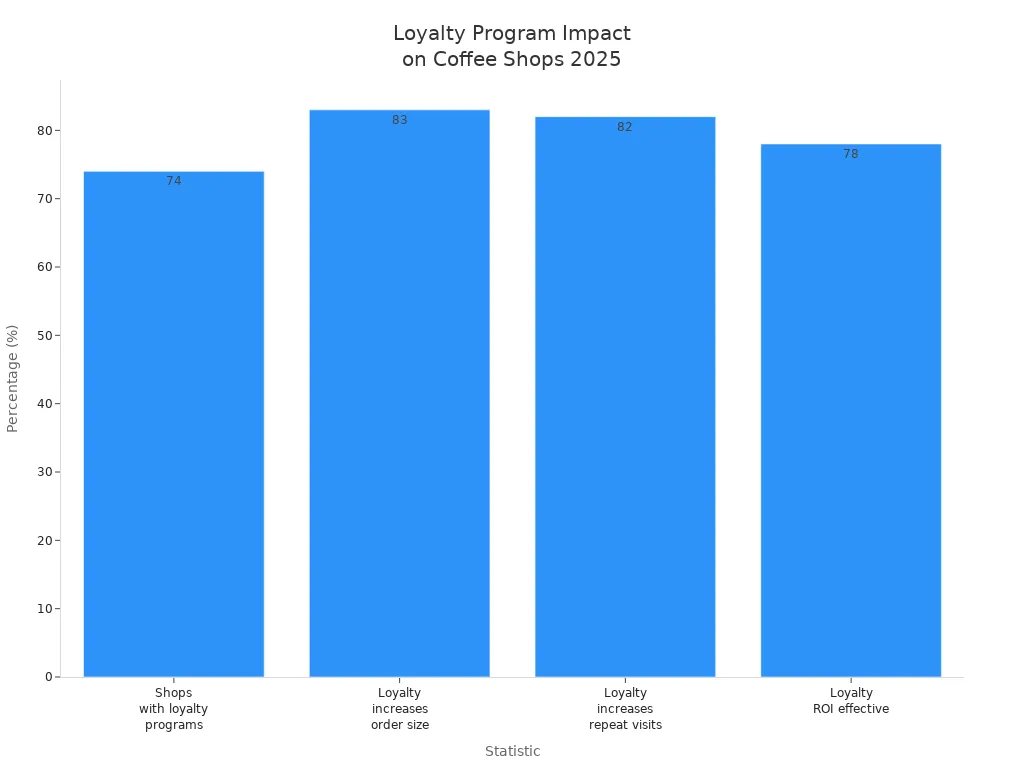
Loyalty programs help keep customers by making them feel important.
They make people come back and spend more, so you earn more.
These programs help your shop stand out from others.
Cost Control
You need to watch your costs to keep your shop making money. Track what you have and use FIFO to cut waste. Teach your team to use the right amounts for each drink or snack. Plan work times for busy hours and train staff for many jobs. Buy machines that use less power to save on bills. Look at your menu and focus on items that make the most profit. Cut waste by checking leftovers and using them in new ways.
Cost Control Measure | Description |
|---|---|
Inventory Management | Check stock often and use FIFO to cut waste and keep items ready. |
Portion Control | Use set recipes and teach staff to keep sizes the same and waste less. |
Labor Cost Management | Plan shifts and train staff for many jobs to save money and keep service good. |
Energy Efficiency | Buy machines that save power and use less energy. |
Menu Engineering | Study profits and add seasonal items to make more money. |
Waste Reduction | Watch waste and use leftovers in new ways to save money. |
Targeted Marketing | Use ads to reach the right people and check if your ads work. |
Marketing
You can use marketing to get new customers and keep old ones. Post pictures of your drinks and shop on social media. Offer deals for holidays or local events to bring people in. Send emails to tell customers about new menu items or sales. Work with other local shops for special deals. Check which ads bring in the most sales. Spend your money on what works best. Good marketing helps your shop grow and make more money.
You can make good money in your coffee shop by watching costs, using creative branding, and picking quality packaging like BN PACK coffee bags. How much profit you get depends on how you handle spending and follow new trends. Use smart ideas to earn more and get customers to return. The choices you make now will affect your shop’s profits in 2025 and later. Stay open to change and keep learning to reach your goals.