Flexographic printing uses flexible plates to apply ink onto packaging materials, making it a popular choice for food wrappers, drink labels, and many everyday products. This printing method is favored by companies because flexographic printing is fast and cost-effective for large-scale orders. In 2024, the flexographic printing market was valued at around $9 billion and is projected to grow to over $11 billion by 2030. BN PACK stands out as a leading company in the flexographic printing industry, offering reliable and custom packaging solutions that help your brand get noticed.
What is Flexographic Printing
Flexography Basics
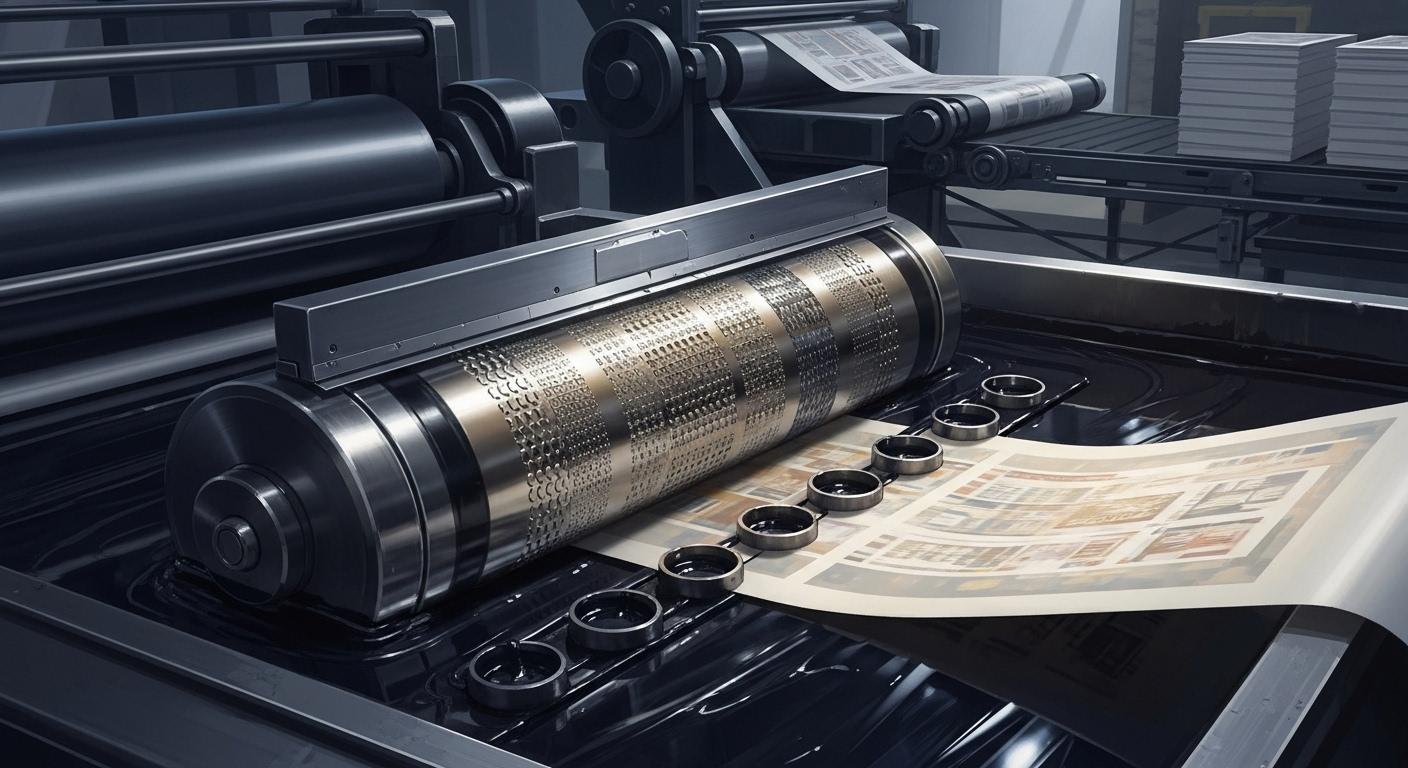
Flexographic printing is a modern way to print things. It uses flexible plates to put ink on many materials. This is a kind of relief printing. The raised parts of the plate hold the picture or words. When the plate presses down, ink moves from the raised parts to the material. This method is fast and the ink dries quickly. That is why it works well for packaging and labels.
Flexography has a long history. Many inventors and engineers made it better over time. Here are some big moments in its story:
In 1903, printers used synthetic aniline dye ink. This made the ink dry faster.
By 1914, corrugated cardboard was used for most packaging.
In 1927, new ink types made prints look better.
In 1931, pigmented white aniline ink gave bright, solid colors.
The anilox roll came in 1941 and made ink transfer more exact.
In 1952, the name “flexography” was chosen at a big meeting.
Other changes made flexography even better:
Synthetic rubber plates came in 1932 and lasted longer.
Laser-engraved anilox rollers in the 1980s gave better ink control.
Computer-to-plate technology in the 1990s made setup faster and more exact.
Today, flexography is special because it prints on many surfaces. It works on plastic, paper, and foil. You see flexography every day on snack bags, juice pouches, and shipping boxes.
BN PACK is a leader in flexible packaging with flexographic printing. The company has over 22 years of experience. BN PACK gives brands high-quality, custom packaging all over the world. They use advanced flexo technology to make products look good and stay safe.
How Flexo Printing Works
Flexo printing uses special parts that work together. These parts help make sharp and colorful images. Here is a table that shows the main parts and what they do:
Component | Function |
|---|---|
Fountain Roller | Moves ink from the ink pan to the anilox roller. |
Anilox Roller | Controls the amount of ink and spreads it evenly. |
Doctor Blade | Scrapes off extra ink from the anilox roller. |
Print Cylinder | Holds the flexible plate that carries the image. |
Impression Cylinder | Presses the material against the print cylinder to transfer the image. |
Flexo Printing Plates | Transfers the image or text to the material. |
Inking Systems | Delivers and dries different types of inks. |
Drying Systems | Dries the ink quickly without harming the material. |
Closed Loop Tension Systems | Keeps the material tight and steady for smooth printing. |
The flexo printing process starts with the pre-press stage. You design the artwork and pick the right plate. You test everything to make sure it works. Next is the on-press stage. You put the plates on, add ink, and print the image. The drying system makes the ink dry fast. Last is the post-press stage. You cut, check, and pack the finished product.
Flexographic printing is different from older ways of printing. It can print on both porous and non-porous surfaces. This means you can use it for many kinds of packaging. Flexo printing uses water-based, solvent-based, or UV inks. These inks dry fast and help keep things moving. The process gives clear lines and sharp text, even on hard materials.
BN PACK uses the newest flexo printing technology. This gives you packaging that looks professional and lasts. The company’s skill helps your brand stand out and keeps your products safe.
Flexographic Printing Process
Materials and Equipment
Flexo printing can print on many materials. This makes it great for packaging in many industries. You might see flexo printing on things like:
Coated or uncoated papers
Liner board and corrugated materials
Carton board and foils
Polypropylene (PP) and low-density polyethylene (LDPE)
Bioriented polypropylene (BOPP) and polyester (PET)
Laminates and fabrics
Nylon (PA), cellulose film, and aluminum foil
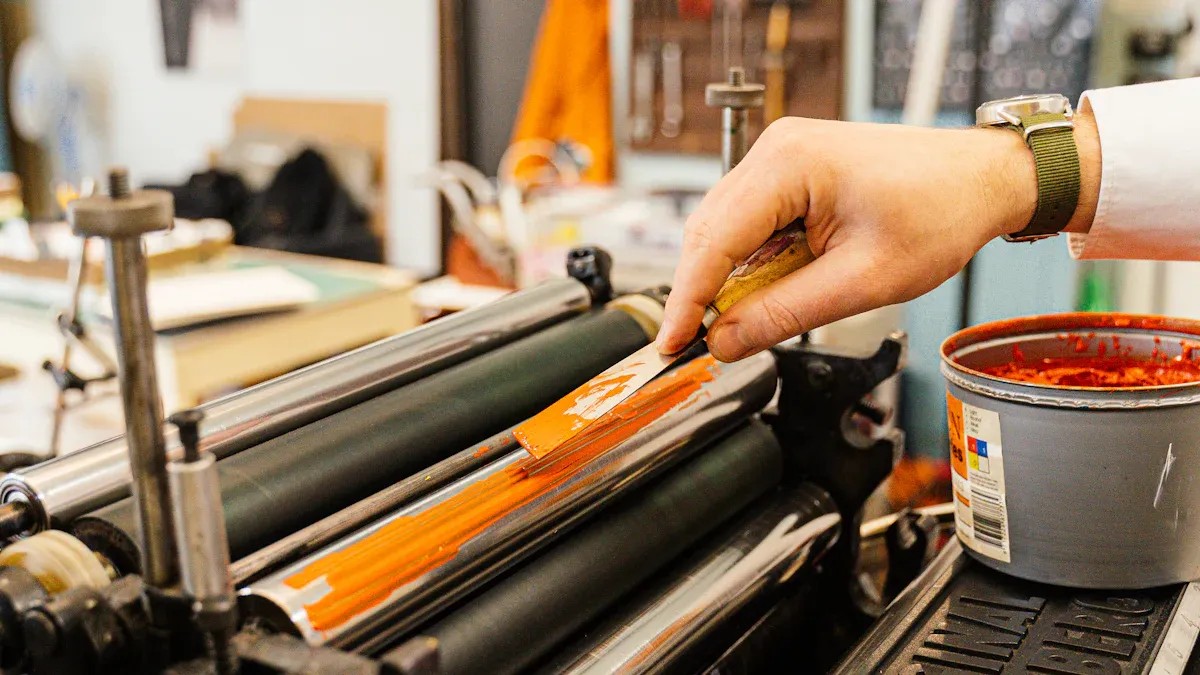
You need special machines to get good results. A flexographic printing press has important parts:
Feed & Unwind Station: This part lets the material go into the press.
Printing Station: Ink moves from storage to the plate cylinder with anilox rolls.
Drying Station: Infrared, air, or UV/LED systems dry the ink fast.
Chilling Rollers: These keep the material cool and steady.
Die Cutting & Converting: You can cut, crease, or emboss the material after printing.
Outfeed and Rewind: This part takes up the finished product and waste.
Tip: The right materials and equipment help you get bright, clear prints that last.
Step-by-Step Workflow
Flexographic printing follows steps from start to finish. Here is a simple table to show each step:
Step | Description |
|---|---|
1 | Web Handling and Preparation: The press unwinds the material, keeps it tight, and treats the surface if needed. |
2 | The Printing Station and Ink Transfer: Each color prints at a different station. Anilox rollers and doctor blades help apply ink evenly. |
3 | Drying and Curing: The press dries the ink before adding the next color. This uses air, heat, or UV light. |
4 | In-Line Finishing and Rewinding: The press cools, cuts, and rewinds the printed material, making it ready for use. |
You must check quality at every step. You look for color, alignment, and any mistakes. Real-time tools help you find problems quickly. You also test the final product for strength and how it looks.
Flexographic printing is a fast and reliable way to make packaging. You get sharp images and strong colors on many surfaces. Flexo printing works for both small and big jobs, so it is a top choice for packaging.
Advantages of Flexographic Printing
Speed and Efficiency
If you need packaging quickly, flexographic printing is a good choice. Flexo presses can print very fast. They can reach speeds up to 600 meters each minute. This means you get more products in less time. For example:
Flexographic printing can go as fast as 400 meters per minute.
Gravure printing usually prints about 150 meters per minute.
Flexo printing is great for big orders. The plates last a long time and you can use them again. This helps lower your cost for each item, especially for large jobs. Flexo presses use inks that dry fast. You get your packaging sooner and your business keeps moving.
Versatility and Quality
Flexography is special because it prints on many things. You can use paper, cardboard, plastic, shiny films, cellophane, and even cloth. Flexo printing uses different inks. These include water-based, solvent-based, and UV-curable inks. Each ink has its own good points:
Water-based inks are better for the environment and work well on surfaces with tiny holes.
Solvent-based inks dry quickly and stick to smooth surfaces.
UV-curable inks make high-quality prints and dry right away.
Modern flexo presses can use 2 to 14 color stations. Most presses use 6 to 8 colors. Some advanced presses use 7-color systems for even better colors. You can print clear pictures and bright colors. Many flexographic plate imagers reach 2400 or 2450 dpi. Some go up to 4800 dpi for extra sharpness. This makes your packaging look professional and easy to notice.
BN PACK’s Flexo Printing Benefits
When you pick BN PACK, you get more than printing. You get a team that cares about your brand and your customers. Here is what BN PACK gives you:
Benefit Description | Details |
|---|---|
High-resolution designs | Flexo printing lets you have bright, sharp designs starting from 5,000 units. |
Customization options | You can add zippers, tear notches, and clear windows to your pouches. |
Cost efficiency | Flexible packaging can save you 50-70% compared to hard packaging. |
Enhanced consumer experience | Features like resealable zippers and microwave-safe options make your product easy to use. |
Eco-friendly materials | BN PACK offers recyclable and biodegradable materials to help you make less waste. |
BN PACK uses smart machines to make production faster and reduce mistakes. You get your orders quickly and with less trouble. The company uses biodegradable, compostable, and recyclable materials. This helps the planet and gives you great packaging. Flexographic printing with BN PACK helps your business do better in packaging.
Flexographic Printing Applications
Packaging Industry
Flexo printing is used a lot in packaging. Companies print on bags, pouches, wrappers, and labels with flexography. Flexo presses can print on plastic films, paper, and foil. The prints have bright colors and sharp images. This helps products get noticed in stores. Flexographic printing is good for big orders. You can make thousands of packages fast. The packaging looks professional and meets safety rules.
Food and Beverage
Flexo printing is important for food packaging and drink labels. Food packaging must follow strict rules to keep food safe. Flexo printing lets you print clear information. You can add ingredients, nutrition facts, and expiration dates. Barcodes and batch numbers help with tracking and inventory. Flexo printing helps you follow FDA rules. It also gives your brand high-quality graphics.
Flexographic printing in food and drinks helps you:
Follow FDA labeling rules.
Add barcodes and batch numbers for tracking.
Make your brand look better with sharp graphics.
You must follow safety and compliance rules for food packaging. The table below shows what you need to check:
Safety and Compliance Standards | Description |
|---|---|
Exclusion of hazardous substances | You cannot use things that cause cancer or harm health. Heavy metals and some chemicals are not allowed. |
Raw material transparency | You must know what is in all raw materials. This includes things added by accident and their legal status. |
Migration limits | Inks must be made to stop them from moving into food. You need to know what could move and if it is safe. |
Communication in supply chain | Food makers, converters, and ink suppliers must talk to each other. This keeps packaging safe and legal. |
Declaration of Compliance | You must give a paper that says the packaging meets safety rules. |
You should use risk control at every step. Always talk with your suppliers. Keep food safe by stopping things from moving from packaging into food.
BN PACK Solutions
BN PACK gives you packaging that meets world standards. You can get custom designs for food and drink labels. BN PACK uses advanced flexo printing for sharp images and strong colors. Many brands trust BN PACK for good packaging. For example, Arka Packaging uses flexo printing for many customers. You can design packaging that fits your brand and keeps food fresh. BN PACK helps you follow safety rules and makes your products look better on shelves.
Flexography vs. Other Printing Methods
When you pick a way to print packaging, you want to know the differences. Flexography is popular, but you might wonder how it compares to gravure, offset, and digital printing. Here is an easy guide to help you see how they are different.
Flexo vs. Gravure
Flexo printing and gravure printing are both good for packaging. There are some important differences:
Aspect | Flexographic Printing | Gravure Printing |
|---|---|---|
Cost | Cheaper for small and medium jobs | Best for very big orders |
Quality | Good, but not as sharp as gravure | Great for photos and fine details |
Environmental Impact | Better for the environment | Not as green, uses more chemicals |
Flexo printing uses water-based and UV inks. This helps make packaging safer for the planet. Gravure printing uses solvent-based inks and sometimes heavy metals. Gravure gives the best print quality, but it costs more and needs bigger orders. Flexo is faster, works on more things, and saves money for smaller jobs.
Flexo vs. Offset
Offset printing is used for magazines and books. Flexo printing is better for packaging. Here is how they are different:
Feature | Flexographic Printing | Offset Printing |
|---|---|---|
Setup Time | Sets up fast for big jobs | Takes longer because of plate-making |
Print Run Length | Good for long runs, up to 2,000 feet per minute | Good for lots of sheets, up to 18,000 per hour |
Substrate Compatibility | Prints on foil, fabric, and plastics | Works best on flat paper and cardboard |
Flexo printing can print on many materials. Offset printing works best on smooth paper or cardboard. Flexo presses set up quickly and can print on lots of packaging types.
Flexo vs. Digital
Digital printing is great for custom jobs and quick changes. Flexo is better for big orders. Here is a simple table:
Factor | Flexo Printing | Digital Printing |
|---|---|---|
Cost | Costs more to start, but saves money for big jobs | Cheaper to start, but costs more for big orders |
Customization | Harder to change designs, needs new plates | Easy to change designs, no plates needed |
Setup Time | Takes time to make plates | Sets up fast and prints quickly |
Digital printing lets you change designs easily. Flexo printing is best when you need lots of packages with the same look. Digital printing costs more for big orders, but flexo saves money as you print more.
Tip: BN PACK uses smart flexo machines to give you strong, eco-friendly packaging for any order size.
Flexographic printing is a quick way to make nice packaging. It works for lots of different products. BN PACK helps your brand get noticed with custom packaging. They make sure the packaging is strong and looks good. New trends are changing how printing works. People now use better inks and machines that work by themselves. Many companies pick eco-friendly materials to help the planet. Digital tools and water-based inks are used more now. This makes printing safer for the environment. Flexographic printing will keep growing as new technology comes out. More people want good packaging, so this type of printing will be used even more.