
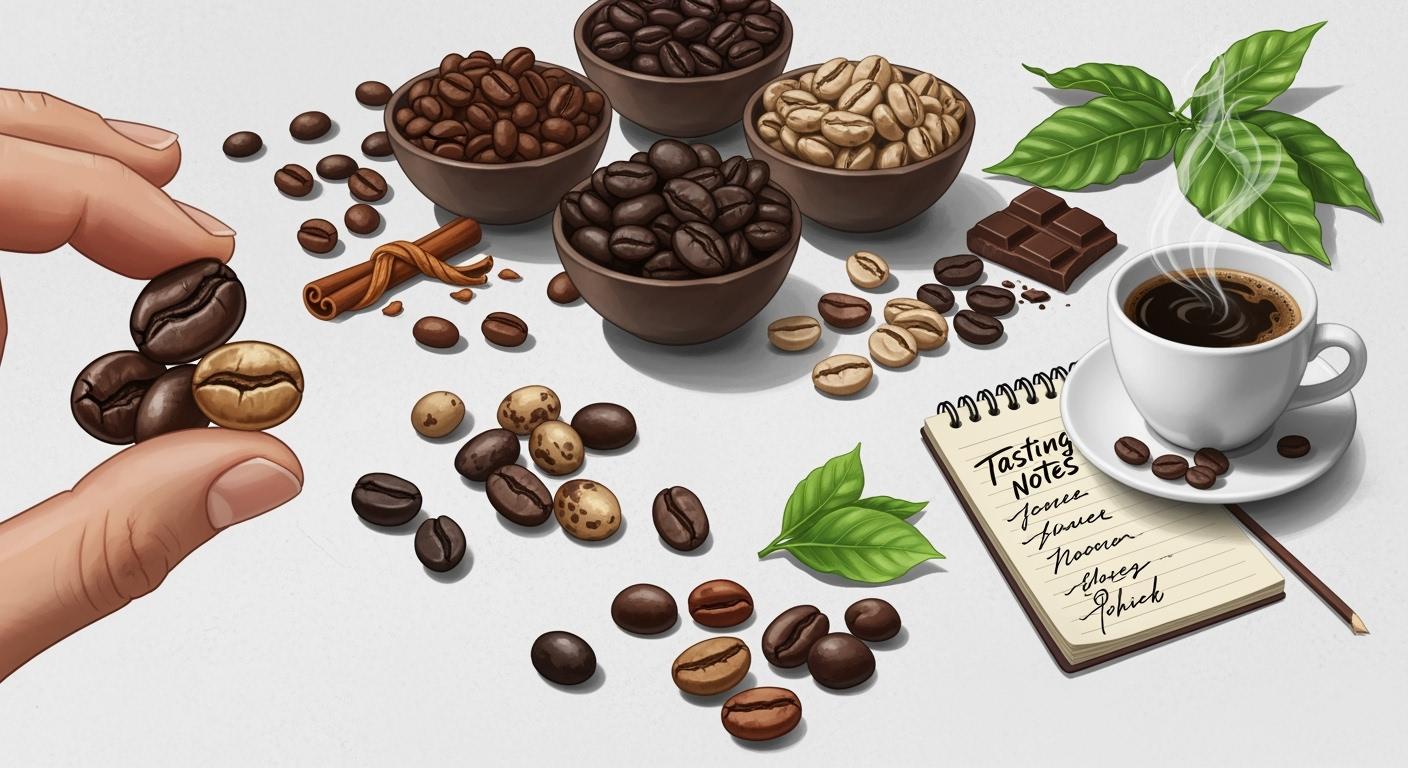
Imagine you open a bag of gourmet coffee. The smell comes out fast. It has hints of fruit, chocolate, or flowers. You breathe in, and the smell makes you excited. Each cup has special flavors that feel fun on your tongue. Experts say gourmet coffee beans smell richer than regular coffee. This smell changes how you taste the coffee and its sweetness. You may wonder why some coffee tastes bright and lively. Others taste smooth and deep. Where the beans come from matters. How the beans grow also matters. How you store them is important too. Even the right packaging, like BN PACK coffee bags, keeps the smell fresh. You can find tasty coffee at home. You can enjoy these special flavors every day.
What Makes Gourmet Coffee Special
Defining Gourmet Coffee
When you hear gourmet coffee, you might think of a fancy cup. It smells strong and tastes bold. But what does gourmet coffee really mean? There is no worldwide rule for what makes coffee gourmet. People use the word for coffee that feels special or better than normal coffee. Some brands call their best blends gourmet. Some even use it for flavored coffees in stores. Sometimes, gourmet coffee is like specialty coffee, but not always. You might see gourmet coffee on store shelves. But the label does not always mean the beans are high-quality or have a special flavor profile. You should check where the beans come from, how they are roasted, and how they are handled. These things help you find out if the coffee is really good.
Tip: Always look at the package for where the beans are from and when they were roasted. This helps you pick coffee that is fresher and has a better flavor profile.
Flavor Complexity
Gourmet coffee is different because it has many flavors. When you drink it, you might taste fruit, chocolate, nuts, or flowers. These flavors come from where the beans grow, how they are processed, and how they are roasted. Specialty coffee goes even further. Experts use cupping reports to check taste, smell, aftertaste, body, acidity, and sweetness. This shows a flavor profile that is rich and special. Regular coffee can taste plain, but high-quality coffee gives you more to enjoy. You can notice the difference with every sip.
Young people want more than just plain coffee. They want new flavors and fun tastes. Social media helps brands show off their flavor profile. It also helps them find people who want to try something new.
Factor | Description |
|---|---|
Demographic Shifts | More young people in places like India try new coffee flavors every year. |
Rise of Café Culture | Young people like to try unique taste profiles, not just normal blends. |
Social Media Influence | Brands use social media to show their flavor profile and reach people who like new coffee. |
Some people think dark roast has more caffeine or that espresso beans are special. These ideas are not true. The roast level does not change caffeine much. Espresso is just a way to brew coffee, not a different bean. Also, boiling water is not best for making coffee. The right temperature keeps the flavor profile good and the taste smooth.
Dark roast does not have more caffeine than light roast.
Espresso beans are not a different kind of coffee bean.
Boiling water is not best; use water between 195°F and 205°F for the best flavor.
Specialty Grading
Specialty coffee is better than regular or gourmet blends. It is judged by strict rules. Experts look at the beans’ size, shape, and if they have any defects. They also taste the coffee and give it a score. Only the best coffee beans with a clean, complex flavor profile get called specialty. In the United States, specialty coffee is about 55% of the retail coffee market. This means more people want high-quality coffee with special flavors and better taste.
Specialty coffee is about 55% of the U.S. coffee market’s retail value.
The U.S. coffee market is worth about $48 billion.
Almost half of all coffee cups in the U.S. are seen as specialty by people.
You can see why many people want specialty coffee. The quality, flavor, and taste profile make each cup feel special. When you pick high-quality coffee, you get more than a drink. You get a full flavor experience that is different from the rest.
Coffee Origins and Flavor Profiles
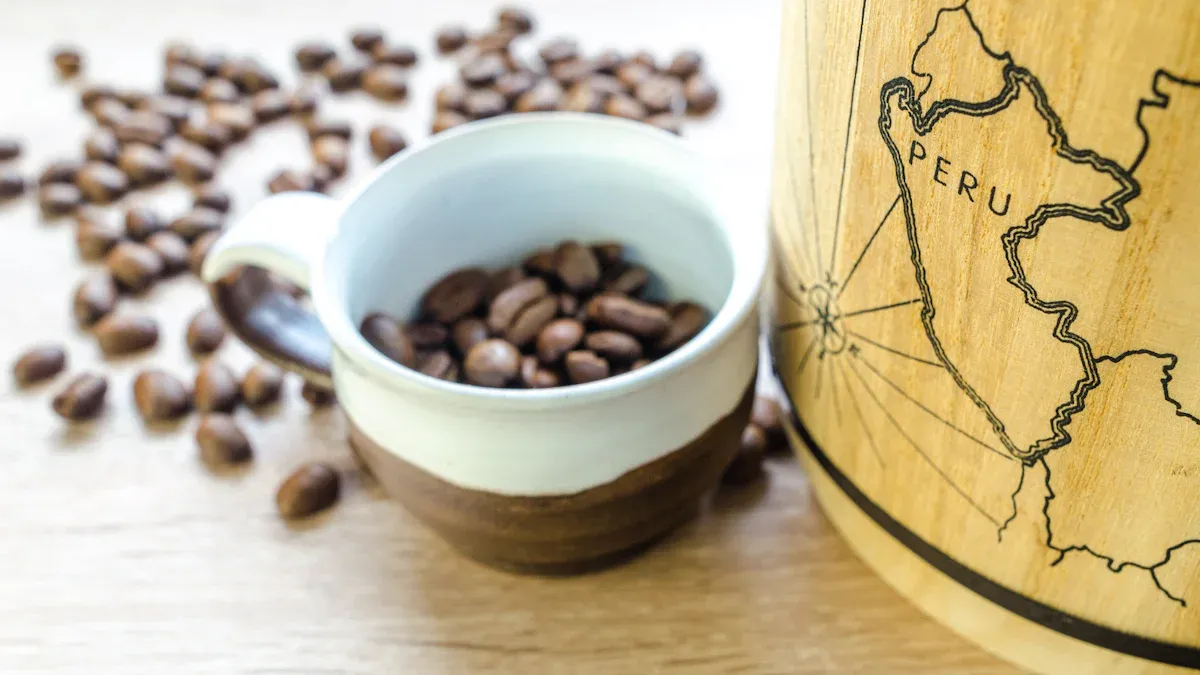
Have you noticed your gourmet coffee tastes different each time? This is because of where the coffee beans come from. The place where beans grow changes their taste a lot. Each area gives you a new flavor to try. Let’s see what makes African, Latin American, and Asian coffees special. You will also learn how terroir and microclimate help make unique flavor profiles.
African Coffee Flavors
African coffee beans make your cup exciting. They have bright and lively flavors. Many people like African coffees for their fruity and floral notes. Ethiopian coffee can taste like blueberry, lemon, or jasmine. Kenyan coffee has strong berry flavors and a dry, tangy finish. Ugandan beans are smooth and mild. Sometimes they taste sweet, with hints of stone fruits and nuts. Rwandan coffee can taste like citrus and caramel.
Ethiopian coffee beans: blueberry, lemon, jasmine, black fruit, floral, citrus
Kenyan coffee beans: rich berry, bracing citric acidity, floral aromas, wine-like
Ugandan coffee beans: sweet, mild, stone fruits, nuts, smooth, almost neutral
Rwandan coffee beans: bright citrus, sweet caramel aftertaste
If you want a fun and surprising cup, try African gourmet coffee.
Latin American Coffee Flavors
Latin American coffee beans taste smooth and balanced. These coffees are sweet and easy to enjoy. You can taste chocolate, caramel, and nuts. Each country adds something special. Brazilian coffee tastes nutty and chocolatey. It has mild acidity and a full body. Colombian beans are balanced with caramel and citrus notes. Costa Rican coffee is clean and bright, with honey sweetness. Guatemalan beans are complex, spicy, and rich.
Here’s a quick look at how Latin American coffees compare to others:
Region | Flavor Characteristics |
|---|---|
African Coffee | Bright, fruity, floral, and adventurous |
Ethiopia | Floral, citrusy, tea-like |
Kenya | Bold acidity, blackcurrant, wine-like |
Latin American | Smooth, balanced, sweet, and approachable |
Brazil | Nutty, chocolatey, mild acidity, full-bodied |
Colombia | Balanced, smooth, caramel and citrus |
Costa Rica | Clean, bright, with honey sweetness |
Guatemala | Complex, spicy, and full-bodied |
Latin American gourmet coffee gives you a cozy and classic taste. These beans are good for people who like a sweet and familiar cup.
Asian Coffee Flavors
Asian coffee beans have flavors you may not expect. They can taste earthy, nutty, or even floral. Vietnamese coffee is nutty and earthy, with low acidity and a strong smell. Indonesian beans, like Sumatra or Java, taste rich and velvety. They often have chocolate and spice notes. Indian coffee can be a little sweet and smoky. Thai and Chinese coffees sometimes taste floral and citrusy. Coffee from the Philippines is fruity and juicy because of the tropical weather.
Vietnamese coffee beans: nutty, earthy, woody, intense aroma, low acidity
Indonesian coffee beans: rich, velvety, chocolate, spice, intense aroma
Indian coffee beans: slight sweetness, smoky
Thai and Chinese coffee beans: floral, citrus
Philippine coffee beans: fruity, sweet, juicy
If you want to try bold and new flavors, Asian gourmet coffee beans are a great pick.
Terroir and Microclimate
You may wonder why beans from the same country taste different. The answer is terroir and microclimate. Terroir is the natural place where coffee grows. This means the soil, height, and weather. Microclimate is the small, local weather in one area.
Soil composition: Volcanic soils make coffee bright and complex. Clay soils give coffee a heavier body.
Climate and rainfall: Good rain and mild weather help coffee cherries grow well. This changes the taste in your cup.
Altitude: High places slow down ripening. Beans get more sugars and acids. This makes coffee taste brighter and more interesting.
Let’s look at a few examples:
Ethiopia: High places and volcanic soils give floral smells and bright acidity.
Colombia: Mountains and steady rain make mild, balanced coffee with caramel sweetness.
Guatemala: Volcanic soils and many microclimates make complex coffee with smoky and chocolate notes.
When you pick gourmet coffee, you taste its story. Each area, farm, and hillside can make a different flavor. You get to travel the world with every cup. That is the magic of coffee flavor profiles from coffee origins.
Processing, Roasting, and Flavors
Washed, Natural, and Honey Process
Gourmet coffee tastes different in every cup. This happens because people use different ways to process beans. Each way gives the coffee its own flavor.
Washed: This way makes coffee taste clean and bright. It has soft acidity. You can taste the bean’s real flavor.
Natural: The beans dry inside the fruit. This gives fruity and complex flavors. The coffee can taste like wine and has more acidity.
Honey Processed: Some sticky fruit stays on the beans. This makes the coffee sweet and rich. The taste is between washed and natural.
Processing Method | Flavor Characteristics |
|---|---|
Washed | Soft acidity, floral aromas |
Natural | Fruity, wine-like, complex |
Honey Processed | Richness, sweetness, balanced profile |
Each process changes how gourmet coffee tastes. Try different types to find what you like best.
Roast Levels and Taste
Roasting changes the flavor of coffee beans. You pick how light or dark to roast them. Light roast keeps fruity and nutty flavors. Medium roast brings out sweet and caramel notes. Dark roast tastes bold, smoky, or burnt.
Roast Level | Aroma Characteristics | Key Compounds |
|---|---|---|
Light | Fruity, nutty | 2,5-dimethylpyrazine, 2,5-dimethylfuran |
Medium | Sweet, toasted, caramel | Ethenyl pyrazine, 2-ethyl-6-methylpyrazine |
Dark | Burnt, smoky, strong | Furfuryl formate, 4-methylthiazole |
Tip: To taste the real flavors of gourmet coffee beans, try a light or medium roast. You will notice more of the bean’s natural taste.
Interaction of Origin and Processing
The best flavors come from matching the right beans with the right process. Ethiopian beans taste great with natural processing. You get bright fruit and floral notes. Brazilian beans are good with honey process. This gives sweetness and body. How people process beans depends on the weather and soil. This mix changes the final taste in your cup.
Dry processing uses the sun to dry the whole cherry. This gives bold and fruity flavors.
Wet processing takes off the fruit before drying. This makes the taste clean and bright.
Gourmet coffee lets you explore many choices. You can taste the story of each bean from the farm to your mug.
Brewing Methods for Gourmet Coffee
You have so many ways to brew better coffee at home. Each brewing method brings out different flavors from your gourmet coffee beans. If you want to taste all the unique notes in your coffee, try exploring a few new coffee brewing methods.
Pour-Over for Clarity
Pour-over brewing lets you control every step. You pour hot water over the coffee beans slowly. This method highlights the bright, clean flavors in gourmet coffee. You can taste the fruity or floral notes, especially with single-origin beans. Manual pour-overs, like Chemex or V60, give you a crisp cup with clear flavors. Many coffee lovers say pour-over is perfect for tasting the true character of your beans.
Tip: Use a medium grind and pour water in slow circles. This helps you get the best flavors from your gourmet coffee.
French Press for Body
French press brewing gives you a rich, full-bodied cup. You steep the coffee beans in hot water, then press the grounds down. This brewing method keeps the natural oils and tiny bits in your cup. You get a heavier mouthfeel and bold flavors. Try a 1:15 coffee-to-water ratio and a medium-coarse grind to start. You can adjust the ratio to match your taste.
French press brings out deep, strong flavors.
The right grind and ratio help you enjoy the full body of gourmet coffee.
Espresso for Intensity
Espresso packs a punch. You force hot water through finely ground coffee beans at high pressure. This brewing method creates a small, strong shot with intense flavors. Espresso has a higher concentration of flavors than other methods. You taste bold notes, rich bitterness, and lively acidity.
The pressure in espresso brewing pulls out flavors fast, making every sip powerful and complex.
Matching Method to Flavor Profile
You can match your brewing method to the flavors you want. Pour-over works well for bright, clean flavors. French press is great for bold, rich tastes. Espresso gives you strong, concentrated flavors. If you want to try something new, AeroPress and moka pot also bring out different sides of your gourmet coffee.
Pour-over: Clean, bright, and clear flavors.
French press: Full-bodied, rich, and heavy.
Espresso: Intense, bold, and complex.
AeroPress: Smooth or rich, depending on how you brew.
Try different brewing methods to discover all the flavors your gourmet coffee beans can offer. You might find a new favorite way to enjoy your coffee every day.
Preserving Flavors with BN PACK Coffee Bags
Importance of Packaging for Freshness
You want your gourmet coffee to taste amazing every time you brew a cup. The secret starts with how you store your coffee beans. Freshness matters because air, moisture, and light can steal away the best flavors. When you use the right packaging, you keep your coffee beans safe from these enemies. BN PACK coffee bags help you lock in the rich aroma and taste. You get to enjoy the true flavors of gourmet coffee, just like the day the beans were roasted.
Tip: Always seal your coffee beans tightly after each use. This keeps the flavors bold and lively.
Features of BN PACK Coffee Bags
BN PACK coffee bags use smart design and strong materials to protect your gourmet coffee. These bags have special layers and features that keep your coffee beans fresh and flavorful.
Feature | Description |
|---|---|
One-way degassing valve | Lets CO2 out but blocks oxygen, so your coffee beans stay fresh and full of flavors. |
Multi-layer laminate bag | Stops air, moisture, and light from getting in, keeping your gourmet coffee at its best. |
Aluminum foil layer | Blocks almost all oxygen and light, giving your coffee beans extra protection. |
Food-safe sealant layer | Seals the bag tight and keeps your coffee safe to drink. |
The outer layer uses PET for strength and printing. The middle layer has aluminum foil to block out harmful elements. The inner layer uses LLDPE for a safe seal. These features work together to keep the flavors of your gourmet coffee locked inside.
Customization and Eco-Friendly Options
You can make your coffee bags look unique with BN PACK. Custom designs and logos help your brand stand out. If you care about the planet, you can choose eco-friendly materials. These options break down naturally and help reduce waste. Recyclable bags also save resources and support a cleaner world.
Benefit Type | Description |
|---|---|
Customization | You can show off your brand and make your coffee bags special. |
Eco-friendly Materials | These bags help protect nature and attract customers who care about the environment. |
Brand Image | Using green packaging makes your brand look good and helps you reach more people. |
Eco-friendly coffee packaging lowers pollution and keeps harmful trash out of landfills. You help the earth while keeping your gourmet coffee flavors fresh. BN PACK coffee bags give you the best mix of protection, style, and care for the planet.
Tasting and Identifying Coffee Flavors
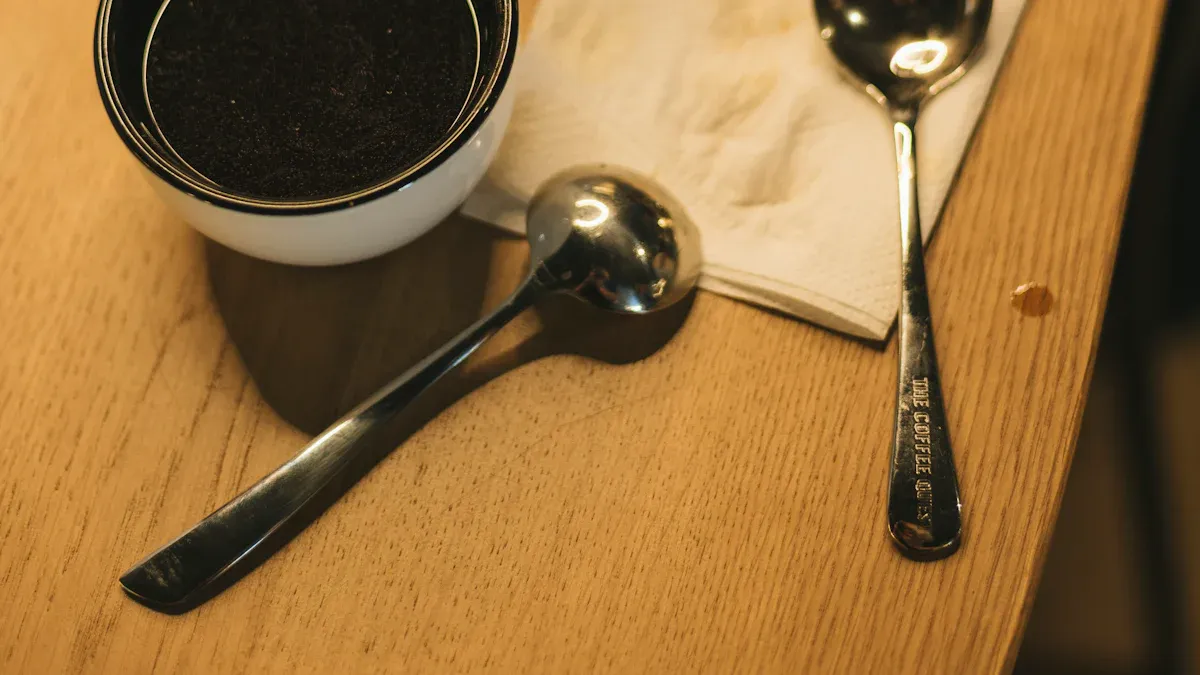
Aroma, Body, Acidity, Aftertaste
When you start coffee tasting, you notice more than just the taste. You use your nose and mouth to explore the world of gourmet coffee. Each cup has its own story. You can find many flavors in every sip. Some are bold, some are soft, and some stay with you long after you finish.
Here’s a quick guide to the main things you look for during coffee tasting:
Sensory Attribute | Description |
|---|---|
The smell of the brewed coffee, checked for how strong, complex, and good it is. | |
Body | The way the coffee feels in your mouth—heavy, light, or smooth. |
Acidity | The bright, tangy feeling you get, which should feel balanced and pleasant. |
Aftertaste | The taste and smell that stay after you swallow, checked for how long and nice it lasts. |
You can use these points to help you find the special flavor notes in your gourmet coffee beans. Try to notice how the aroma changes as the coffee cools. Feel the body on your tongue. Think about the acidity and how the aftertaste lingers.
Using a Flavor Wheel
A flavor wheel helps you talk about the flavors you find in gourmet coffee. It looks like a colorful chart with many words. You use it during coffee tasting to pick out flavor notes and describe them. Here’s how people use the flavor wheel:
The coffee flavor wheel sorts out all the flavors you might taste, so you can describe them easily.
You use it in coffee tasting sessions to keep your notes clear and steady.
The wheel gives everyone the same words, so you and your friends can talk about gourmet coffee flavors without confusion.
You might find words like “chocolate,” “berry,” or “spice” on the wheel. This tool makes it fun to explore new flavors in your coffee beans.
Developing Your Palate
You can get better at coffee tasting with practice. Start by smelling and sipping your gourmet coffee slowly. Try to name the flavors you notice. Use the flavor wheel to help you. Taste different coffee beans from around the world. Each one brings new flavors and flavor notes.
Tip: Keep a small notebook for your coffee tasting adventures. Write down what you smell, taste, and feel. Over time, you will spot more flavors and enjoy gourmet coffee even more.
You do not need to be an expert. Just stay curious and keep trying new coffee beans. Soon, you will find your favorite flavors and become a true coffee tasting fan.
You now know what makes gourmet coffee so special. Experts say these factors shape the flavors you love:
Variety of coffee beans
Terroir and growing conditions
Farming practices
Processing methods
Blending choices
Brewing style
Try beans from new places, use different brewing tools, and store your coffee in BN PACK coffee bags. Every cup can surprise you. The world of coffee is full of new tastes to explore!