
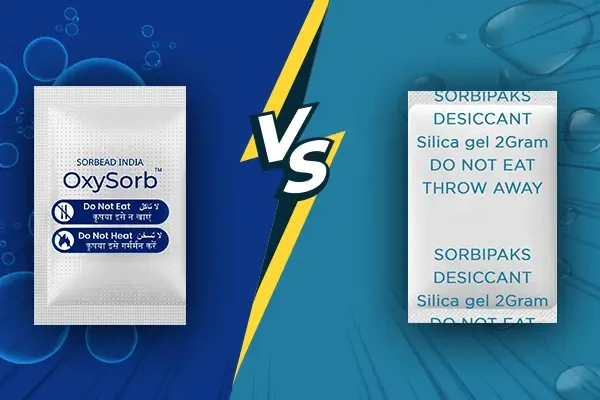
If you want to store food well, use oxygen absorbers for most foods. Oxygen absorbers take away oxygen. This helps stop food from going bad. It also keeps bugs away and keeps food looking and feeling good. Silica gel is best for controlling moisture. It helps stop mold from growing. Both tools keep your food safe in different ways. BN PACK gives you good packaging. This helps you use these tools for longer storage and better food quality.
Type of Food Spoilage | Prevention Method |
|---|---|
Oxidative degradation | Oxygen absorbers |
Mold and humidity damage | Silica gel |
Oxygen Absorbers Explained
How Oxygen Absorbers Work
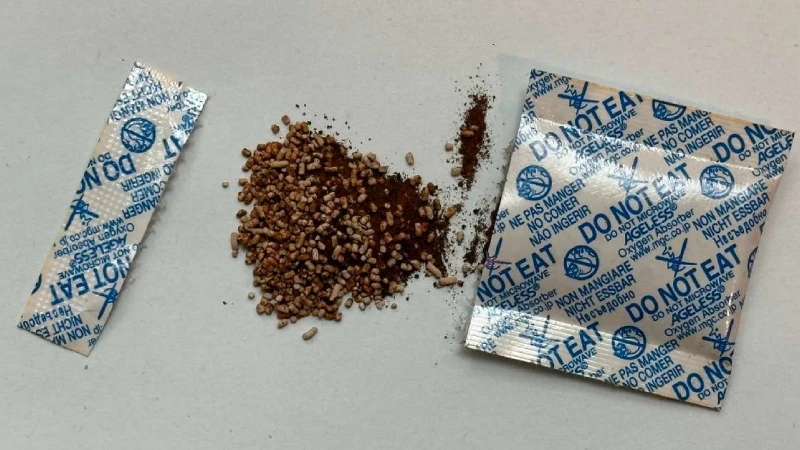
Oxygen absorbers help keep food fresh by taking away oxygen from sealed packages. They use a chemical reaction to do this. Inside each packet, there is iron powder. The iron powder mixes with oxygen in the air. This makes iron oxide, which is also called rust. The reaction gives off a little heat. It keeps going until almost all the oxygen is gone. This helps make the inside of your food container safer.
Reactants | Products | Reaction Type | Notes |
|---|---|---|---|
4Fe + 3O2 | 2Fe2O3 | Exothermic | Iron powder mixes with oxygen and turns into iron oxide. This lowers the oxygen level. Sodium chloride can make the reaction happen faster. |
Oxygen absorbers work best with dry foods in containers that do not let air in. This is why people use them a lot for keeping food fresh.
Food Storage Benefits
Oxygen absorbers give you many good things when you store food. They stop food from going bad by taking away oxygen. This slows down bacteria, mold, and bugs. Your food stays safe and lasts longer. Oxygen absorbers also help food keep its color, taste, and feel.
Some foods that do well with oxygen absorbers are:
Dried fruits
Nuts and seeds
Pasta and rice
Beans and lentils
Powdered milk
Spices and soup mixes
Research shows oxygen absorbers can help foods like strawberries and sweets last longer. This makes it easier to keep food from spoiling.
Tip: Always use airtight containers with oxygen absorbers. This helps stop food from going bad.
Limitations
Oxygen absorbers are not good for every food. Do not use them with wet foods or foods with lots of oil. These foods can let bad germs grow if there is no oxygen. Oxygen absorbers do not fix moisture problems. You may need something else for foods that need to stay dry. Always check your food before you use oxygen absorbers.
Silica Gel in Food Storage
How Silica Gel Works
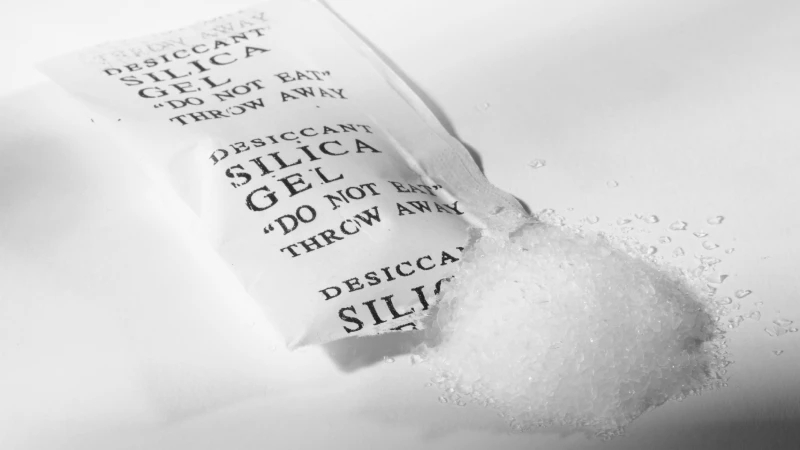
Silica gel helps keep food safe from mold by lowering moisture. Each bead works like a tiny sponge. It soaks up water vapor from the air inside the package. This is called moisture absorption. Silica gel can hold up to 40% of its weight in water. You can see how well it works in the table below:
Property | Description |
|---|---|
Moisture Absorption | Absorbs up to 40% of its weight in moisture, making it highly efficient. |
Relative Humidity Range | Performs well across a wide range of humidity levels, effectively reducing moisture. |
Monitoring | Color indicators change when saturated, allowing easy management of moisture absorption. |
You can put silica gel in sealed containers to keep air dry. This stops mold from growing on your food. Silica gel does not change how your food tastes or smells. It only controls moisture.
Benefits for Food Storage
Silica gel gives you many good things when you store food. It keeps dried foods, snacks, and spices safe from mold. It also helps baked goods stay crisp and fresh. You can use silica gel in instant coffee, pet food, and herbal teas. The table below shows how silica gel helps different foods:
Food Category | Application of Silica Gel |
|---|---|
Dried Goods | Used in dehydrated fruits, instant noodles, and freeze-dried meals to prevent rehydration, clumping, and microbial growth. |
Snack Foods | Applied in packaging for chips, crackers, trail mixes, and roasted nuts to preserve texture and prevent moisture-driven oxidation. |
Spices & Seasonings | Maintains flowability and potency in hygroscopic spices such as turmeric, paprika, and spice blends. |
Baked Products | Used in packaging for cookies, biscotti, crackers, and dry cakes to retain crispness and prevent softening caused by ambient humidity. |
Powdered Beverages | Included in containers of instant coffee, drink powders, and nutritional mixes to prevent clumping and extend shelf stability. |
Pet Food & Treats | Helps maintain freshness in packaged dry pet foods and treats, particularly in resealable bags or long-term storage formats. |
Nutraceuticals | Frequently used in bottled dietary supplements and powdered meal replacements to reduce degradation due to moisture exposure. |
Herbal Teas | Protects dried botanicals from moisture uptake, preserving aroma and visual quality during distribution and storage. |
Silica gel gives you moisture control for a long time. You can trust it to keep your food safe from mold and spoilage.
Limitations
Silica gel has some things you need to watch out for. You must keep silica gel packets away from kids and pets. They can choke if they swallow them. Breathing in silica gel dust can bother your nose and throat. Handling silica gel may make dust that makes you cough. Eating a lot of silica gel can block your stomach or intestines. Silica gel does not take away oxygen, so it cannot stop all spoilage. You should use silica gel to control moisture and stop mold, but not as your only way to keep food safe.
Tip: Always look for silica gel packets in your food before eating. This helps stop choking and keeps everyone safe.
Major Differences Between Oxygen Absorbers and Silica Gel
Oxygen Absorber vs Silica Gel: Key Functions
It is important to know how oxygen absorbers and silica gel are different. Oxygen absorbers take away oxygen from closed spaces. Silica gel soaks up water from the air. Both help keep food fresh, but they do it in their own way.
Here is a table that shows how each one works:
Feature | Oxygen Absorbers | Silica Gel |
|---|---|---|
Primary Function | Remove oxygen from sealed environments | Control moisture levels |
Mechanism | Chemical reaction with oxygen | Absorbs moisture directly from the air |
Use in Food Storage | Prevents oxidative rancidity and maintains quality | Not primarily used for food storage |
Reusability | Single use only | Can be reactivated by heating |
Visual Indicator | No visual indicator of saturation | Includes moisture indicators (e.g., cobalt chloride) |
Application Areas | Food and pharmaceuticals | Electronics and humidity-sensitive items |
Oxygen absorbers stop food from going bad because of oxygen. Silica gel keeps food dry and stops mold. You use oxygen absorbers to protect food from air damage. You use silica gel to keep food from getting wet.
Tip: Pick the right method for your food and storage place. This helps your food last longer and stay good.
Impact on Food Quality and Shelf Life
You want your food to stay safe and tasty for a long time. Oxygen absorbers and silica gel both help food last longer, but they work in different ways.
Oxygen absorbers stop food from spoiling because of oxygen. They help snacks, nuts, and meats stay fresh. They keep the color, taste, and feel of your food. This means your food stays good for longer.
Silica gel controls water in the air. It stops mold and keeps food from getting soft. It helps baked goods, dried fruits, and spices stay crisp. Silica gel protects foods that do not like moisture.
Using the right tool helps your food stay fresh and last longer. It also helps you waste less food.
Note: Oxygen absorbers are best for foods that spoil from air. Silica gel is best for foods that get ruined by water.
When to Use Each
You should know when to use oxygen absorbers, silica gel, or both. This helps you keep your food safe and fresh.
Use oxygen absorbers for food you want to store for a long time. They are good for dried foods, grains, and snacks that need protection from air.
Use silica gel for foods that need to stay dry. It is good for baked goods, spices, and dried fruits. Silica gel helps stop mold and keeps food crisp.
You can use both together if you need to control air and water. This works best with special oxygen absorbers that do not need water to work.
Choosing the right tool helps your food stay safe and taste good. You get better freshness and less spoilage.
Tip: Always check your food and where you store it before picking oxygen absorbers or silica gel. This helps you keep your food fresh and safe.
Safety and Reusability
Food Safety Considerations
You want your food to be safe and not spoil. Both oxygen absorbers and silica gel packets are safe for food packaging. The European Food Safety Authority says iron-based oxygen absorbers can touch dry foods. The U.S. Food and Drug Administration says silica gel is safe for food contact. Silica gel is called Generally Recognized as Safe. You can trust these tools if you use them the right way.
Keep all packets away from kids and pets. If someone eats an oxygen absorber, the iron powder can make them sick. They might throw up, have stomach pain, or find it hard to breathe. Silica gel is not poisonous, but it can make you choke or upset your stomach if you eat it. Some packets have colored beads that are not safe to eat. Always look for packets in your food before you eat.
Tip: Keep all packets where kids and pets cannot reach them. Always take out packets before eating.
Reusability and Shelf Life
You can use silica gel packets again and again. When they stop soaking up water, you can dry them in an oven at 250 degrees Fahrenheit for one to two hours. This makes them work again. Using silica gel more than once saves money and makes less trash because you do not need to buy new packets every time.
Oxygen absorbers only work one time. After they take out the oxygen, you cannot use them again. You should always use a new packet each time you store food. This keeps your food fresh and safe from going bad.
Note: Silica gel can be used again, but oxygen absorbers cannot. Always check your packets before using them again.
Cost Comparison
Price Factors
You want to get the best value when you buy products for food storage. The price of oxygen absorbers and silica gel depends on several things. You can see the main factors in the table below:
Factor | Description |
|---|---|
Purity | Higher-purity silica gel, especially food-grade, costs more because it needs extra cleaning steps. |
Form and Packaging | Beads, granules, or powder have different prices. Beads often cost more because they need careful manufacturing. |
Quantity Ordered | Large orders lower the price per unit. Small orders cost more for each packet. |
Quality Certifications | Products with safety certifications, like FDA or EU approval, cost more. These show you the product is safe. |
Market Demand and Supply | Prices change if many people want the product or if there is not enough supply. Seasons and factory issues matter. |
You should think about these factors before you buy. If you need food-grade products for storage, you may pay more, but you get better safety.
Value for Long-Term Storage
You want your food to last as long as possible. Oxygen absorbers give you strong protection for long-term storage. They help keep your food safe from spoilage and pests. Silica gel works well for foods that need to stay dry. It helps stop mold and keeps things crisp. You can use silica gel again by drying it out, which saves money over time.
If you plan to store food for many months or years, you should look at both the price and how well each product works. Oxygen absorbers often give you the best value for long-term storage because they protect your food from air damage. Silica gel gives you value if you need to control moisture and want to reuse the packets. You can choose the best option by thinking about your food, your storage space, and how long you want to keep things fresh.
Tip: Buy in bulk to save money and always check for safety certifications when choosing products for long-term storage.
Practical Applications with BN PACK
Best Practices for Food Storage
You want your food to stay good and safe. Using oxygen absorbers and silica gel helps a lot. Always keep leftover oxygen absorbers in a cool, dry spot. Do not let sunlight touch them or they will not work well. Use airtight jars or pouches with tight lids to keep out air and water. Work fast when you use oxygen absorbers. Close your containers right after you put them in. You can add silica gel packs to soak up extra water. Write the date on your packages so you know how old your food is.
Here are some tips from food safety experts:
Tip | Description |
|---|---|
Keep in a Cool and Dry Place | Store the leftover oxygen absorber packets in a cool, dry place away from direct sunlight. |
Use Airtight Containers | Place the oxygen absorber packets in airtight containers, such as glass jars or plastic containers with tight-sealing lids. |
Avoid Exposure to Air | Minimize the exposure of the oxygen scavengers to air when handling them. Work quickly and reseal the storage container promptly after use. |
Use Desiccant Silica Packs | Consider adding desiccant packs (silica gel packets) to the storage container to absorb any residual moisture. |
Label and Date | Clearly label the storage container with the date of purchase and any other relevant information. |
BN PACK Flexible Packaging Solutions
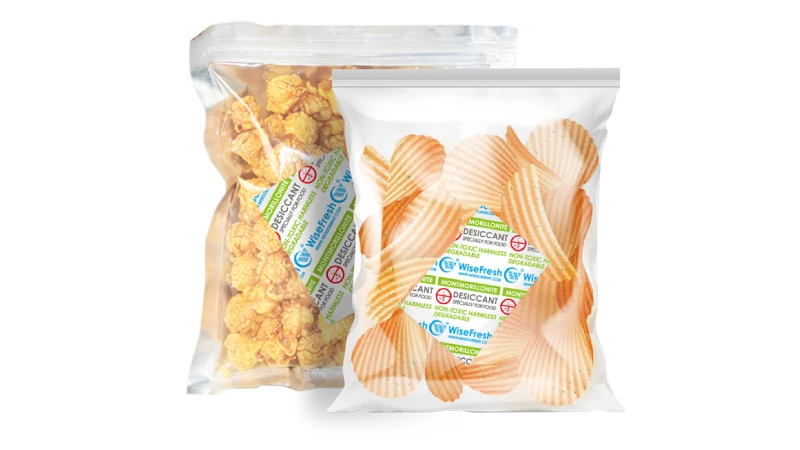
BN PACK gives you strong packaging for food storage. They use special films that block water and air. This helps oxygen absorbers and silica gel do their job better. Zippers keep bags closed tight after you open them. Heat sealing makes sure no air or water gets in. You can put oxygen absorbers or silica gel inside for more protection.
BN PACK also cares about the earth. You can pick bags that you can recycle or that break down in nature. These choices help make less trash and keep the planet clean.
Feature | Description |
|---|---|
High Chemical Barrier Film | Utilizes multi-layered barrier materials to protect against moisture and oxygen. |
Resealable Closures | Incorporates zippers or press-to-close seals to maintain freshness after opening. |
Proper Sealing Techniques | Employs heat sealing for airtight closures, preventing contaminants and moisture ingress. |
Desiccants and Oxygen Absorbers | Optional use within packaging to control humidity and oxygen levels for sensitive ingredients. |
Initiative Type | Description |
|---|---|
Recyclable Materials | BN Pack offers recyclable pouches that help reduce waste and promote recycling efforts. |
Biodegradable Bags | The company provides biodegradable bags that decompose naturally, minimizing environmental impact. |
Eco-Friendly Bags | Their eco-friendly bags are designed to be lightweight and durable, supporting sustainability goals. |
When you pick BN PACK, you get packaging that works with oxygen absorbers and silica gel. Choose the best packaging for your food. Use airtight, resealable bags for long storage. Add oxygen absorbers for foods that spoil from air. Use silica gel for foods that need to stay dry. Use both if you want the best results.
Tip: Always use the right packaging and method together. This helps your food last longer and stay good.
You should pick oxygen absorbers for most food storage. They stop food from spoiling by taking away oxygen. This keeps bad germs from growing. Silica gel is good for foods that need to stay dry. It soaks up water in the pipeline and keeps the air dry. Both tools help your food last longer. If you use them together, you can stop both water and air problems. Always choose the right tool for your food and how you store it. BN PACK gives you strong packaging you can change to fit your needs. This helps you keep your food safe.