
Vacuum packaging bags, such as those from BN Pack, help you keep food fresh, safe, and packed with flavor. You can extend the shelf life of your food and reduce waste by using this simple method.
Vacuum packaging can cut bacterial growth by up to 98% compared to regular storage.
Foods sealed in vacuum packaging bags last 3 to 5 times longer than those in plastic wrap or containers.
Oxygen levels drop to as low as 0.5%, which slows spoilage and preserves taste.
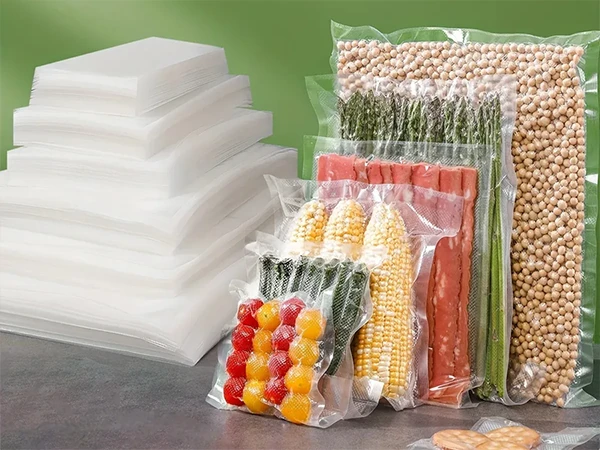
You can protect your meals and enjoy better food quality every day.
How It Works
Air Removal Process
When you use vacuum packaging bags, you remove air from around your food. This process uses a vacuum sealer to pull out the air and create a tight seal. Here’s what happens step by step:
You place your food inside the bag.
The vacuum sealer removes the air, especially oxygen, from the bag.
The machine seals the bag tightly, locking out air and moisture.
This air removal slows down spoilage and keeps your food fresh. Oxygen in the air causes food to spoil, change color, and lose flavor. By removing it, you help your food last longer and taste better.
BN Pack vacuum packaging bags use multilayer PA/PE films. These layers work together to keep air and moisture out. The PA (polyamide) layer blocks oxygen and adds strength. The PE (polyethylene) layer helps create a strong seal, even at low temperatures. This combination gives you a bag that is tough, leak-resistant, and perfect for keeping food safe.
Tip: Always check that your vacuum sealer is working well and the bag is sealed tightly. This helps prevent air from getting back in.
Oxygen and Spoilage Prevention
Oxygen is the main cause of food spoilage. When you remove it, you stop many problems before they start. Here’s how vacuum packaging bags help:
They slow down oxidation, which causes food to lose color and flavor.
They stop the growth of bacteria, mold, and yeast that need oxygen to survive.
They prevent freezer burn by reducing moisture loss.
They help keep nutrients in your food.
Vacuum packaging bags from BN Pack work with most vacuum sealers. You can use them at home or in your business. Their strong multilayer design keeps food safe and fresh for longer. You get more value from your groceries and reduce waste.
Benefits of Vacuum Packaging Bags
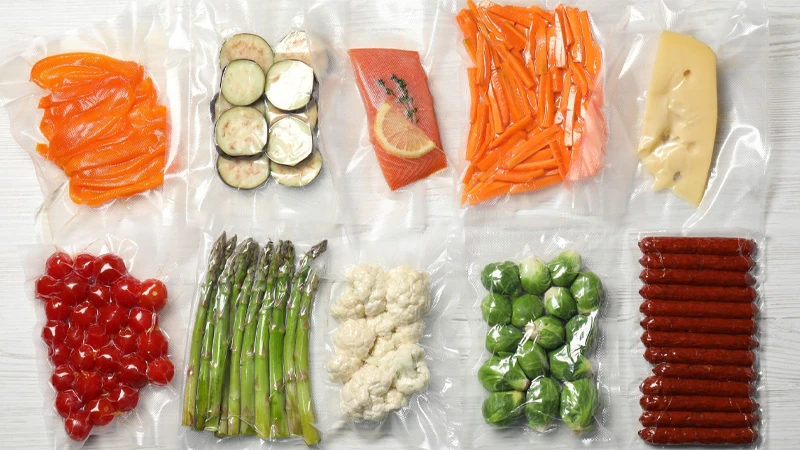
Longer Shelf Life
You can dramatically extend the shelf life of your food with vacuum packaging bags. By removing air and sealing food tightly, you slow down spoilage and keep your groceries fresh much longer than with traditional storage. The following table shows how much longer different foods last when you use vacuum packaging bags:
Food Type | Shelf Life Extension Compared to Non-Vacuum Storage | Example Duration Vacuum Packed | Example Duration Non-Vacuum |
|---|---|---|---|
Meats & Poultry | 3 to 5 times longer | Ground beef: up to 2 weeks (refrigerated) | 1-2 days (refrigerated) |
Meats (Frozen) | Up to 3 years | Up to 3 years (frozen) | N/A |
Dry Goods (e.g. Rice) | 1 to 2 years in pantry | 1-2 years | N/A |
Fruits & Vegetables (e.g. Berries) | Up to 2 weeks (refrigerated) | Up to 2 weeks | A few days |
Vacuum packaging bags can extend shelf life by 3 to 5 times, depending on the food and storage conditions. This means you waste less food and save money over time.
Freezer Burn Protection
Freezer burn can ruin the taste and texture of your frozen foods. It happens when air gets into packaging, causing dehydration and oxidation. Vacuum packaging bags prevent freezer burn by removing air and sealing food tightly. You keep moisture inside and protect your food from drying out or developing off-flavors. This method works well for meats, seafood, vegetables, and even baked goods. You get better results when you freeze food for long periods.
Tip: Always check that your vacuum packaging bags are sealed properly before freezing. This helps keep your food safe and delicious.
Flavor and Nutrient Retention
You want your food to taste as good as the day you packed it. Vacuum packaging bags help you keep both flavor and nutrients locked in. By blocking air and moisture, these bags slow down the loss of vitamins and prevent flavor changes. For example, vacuum-packed chillies keep their color and spiciness much longer than those stored in regular bags. You also avoid mold and off-odors, so your food stays fresh and appetizing.
Vacuum packaging bags create an airtight barrier that keeps food from drying out.
They help preserve vitamins and nutrients by limiting oxygen exposure.
You keep the original taste and texture of your food, even after weeks or months in storage.
These bags prevent cross-contamination and odor mixing, so your foods stay separate and safe.
Food Safety
Vacuum packaging bags help you keep your food safe by reducing the risk of bacterial growth. When you remove air, you lower oxygen levels to as little as 0.5%. This stops many harmful bacteria, such as Pseudomonas and Staphylococcus aureus, from growing. Research shows that vacuum-packed foods can reduce bacterial growth by up to 98% compared to regular storage. You also block out moisture and airborne contaminants, which further protects your food.
BN Pack vacuum packaging bags meet strict international safety standards:
FDA, SGS, and ISO certifications
Food-grade, BPA-free materials
Produced in ISO9001 and BRC-certified facilities
Over 22 years of expertise in food safety and quality
You can trust these bags to keep your food hygienic and safe for your family or customers.
Space and Organization
Vacuum packaging bags help you organize your kitchen, fridge, or freezer. You can store more food in less space because the bags remove extra air and flatten out. This makes it easy to stack and arrange items neatly. In commercial kitchens, vacuum packaging bags support portion control, meal prepping, and inventory management. At home, you can keep snacks, leftovers, and bulk foods tidy and easy to find.
You save space by removing air and compressing food.
You prevent odor mixing and cross-contamination in shared storage.
You make meal prepping and portioning simple and efficient.
Cost Savings
Vacuum packaging bags help you save money in several ways. You can buy food in bulk, portion it out, and store it for longer without worrying about spoilage. This reduces waste and lets you take advantage of sales or seasonal deals. For example, families often spend around $150 on holiday meals. By using vacuum packaging, you can save 20-30% of that amount by keeping leftovers fresh and avoiding waste. Businesses also benefit by reducing spoilage and improving inventory control.
Vacuum packaging bags are chemical-free and BPA-free, so you avoid the risks of chemical contamination found in some other storage options. You get peace of mind knowing your food is safe, fresh, and cost-effective.
Practical Uses
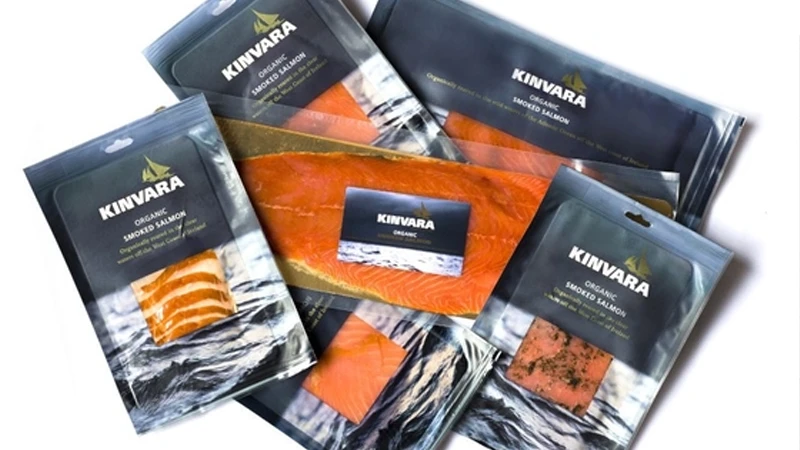
Home Storage
You can use vacuum packaging bags to keep your pantry and fridge organized. These bags help you store a wide range of foods, from leftovers to dry goods. By removing air, you protect food from moisture, pests, and spoilage. Many families use vacuum packaging bags for dehydrated fruit, trail mix, rice, pasta, and even popcorn kernels. The table below shows some common foods you can preserve at home:
Food Item | Description & Vacuum Sealing Benefits |
|---|---|
Dehydrated Fruit | Maintains flavor and texture for months. |
Trail Mix | Keeps snacks fresh and easy to pack. |
Rice & Pasta | Protects from moisture and pests, saves space. |
Cereal | Preserves crunch and flavor, reduces pantry space. |
Popcorn Kernels | Stays free from insects and moisture. |
Herbs and Spices | Prevents moisture damage, keeps flavors strong. |
You can also seal leftovers, raw meat, vegetables, coffee beans, and more. Avoid vacuum sealing mushrooms, garlic, soft cheeses, and raw onions because they may spoil faster.
Commercial Applications
Restaurants and food businesses rely on vacuum packaging bags to keep food safe and reduce waste. You can extend the shelf life of meat and dairy from a few days to two weeks or more. This helps you save money and cut down on food waste. Vacuum packaging creates an airtight seal that prevents cross-contamination and freezer burn. You can buy ingredients in bulk, store them safely, and organize your kitchen better. Many businesses also use these bags for sous vide cooking and to protect fragile foods.
Prevents spoilage and food waste
Enhances food safety by blocking contaminants
Supports bulk buying and efficient storage
Helps organize inventory and portion control
Sous Vide and Marinating
Vacuum packaging bags play a key role in sous vide cooking. You place your food in the bag, remove the air, and seal it. This process ensures the food sinks in the water bath and cooks evenly. The airtight seal locks in juices and flavors, giving you tender and tasty results. When you marinate food, vacuum sealing helps the marinade soak in faster and deeper. You get rich flavors in less time, and the strong seal prevents leaks.
Tip: Use bags designed for sous vide to handle high temperatures and keep your food safe during cooking.
Travel and Outdoor Use
Vacuum packaging bags make travel and outdoor adventures easier. You can pack meals for camping, hiking, or boating. Removing air keeps food fresh longer and reduces bulk in your backpack. These bags protect food from moisture, odors, and pests. You can store fruits, vegetables, meats, and dairy safely. Many people use vacuum packaging bags to prepare meals ahead of time, saving space and reducing waste.
Keeps food compact and easy to carry
Locks out moisture and odors
Protects food during outdoor activities
Suitable for boiling, freezing, and dry storage
You can even use waterproof bags to protect valuables like matches or electronics while camping.
Environmental and Economic Impact
Waste Reduction
You can make a big difference in food waste by using vacuum packaging bags. Every year, about 40% of food produced in the United States goes to waste. This equals 36 million tons and costs $162 billion. Most of this waste happens in homes and stores because food spoils before you can use it. When food spoils, it releases methane, a strong greenhouse gas, and wastes water and fuel used to produce it.
Here’s a quick look at how vacuum packaging helps reduce waste:
Aspect | Evidence Summary |
|---|---|
Food waste scale | 40% of food wasted yearly, mostly from spoilage in homes and stores. |
Environmental impact | Spoiled food releases methane and wastes resources like water and fuel. |
Role of packaging | Vacuum packaging removes oxygen, extending shelf life 2-4 times in fridges, months in freezers. |
Commercial example | Stores like Sainsbury’s use vacuum packaging to cut waste and lower carbon emissions. |
Economic benefit | Food service businesses save about 20% weekly by reducing waste with vacuum sealing. |
Conclusion | Vacuum packaging preserves freshness, reduces spoilage, and curbs overproduction. |
Vacuum packaging bags help you keep food fresh longer, so you throw away less and save money.
Reusable and Eco-Friendly Options
You can choose reusable and eco-friendly vacuum packaging bags to lower your impact on the planet. These options help you cut down on single-use plastics and keep food fresh for longer.
Vacuum sealing keeps food fresh up to five times longer, reducing spoilage.
By using reusable bags or jars, you can cut single-use packaging waste by up to 50%.
Vacuum sealing preserves up to 30% more vitamins and nutrients in fruits and vegetables after two weeks.
Reusable packaging may use more resources at first, but you lower your total impact with each reuse.
Keeping food fresh means you waste less, which supports a more sustainable lifestyle.
Tip: Try reusable vacuum bags or containers for snacks, produce, and leftovers to reduce plastic waste.
Savings for Households and Businesses
Vacuum packaging bags help you save money at home and in your business. You can buy in bulk, store food for longer, and waste less.
At home, you extend food shelf life, reduce spoilage, and save on groceries.
You can organize your fridge and pantry, making meal prep easier and faster.
For businesses, vacuum packaging reduces storage space needs and protects products from damage.
You lower food waste, cut down on replacement costs, and improve inventory control.
Reusable and recyclable bags also reduce packaging expenses over time.
Better organization and safer storage help you avoid delays and accidents.
Vacuum packaging gives you a smart way to save money and protect the environment at the same time.
Getting Started
Choosing Bags and Equipment
You want to select the right vacuum packaging bags and equipment for your needs. Start by thinking about what foods you plan to store and how long you want to keep them fresh. Here are some key steps:
Pick the bag type based on your food and storage needs. Use thicker, puncture-resistant bags for meats or freezer storage. Choose thinner bags for pantry items.
Match the bag size to your food. This helps you seal properly and avoid waste.
Decide between rolls (custom size) and pre-cut bags (convenience).
Select a vacuum sealer that fits your usage. Chamber sealers work well for high volumes and commercial use. External sealers suit home kitchens.
Check that your bags and sealer are compatible.
Bag Type | Best Use | Pros | Cons |
|---|---|---|---|
Embossed (Channelled) | Home use, strong seal | Durable, fits most sealers | Higher cost |
Flat | Commercial, chamber sealers | Clear view, cost-effective | Not for suction sealers |
Rolls | Custom sizes, bulk storage | Flexible, less waste | Takes more time |
Pre-cut Bags | Quick, uniform storage | Easy, time-saving | More expensive |
Best Practices
You can get the most out of vacuum packaging by following these tips:
Clean your vacuum sealer and bags after each use to keep food safe.
Store vacuum-sealed foods at the right temperature. Keep meats below 40°F (4°C) and freeze at 0°F (-18°C) for long-term storage.
Leave enough space at the top of the bag—about 2-3 inches—for a strong seal.
Let hot foods cool before sealing to prevent condensation.
Use special bags for sous vide or marinating.
Label and date each bag for easy tracking.
Tip: Freeze liquids or juicy foods before sealing to avoid spills and weak seals.
Common Mistakes
Avoid these common errors to keep your food safe and fresh:
Using the wrong bag type for your sealer or food.
Overfilling bags, which can cause leaks or poor seals.
Sealing warm or wet foods, leading to condensation and freezer burn.
Not cleaning the sealing area, which can weaken the seal.
Forgetting to label and date your bags, making it hard to track freshness.
By following these steps, you set yourself up for success with vacuum packaging at home or in your business.
Vacuum Packaging Bags help you keep food fresh, safe, and full of flavor. You can extend shelf life, reduce waste, and save money. Research shows vacuum sealing locks in nutrients and moisture, protects against freezer burn, and supports sous vide cooking.
Method | Shelf Life Extension | Cost Savings | Versatility |
|---|---|---|---|
Vacuum Packaging Bags | Up to 5x longer | High | Very versatile |
Start with the right bags and follow best practices. You will see the value in every kitchen or business.
FAQ
How do you know if your vacuum seal is airtight?
Check the bag for tightness around the food. Press gently—if you feel air pockets, reseal the bag. Listen for a strong “snap” when sealing. You can also submerge the sealed bag in water and watch for bubbles.
Can you reuse vacuum packaging bags?
You can reuse bags if they held dry or solid foods. Wash them thoroughly with soap and hot water. Dry completely before using again. Do not reuse bags that stored raw meat, fish, or greasy foods to avoid cross-contamination.
What foods should you avoid vacuum sealing?
Avoid vacuum sealing soft cheeses, raw mushrooms, garlic, and onions. These foods can spoil faster or grow harmful bacteria without air. Store them in breathable containers instead.
Are BN Pack vacuum packaging bags safe for sous vide cooking?
Yes, BN Pack vacuum packaging bags use BPA-free, food-grade materials. They withstand high temperatures and keep your food safe during sous vide cooking. Always follow the recommended temperature guidelines for best results.
Do vacuum packaging bags work with all vacuum sealers?
Most BN Pack vacuum packaging bags fit standard vacuum sealers. Check your sealer’s compatibility with bag thickness and style. For best results, use bags designed for your specific machine.