
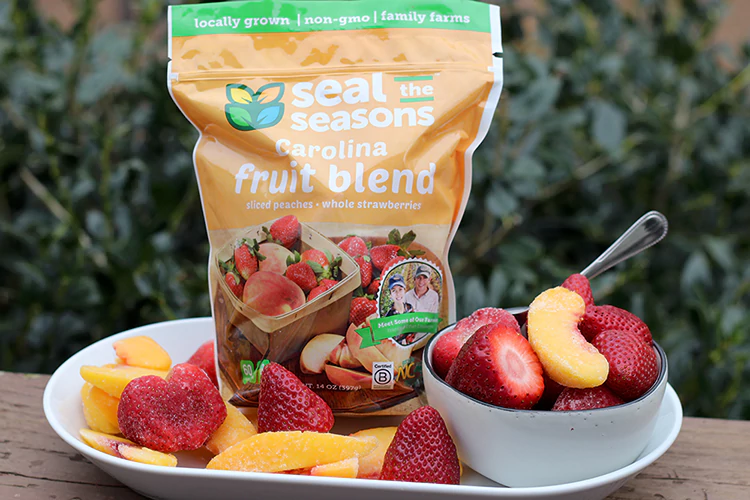
Frozen fruit bags offer impressive nutritional benefits and unique advantages for any diet. Studies show that frozen fruits are picked at peak ripeness and quickly frozen, which locks in vitamins and antioxidants. This process often preserves nutrients better than fresh produce stored for several days. Proper packaging, such as airtight, freezer-safe bags, helps maintain texture, flavor, and nutrient content by preventing air exposure and moisture loss. Choosing frozen fruit bags allows individuals to enjoy nutrient-rich fruit year-round with confidence.
Nutritional Benefits

Nutrient Retention
Frozen fruit bags deliver impressive nutritional benefits by preserving the natural goodness of fruit. Scientists at the University of California, Davis, found that frozen fruits often retain vitamin levels equal to or higher than their fresh counterparts. For example, ascorbic acid and vitamin E sometimes appear in greater amounts in frozen samples. This happens because producers pick fruits at peak ripeness and freeze them quickly, locking in nutrients before they can degrade.
Freezing acts like a pause button for nutrient loss. Fresh fruits, especially those shipped long distances, can lose up to 75% of their vitamin C within a week. In contrast, frozen broccoli loses only about 10% of vitamin C after a year, and carrots lose almost none. This means frozen fruit bags maintain their nutritional benefits much better than fresh fruit after transportation and storage.
Fresh fruits are often picked before full ripeness and spend days or weeks in transit, which leads to nutrient loss.
Frozen fruits are picked at their best and frozen within hours, preserving more vitamins and antioxidants.
Most frozen fruits skip the blanching step, so they keep more water-soluble vitamins like vitamin C and B-vitamins.
Studies show that frozen fruits can have similar or even higher nutrient levels than fresh fruits stored for several days.
Nutrient loss in frozen fruits during storage is minimal, while fresh fruits lose nutrients quickly during transport and at home.
Antioxidants and Vitamins
Frozen fruit bags offer a rich source of antioxidants and essential vitamins. Research from the University of California-Davis and The Frozen Food Foundation shows that freezing preserves vitamins B2, E, and C very well. The process prevents the breakdown of nutrients that often occurs in fresh produce during shipping and storage. For instance, vitamin C levels in frozen blueberries and green beans can be higher than in fresh ones that have been stored for several days.
Vitamin C, also known as ascorbic acid, is the most sensitive to freezing. The amount lost depends on storage temperature and duration. Lower temperatures help preserve more vitamin C. The following table shows how storage conditions affect vitamin C in different foods:
Food Item | Storage Duration | Storage Temperature (°C) | Ascorbic Acid Loss (%) | Notes |
|---|---|---|---|---|
Strawberry | 90 days | -12 | 64.5 | Significant loss at higher sub-freezing temperature |
Strawberry | 90 days | -18 | 10.7 | Lower loss with lower temperature |
Strawberry | 90 days | -24 | 8.9 | Lowest loss at coldest temperature |
Green Beans | 121 days | Various (-7, -15, -25) | Significant decrease | Vitamin C very sensitive; blanching helps retention |
Broccoli | 121 days | -7, -15, -25 | Significant decrease | Vitamin C content decreased significantly with storage temperature |
Green Beans | 250 days | -7, -15, -30 | Significant loss | Ascorbic acid loss significant; dehydroascorbic acid loss negligible |
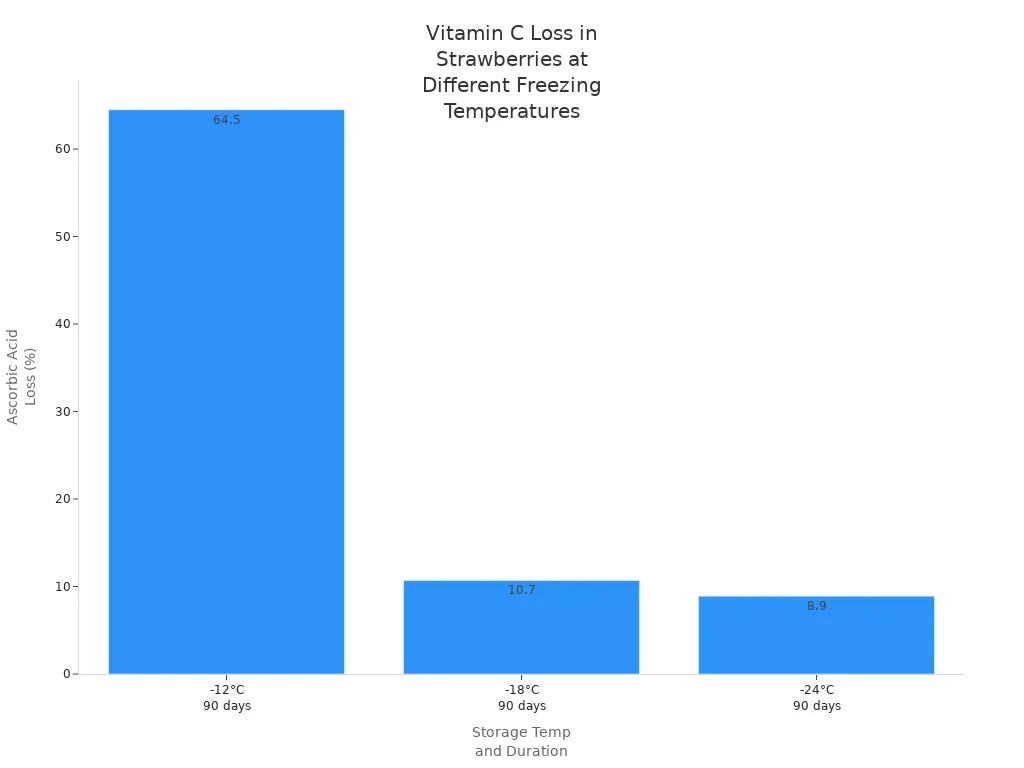
Note: Lower storage temperatures help frozen fruit bags retain more vitamin C and antioxidants, making them a reliable source of these nutrients.
Health Impact
Eating frozen fruit bags regularly supports overall health and well-being. Peer-reviewed studies link higher fruit and vegetable intake, including from frozen sources, to lower rates of heart disease, stroke, diabetes, and some cancers. These studies also show that people who eat more fruits and vegetables have lower mortality rates and better antioxidant markers in their blood.
Frozen fruit bags provide key nutrients such as vitamin C, riboflavin, vitamin E, minerals, fiber, and antioxidants like polyphenols and anthocyanins. These nutrients help the body fight harmful molecules called free radicals, protect DNA, and support healthy blood vessels. By making it easier to eat more fruit, frozen fruit bags help people reach recommended daily servings, which leads to better health outcomes.
The nutritional benefits of frozen fruit bags extend beyond just vitamins. They offer a convenient, additive-free way to boost fruit intake, supporting a healthy lifestyle for people of all ages.
Practical Benefits
Cost and Value
Frozen fruit bags offer a practical solution for budget-conscious shoppers. Research shows that the average price difference per serving between frozen and fresh fruit ranges from $0.11 to $0.31. This means frozen fruit can be slightly more or less expensive than fresh, depending on the type and season. The small difference in cost per serving makes frozen fruit bags a smart choice for families who want to enjoy fruit year-round without worrying about price spikes during off-seasons. Many consumers also appreciate the ability to buy in bulk, which can further lower the cost per serving.
Tip: Buying frozen fruit bags during sales or in larger packages often leads to even greater savings over time.
Shelf Life
Frozen fruit bags stand out for their long shelf life. According to the National Center for Home Food Preservation, frozen fruits stored at 0°F or below maintain their best quality for 8 to 12 months. Proper storage helps keep the fruit safe and tasty for months, reducing the risk of spoilage.
Condition | Average Shelf Life |
|---|---|
Unopened Frozen Fruit Bag | 8-10 months |
Opened Frozen Fruit Bag | 6-8 months |
This extended shelf life encourages consumers to stock up on frozen fruit, knowing it will last. Scientific research confirms that freezing slows down spoilage and preserves nutrients better than other methods. As a result, more people choose frozen fruit bags for their convenience and reliability.
Health-conscious shoppers prefer frozen fruit for its steady supply of vitamins.
Busy families enjoy the convenience of ready-to-use fruit.
Technological advances have improved the taste and texture of frozen fruit.
Retailers now offer a wider variety of frozen fruit options.
Reducing Food Waste
Frozen fruit bags help households cut down on food waste. Studies published in the British Food Journal reveal that frozen foods generate 47% less waste at home compared to fresh or chilled foods. Over 80% of consumers report that using frozen fruit and vegetables helps them waste less food. Frozen fruit has a higher edible yield because producers remove inedible parts before packaging. This means families use more of what they buy.
Freezing fruit at home also extends its life, allowing people to use it later in smoothies or baking. This practice prevents fruit from being thrown away when it is no longer fresh. The environmental impact is significant. For example, one company eliminated over 66,000 kg of frozen fruit losses per year, saving 422 tonnes of CO2 and preventing 276,000 kg of food waste. Reducing food waste through frozen fruit bags helps conserve resources and lowers greenhouse gas emissions, making it a sustainable choice for the environment.
Convenience and Versatility
Easy to Use
Frozen fruit bags offer unmatched convenience for busy households. Most consumers appreciate that these products require no washing, peeling, or chopping. Nutrition experts highlight that frozen fruit bags save time in meal planning and preparation. People can simply open a bag and pour out the needed amount, which makes meal assembly quick and easy. Pre-portioned packaging allows users to take only what they need, reducing waste and supporting portion control.
94% of American households purchase frozen produce, showing widespread acceptance. Many consumers find that frozen fruit bags help them eat more fruits and vegetables. In fact, 86% say these products make it easier to increase produce intake. Resealable packaging and long shelf life add to the convenience, allowing families to stock up and avoid frequent trips to the store.
Frozen fruit bags also help reduce food waste. People can use only what they need and return the rest to the freezer. This flexibility supports efficient meal planning and helps save money. Culinary experts recommend keeping a variety of frozen fruits on hand for quick access to nutrition, especially on busy days.
Meal Ideas
Frozen fruit bags make it simple to add nutrition and flavor to many meals. Nutritionists recommend several easy ways to use frozen fruit:
Add frozen berries, mango, or pineapple to smoothies, yogurt parfaits, or oatmeal.
Use frozen fruit as toppings for pancakes, Greek yogurt, or cereal.
Mix frozen peaches or cherries into baked goods like muffins or quick breads.
Enjoy frozen blueberries straight from the freezer as a cool snack.
Create a tropical smoothie bowl with frozen fruit and a sprinkle of granola.
Prepare a quick fruit salad by combining different frozen fruits and letting them thaw slightly.
Add frozen avocado to smoothies or use it for avocado toast.
Frozen fruit bags also support creative cooking. Home cooks can use them in sauces, stir-fries, or even savory dishes like rice bowls. The year-round availability of seasonal fruits ensures that nutritious options are always within reach. This versatility makes frozen fruit bags a valuable addition to any kitchen.
Packaging Matters
Choosing the Right Bag
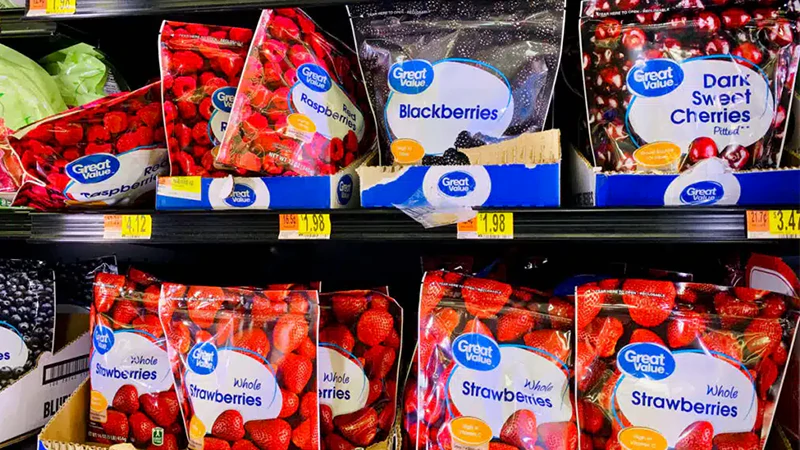
Selecting the right packaging for frozen fruit is essential for maintaining quality and safety. BN PACK stands out as a leader in flexible packaging solutions for frozen foods. Their Frozen Food Packaging Bags use food-grade materials that resist moisture and vapor, which helps prevent freezer burn and keeps fruit fresh. These bags feature strong seals and cold-resistant materials that do not crack or become brittle at low temperatures.
When choosing high-quality frozen fruit bags, consumers should look for several key features:
Moisture- and vapor-resistant materials that exclude oxygen and prevent off-flavors.
Airtight seals that minimize air contact and reduce oxidation.
Clear labeling with ingredient names, net weight, nutritional facts, expiration date, and storage instructions.
Packaging that maintains freezing temperatures and prevents temperature fluctuations.
Durable construction that withstands handling and storage.
BN PACK’s packaging solutions offer customization options, including resealable closures and vibrant graphics. These features enhance convenience for consumers and help brands stand out on store shelves. Resealable bags allow users to portion fruit easily and reduce waste, while advanced printing techniques support clear branding and product information.
Tip: Always check for packaging that is labeled as freezer-safe and food-grade to ensure the best protection for your frozen fruit.
What to Avoid
Not all packaging materials are suitable for frozen fruit. Consumers should avoid bags or containers that become brittle or crack at low temperatures, as these can lead to leaks and freezer burn. Ordinary waxed paper and paper cartons from ice cream or milk do not provide enough moisture or vapor resistance for long-term storage.
Packaging must comply with strict food safety regulations, such as FDA standards for plastics and additives. Materials should be free from harmful substances and designed specifically for food use. Proper packaging prevents chemical migration, protects against contamination, and ensures the fruit retains its flavor, color, and nutrients.
Material Type | Suitable for Freezing? | Reason |
|---|---|---|
Food-grade plastic | ✅ Yes | Moisture/vapor resistant, durable |
Laminated foil bags | ✅ Yes | Blocks oxygen, light, and moisture |
Waxed paper | ❌ No | Not moisture/vapor resistant |
Regular paper cartons | ❌ No | Can absorb moisture, not durable |
Choosing the right packaging protects both the quality of frozen fruit and the health of consumers. BN PACK’s commitment to safety, durability, and customization makes their bags a trusted choice for brands and families alike.
Frozen fruit bags deliver impressive nutritional benefits, retaining vitamins, minerals, and antioxidants through rapid freezing at peak ripeness.
They offer long shelf life, reduce food waste, and provide cost-effective, ready-to-use options for busy families.
High-quality packaging, such as BN PACK’s solutions, preserves freshness and supports sustainability.
Nutritionists recommend making frozen fruit bags a regular part of a healthy diet. Their convenience and value help more people enjoy fruit every day.
FAQ
Are frozen fruit bags as healthy as fresh fruit?
Frozen fruit bags often match or exceed the nutrition of fresh fruit. Producers freeze fruit at peak ripeness, which locks in vitamins and antioxidants. Studies show that frozen fruit retains most nutrients, making it a healthy choice.
Can frozen fruit bags help reduce food waste?
Yes. Frozen fruit bags allow families to use only what they need. This reduces spoilage and waste. Most people find that frozen fruit lasts longer and helps them save money by preventing unnecessary food loss.
How should people store frozen fruit bags for best quality?
People should keep frozen fruit bags at 0°F or below. This temperature preserves taste, texture, and nutrients. Reseal the bag tightly after each use to prevent freezer burn and maintain freshness.
What types of packaging work best for frozen fruit?
Food-grade plastic bags with strong seals and cold resistance work best. BN PACK’s Frozen Food Packaging Bags use materials that block moisture and oxygen. This protects fruit from freezer burn and keeps it safe to eat.
Can people use frozen fruit bags in cooking and baking?
Absolutely! Frozen fruit works well in smoothies, oatmeal, muffins, and sauces. Many chefs use frozen fruit for its convenience and consistent quality. It adds flavor and nutrition to many recipes.