
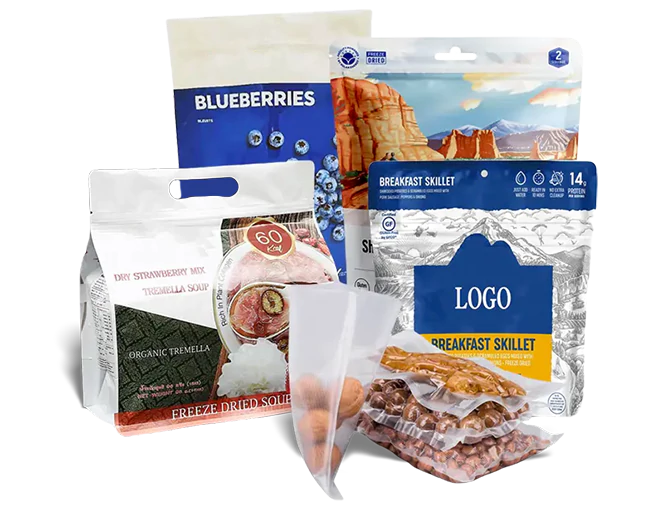
When I shop for groceries, I want my frozen foods to stay fresh and safe until I get home. Insulated frozen food bags make this possible. These bags help keep my ice cream solid and my meat cold, even when the trip takes longer or the weather heats up. I’ve seen how the demand for these bags keeps growing—insulating materials now make up over half the cold chain packaging market because people like me want better temperature control for our food. The benefits of Frozen Food Bags go beyond just convenience; they help prevent spoilage, keep food tasting great, and make shopping much easier.
How They Work
Insulation Basics
When I first started using insulated frozen food bags, I wanted to know what made them so effective. The secret lies in the science of insulation. These bags use special materials to trap cold air inside and block heat from getting in. Foam insulation, for example, contains tiny air bubbles that slow down heat transfer. This means my frozen groceries stay cold longer, even if I get stuck in traffic on the way home. Some bags also use reflective aluminum foil. This shiny layer bounces heat away, acting like a shield against the sun or warm air in my car.
I’ve noticed that the best bags combine several layers. Foam and foil work together to create a strong barrier. A good zipper or Velcro seal keeps the cold air from escaping and stops warm air from sneaking in. When I add a frozen gel pack, it absorbs any heat that tries to get through, keeping everything at the right temperature. This combination of materials and design helps prevent temperature swings that could spoil my food.
BN PACK takes this technology to the next level. Their bags use high-quality aluminum foil and advanced insulation to lock in the cold. The multi-layer structure, including Mylar and other barrier materials, protects my groceries from moisture, light, and air. I appreciate the sturdy zip locks and heat-sealed seams, which make sure nothing leaks out or gets contaminated.
Temperature Control
Keeping frozen food safe means holding it at the right temperature. I always aim for 0°F (-18°C) or lower, just like the USDA recommends. If frozen food warms up, it can thaw, lose quality, or even become unsafe to eat. Insulated bags help me keep everything below freezing, especially when I use gel packs or dry ice for longer trips.
I’ve learned that a constant, low temperature is key. Insulated packaging acts as a barrier, blocking outside heat and stopping cold air from escaping. This protects my food from freezer burn, moisture loss, and contamination. With BN PACK’s advanced materials, I feel confident that my groceries stay safe and fresh until I get home. Their technology gives me peace of mind, whether I’m shopping in summer or stocking up for the week.
Benefits of Frozen Food Bags
Freshness and Quality
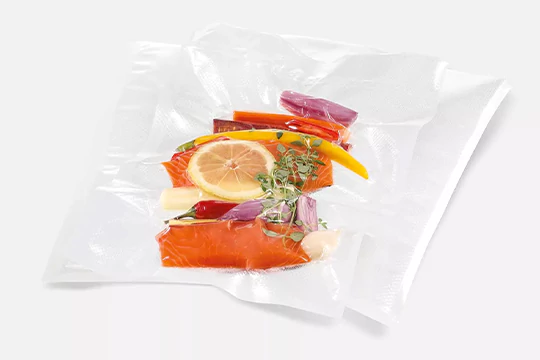
When I bring home frozen groceries, I want them to taste just as good as when I picked them up. That’s where the benefits of frozen food bags really shine. These bags keep my food at the right temperature, so it stays fresh and full of flavor. I’ve noticed that when I use a high-quality insulated bag, my frozen vegetables stay crisp and my ice cream never gets mushy.
Insulated packaging helps keep food cold by blocking out heat and locking in the chill. This means my groceries don’t thaw or get soggy on the way home. The multi-layer insulation in BN PACK’s bags, like aluminum foil and strong barrier films, helps maintain steady temperatures. I can even add a gel pack for extra cooling power. This combination keeps my food safe from temperature swings that could ruin its taste or texture.
I love that these bags also protect my groceries from moisture and outside air. That way, my frozen foods keep their original texture and flavor, even after a long trip.
Preventing Spoilage
Spoilage is a big worry for me, especially with frozen meats and seafood. The benefits of frozen food bags include keeping these items safe from thawing and contamination. I’ve learned that air exposure can cause freezer burn, which makes food dry and tasteless. With BN PACK’s airtight seals and vacuum options, I can keep air out and freshness in.
Here’s what I’ve found works best:
Use bags with strong, leak-proof seals to stop air and moisture from getting in.
Choose puncture-resistant materials to protect against rips and tears.
Make sure the bag is airtight to prevent cross-contamination between foods.
These features help me avoid freezer burn and keep my groceries safe. I also like that the bags are easy to clean, which helps me keep everything hygienic. When I use insulated bags, I notice my food lasts longer and tastes better.
Reducing Waste
Food waste used to be a problem for me. Sometimes, I’d find thawed or spoiled items in my freezer and have to throw them away. The benefits of frozen food bags have changed that for me. By keeping my groceries at the right temperature and protecting them from damage, these bags help me waste less food.
Insulated bags keep my frozen foods cold for hours, even if I make several stops on the way home.
They prevent leaks and spills, so nothing gets ruined in my car or kitchen.
Consistent temperature and moisture control mean my food stays safe and fresh until I’m ready to use it.
I’ve noticed that when my food stays fresh, I’m more likely to use it all. That means less waste and more value from every grocery trip. Plus, using reusable bags helps me cut down on single-use plastics, which is better for the environment.
For me, the benefits of frozen food bags go beyond just keeping food cold. They help me save money, reduce waste, and enjoy better-tasting meals every day.
Convenience and Storage
Easy Shopping
Shopping with insulated frozen food bags has made my grocery trips so much easier. I never worry about my frozen foods melting, even if I have to run a few extra errands. These bags are lightweight, and I can carry them by hand, sling them over my shoulder, or even secure them in my car. I love how flexible they are for different situations.
Here are some ways these bags make my life simpler:
I can safely bring home groceries from distant supermarkets, even on hot days.
The bags keep my kids’ lunch boxes cool and fresh, which gives me peace of mind about their meals.
When I go camping or on a picnic, I use these bags to keep drinks and snacks cold.
After shopping, I fold the bags flat and tuck them away. They barely take up any space in my kitchen.
I’ve noticed that many people, from busy parents to outdoor lovers, rely on insulated bags for their daily routines. They help keep food safe and make every trip more convenient.
Efficient Storage
I used to struggle with freezer clutter. Now, I freeze food flat in BN PACK’s zip-locked bags. This trick lets me stack items neatly, like magazines, and makes it easy to see what I have. I squeeze out the air before sealing, which helps prevent freezer burn and speeds up freezing and thawing.
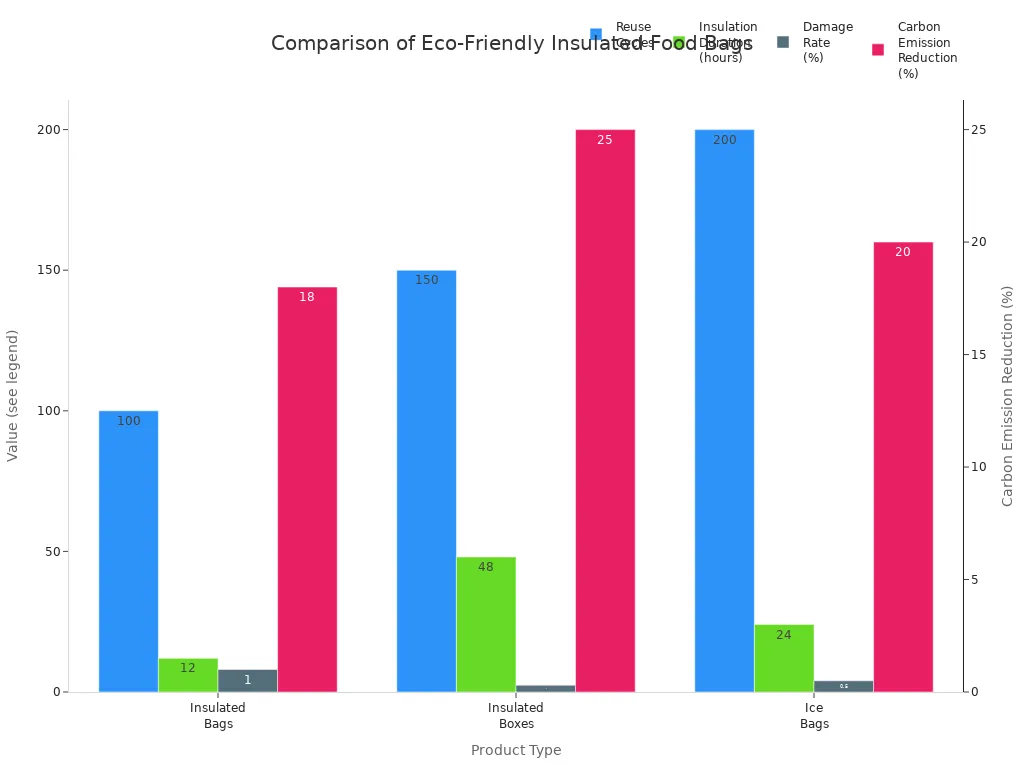
Reusable insulated bags also help me cut down on waste. I don’t need single-use plastic or paper bags anymore. That’s better for the planet and my wallet. Here’s a quick look at how different reusable options compare:
Product Type | Materials Used | Reuse Cycles | Insulation Duration at 25°C | Damage Rate After Testing | Carbon Emission Reduction vs Disposable |
|---|---|---|---|---|---|
Insulated Bags | Recyclable polyester fiber (PET), eco-friendly insulation | 100+ | Up to 12 hours (<5°C) | <1% | ~18% reduction |
Insulated Boxes | Recyclable HDPE, PU foam | 150+ | Up to 48 hours (<5°C) | <0.3% | ~25% reduction |
Ice Bags | Recyclable PE, eco-friendly gel | 200+ | Up to 24 hours (<5°C) | <0.5% | ~20% reduction |
To keep my bags in top shape, I wash them with mild soap after each use and let them air dry. I check the zippers and seams for wear, and I never overload them. This way, my BN PACK bags last for years and always keep my groceries safe and organized.
Choosing the Right Bag
Material Options
When I shop for insulated frozen food bags, I always check the materials first. The right material makes a big difference in how well the bag keeps my groceries cold and how long it lasts. I’ve seen bags made from nylon, polyester, canvas, and even recycled PET. Some bags use thick, multi-layered polyethylene or nylon, which stay flexible and strong even at freezing temperatures. I like bags with food-safe certifications because I know they’re safe for my groceries.
Many insulated bags have a foam layer inside—like PE foam or XPE foam—that blocks heat from getting in. The inner lining often uses aluminum foil or PEVA, which reflects cold and keeps moisture out. I’ve noticed that some newer bags use bio-based foams or recycled materials, which is great for the environment. BN PACK offers eco-friendly options, like compostable bags and recyclable plastics, so I can feel good about my choices.
Here’s a quick look at what I consider:
Material Layer | Common Materials | Purpose |
|---|---|---|
Outer Shell | Nylon, Polyester, Canvas | Durability, easy cleaning |
Insulation Layer | Foam, PE foam (4-8mm) | Stops heat transfer |
Inner Lining | Aluminum foil, PEVA | Reflects cold, waterproof |
I always pick bags with sturdy zippers or slide seals. They keep the cold in and make the bag easy to use.
Size and Features
I think about what I need to carry before I choose a bag. For big grocery trips, I want a bag with a wide gusset and lots of space. If I’m just picking up a few things, a smaller, foldable bag works best. I also look for bags with long handles when I want to carry them on my shoulder, or shorter handles for hand-carrying.
Here are my top tips for picking the right features:
Choose bags with strong, reinforced stitching for durability.
Look for waterproof and easy-to-clean linings.
Pick bags with secure closures like zippers or Velcro to prevent spills.
Consider adjustable dividers or exterior pockets for organizing groceries.
Make sure the bag can hold up to 15 pounds without tearing.
Group cold items together to keep everything chilled.
BN PACK lets me customize my bags with different sizes, materials, and even my own logo. Their sustainable options help me reduce waste while keeping my groceries fresh. With the right bag, shopping feels easier and my food stays safe—every time.
When I look at the benefits of frozen food bags, I see how much easier they make my life. These bags keep my groceries fresh, prevent spoilage, and save me time.
They maintain safe temperatures, so my food stays out of the danger zone.
Durable materials and smart designs help me avoid spills and messes.
I can reuse them, which supports a greener lifestyle.
The market for insulated bags keeps growing as more people want safe, sustainable options. I trust BN PACK for reliable, customizable solutions that fit my needs.
FAQ
How long can insulated frozen food bags keep groceries cold?
I usually find my insulated bags keep food cold for up to 4-6 hours. If I add ice packs, the time can stretch even longer. The exact time depends on the outside temperature and how full I pack the bag.
Can I wash and reuse my insulated frozen food bags?
Yes, I always wash my bags after each use. I use mild soap and warm water, then let them air dry. This keeps them clean and ready for my next grocery trip.
Are BN PACK’s insulated bags eco-friendly?
BN PACK offers eco-friendly options like recyclable and compostable materials. I feel good knowing I can reduce waste and help the planet while keeping my groceries fresh.
Can I customize the size or design of my insulated bag?
Absolutely! I love that BN PACK lets me choose the size, material, and even add my own logo. Customizing my bag makes shopping more personal and fun.