Blog
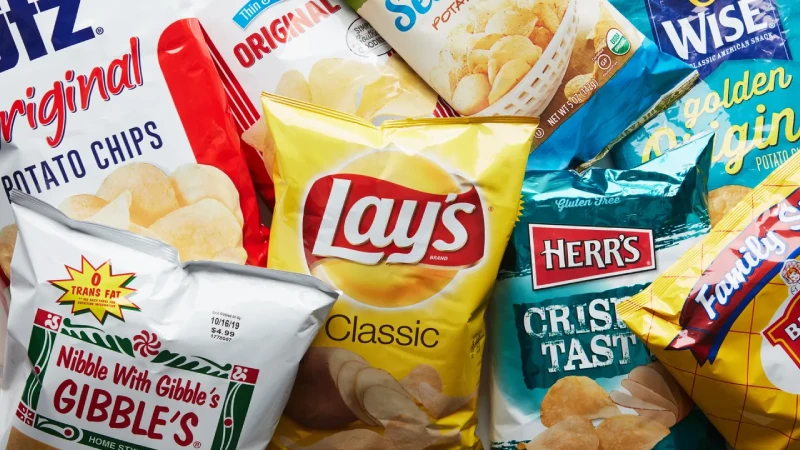
What Are Chip Bags Made Out of?
Chip bags are made from layered plastics, aluminum, and metallized films to keep snacks fresh and safe from moisture, air, and light.

Chip bags are made from layered plastics, aluminum, and metallized films to keep snacks fresh and safe from moisture, air, and light.
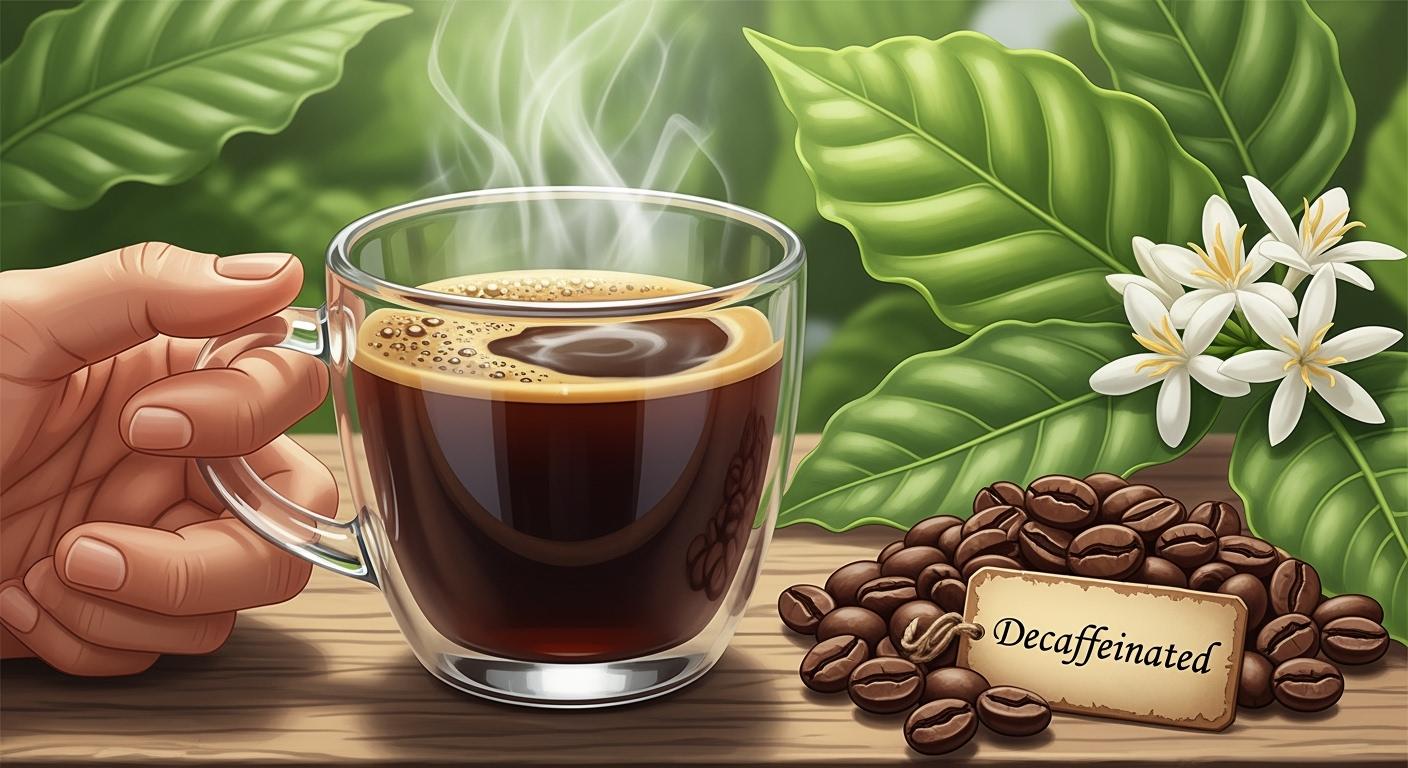
Chemical free decaf coffee uses natural methods like Swiss Water Process, avoiding harmful solvents for a safer, tastier, and eco-friendly cup.
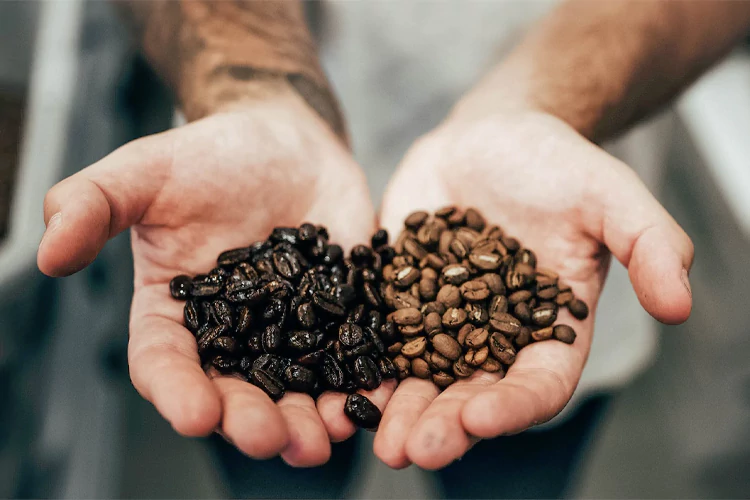
Discover why coffee beans get oily, how roast levels affect shine, and tips to store fresh oily beans for the best flavor and aroma.
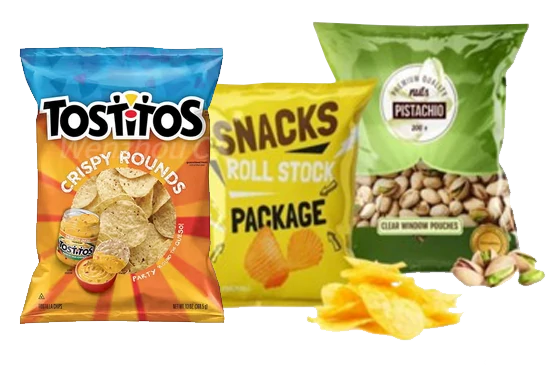
Customers want packaging that looks clean on the shelf, runs smoothly on high-speed lines, and protects product quality. That’s exactly where pillow pouch packaging (also
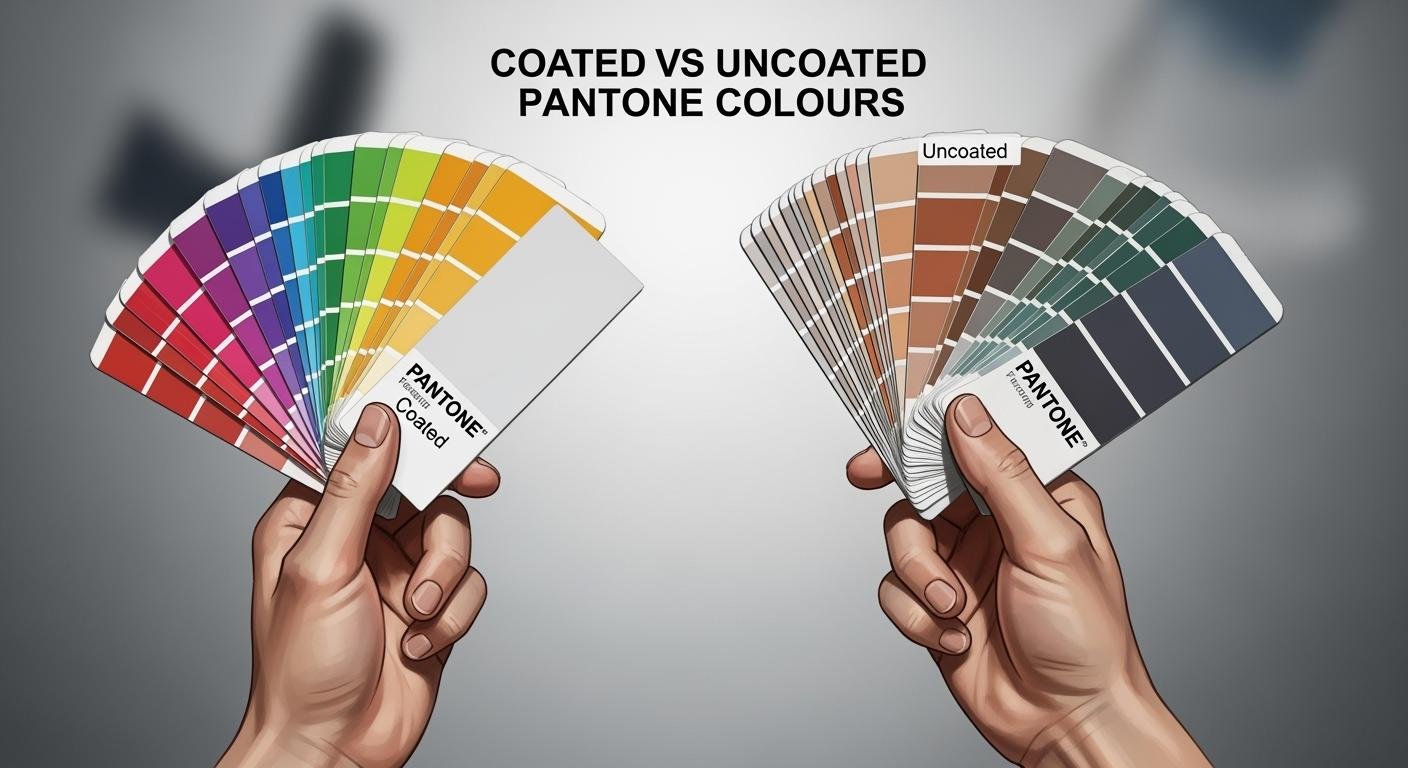
Coated Pantone colours appear brighter and more vibrant, while uncoated Pantone colours look softer and natural on packaging materials.
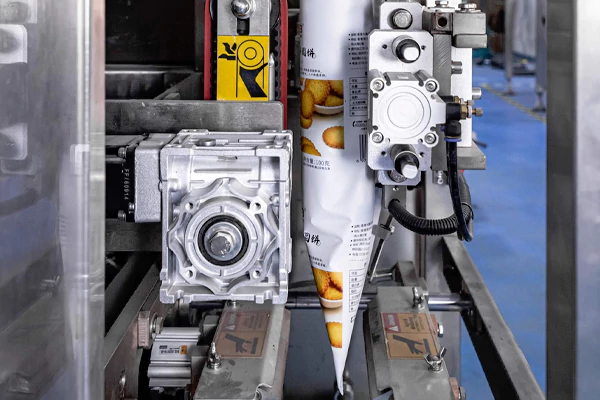
Ordering plastic packaging roll film? Don’t stop your production line with the wrong specs. Download our 10-point checklist covering web width, unwind direction, COF, and
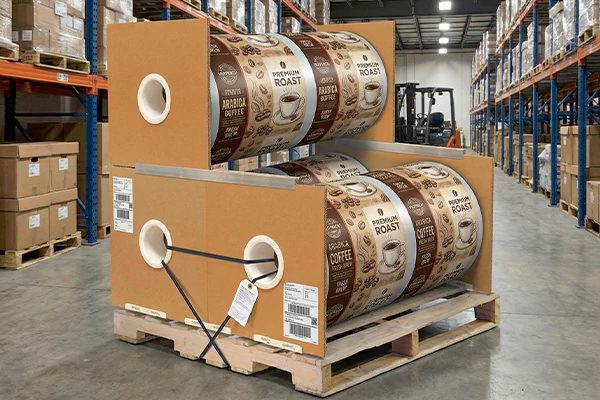
For procurement managers and business owners in the flexible packaging industry, the allure of sourcing from China is undeniable. The “China Price” often represents a

Roll Stock Film offers lower material and shipping costs than premade pouches, making it the more cost-effective choice for high-volume businesses.
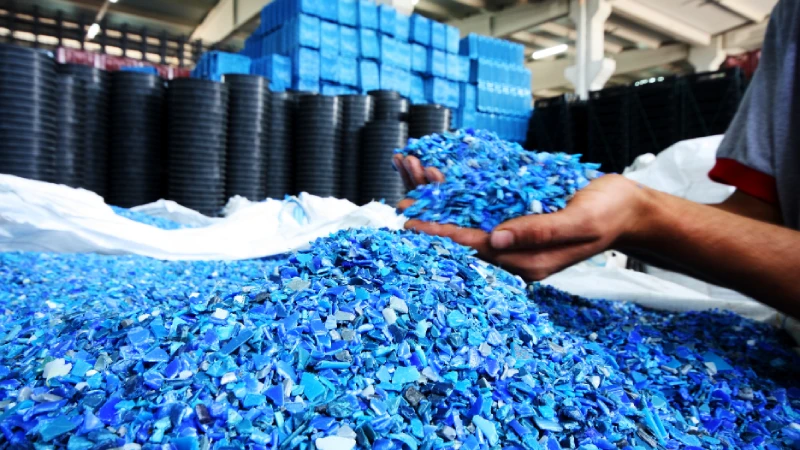
PCR vs. Virgin Plastic: Compare cost, strength, and sustainability to choose the best packaging material for your brand’s needs and environmental goals.
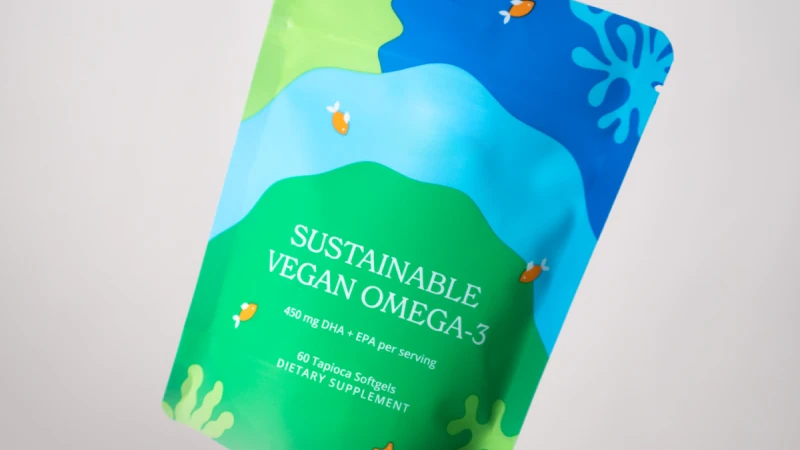
PCR plastic food safe flexible pouches meet FDA standards when approved resins like PET and HDPE are used, ensuring safety for food packaging.
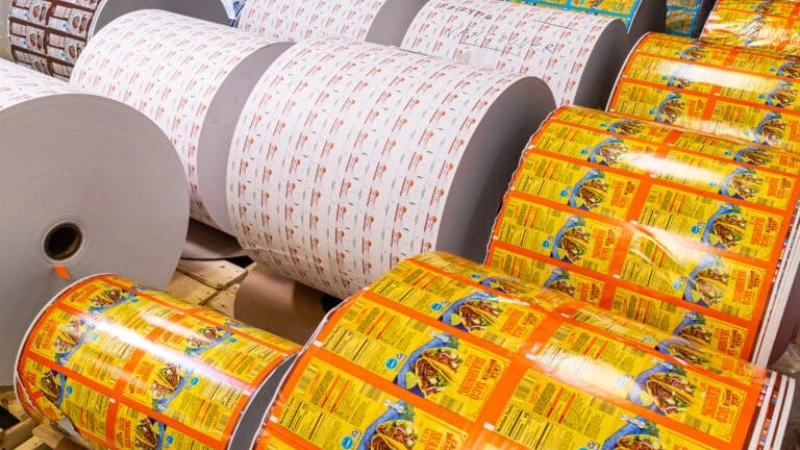
Manage heavy packaging film rolls safely with proper equipment, training, and storage to prevent injuries and keep your facility efficient.
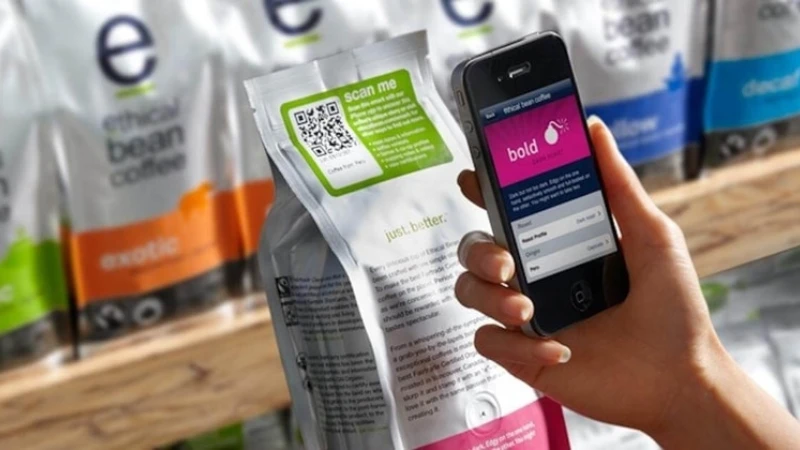
QR code printing size minimum and resolution are key for packaging. Ensure codes scan reliably by meeting size and clarity standards for best results.