
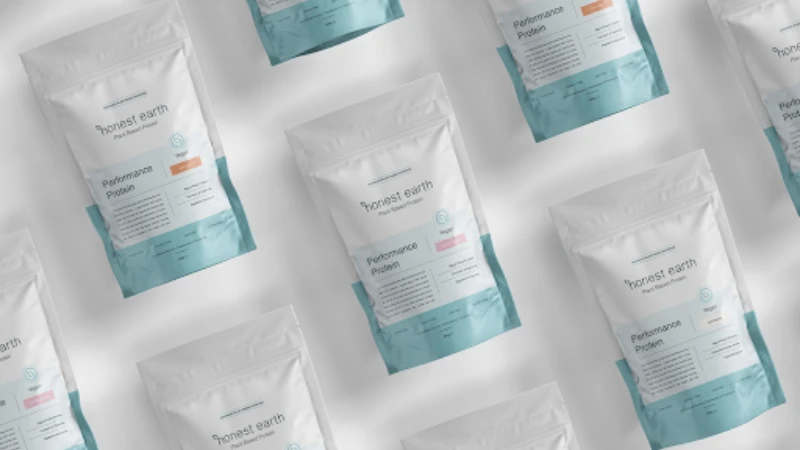
You create a strong first impression with your supplement packaging design. The material you pick does more than just keep your product safe. It also changes how customers think about your brand. Think about who will buy your supplements and what is important to them. Ask yourself if your packaging fits your product and helps your brand’s goals.
Almost 40% of supplement buyers say packaging and labeling affect their choices.
Choose materials that protect your product and stand out on busy shelves.
Key Factors for Supplement Packaging
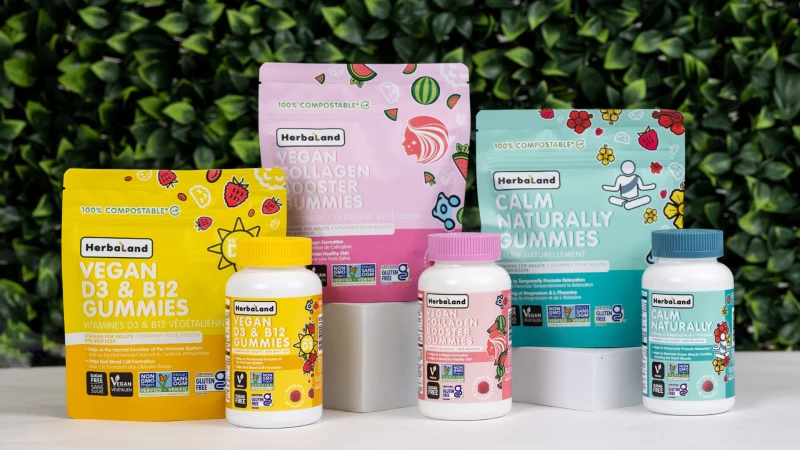
Safety & Compliance
Safety is very important in supplement packaging design. The materials you use must keep supplements safe from germs. They also need to follow all the laws. In the United States, there are strict rules to protect people and your business. Here is a table that lists the main safety rules for supplement packaging:
Regulation Type | Description |
|---|---|
Good Manufacturing Practices (GMP) | A system that makes sure production, building conditions, and quality checks are done right. |
Labeling and Packaging Regulations | Makes sure labels are correct for safety and follow the rules. |
Environmental Monitoring | Checks air and water quality to stop germs during packaging. |
You must do some important things in your facility:
Wear hair covers and face masks in GMP areas.
Wash your hands before work and after breaks.
Keep all tools and machines clean to stop germs.
International rules say you must test packaging materials. You need to make sure they do not mix with supplement ingredients. You also have to keep supplements safe from water, light, and heat changes. Quality checks help you avoid bad things in your packaging.
Product Protection
You want your supplements to stay fresh and work well. The right packaging keeps out water, light, and air. These things can hurt your product and make it go bad faster. High barrier packaging, like Alu PVC blister packs, blocks water, air, and light. You can change the foil thickness and PVC type for your product. Other strong materials, like PET/AL/PE and PET/NY/PE, also stop water and air. Metalized films and foils, like PET and aluminum, give great protection from water and sunlight.
Good packaging keeps your supplements safe:
Airtight containers stop air and keep ingredients strong.
Dark or amber bottles protect products that are hurt by light, like fish oil.
Water-resistant packaging keeps powders from going bad.
Resealable caps help keep supplements strong after opening.
You should always pick packaging that fits your product. This keeps your supplements safe and your customers happy.
Branding & Visual Appeal
Your supplement packaging is the first thing people notice. It shows your brand and builds trust. You need a strong brand look to stand out. Simple and clear packaging helps people know what you sell. Use clear labels to show what is inside and the benefits. This helps people trust your product.
Here are some ways to help your brand with packaging:
Use good design to make your product look nice.
Pick colors and fonts that match your brand.
Show what makes your product special on the label.
How your packaging looks changes how people see your brand. A nice package shows you care about quality and safety. It can also make people want to buy your product.
Consumer Perception | Impact on Brand Experience |
|---|---|
Trust and Credibility | Packaging shows your product is safe and good quality. |
Storytelling | Labels share your brand’s story and help sales. |
Purchase Intention | Looks can make people want to buy your product. |
Sustainability
Many people now care about the environment. You can show you care by picking sustainable packaging. Old packaging, like plastic, can last a long time and pollute the earth. Eco-friendly choices, like bagasse, break down and are better for nature. They help cut down on waste and lower pollution.
Sustainable packaging comes from things that grow back. It breaks down on its own and uses less energy to make. By using these materials, you help the planet and attract buyers who care about the earth.
Old packaging can pollute and fill up landfills.
Eco-friendly materials cut down on waste and pollution.
Picking green options helps make the planet healthier.
Cost Considerations
You need to think about both quality and cost in packaging. The material you pick changes your product’s price and profit. Here is a table that shows the usual cost for common packaging materials:
Material | Cost Level |
|---|---|
Plastic | Cheapest |
Paper | Moderate |
Glass | Most Expensive |
Packaging can be 10% to 40% of your product’s price. Fancy or eco-friendly materials usually cost more. Custom designs take more time and money. Buying in bulk can make each package cheaper. Shipping costs also depend on your packaging. Fragile items need more protection, which costs more. Packaging is not just a box—it helps people see your product and its value.
Tip: Know who will buy your product. If your buyers like eco-friendly choices, using green packaging can help your brand, even if it costs more.
You should always compare the good and bad of each material with your budget and brand goals. This helps you make smart choices for your supplement packaging.
Supplement Packaging Design: Material Comparison
Plastic Containers
Plastic containers are used a lot in supplement packaging design. They are strong and light. They do not cost much to make. These containers keep supplements safe when shipped. They are easy to carry. You can pick many shapes and colors for your brand. But plastic does not break down in nature. It can hurt the earth. Some plastics might let out chemicals. This can worry people who care about health. Many people think plastic looks less fancy than glass. Still, plastic keeps products fresh and safe. You can see inside to check the quality.
Pros:
Strong and lasts long
Light and easy to move
Good for branding
Saves money
Cons:
Does not break down, makes waste
Might let out chemicals
Looks less fancy
Glass Options
Glass is special in supplement packaging design. It looks fancy and is safe. Glass does not let things in or out. It keeps supplements fresh and clean. Glass does not mix with vitamins or minerals. It makes your product look high-end. This can bring in buyers who want the best. Glass can be recycled. This is good for brands that care about the earth. But glass is heavy and can break. It costs more to make and ship.
Feature | Benefit |
|---|---|
Does not react | Keeps supplements strong and pure |
Fancy look | Builds trust and keeps buyers coming back |
Can be recycled | Good for the earth |
Heavy and breaks | Costs more to ship and can break |
Pouches & Sachets
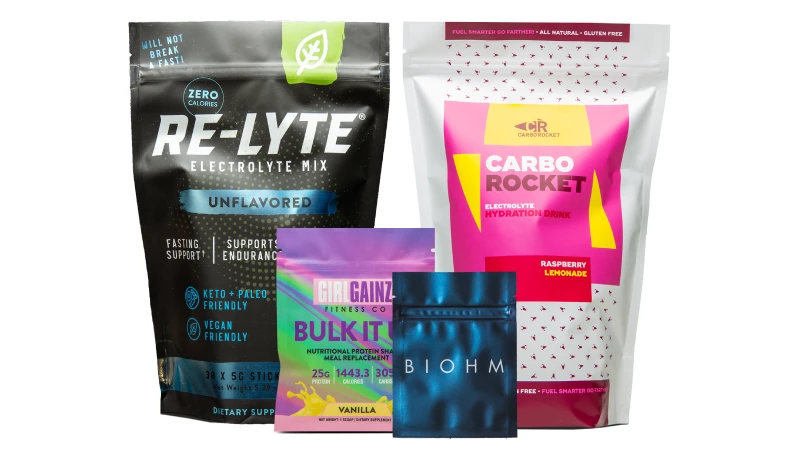
Pouches and sachets are flexible in supplement packaging design. They are small and used once. They are easy to open and carry. These packs keep out water and air. This keeps supplements fresh. You can print your logo and how to use it on the pouch. Pouches use less material. They cost less to make and ship. But they do not hold a lot. They may not feel as strong as bottles.
Feature | Description |
|---|---|
Small | Good for one serving |
Easy to use | Simple to open and take |
Custom look | Space for logos and directions |
Saves money | Costs less to make and ship |
Cartons & Boxes
Cartons and boxes give a classic look in supplement packaging design. They keep products safe from dust and water. You can stack them and print lots of info on them. Many brands use cartons to show they care about the earth. Paper boxes can be recycled. But some boxes use materials that do not grow back. They may not fit every product size. Cartons help your brand look strong. They can make customers trust you more.
Note: Using green cartons can help your brand look good and show you care about the earth.
Practical Tips for Material Selection
Align with Product & Audience
Your packaging should match your product and your buyers. Think about what your supplement does. Also, think about who will use it. Younger people like packs they can grab and go. Older adults need packages that are easy to open. People in cities want single-use packs. People in the country like big packs that last longer. The table below shows what different groups like:
Demographic Group | Preferred Packaging Format | Reasoning |
|---|---|---|
Millennials & Gen Z | Grab-and-go formats | Convenience and portability |
Older Adults | Easy-open designs | Accessibility |
Urban Consumers | Single-use stick packs | Quick nutrition |
Rural Consumers | Bulk formats | Cost-effectiveness and storage |
When you pick materials, check these things:
Make sure the packaging fits your supplement.
Use colors and pictures that match your brand.
Pick green materials if your buyers care about nature.
Make sure the packaging keeps your product safe and fresh.
Follow all the rules for packaging design.
Test & Iterate Designs
Testing your packaging with real people is important. You can use surveys to ask if the packaging is strong and easy to use. Polls help you get fast feedback on new ideas. This lets you fix problems before you sell your product. Using green packaging shows you care about the earth. Many buyers like this.
Method | Description | Purpose |
|---|---|---|
Surveys | Ask questions about the packaging | Learn about strength and user experience |
Polls | Get quick opinions on new designs | See what people like right away |
Tip: Keep testing and changing your packaging. This helps you stay ahead in the world of supplement packaging design.
Balance Brand & Budget
You need to look good but also save money. Pick materials that work for your supplement and your wallet. Blister packs keep pills fresh. Powders do well in pouches or jars you can close again. Liquids need strong bottles with tight lids. Cheaper soft plastics can lower shipping costs and help the earth. Good packaging should last, feel nice, and match your brand.
If you want help, a supplement branding agency or supplement brand strategy agency can guide you. They know how to make your packaging look great and fit your budget.
You have to think about a few important things when picking supplement packaging materials. Here is a table that shows what matters most:
Factor | Description |
|---|---|
Compliance & Regulations | Keeps your product safe and legal. |
Branding & Design | Makes your product stand out and attracts buyers. |
Cost | Helps you save money and plan for the future. |
Sustainability | Shows you care about the planet and meets consumer demand. |
Material Types | Offers choices like soft plastics and high barrier options. |
Convenience | Resealable pouches and easy-open features improve user experience. |
Watch for new trends in the market. You can use single-serve packs. Clean designs look nice and are easy to read. Smart features like QR codes help buyers learn more. Always check your packaging to make sure it keeps your product safe. Make sure it fits what buyers want. If you need help, talk to suppliers. They can give you eco-friendly choices, clear paperwork, and custom designs.