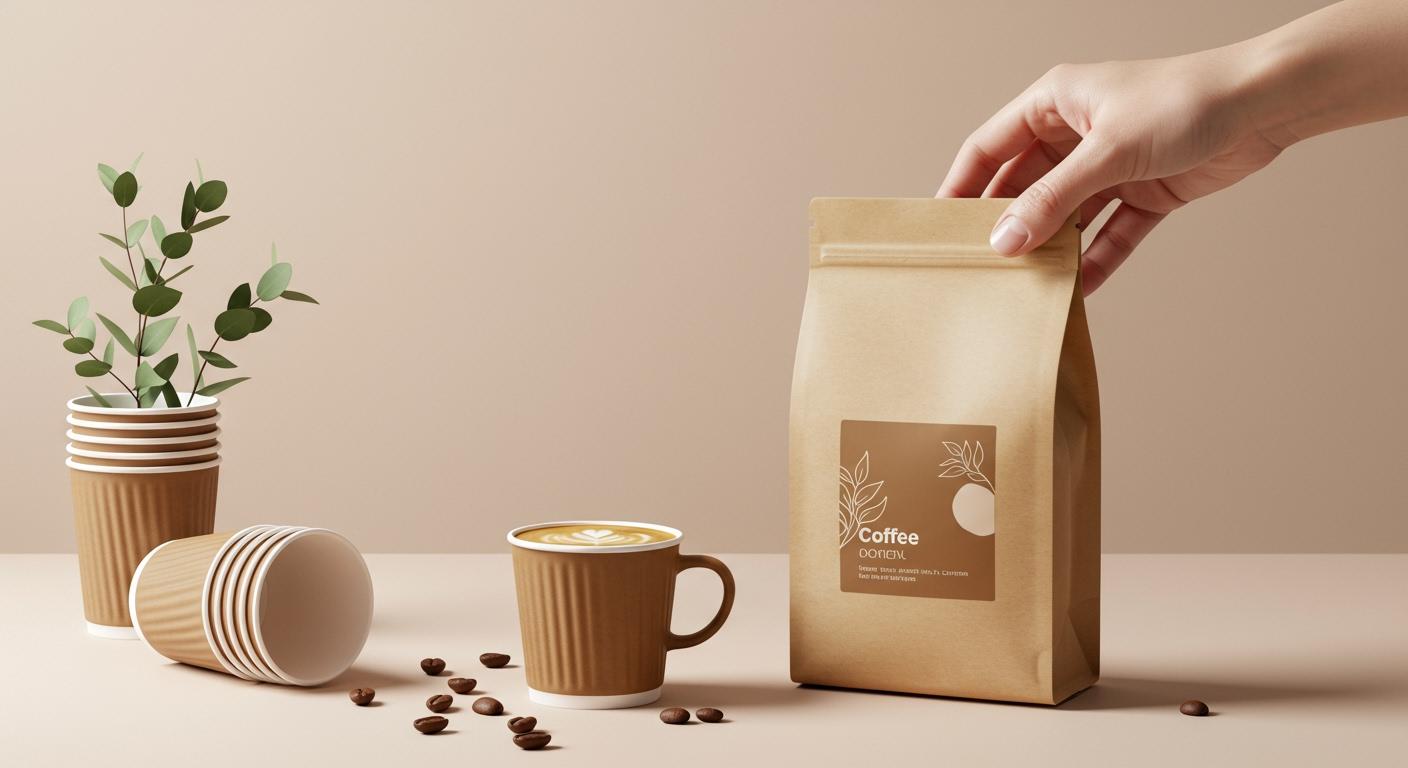
You see coffee in paper packaging almost everywhere today. This choice matters for the planet. About 45% of coffee packaging globally uses paper, making it a leader over plastic and metal. Coffee in paper supports sustainable practices and helps lower landfill waste. Paper packaging for coffee reduces greenhouse gas emissions and landfill pressure. You join the eco-friendly coffee movement when you choose coffee in paper. BN PACK leads the way, offering compostable and recyclable options. Coffee in paper means you enjoy coffee that cares about responsible sourcing and the environment. Start your day with coffee that cares and makes a difference.
Why Choose Coffee in Paper?
Sustainability Benefits
You make a positive impact when you choose coffee in paper packaging. Paper stands out as a leader in sustainable packaging because it comes from renewable resources and breaks down more easily in the environment. Many cities and countries now encourage or require paper-based packaging due to bans on single-use plastics. This shift helps reduce landfill waste and supports waste reduction efforts.
Did you know? Studies show that kraft paper packaging not only appeals to eco-conscious consumers but also increases the perceived quality of coffee, especially among frequent coffee drinkers.
Here is a quick comparison of packaging materials and their environmental impact:
Packaging Material | Carbon Footprint Impact | Recycling Challenges |
|---|---|---|
Paper | Lower than plastic and metal, but still significant | Generally more recyclable than plastic, but not always biodegradable |
Plastic | High due to fossil fuel production and single-use waste | Difficult to recycle, contributing to landfill issues |
Metal | Energy-intensive production and recycling | Can be recycled, but often not biodegradable |
Paper packaging offers a lower carbon footprint compared to plastic and metal. You help reduce greenhouse gas emissions when you select paper coffee bags. Flexible paper packaging also uses less material than rigid containers, which means less waste and more efficient transport.
Tip: Look for coffee in paper packaging with eco-friendly certifications. These labels show that the product meets strict environmental standards.
Freshness and Protection
You want your coffee to stay fresh and flavorful. Paper coffee bags now use advanced technology to protect your beans from air, moisture, and light. Modern paper packaging often includes special linings or layers that act as barriers. These features keep your coffee safe during storage and transport.
Here are some key features that help preserve coffee quality:
Key Feature | Description |
|---|---|
Oxygen Barrier | Prevents oxidation, keeping coffee fresher for longer. |
Moisture-Proof | Stops moisture from causing clumping and mold, especially in humid areas. |
Anti-Ultraviolet | Protects coffee from UV rays that can degrade flavor and aroma. |
Customized Lining | Offers effective barriers to air, moisture, and light while being environmentally friendly. |
Sustainable Materials | Provides protection without compromising coffee quality, using eco-friendly options. |
Packaging Design | Features like resealable zippers help maintain freshness after opening. |
Airtight packaging protects against oxygen, moisture, and light exposure, which are key factors in coffee degradation.
Moisture-proof materials prevent mold and bacteria growth, ensuring safety and taste.
Light-resistant packaging shields coffee from UV rays that can accelerate flavor degradation.
Choosing the right sustainable packaging locks in the flavor and aroma of your coffee. You get a better cup every time. Modern paper coffee bags, especially those with compostable or recyclable linings, offer both protection and environmental responsibility. You support sustainable practices and enjoy high-quality coffee with every purchase.
Paper Coffee Bags by BN PACK
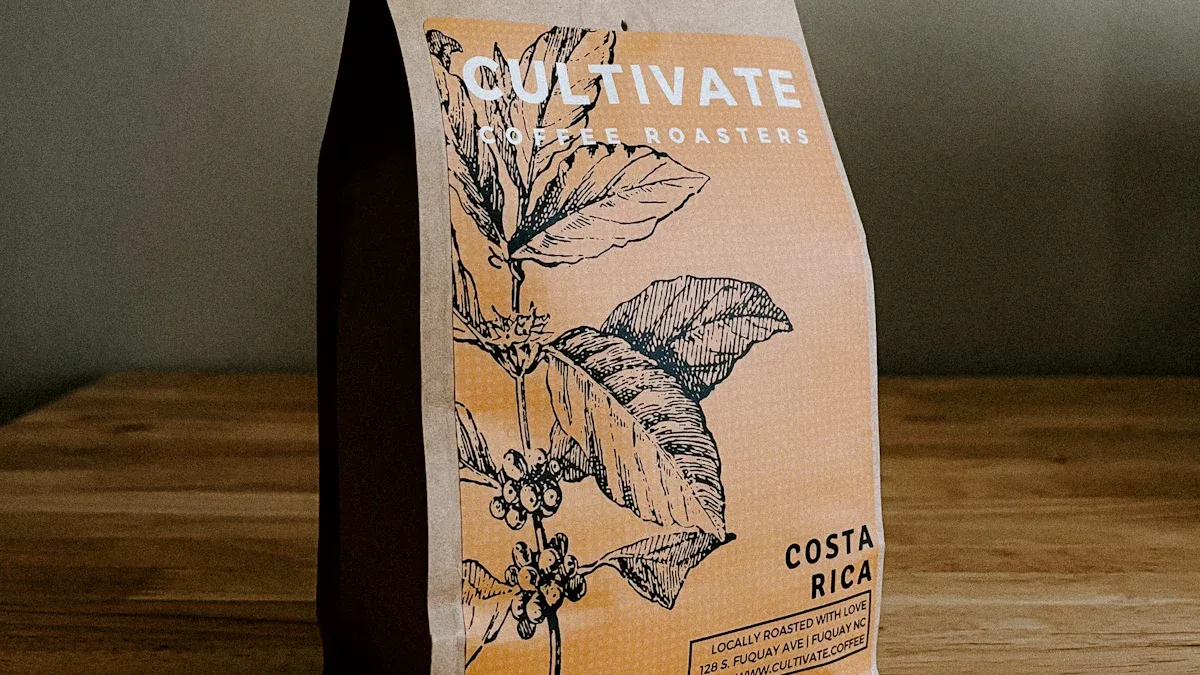
BN PACK stands out as a leader in sustainable packaging for coffee. You see their commitment to eco-friendly coffee solutions in every product. The company has built a reputation for quality, innovation, and global reach. You can trust BN PACK to deliver compostable coffee bags that protect your coffee and support your values.
Eco-Friendly Materials
You want packaging that cares for the planet. BN PACK uses renewable and recycled materials to create compostable coffee bags. These materials help you reduce waste and support a sustainable future. You find options like kraft paper, rice paper, and PLA in their coffee packaging. Each material offers unique benefits for sustainability and coffee freshness.
Material Type | Description | Sustainability Features |
|---|---|---|
Kraft Paper | Made from wood pulp, unbleached kraft paper | 100% recyclable, biodegradable, compostable, sourced from FSC-certified forests |
Rice Paper | Crafted from quintan tree bark and bamboo | Renewable materials, minimal maintenance, reduced environmental impact |
PLA | Made from renewable resources like corn, sugar cane, and sugar beet | Biodegradable in 90 days under composting conditions, compatible with digital printing methods |
BN PACK’s compostable coffee bags meet strict international standards. You see certifications like FSC, FDA, TÜV Rheinland, ISO 9001, EN 13432, and GB-9685. These certifications guarantee that your coffee packaging is safe, sustainable, and responsibly sourced.
Certification/Standard | Description |
|---|---|
FSC | Responsibly sourced paper components |
FDA | Compliance for direct food contact |
TÜV Rheinland | Validates biodegradability claims |
ISO 9001 | Quality management |
EN 13432 | 100% compostable materials |
GB-9685 | Soy-based inks compliance |
BRCGS | Certification for food safety and quality |
You support eco-friendly coffee solutions when you choose BN PACK. Their materials break down naturally and help you minimize your environmental footprint.
Customization Options
You want your coffee packaging to reflect your brand and values. BN PACK offers a wide range of customization options for compostable coffee bags. You select from various sizes, colors, finishes, and printing techniques. These choices help you create packaging that stands out and supports sustainability.
Customization Option | Sustainability Feature |
|---|---|
Various sizes | Eco-friendly materials available |
Multiple colors | Recyclable, biodegradable, and compostable options |
Different finishes | Reduces environmental impact with sustainable practices |
Printing techniques | Aligns with green initiatives for eco-conscious brands |
Kraft paper | Biodegradable and recyclable, offering durability |
Rice paper | Lightweight, biodegradable, and enhances product visibility |
Mono material | Enhances recyclability and reduces environmental impact |
PCR materials | Made from post-consumer recycled materials, reducing landfill waste |
You benefit from BN PACK’s advanced customization services. The company uses digital, flexographic, and gravure printing to create vibrant designs. You can add features like resealable zippers, degassing valves, and clear windows. These options make your coffee packaging functional and attractive.
BN PACK leads the industry in eco-friendly choices. You find recyclable materials, plant-based films, and post-consumer recycled content in their products. Their compostable coffee bags break down naturally in just 12 weeks. The company aims for zero waste by 2030, setting a high standard for sustainable packaging.
Feature | BN PACK | Other Suppliers (e.g., Stand-Up Pouch) |
|---|---|---|
Recyclable Materials | 100% recyclable by 2025 | Recyclable options available |
Post-Consumer Recycled Content | Over 90% PCR materials | Varies, not specified |
Plant-Based Films | USDA BioPreferred certified | Compostable options available |
Decomposition Time | Breaks down naturally in 12 weeks | Not specified |
Future Sustainability Goals | Zero waste by 2030 | No specific goals mentioned |
Product Features
You expect your coffee packaging to deliver quality and sustainability. BN PACK’s compostable coffee bags offer features that protect your coffee and support your values.
Black Kraft paper ensures environmental protection and food safety.
Stand-up design makes the bag easy to use and display.
Zipper lock at the top allows you to reseal and reuse the bag.
Kraft material shields your coffee from humidity, moisture, and impact.
Eco-friendly materials like hemp hybrid films and seaweed-based barriers add extra protection.
Post-consumer recycled films contain up to 70% recycled content.
EcoSpout series uses mono-material PE structures for easy recycling.
Hemp hybrid films are carbon-negative and biodegradable.
Marine-degradable coatings come from sustainably harvested algae.
You see BN PACK’s commitment to quality in every detail. The company holds certifications like ISO 9001, BRC, US FDA, and EU Food Grade. You find their products in over 100 countries, trusted by leading coffee brands worldwide.
Certification/Award | Description |
|---|---|
ISO 9001 | Quality management system standard |
BRC | Global standard for food safety |
US FDA | Compliance with U.S. food regulations |
EU Food Grade | Compliance with European food safety |
Global Reach | Serves over 100 countries worldwide |
You choose BN PACK for compostable coffee bags that combine sustainability, protection, and style. Their products help you deliver fresh, high-quality coffee while supporting a sustainable future.
Coffee in Paper vs. Other Packaging
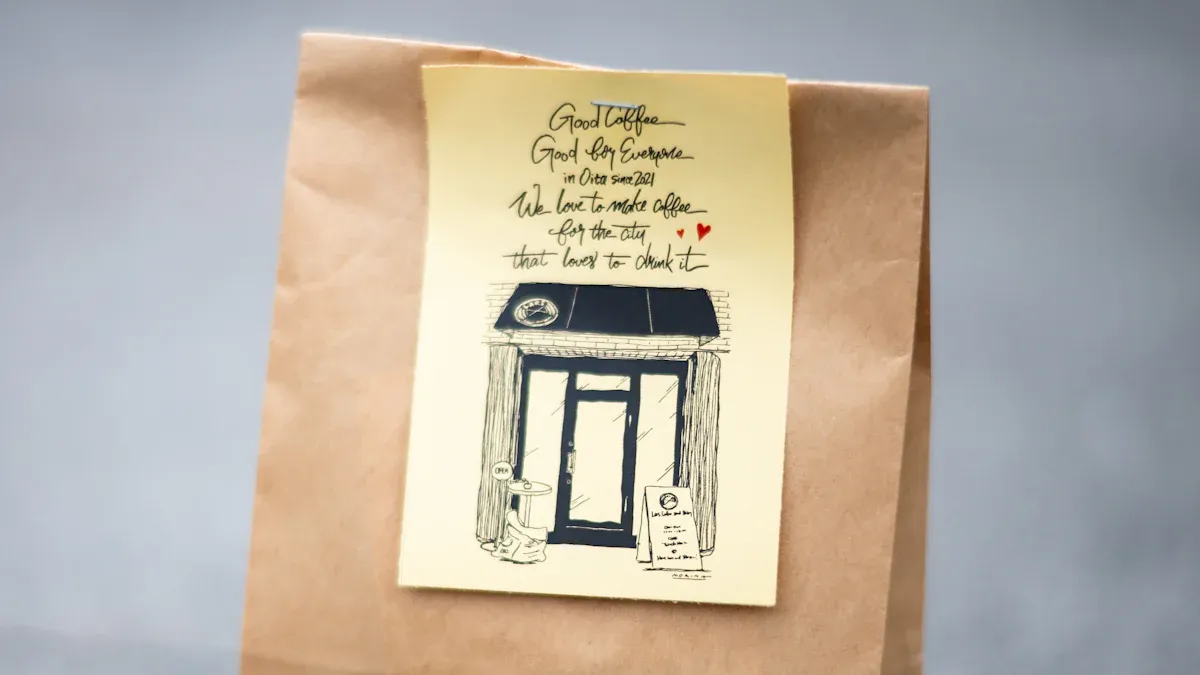
Plastic and Metal Alternatives
When you choose coffee, you often see it in paper, plastic, or metal packaging. Each material has unique strengths and weaknesses. Paper coffee bags are popular for their eco-friendly image, but you should know how they compare to other options.
Plastic coffee packaging is lightweight and cheap. However, it is non-biodegradable and can take up to 450 years to decompose. Plastic breaks down into microplastics, which harm the environment. Only about 9% of plastic gets recycled.
Metal containers, such as aluminum tins, protect coffee well. They are energy-intensive to produce but can be recycled many times. Glass jars also offer good protection and can be recycled without losing quality.
Paper coffee bags are biodegradable and recyclable if made from pure kraft paper. However, many paper bags have a plastic lining, which makes recycling harder and increases greenhouse gas emissions.
Note: The plastic lining in paper cups and bags complicates recycling and can lead to methane emissions in landfills.
Environmental Impact
You want to understand the environmental impact of your coffee packaging choices. Lifecycle analysis shows that each material affects the planet differently.
Plastic packaging has a high carbon footprint. Its production releases a lot of CO2, and improper disposal leads to pollution.
Metal and glass require a lot of energy to make, but you can recycle them effectively. Glass is especially good because it can be recycled forever.
Paper is biodegradable and recyclable, but if it contains plastic or foil, it often ends up in landfills.
The recyclability and compostability of coffee bags depend on their construction. Pure kraft paper is recyclable, but when mixed with plastic, it becomes hard to process. Compostable packaging, such as PLA-lined bags, needs special industrial facilities to break down. Most home compost bins cannot handle these materials.
Packaging Material | Environmental Impact | Recyclability | Compostability |
|---|---|---|---|
Paper | Lower carbon footprint if sourced sustainably; can cause deforestation | Good (if pure) | Possible (needs industrial facility) |
Plastic | High carbon footprint; long-term pollution | Low | Not compostable |
Metal | Energy-intensive production; recyclable | High | Not compostable |
Glass | Energy-intensive; recyclable forever | High | Not compostable |
Improper disposal of coffee packaging increases landfill waste and pollution. Many single-use coffee cups and bags end up in landfills, where they can take centuries to break down. Choosing sustainable packaging and compostable packaging helps reduce your environmental impact and supports a cleaner planet.
Choosing the Right Coffee Bag
What to Look For
When you select a coffee bag, you want to make sure it keeps your coffee fresh and supports your values. Start by checking for certifications and eco-labels. These labels show that the packaging meets strict environmental and social standards. Here is a quick guide to some important certifications:
Certification | Environmental Focus | Social Responsibility Focus | Economic Sustainability Focus |
|---|---|---|---|
Bird-Friendly | Promotes biodiversity through shade-grown coffee and conservation of ecosystems. | Supports ethical farming practices benefiting local communities. | Aligns with fair trade principles, enhancing the economic well-being of farmers. |
Rainforest Alliance | Focuses on sustainable farming practices, biodiversity conservation, and ecosystem protection. | Ensures fair treatment of workers and promotes gender equality. | Emphasizes fair trade practices, ensuring farmers receive fair prices for their coffee. |
Fairtrade Coffee | Encourages responsible farming methods to minimize environmental impact. | Guarantees fair wages and safe working conditions for farmers. | Provides a minimum price for coffee, allowing farmers to invest in their communities. |
You should also consider the material of the bag. Kraft paper offers good printability and strong tear resistance. Aluminum foil provides excellent protection against light, oxygen, and moisture, which helps extend the shelf life of your coffee. As noted by food packaging experts, aluminum foil ensures longer shelf-life stability and is safe for food use.
BN PACK’s Custom Solutions
BN PACK gives you many options for sustainable packaging that fit your brand and product needs. You can choose from eco-friendly materials, innovative designs, and various packaging types like stand-up pouches or spout pouches.
Custom Solution Type | Description |
|---|---|
Eco-friendly materials | BN PACK uses sustainable materials for packaging. |
Innovative designs | The company focuses on unique packaging designs. |
Various packaging options | Includes stand-up pouches, spout pouches, etc. |
BN PACK’s custom coffee bags help specialty roasters and retailers stand out. Features like strong seals, one-way valves, and resealable zippers keep your coffee fresh. You can pick custom sizes, colors, and designs to match your brand. Sustainable options, such as biodegradable or recyclable materials, appeal to eco-conscious customers and support a cleaner planet.
Feature | Description |
|---|---|
Freshness Preservation | Strong seal and durable material protect coffee from light and moisture. |
One-Way Valve | Allows gases to escape without letting air in, ensuring optimal freshness. |
Customization Options | Available in various colors, sizes, and designs to align with brand identity. |
Sustainability | Options for biodegradable or recyclable materials to appeal to environmentally conscious consumers. |
Resealable Zippers | Provides convenience for customers, allowing them to keep coffee fresh after opening. |
You get packaging that works for your product and supports your sustainable goals.
Sustainable Brewing Methods
Minimal-Waste Brewing
You can make a big difference by choosing eco-friendly brewing methods. Eco-friendly brewing helps you reduce waste and energy use every time you prepare freshly brewed coffee. Many popular methods work well with paper packaging and compostable filters. Here is a quick look at how different brewing styles compare:
Brewing Method | Filter Type | Waste Level |
|---|---|---|
Chemex | Paper (compostable) or reusable | Minimal |
Pour-over | Paper (compostable) or reusable | Minimal |
Total-immersion | Paper (small discs) | Minimal |
Reusable filters | Cotton, ceramic, stainless steel | None |
You can also try these eco-friendly brewing options:
Zero-waste reusable coffee filters made from cotton
Ceramic coffee filters that last for years
Stainless steel filters for a durable, eco-friendly brewing experience
Eco-friendly brewing does more than cut down on trash. It also lowers your carbon footprint by using less energy and water. When you choose eco-friendly brewing, you support sustainable packaging and help protect the environment.
Composting and Disposal
Eco-friendly brewing does not stop at making coffee. You can also compost your used grounds and paper filters. Follow these steps for best results:
Add used coffee grounds and paper filters to your compost pile, mixing them with other compostable materials.
Keep coffee grounds to no more than 20% of your compost volume.
Pair coffee grounds with shredded leaves to keep a healthy balance.
Turn your compost regularly to speed up decomposition.
Tip: Leave coffee grounds in unbleached, chlorine-free paper filters when composting. This makes the process easier and more eco-friendly.
You can also spread coffee grounds in a thin layer on your garden soil and cover them with mulch. This method adds nutrients to your plants and keeps waste out of landfills. Eco-friendly brewing and composting help you enjoy coffee while caring for the planet.
You help the planet when you choose coffee in paper packaging. Supporting brands like BN PACK means you get eco-friendly packaging that preserves freshness, promotes recycling, and uses renewable materials. Try these actions for a greener routine:
Use reusable containers for coffee beans.
Choose manual coffee makers for sustainable brewing.
Repair or recycle old machines.
Every step you take with sustainable packaging and mindful brewing creates a cleaner, more responsible coffee experience.