
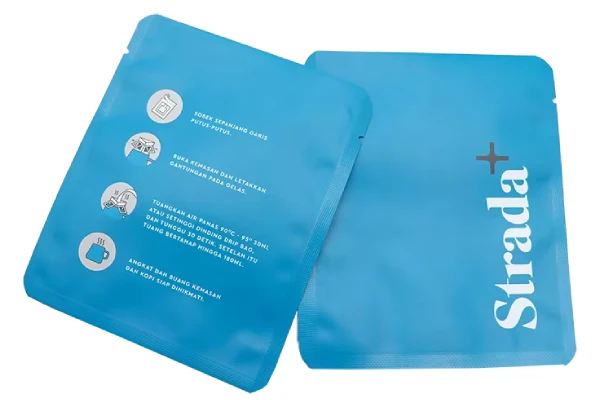
Heat sealable pouches keep your food safe by making a tight, sealed barrier. This seal stops germs, water, and dirt from getting in. It helps your food stay safe and fresh for a longer time. Studies show these pouches stop water and air from entering the seal. This is very important to keep food good. BN PACK uses new technology and careful checks. They give you packaging you can trust.
Types of Food Contamination
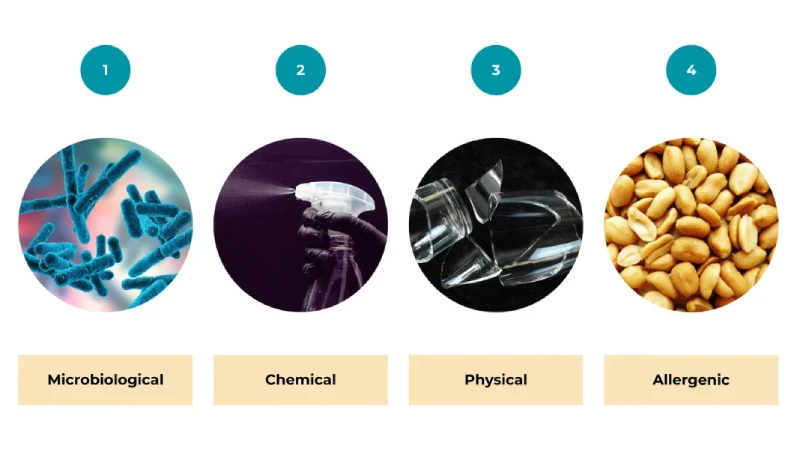
To keep food safe, you must know how it can get contaminated. Food can be at risk from microbes, chemicals, or things that do not belong. Each kind of contamination can make you sick or make food unsafe.
Microbial Risks
Microbial contamination happens when tiny living things get into food. These are called microbes, like bacteria. They can spoil food and make you sick. If the seal on a package is weak, microbes can get inside. Here is a table that lists some common microorganisms and what they do to food:
Microorganism | Spoilage Effects |
|---|---|
Brochothrix thermosphacta | Off-odors, off-flavors, discolorations |
Carnobacterium spp. | Gas production, slime production |
Lactobacillus spp. | Decreases in pH, off-odors |
Lactococcus spp. | Off-flavors, gas production |
Leuconostoc spp. | Discolorations, off-odors |
Pediococcus spp. | Off-flavors, gas production |
Streptococcus spp. | Off-odors, slime production |
Kurthia zopfii | Off-flavors, gas production |
Weisella spp. | Off-odors, discolorations |
Microbial spoilage can change how food smells, tastes, or looks. This makes food bad and not safe to eat.
Chemical Hazards
Chemicals can get into food during packaging or storage. These chemicals might come from the packaging or the air. Some common chemical hazards are:
Residues
Unwanted by-products
Trace contaminants
PFAS (Per- and polyfluoroalkyl substances)
Phthalates
Bisphenols
Microplastics
Pesticides
Acrylamides
Environmental contaminants
These chemicals can build up in food and hurt your health. You need packaging that keeps these chemicals out to keep food safe.
Physical Pollutants
Physical pollutants are things that get into food by mistake. These can hurt you or make food unsafe. Here are some common physical contaminants:
Metal contaminants
Plastic contaminants
Glass contaminants
Paper and packaging materials
Stone contaminants
Hair and fibres
Even tiny pieces of metal or glass can hurt your mouth or teeth. Hair and fibres can make you not trust the food brand. Some pollutants, like dioxins or benzene, can come from packaging and are very dangerous if they get into food.
Food makers have a hard job keeping food safe from these risks. You need packaging that blocks microbes, chemicals, and physical things. This helps keep food safe and helps you trust what you eat.
Heat Sealable Pouches in Food Packaging
Heat Sealing Process
Heat sealing helps keep food safe in bags. The process uses heat and pressure to close the pouch tight. When the right heat and pressure are used, the seal gets strong. This seal keeps air, water, and germs out. Your food stays fresh and safe inside. The seal also stops leaks, so nothing can get in or out. Many food bags use induction seal and heat seal to stop food from spoiling. You can find this technology in most food packaging today.
Materials and Technology
There are many materials used in heat sealable pouches. Each one protects food in a different way. Here are some common materials and what they do:
Material | Barrier Properties | Thickness |
|---|---|---|
Foil (Mylar) | Stops water, air, and light | 5 mils |
Biax Nylon | Blocks water and is hard to tear | Over 7 mils |
Kraft & Foil | Keeps out light, air, and water | 8 mils |
Food bags often use multilayer films for extra safety. These films block water and air very well. They help keep food safe from things outside. New machines, like smart sealers and digital controls, make sealing faster and better. These machines work with eco-friendly packaging too. You can use induction seal, heat seal, or both for more safety.
BN PACK’s Quality Standards
BN PACK makes food bags that meet high safety rules. The company checks quality, tests materials, and checks seals. Their bags follow ISO9001, BRC, FDA, FSC, and SGS rules. BN PACK has many kinds of heat sealable pouches. You can pick stand-up, flat bottom, kraft paper, high-barrier plastics, aluminum foil, recyclable, biodegradable, or compostable bags. You can choose the pouch and seal that fits your food. BN PACK uses new technology and safe materials to protect your food at every step.
How Heat Sealable Pouches Preserve Freshness
Oxygen and Moisture Barriers
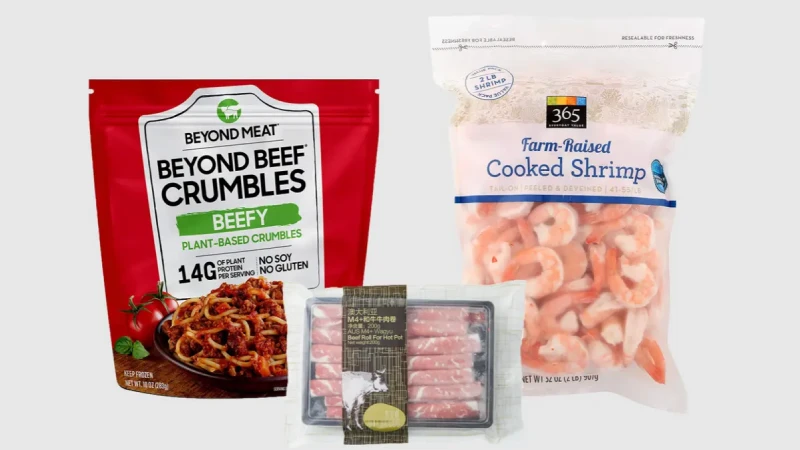
You want your food to stay fresh for a long time. Heat sealable pouches help by blocking oxygen and moisture. These two things can make food spoil fast. If oxygen gets in, food can lose its taste and color. Moisture can make snacks soft or cause mold to grow. You need a pouch that keeps both out.
Many foods have problems with oxygen and moisture. For example, high humidity can make powders stick together. Snacks can lose their crunch. Oxygen can make oils go bad and take away flavor. Heat sealable pouches use special materials to stop these problems. Here is a table that shows how these pouches fix common issues:
Source of Ingress | Issues Caused | Packaging Solution |
|---|---|---|
High humidity environments | Caking in powders, soggy snacks, mold growth | Heat sealable pouches with advanced barrier technologies |
Oxygen ingress | Rancidity, flavor loss | Materials that provide effective oxygen barriers |
Thermal processing | Off-odors | Dual-layer oxygen-absorbing laminates and adhesives |
The right barrier makes a big difference for food. Studies show oxygen absorbers in pouches help food last longer. They also keep nutrients safe. Here are some important facts:
Oxygen absorbers help food last longer by stopping spoilage and keeping nutrients.
Using oxygen absorbers in packaging can stop vitamins and nutrients from breaking down, like beta-carotene in dried sweet potato flakes.
Oxygen absorbers help fruits and vegetables keep their color and nutrition.
They also stop germs and spoilage in foods like dairy, nuts, and fish.
High barrier films with oxygen absorbers keep nutrients in food for a long time.
Tests show foods with different water and oil levels last longer with oxygen absorbers.
BN PACK uses strong, eco-friendly materials with good barriers. They check every pouch to make sure it protects food from oxygen and moisture.
Microbial and Odor Protection
You want your food safe from germs and bad smells. Heat sealable pouches use special layers to block both. Germs need oxygen and moisture to grow. If you block these, you stop most germs. The right barrier also keeps outside smells out and food smells in.
Look at this table to see how these pouches work:
Aspect | Description |
|---|---|
Barrier Properties | High barrier materials like laminated films or aluminum foil prevent oxygen, moisture, and gases from entering, which helps inhibit microbial growth. |
Sealing | Tightly sealed pouches prevent contaminants from entering, achieved through heat sealing or other methods. |
Material Permeability | Materials like HDPE and aluminum foil block odorous molecules, preventing odor transfer. |
Multilayer Construction | Multiple layers enhance barrier performance, with each layer serving a specific purpose. |
Sealing Technology | Proper sealing eliminates gaps that could allow odors to escape or enter. |
Barrier Layers | Specialized layers like EVOH or metallized films provide additional protection against gas and odor transmission. |
Vacuum Packaging | Removes air to prevent oxidation and microbial growth, limiting odor molecule movement. |
BN PACK checks every pouch to make sure it blocks germs. They use tests like ASTM F2338, which is a vacuum test for leaks. This test is part of ISO 11607 and USP <1207>. Their VeriPac Inspection Systems use this test for foods that need extra care. You get strong protection from germs and bad smells.
Extending Shelf Life
You want your food to last longer and stay good. Heat sealable pouches help by blocking oxygen and moisture. This keeps food fresh and safe. You can see the difference in how long food lasts with these pouches.
Here is a table that shows how much longer food lasts in vacuum-sealed pouches compared to non-sealed packaging:
Food Type | Vacuum-Sealed Shelf Life | Non-Sealed Shelf Life | Improvement Factor |
|---|---|---|---|
Ham | 1 to 2 weeks | 5 to 7 days | 3 to 5 times |
Raw Meat | 1 to 2 weeks | 3 to 5 days | 3 to 5 times |
Dry Pasta | Up to 2 years | 1 year | 2 times |
The right barrier helps food stay fresh much longer. Foods like ham and raw meat last up to five times longer. Dry pasta can last twice as long. This means you waste less food and save money.
BN PACK’s pouches use safe materials and strict checks. You get the best protection for your food. Their barrier technology helps keep food fresh and safe for longer. You can trust BN PACK to keep your food fresh and protected.
Real-World Effectiveness
Industry Examples
You see heat sealable pouches everywhere in the food industry. Food makers use them for snacks, frozen meals, and ready-to-eat foods. These pouches help keep food safe from germs and stop moisture transfer. You get chips, crackers, and candy that stay crisp and full of flavor. Frozen meals and desserts keep their taste and aroma during storage. Coffee and tea keep their rich aroma and flavor because the pouches block air and moisture. Pet food also stays fresh, so your pets enjoy every meal.
Many snack brands use heat sealed pouches to boost shelf life by up to 30%. This means less food waste and better food quality. Sandwiches and bread come in heat sealed bags to keep them safe and tasty. The tamper-evident seal gives you confidence in food safety. You know your food has not been changed or touched.
When you compare heat sealable pouches to other packaging, you see clear benefits. Cryovac packaging uses airtight plastic film to keep out germs and lock in flavor. Mylar vacuum seal bags create a strong barrier, so food stays fresh and odor-free. Advanced heat seal Mylar bags protect against air, moisture, and light, keeping food quality high and aroma strong.
BN PACK Success Stories
BN PACK works with top brands around the world. You find their packaging in stores like Walmart and Spar. These brands trust BN PACK to keep food safe and full of flavor. BN PACK’s pouches help coffee keep its aroma and flavor during long storage. Snack makers use BN PACK pouches to keep chips crunchy and candy sweet. Pet food brands rely on BN PACK to lock in aroma and taste, so pets get the best food quality.
BN PACK’s advanced packaging stops moisture transfer and keeps out air. You get food that tastes fresh, smells great, and keeps its flavor. The vacuum sealing process in BN PACK’s pouches helps extend shelf life and protect food from spoilage. You enjoy better aroma, longer storage, and safer food every time you open a pouch.
Tip: Choose heat sealable pouches for your food. You get better flavor, strong aroma, and longer shelf life. BN PACK helps you keep food safe and delicious.