

Imagine you walk into a café where the aroma of middle eastern coffee greets you. You see a host offering a cup with a smile, inviting you to join in a moment of connection. Middle eastern coffee rituals turn a simple drink into an experience. You notice the careful steps, the warmth, and the respect for tradition. These touches come straight from the middle east, where traditional coffee ceremonies celebrate hospitality. You find that cafés now borrow from coffee ceremonies, using middle eastern coffee to create welcoming spaces. Every sip tells a story, and you feel it in the atmosphere.
Middle Eastern Coffee in Modern Cafés
Rituals and Hospitality
Step into a modern café and you might notice echoes of middle eastern culture everywhere. You see the host greeting you with a smile, offering coffee in small cups. This gesture comes straight from coffee traditions that value hospitality above all. In middle eastern culture, serving coffee is more than just pouring a drink. It is a ritual that shows respect and warmth. You often find dates or sweets served alongside your cup, just like in a traditional coffee ceremony.
Many cafés now adapt these rituals to create a welcoming space. You might sit at a table with friends, sharing stories late into the evening. The café feels like a community hub, much like the old coffeehouses in the Arab world. The act of serving coffee in small finjān cups, with careful attention to detail, makes you feel special. You notice the Dallah pot on display, a symbol of generosity and tradition. These touches help you connect with middle eastern culture, even if you are far from its origins.
Here are some common middle eastern coffee rituals you might experience in modern cafés:
Coffee is served in small cups, often with the grounds left in the bottom.
Dates or sweets come with your coffee, highlighting hospitality.
The Dallah pot stands as a sign of generosity and tradition.
Coffee drinking is a social activity, enjoyed with friends and family.
The café encourages conversation and connection, inspired by the old maqha coffeehouses.
Modern café owners see the value in these rituals. They know that blending tradition with contemporary style attracts customers who want more than just a quick drink. You get a sense of belonging and care, which makes you want to return.
Preparation Methods
When you order coffee in a modern café, you might notice the influence of traditional coffee preparation. Middle eastern culture has shaped how baristas brew and serve coffee. You see Arabic and Turkish coffee on the menu, made by steeping finely ground beans in a small pot. The coffee is strong and unfiltered, often flavored with cardamom. This method stands out from the usual espresso or drip coffee you find elsewhere.
Baristas now adapt these traditional coffee techniques to suit modern tastes. They use new equipment but keep the essence of the coffee ceremony alive. You might watch as they brew coffee in a cezve or dallah, then pour it into small cups. The ritual of preparation creates anticipation and excitement. You feel part of something special, rooted in middle eastern culture.
Specialty coffee shops around the world feature these traditional coffee drinks. They offer a mix of old and new, blending coffee traditions with modern café culture. You see a wider range of drinks, from classic Arabic coffee to creative lattes and cappuccinos. The atmosphere is casual, yet the rituals remain important.
Modern cafés also focus on preserving the freshness and aroma of their coffee. The BN PACK coffee bag plays a key role here. You might not see it behind the counter, but it helps keep your coffee tasting great. Here is how the BN PACK coffee bag supports modern cafés:
Feature | Benefit |
|---|---|
Excellent barrier | Protects against moisture, oxygen, and UV light |
Resealable zippers | Allows for easy resealing to maintain freshness |
Degassing valves | Prevents gas buildup while preserving aroma |
Customization options | Enhances brand identity and usability |
You get coffee that tastes fresh and smells amazing, thanks to smart packaging. Café owners choose BN PACK coffee bags because they want to honor coffee traditions while meeting modern needs. The packaging keeps the beans at their best, so every cup you drink feels like a true coffee ceremony.
If you compare traditional coffee service with modern café adaptations, you see some clear differences and similarities:
Aspect | Traditional Middle Eastern Coffee Service | Modern Café Adaptations |
|---|---|---|
Preparation Method | Uses dallah or cezve for brewing | Employs espresso machines and various brewing methods |
Cultural Significance | Symbol of hospitality and social rituals | Focus on convenience and global coffee trends |
Coffee Types | Arabic and Turkish coffee | Lattes, cappuccinos, and specialty drinks |
Atmosphere | Formal, often communal | Casual, laptop-friendly environments |
Target Audience | Older generations, cultural purists | Younger generations, coffee enthusiasts |
You see that middle eastern culture continues to shape how cafés serve coffee. The rituals, the preparation, and the sense of community all come together to create a unique experience. You get to enjoy the best of both worlds—rich traditions and modern convenience.
Gulf Coffee Culture and Its Roots

Historical Significance
You might wonder how gulf coffee culture became so important in arab culture. The historical roots of gulf coffee culture stretch back centuries. When you look at the journey of coffee, you see its significance in trade and cultural exchange. Coffee traveled from the Arabian Peninsula to Europe through the Ottoman Empire and by sea from Mocha. The English and Dutch East India Companies helped spread coffee from Mocha, making it popular in Europe. Turkish armies and Mediterranean trade also played a role in this movement.
The expansion of the Ottoman Empire and the creation of trade routes helped coffee reach new places. As coffee gained popularity in the arab world, it moved through these networks to Persia and North Africa. Eventually, it arrived in Europe, changing how people gathered and socialized. This cultural exchange made coffee a global drink, and you can still feel its significance in modern gatherings.
Coffeehouses in Europe started to look like their arab counterparts. You see the same focus on community, conversation, and hospitality. The historical roots of gulf coffee culture shaped how people connect over coffee. Saudi coffee became a symbol of cultural significance, and you notice its impact in today’s cafés.
Social Customs
When you step into a café inspired by gulf coffee culture, you experience traditions that go beyond just drinking coffee. Saudi coffee, known as Qahwa, stands at the heart of arab gatherings. You see the host serving Qahwa in small finjān cups, often with sweet dates. This gesture shows respect and warmth, reflecting the significance of coffee customs in arab culture.
Coffee customs in the Gulf region highlight hospitality and generosity. You find that refusing a cup of saudi coffee is considered impolite. The ritual of serving coffee creates a sense of belonging and strengthens bonds during gatherings. These customs encourage you to slow down, share stories, and enjoy the moment.
You notice that saudi coffee ceremonies focus on cultural preservation.
The host pays close attention to detail, making each guest feel valued.
Gatherings often include family and friends, turning coffee into a shared experience.
The act of serving saudi coffee with dates brings people together and celebrates arab heritage.
Modern cafés now embrace these traditions. You see the influence of gulf coffee culture in how they design spaces for gatherings. The significance of saudi coffee rituals continues to shape social customs, making every visit to a café feel special. You become part of a tradition that values connection, hospitality, and cultural significance.
Signature Traditions
Qahwa and Cardamom
You walk into a café and see gahwa on the menu. This isn’t just any coffee. Gahwa stands out because it carries deep meaning in Arab culture. When you sip gahwa, you taste more than coffee—you taste hospitality. People serve gahwa during social gatherings, business meetings, and special occasions. You notice that gahwa always comes with cardamom. Cardamom gives gahwa its unique flavor and makes it different from other coffees.
Gahwa isn’t just a drink. It’s a symbol of generosity. When someone offers you gahwa, they show respect and welcome you into their space. You see gahwa served in small cups, often with dates or sweets. The ritual of preparing and serving gahwa is elaborate. The host pays close attention to every detail, making sure you feel valued.
Did you know? The tradition of coffeehouses started in the Middle East. These places became social centers, bringing people together over gahwa.
Modern cafés now feature gahwa on their menus. You find creative twists, but the heart of traditional gahwa remains. Cardamom stays as the key ingredient. You see gahwa offered in stylish cups, sometimes with new flavors, but the ritual of serving gahwa still shows care and hospitality.
Here’s what makes gahwa and cardamom special:
Gahwa is a symbol of generosity.
Cardamom gives gahwa its signature taste.
Gahwa is served at important gatherings.
The ritual of serving gahwa reflects the host’s attentiveness.
Traditional gahwa connects people and builds social bonds.
Dallah Pot
You spot a beautiful pot on the counter. That’s the dallah, the classic vessel for serving traditional gahwa. The dallah pot is central to the ritual. When you see a host pour gahwa from a dallah, you know you’re part of something special. The shape of the dallah is iconic. It stands for hospitality and social connection.
In traditional gahwa service, the host uses the dallah to serve guests. This act shows respect and builds trust. You notice that the dallah appears in public art and even on currency in some countries. The dallah isn’t just a pot—it’s a symbol of cultural identity.
Modern cafés keep the spirit of the dallah alive. You see contemporary designs that blend tradition with style. The dallah still plays a key role in serving gahwa at social events. Whether you’re at a family gathering or a trendy café, the dallah reminds you of the importance of hospitality.
Here’s how the dallah pot shapes your gahwa experience:
The host uses the dallah to serve traditional gahwa, showing respect.
Modern cafés adapt the dallah’s design but keep its symbolic value.
The dallah appears at social occasions, reinforcing hospitality.
Tip: Next time you visit a café, look for the dallah. It’s more than a coffee pot—it’s a piece of history.
Modern Adaptations
Café Design
You walk into a café and notice how the space feels different. Modern cafés inspired by Middle Eastern rituals use design to create a sense of warmth and community. You see cozy seating, soft lighting, and touches of tradition. The layout encourages you to linger, chat, and enjoy your specialty coffee. You find tables arranged for groups, not just solo visitors. The walls might display art that celebrates coffee heritage. Some cafés even showcase the iconic dallah pot or traditional cups, blending old and new.
Café owners know that design shapes your experience. They want you to feel welcome, just like in a classic coffeehouse. You see open counters where baristas prepare specialty drinks with care. The aroma of freshly ground beans fills the air. You notice how the décor mixes modern style with Middle Eastern patterns and colors. This blend creates a unique vibe that sets specialty cafés apart.
BN PACK coffee bags play a hidden but important role in these spaces. You might not see them on display, but they help keep specialty beans fresh and aromatic. Café owners choose BN PACK for its advanced packaging features. Specialty coffee needs protection from air, moisture, and light. BN PACK offers solutions that match the demands of modern cafés.
Here’s a quick look at how BN PACK coffee bags support specialty coffee needs:
Material Type | Benefits | Environmental Impact |
|---|---|---|
Foil-lined bags | Excellent barrier against oxygen, moisture, and light, preserving quality | Varies, check for recyclability |
Mylar | Durable and provides strong protection | Often recyclable |
Laminated materials | Combines multiple materials for enhanced protection | Check for biodegradable options |
Kraft Paper | 100% natural, biodegradable, and compostable | Highly sustainable |
Matte Finish | Multi-layered for freshness and shelf life | Many options are recyclable |
You get specialty coffee that tastes as good as it smells. The packaging keeps beans at their peak, so every cup feels like a celebration of tradition and innovation.
BN PACK coffee bags also offer:
One-way degassing valves to prevent bursting of freshly roasted specialty coffee.
Resealable zippers for maintaining freshness after opening.
Tear notches for easy access to your specialty beans.
You see how packaging supports the specialty experience from behind the scenes. Specialty cafés rely on these features to deliver quality in every cup.
Menu Innovations
You open the menu and spot something exciting. Specialty cafés now blend Middle Eastern traditions with modern coffee trends. You find classic drinks like gahwa and Turkish coffee next to espresso, cold brew, and creative lattes. This mix lets you explore new flavors while honoring heritage.
Specialty coffee shops in Saudi Arabia lead the way. They serve traditional Arabic coffee alongside modern specialty varieties. You taste the difference in every sip. Specialty cafés like Brew 92 and meddcoffee focus on pure, additive-free brews. You appreciate the complexity and depth of specialty coffee. These places show how tradition and innovation can work together.
You notice that specialty cafés use high-quality beans and precise brewing methods. Baristas prepare specialty drinks with care, often explaining the story behind each cup. You learn about the origins of specialty beans and the rituals that inspired the recipes. Specialty menus feature cardamom-infused coffee, saffron lattes, and rose-flavored specialty drinks. You see how specialty cafés celebrate both old customs and new ideas.
Here are some specialty cafés that blend tradition and innovation:
Cafe Younes in Beirut
Qahwah in Kuwait City
Raw Coffee Company in Dubai
You visit these specialty spots and experience the best of both worlds. Specialty coffee rituals meet modern tastes, creating a menu that surprises and delights you.
Tip: Ask your barista about the specialty drinks inspired by Middle Eastern traditions. You might discover a new favorite that connects you to a rich coffee heritage.
Specialty cafés use BN PACK coffee bags to keep their beans fresh and flavorful. Specialty packaging protects the delicate notes and aromas that make each specialty drink special. You enjoy every cup, knowing that the beans stayed at their best from roaster to café.
Specialty coffee culture keeps evolving. You see specialty cafés experimenting with new recipes, brewing methods, and presentation styles. Specialty drinks reflect a blend of identity, community, and creativity. You become part of a movement that respects tradition and embraces change.
Specialty cafés invite you to slow down, savor the moment, and connect with others. You taste history and innovation in every specialty sip.
Packaging and Presentation
BN PACK Coffee Bag Features
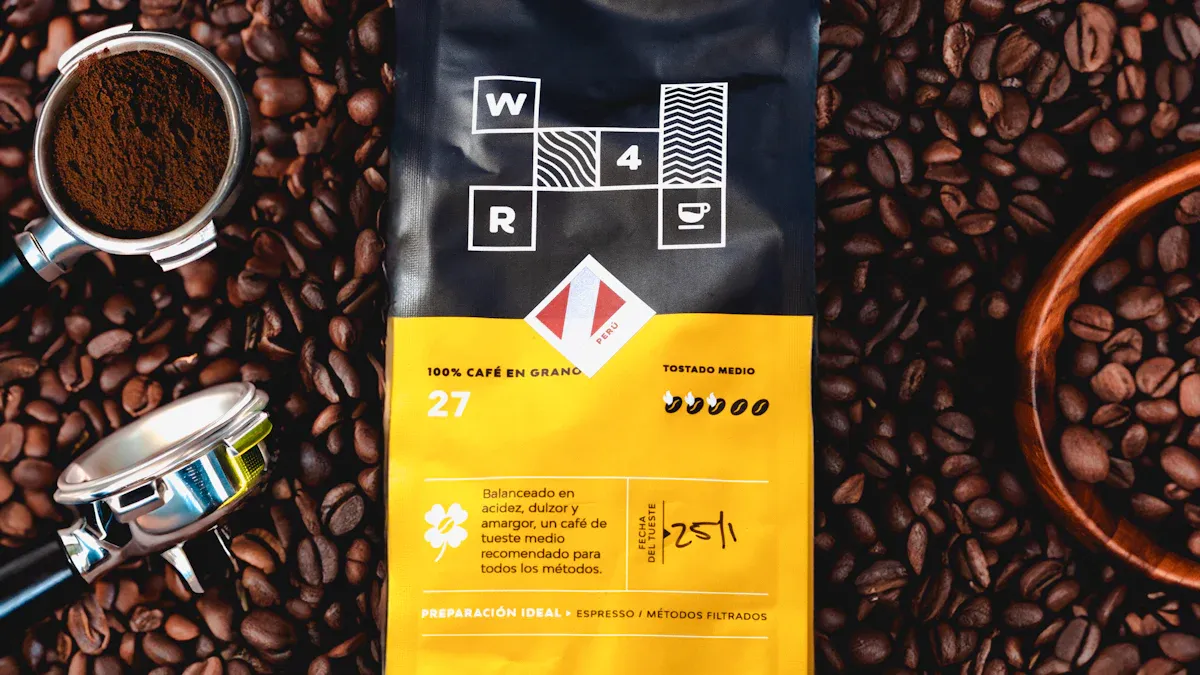
When you pick up a bag of coffee at your favorite café, you notice more than just the beans inside. The BN PACK coffee bag stands out because it combines smart design with eco-friendly materials. You get to choose from a range of options—matte or glossy finishes, resealable zippers, and one-way degassing valves. These features keep your coffee fresh and aromatic, even after you open the bag.
Specialty coffee shops love BN PACK bags for their ability to block oxygen, light, and humidity. This means your beans stay at peak flavor longer. You also see tear-notches and hanging holes that make the bags easy to use and display. The multi-layer foil and custom shapes help cafés show off their brand while protecting the product.
Feature | Benefit |
|---|---|
Multi-layer foil | Blocks oxygen, light, and humidity for maximum freshness |
One-Way Degassing Valve | Releases CO₂, blocks oxygen and moisture, preserves flavor and aroma |
Resealable Zipper Closure | Airtight protection and easy access |
Tear-Notch & Hanging Hole | Easy opening and better retail display |
Matte/Gloss Finish Laminate | Custom textures for branding, moisture resistance, and durability |
You see that BN PACK bags do more than just hold coffee—they help cafés deliver a better experience.
Enhancing Brand Identity
You notice that packaging is the first thing you see when you walk into a café or browse the shelves. BN PACK coffee bags let cafés and roasters customize every detail, from eco-friendly materials to metallic foils and unique shapes. This flexibility helps brands stand out and tell their story.
72% of people say they prefer buying from companies that care about sustainability.
Eco-friendly labels like “compostable” or “biodegradable” build trust with customers.
Sustainable packaging often leads to stronger brand loyalty.
Packaging design shapes your perception. Colors and textures catch your eye and influence your choices. A high-quality bag signals freshness and quality. Transparent windows and clear information build trust. Unique designs help products pop in a crowded market. When you see a BN PACK coffee bag, you feel a connection to the brand’s values and story.
Tip: Next time you grab a bag of coffee, look for eco-friendly cues and creative designs. They show you that the café cares about both your experience and the planet.
Global Impact
Specialty Coffee Trends
You might notice how specialty coffee has changed in recent years. Middle Eastern coffee rituals have inspired new trends all over the world. Cafés now offer more than just a regular cup of coffee. You see unique blends and flavors that reflect the art of coffee craftsmanship. Baristas take pride in every step, from grinding the beans to pouring your drink.
Artisanal blends and bold flavors have become popular in specialty coffee shops.
Many cafés focus on high-quality, single-origin beans and new brewing methods like pour-over and cold brew.
You see more shops using Arabica beans and offering espresso-based drinks.
There is a growing demand for transparency, sustainability, and direct trade with coffee farmers.
The rise of artisanal coffee shops attracts a new generation of coffee lovers who want quality over quantity.
In the Middle East, specialty coffee shops are booming. Saudi Arabia stands out as a leader, thanks to its rich coffee culture and strong trade connections. The coffee sector in the Middle East and Africa is expected to reach $38.3 billion by 2030, growing each year. Governments and businesses support local coffee farming and promote authentic experiences. You see more options for customization, especially as younger people look for something special in their cup.
You can taste the difference when a café values quality, tradition, and innovation.
Community and Connection
When you walk into a modern café, you feel more than just the buzz of caffeine. Middle Eastern coffee rituals help create a sense of belonging. Serving coffee is an act of welcome and respect. You notice how cafés encourage people to gather, talk, and share ideas. These spaces bring together people from all walks of life.
Coffee symbolizes hospitality and generosity.
Cafés act as equalizers, where everyone can connect and exchange ideas.
You find spaces for intellectual talks, creativity, and friendship.
The tradition of serving coffee builds trust and respect among guests.
Modern cafés reflect the spirit of old coffeehouses. They help reduce loneliness and support mental well-being. You feel included, whether you come alone or with friends. The values of hospitality and community remain strong. Every cup you share helps build a stronger, more connected world.
You see Middle Eastern coffee rituals shaping the coffee scene everywhere. Modern cafés blend tradition with new ideas, creating spaces that feel warm and inviting. You can bring these customs home by using a dallah, grinding beans finely, and adding cardamom. Pour your coffee into small cups and let the grounds settle. Next time you visit a café or brew at home, notice how heritage and innovation come together in the coffee scene.