You want packaging that uses less stuff and makes less trash. Designing for Minimal Waste means you choose simple and light pouch packaging. This packaging keeps your product safe but does not use extra material. Today, it is important to use packaging that helps the planet. Many people now want products with eco-friendly packaging. Some people even pay more for these products. Brands are changing to simple designs and lighter materials. The market for bags and pouches grows by 8.4% every year.
Segment | Growth Rate (CAGR) | Reason for Growth |
|---|---|---|
Bags and pouches | 8.4% | Flexible, lightweight, cheap, and useful packaging. |
BN PACK is a leader with new packaging ideas. These ideas help you reach your sustainability goals.
Minimalist Packaging Principles
Simplicity in Design
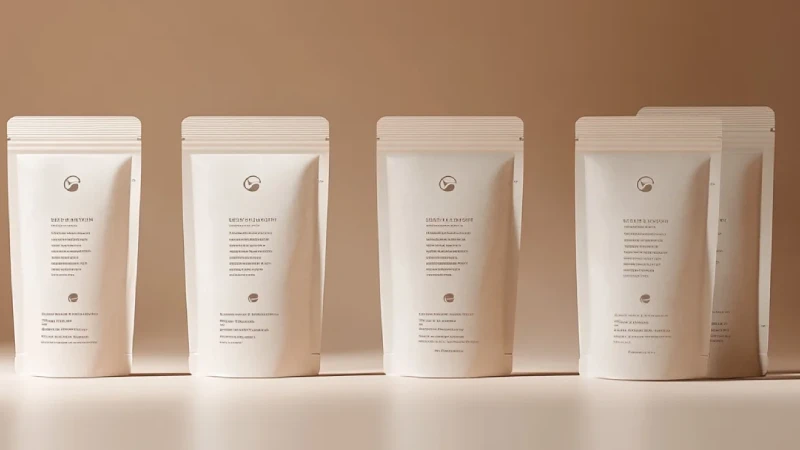
Simple packaging may look plain, but it takes skill. Minimalist packaging uses fewer things. You see less color and less writing. Only the most important details are shown. This helps your product stand out. Using minimal design cuts waste. It still works well. You save money and help the planet.
Minimalist design helps stop too much packaging. Too much packaging hurts the environment. Brands that use less show they care about the earth. They also show customers they care about sustainability.
Here are some main ideas from top design groups:
Cut waste but keep packaging useful.
Use every material well. Material efficiency is important.
Use clear messages to build trust.
Make it cheap and easy to make more.
More people want less in their packaging now.
You can use these tips for a strong minimalist look:
Use less text and fewer colors.
Pick one thing to stand out.
Add empty space for focus.
Place key things using the rule of thirds.
Try smart visuals.
Balance the design.
Sometimes, break rules to be creative.
Functionality and Aesthetics
Minimalist packaging does not mean boring. You can have beauty and function. You do not need extra materials. Less is more means smart design. Packaging works better and looks good. Some designs copy nature. This makes packaging feel right and look nice. The Juice Skin series by Naoto Fukasawa uses color and shape. It connects the product to nature. You can easily see what is inside.
Here is a quick look at how to balance looks and use:
Design Feature | Description |
|---|---|
Texture | Adds depth and makes packaging feel special. |
Logo Placement | Puts your brand in the center. |
Functional Design | Makes sure every part has a job. It helps usability and sustainability. |
Minimalism in packaging uses empty space, clear writing, and few colors. Space is used well. Nothing feels crowded. Less is more helps your product stand out. It also keeps waste low.
Some people think minimalist packaging is not creative. They think it only uses black and white. But less is more lets you use color and design in smart ways. This helps your product stand out.
Designing for Minimal Waste
You want packaging that does not make extra trash. When you design for minimal waste, you check every part of the pouch. You ask, “Do I need this?” You use less material and better shapes. Smart designs help you save money and protect the planet. Minimalist packaging is not only about looking simple. It means using just what you need.
Material Reduction Strategies
When you design for less waste, you use less material. You can pick lighter films or thinner layers. You might use recycled materials. Many brands use recycled plastics and aluminum now. These choices lower your carbon footprint. They also keep waste out of landfills.
Here are some top ways to cut packaging waste in pouch design:
Strategy Type | Description |
|---|---|
Sustainable Materials | Use materials that are recyclable or made from post-consumer recycled content. |
Optimized Packaging Design | Design pouches that minimize material use while maintaining functionality. |
Reusable Solutions | Implement fabric pouches or reusable boxes to encourage multiple uses. |
You can try these ideas:
Recycled plastics help you use less new plastic.
Aluminum is easy to recycle and is better for the earth.
Cotton or jute fabric pouches last longer and can be used again.
Reusable boxes work for many things and stop single-use packaging.
When you make packaging better, you save more than materials. You also save money. Some brands have less product damage, only 1.5%. Others save almost $5 million each year. They use less material and smarter designs. This helps your business and the planet.
Tip: You can make packaging lighter but still strong. Use fewer layers or try compostable materials. Small changes make a big difference.
Efficient Pouch Structures
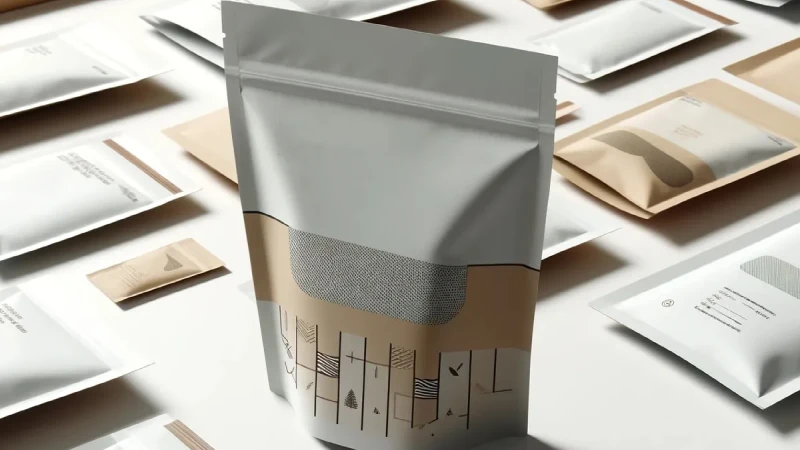
Minimalist pouch packaging uses smart shapes and structures. You do not need big boxes or thick bags. You can use stand-up pouches, flat-bottom pouches, or three-side sealed pouches. These designs use less material and still protect your product.
Let’s see how efficient pouch structures compare to old packaging:
Packaging Type | Material Savings | Environmental Impact |
|---|---|---|
Traditional Formats | N/A | Higher carbon footprint and waste generation |
Efficient Pouches | Up to 70% | Lower emissions, reduced transportation weight |
Efficient pouches are light and use fewer resources. You can save up to 70% in materials. These pouches take up less space when shipped. That means lower shipping costs and fewer emissions. Your brand has a smaller carbon footprint than with bottles or heavy boxes.
Here are some good things about efficient pouch structures:
Light and easy to carry
Up to 70% material savings
Less space needed for shipping
Lower emissions in the supply chain
Better for the planet
If you switch to minimalist pouch packaging, you may worry about your brand. You can fix this with clear design and smart use of space. Here is how brands solve common problems:
Challenge | Solution |
|---|---|
Maintaining Brand Recognition | Focus on essential information to ensure brand visibility. |
Standing Out on Crowded Shelves | Utilize negative space to differentiate from competitors. |
Consumer Understanding | Ensure clarity of product information through strategic design choices. |
Minimalism helps your packaging be easy to spot. You use empty space and clear labels. Customers see your brand and know what they buy. You do not need extra graphics or clutter.
Note: New packaging ideas let you use less material and still have a strong brand. Eco-friendly designs show customers you care about the planet. This builds trust and loyalty.
Designing for minimal waste is smart. It helps your business and the planet. You use minimalist ideas, efficient pouch shapes, and better materials. Your packaging stands out, costs less, and helps the environment.
Eco-Friendly Materials in Pouch Packaging
Biodegradable Bags by BN PACK
You want packaging that is good for the earth. BN PACK makes biodegradable bags to help with this. These bags use eco-friendly materials that break down on their own. They do not stay in landfills for a long time. Instead, they turn into safe, natural stuff. BN PACK’s biodegradable bags follow strict rules like ISO and EN 13432. You can use them for food and other things without worry.
Here are some good things about BN PACK’s biodegradable bags:
Made from plant-based materials like PLA film from corn starch
Cut carbon emissions by up to 60% compared to normal plastics
Compostable, so they do not make bad gases in landfills
Safe for food and checked for quality
You can pick from many eco-friendly materials for pouch packaging. Some choices are:
Biodegradable materials
Compostable solutions
Recyclable options
Molded fiber
Paperboard
PLA bioplastics
New things like seaweed or mycelium
BN PACK’s bags help you make less pollution. Making these bags uses less energy and makes less waste. You get strong, safe packaging that helps your green goals.
Tip: Changing to biodegradable bags can save you money later. You might pay more at first, but you can cut waste costs and get customers who want green packaging.
Sustainable Sourcing
You can help the planet by picking sustainable sourcing for packaging. When you choose recycled or renewable materials, you help lower pollution and waste. Using recycled packaging can cut carbon emissions by up to 88% for some plastics and 40% for cardboard. This means less damage to the earth.
Here are some ways sustainable sourcing helps:
Cuts emissions from making and moving materials
Makes less waste in landfills
Helps keep the supply chain clean
Many companies now use sustainable kraft paper for pouch packaging. This paper comes from forests that are managed well. You can look for labels like FSC, BPI, or GRS to know your packaging meets high standards.
Certification | Description |
|---|---|
FSC | Comes from responsibly managed forests |
BPI | Meets compostability standards |
GRS | Uses recycled materials |
Sustainable kraft paper is strong and easy to recycle. It gives your packaging a natural look and feel. You show customers you care about green choices. This helps build trust and loyalty.
Note: Eco-friendly packaging does more than keep your product safe. It helps your brand stand out and supports a better world for everyone.
Case Studies: Minimalist & Eco-Friendly Pouches
BN PACK Success Stories
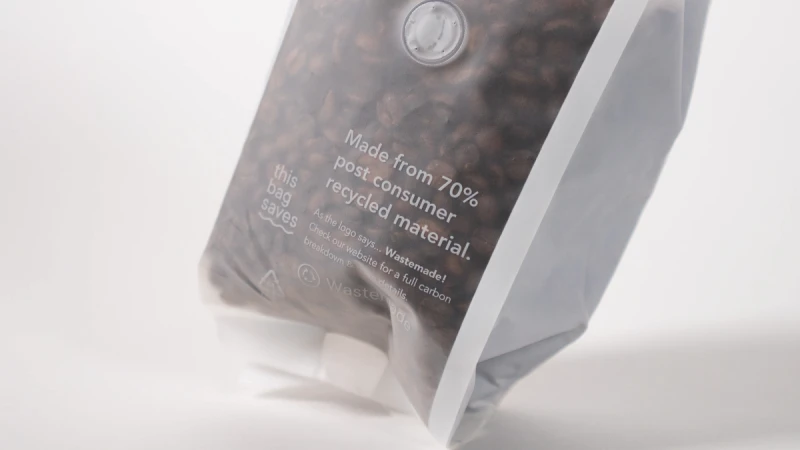
You want to see how minimalist packaging works in real life. BN PACK gives you great examples. Many brands choose BN PACK’s biodegradable bags because they want to cut waste and show they care about the planet. These bags use plant-based materials and break down safely. You can use them for food, coffee, or even pet food. The design stays simple and clean. You see only what matters on the pouch. This makes your product look modern and fresh.
One coffee brand switched to BN PACK’s minimalist pouches. They used less ink and fewer colors. The pouch felt light but strong. Customers loved the new look. They said the packaging made the product feel special and eco-friendly. The brand saw more sales and better reviews.
“We wanted packaging that matched our values. BN PACK helped us find a minimalist solution that worked for our coffee and our customers.” – Coffee Brand Owner
Industry Examples
Other companies also use minimalist packaging to stand out. You might know brands like Method or Seventh Generation. They use simple pouches with clear labels. You see the product name and a few key facts. Nothing extra. This style makes it easy for you to spot the product on the shelf.
Here’s a quick table to compare:
Brand | Minimalist Features | Eco-Friendly Actions |
|---|---|---|
BN PACK | Clean design, less ink | Biodegradable materials |
Method | Simple pouch, bold logo | Recycled plastic |
Seventh Generation | Few colors, clear info | Plant-based packaging |
Minimalism in packaging helps you save money and protect the earth. You use only what you need. Your brand looks modern and responsible. Customers notice when you care about the planet.
Impact on Brand and Consumer Perception
Communicating Sustainability
You want your customers to know you care about the planet. The way you talk about your eco-friendly packaging matters. When you use clear labels, smart symbols, and short messages, you help shoppers see your values right away. For example, you can add a seal that says “Made with Recycled Content” or use a QR code that tells your brand’s green story. These small touches build trust and make your packaging stand out.
Here are some ways brands share their eco-friendly efforts:
Use simple labels to show what makes the packaging green.
Add QR codes for more details about your materials.
Tell your story with colors and pictures that feel natural.
Team up with groups that support the environment.
Transparency builds trust. When you show what goes into your packaging, people feel good about choosing your product.
A table below shows what matters most to shoppers when they look at packaging:
Aspect | What Shoppers Want |
|---|---|
Functionality | Resealable bags and lightweight designs are a must-have for many people. |
Sustainability | Biodegradable, compostable, and recyclable materials are now in high demand. |
Enhancing Customer Experience
Eco-friendly packaging does more than protect your product. It makes life easier for your customers. People love pouches that are easy to open, reseal, and carry. These features fit busy lives and help reduce mess. You can see this in the way more shoppers pick pouches for snacks, drinks, and even baby food.
Here’s why customers enjoy eco-friendly packaging:
It is light and easy to take anywhere.
Resealable pouches keep food fresh.
Clear recycling info helps people make green choices.
A recent study found that 70% of shoppers in the US think about the environmental impact of packaging before they buy. When you use eco-friendly pouches, you connect with these shoppers. They feel good about their choice and often come back for more.
Shoppers want products that match their values. They look for eco-friendly options that help the planet and make their lives easier.
When you focus on sustainability, you do more than help the earth. You also build a strong bond with your customers. They trust your brand and enjoy using your packaging every day.
You can make packaging with less material and less waste. Pick simple shapes and light structures for this. Minimalist packaging helps you save money. It also helps the planet and makes shipping easier. Here are some benefits:
Benefit | Description |
|---|---|
Cost savings | Using lighter packaging lowers shipping and handling costs. |
Improved sustainability | Less packaging means a smaller carbon footprint and less waste. |
Enhanced logistics | Lighter packaging makes moving products easier and faster. |
Improved convenience | Packaging that is easy to carry makes customers happy. |
Regulatory compliance | Smart packaging helps you follow waste reduction rules. |
BN PACK has eco-friendly packaging that cuts CO2 and helps recycling. If you want your brand to stand out and help the earth, use sustainable packaging now.