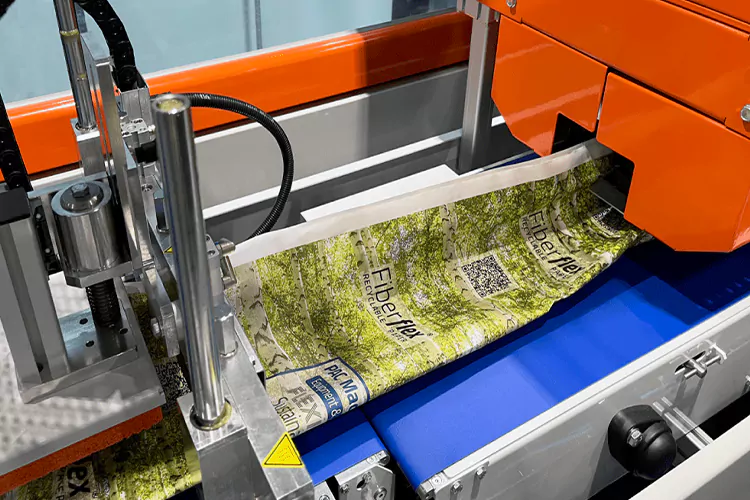
Flow wrapping is a packaging process that uses a continuous film to seal products quickly and securely. You see this method used for snacks, electronics, and many everyday items. Flow wrap packaging stands out in the industry because it delivers strong protection, attractive presentation, and efficient automation. BN PACK leads the way with advanced packaging solutions, offering you reliable options for food and specialty products.
The global flow wrapping market reached $22.0 billion in 2024 and is projected to grow to $34.16 billion by 2030, showing strong demand.
Companies choose flow wrapping for its versatility, speed, and ability to meet sustainability goals with eco-friendly materials.
Flow Wrap Packaging Process
Step-by-Step Overview
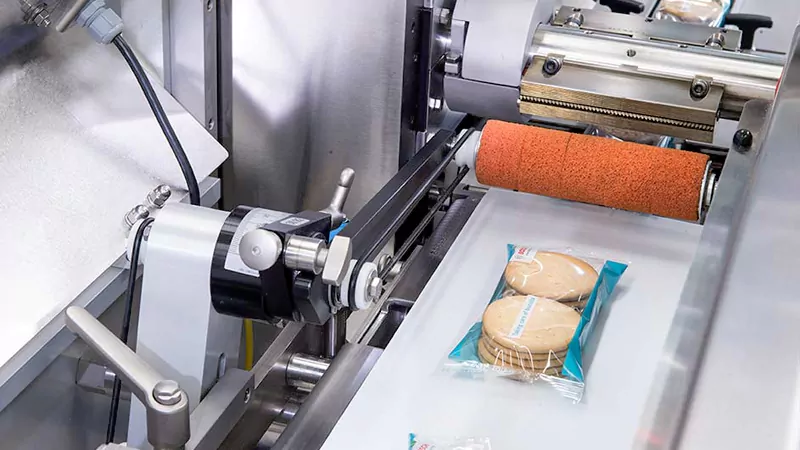
You can understand the flow wrapping process by looking at each stage in order. The horizontal flow wrapper uses a continuous film to create a sealed package around your product. This packaging process works quickly and efficiently, making it ideal for high-volume production.
Film Unwinding: The machine pulls packaging film from a roll and feeds it into the system.
Product Wrapping: The film wraps around your product, forming a tube-like enclosure.
Cross-Sealing: Sealing jaws close the edges, creating an airtight seal that protects your product.
Severing: A blade cuts the sealed tube into individual packages, ready for distribution.
You benefit from this streamlined process because it reduces manual labor and increases consistency. BN PACK specializes in automated packaging solutions, using advanced technologies to optimize every step. Many flow wrapping machines include IoT integration for real-time monitoring and advanced automation with robotic systems. These features help you maintain high output and quality, even as your business grows.
Tip: Automated flow wrapping reduces errors and keeps your packaging process running smoothly.
Machine Components
A flow wrapper machine contains several key components that work together to complete the flow wrapping process. Each part plays a specific role in ensuring your products are packaged securely and efficiently.
Component | Function |
|---|---|
Film Unwinding System | Dispenses the packaging material and maintains optimal film tension. |
Forming Assembly | Shapes the packaging material into a tube or pouch around the product. |
Product Feeding and Dosing | Accurately dispenses predefined amounts of materials into the packaging. |
Sealing Mechanism | Ensures the integrity and hermetic sealing of the packages using various sealing methods. |
Cutting System | Accurately cuts the packaging material to separate individual packages. |
Discharge Conveyor System | Facilitates the transfer of packaged products for further processing or distribution. |
Control and Monitoring System | Oversees and regulates the operation of the machine, ensuring consistent output quality. |
You rely on these components to keep your packaging process efficient. The horizontal flow wrapper uses each part to deliver secure, attractive packages. Regular maintenance helps your flow wrapping machines last longer. In the first five years, you only need basic care like changing lubricants and cleaning filters. After five years, you may replace belts or sensors. With proper attention, your machine can serve you for over a decade.
BN PACK brings expertise in automated flow wrapping, offering solutions that combine reliability and advanced technology. You can trust their systems to support your packaging goals, whether you need speed, precision, or flexibility.
Materials for Flow Wrapping

Film Types
You have many choices when it comes to flow wrap packaging materials. Each type offers unique benefits for your products. Here are some of the most common films you will find in packaging:
Polyethylene terephthalate (PET): This film is strong and clear. It protects your products and lets customers see what is inside.
Polyethylene (PE): You get flexibility and a glossy finish. PE helps keep food fresh and safe.
Polypropylene (PP): This material is clear and shiny. It works well for food, snacks, and even pharmaceuticals.
BOPP (Biaxially Oriented Polypropylene): You see this film used for candies and cookies. It is strong and has excellent clarity.
Metalized film: You can choose this for extra protection against moisture and oxygen. It also gives your packaging a premium look.
Cellophane: If you want a biodegradable option, cellophane is a good choice. It is compostable and suits artisanal products.
Poly film: Thin and transparent, poly film helps prevent contamination and extends shelf life.
BN PACK offers Food Packaging Bags made from these materials. You can select options that match your product’s needs, including eco-friendly choices like recyclable and compostable films.
Selection Factors
When you select materials for flow wrapping, you need to think about several important factors. These help you get the best results for your packaging process and product safety.
Factor | Description |
|---|---|
Coefficient of Friction | Affects how products move on the film. High friction helps loading, low friction helps sealing. |
Seal Initiation Temperature | Lower temperatures allow faster sealing and higher production rates. |
Types of Films | Each film type offers different protection and sealing strength. |
Caulkability | Good caulkability ensures airtight seals and keeps products fresh. |
End-User Experience | Easy-to-open packaging improves customer satisfaction. |
You also need to consider environmental impact. Eco-friendly films reduce plastic use and help you meet sustainability goals. These materials make recycling easier and support circular economy principles. BN PACK’s packaging solutions include recyclable, compostable, and paper-based wraps, helping you lower your environmental footprint.
Regulatory standards matter too. For food products, you must use materials that meet FDA regulations and certifications. These standards keep your packaging safe and suitable for direct contact with food.
Tip: Choosing the right flow wrap packaging materials helps you protect your products, meet safety standards, and support sustainability.
Flow Wrapping Applications
Product Types
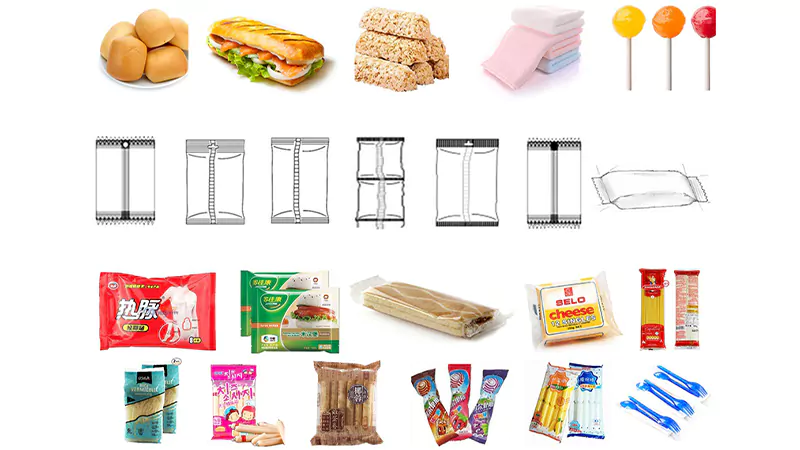
You see flow wrapping used for a wide range of packaged products. This method works well for items that need protection, freshness, and visual appeal. Most food products rely on flow wrapping because it keeps snacks, bakery items, and confectionery safe and attractive. Over 65% of food packaging operations use flow wraps. More than 70% of food manufacturers choose flow wrap for its efficiency and reduced material waste.
Bakery items
Snack bars
Fresh produce
Confectionery products
Toiletries
Pharmaceuticals
Promotional materials
You notice that flow wrapping suits both single-serve and bulk packaged products. BN PACK offers solutions for snacks, dry goods, and specialty items, helping you maintain product quality and shelf appeal. You can select packaging that fits your product’s size and shape, ensuring every item looks professional and stays protected.
Flow wrapping helps you extend shelf life and reduce spoilage, making it a smart choice for food and specialty goods.
Industries Served
You find flow wrapping in many industries because it delivers reliable packaging for diverse products. The food industry uses flow wrapping for cookies, chocolate bars, fruits, and vegetables. Pharmaceutical companies rely on it for tablets, capsules, and medical devices. Cosmetics brands use flow wrapping to package soaps, creams, and personal care items.
Industry | Primary Products Packaged | Reasons for Adoption |
|---|---|---|
Food | Cookies, chocolate bars, fruits, vegetables | Ensures freshness and quality, attractive packaging |
Pharmaceutical | Tablets, capsules, medical devices | Maintains integrity and sterility of products |
Cosmetics | Soaps, creams, personal care items | Attractive presentation, protects from damage or contamination |
You benefit from BN PACK’s global reach and versatility. The company serves clients in over 100 countries, supporting food, electronics, and specialty sectors. You can trust BN PACK to deliver packaging that meets international standards and adapts to your industry’s needs.
Flow wrapping gives you flexibility, efficiency, and strong protection for your packaged products, no matter your sector.
Benefits of Flow Wrapping
Versatility
You gain many benefits when you choose flow wrapping for your packaging needs. One major advantage is versatility. Flow wrapping adapts to a wide range of products, from candies and snack bars to bakery items and fresh produce. You can package items of different shapes and sizes with ease. This process works well for seasonal or promotional packaging changes. You can quickly adjust your packaging design or film type to match market trends or special campaigns. This flexibility helps you respond to customer demands and keep your products looking fresh on the shelf.
Flow wrapping suits products like chocolates, snack bars, bakery items, and confectionery.
You can switch packaging designs for holidays or promotions without slowing down production.
The process supports both single-serve and bulk packaging, giving you more options.
BN PACK offers custom flow wrapping services that let you choose the right film, size, and print for your brand. You get packaging that fits your product and your marketing goals.
Tip: Flow wrapping lets you update your packaging quickly for seasonal promotions or new product launches.
Efficiency
Flow wrapping delivers impressive efficiency for your business. Automated machines can package up to 350 bags per minute, and fully automatic systems reach speeds of 400 to 600 packs per minute. You save time and reduce manual labor. This process streamlines your production and helps you meet high-volume demands.
Automated flow wrapping machines boost speed and consistency.
You use less labor, which improves workplace safety and lowers costs.
Integration with other equipment makes your packaging process smoother.
Companies report better use of raw materials and fewer errors after switching to automated systems.
Machine Type | Speed (packs per minute) |
|---|---|
Semi-automatic | 80-100 |
Fully automatic | 400-600 |
You benefit from predictable maintenance schedules, which help you avoid unexpected downtime. BN PACK’s advanced systems ensure consistent product quality and reliable output. You can trust their expertise to keep your packaging process running efficiently.
Cost Factors
Flow wrapping helps you control costs and maximize your profits. Automated systems reduce labor expenses and minimize errors. You pack more products in less time, which increases your throughput. Predictable maintenance keeps your machines running smoothly and avoids costly breakdowns.
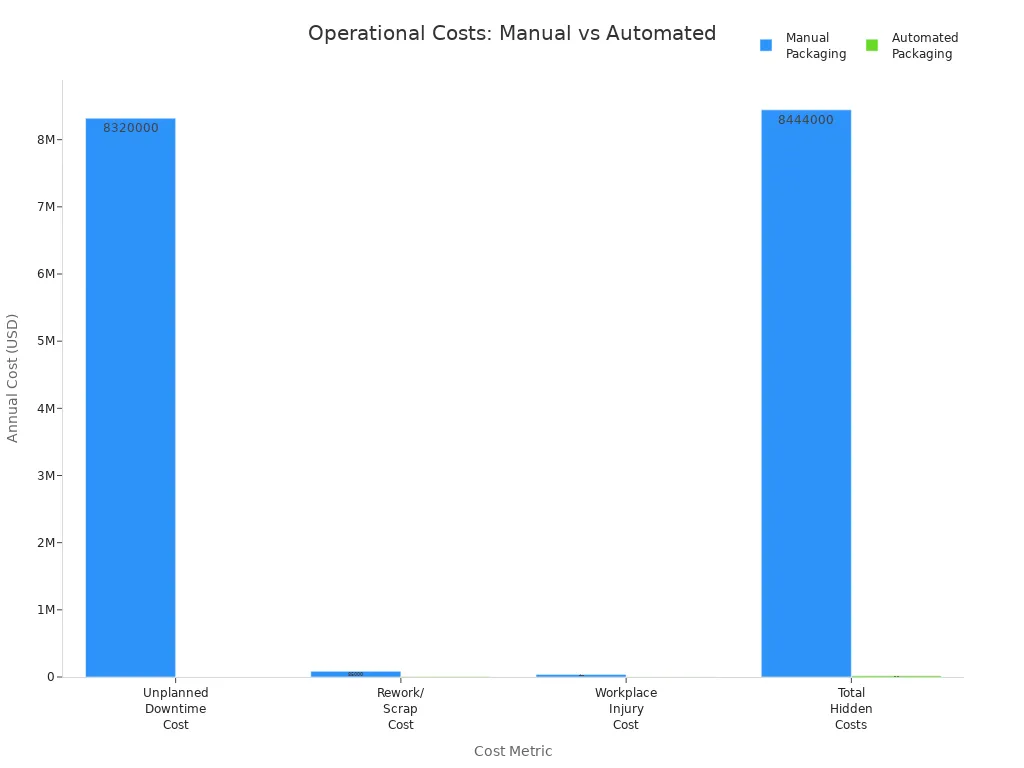
Metric | Manual Packaging | Automated Packaging | Annual Savings |
|---|---|---|---|
Unplanned Downtime Cost | 40 hours/year | 8 hours/year | $8,320,000 |
Rework/Scrap Cost | $85,000 | $8,500 | $76,500 |
Workplace Injury Cost | $39,000 | $3,900 | $35,100 |
Total Hidden Costs | $8,444,000 | $20,400 | $8,423,600 |
You see significant savings when you switch to automated flow wrapping. Lower downtime, reduced scrap, and fewer workplace injuries all contribute to lower operational costs. BN PACK’s commitment to quality and sustainability means you get packaging solutions that perform well and support your business goals.
Benefit | Description |
|---|---|
Increased Productivity | Automation reduces manual labor, allowing for faster packaging of products. |
Improved Product Protection | Flow wrapping provides protection against dust, moisture, and tampering. |
Enhanced Aesthetic Appeal | A professional film finish improves product presentation and shelf appeal. |
Cost Efficiency | Reduces packaging waste and minimizes manual intervention, lowering operational costs. |
Sustainability | Many flow wrap films are recyclable or biodegradable, supporting eco-friendly initiatives. |
You also gain branding opportunities. Flow wrap packaging allows you to print logos, product information, and eye-catching designs directly on the film. Clear packaging lets customers see your product, which increases shelf appeal and trust. BN PACK’s custom flow wrapping services help you create packaging that stands out and supports your brand image.
Flow wrapping creates a tight seal that protects against contaminants, moisture, and tampering.
The airtight barrier extends shelf life and maintains freshness, reducing food waste.
Scientific studies show that flow wrapping limits oxidation, helping bakery and snack items keep their texture and flavor longer.
Superior barrier properties protect your products and enhance their shelf life.
Many flow wrap films are recyclable or biodegradable, supporting your sustainability goals.
Note: BN PACK focuses on quality, customization, and eco-friendly solutions. You get packaging that works for your product and your business.
Packaging Methods Compared
Flow Wrapping vs. Overwrapping
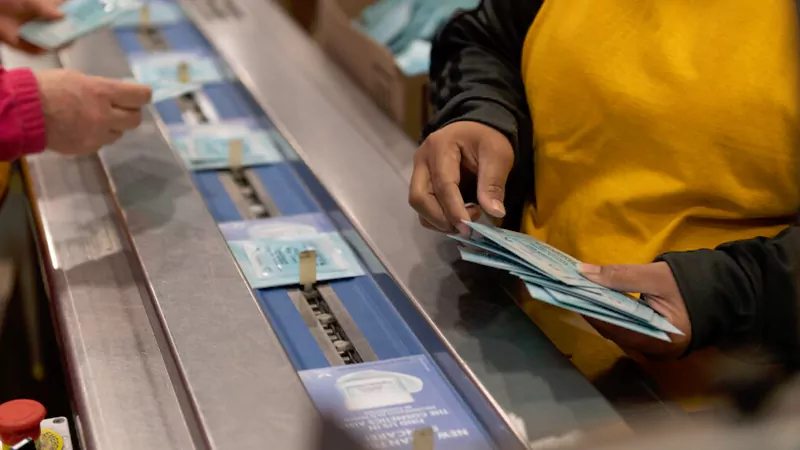
You may wonder how flow wrapping compares to overwrapping. Both methods protect products, but they suit different needs. Flow wrapping uses a continuous film to seal each item individually. You can package products of any shape, from snack bars to electronics. Overwrapping works best for items with flat sides, such as boxes or trays. This method wraps and seals groups of products, forming an envelope around them.
Aspect | Flow Wrapping | Overwrapping |
|---|---|---|
Product Compatibility | Accommodates products of all shapes | Suitable only for products with flat sides (boxes, cartons, trays) |
Process Description | Involves multiple steps including sealing and cutting for individual packets | Involves wrapping and sealing with heat sealable film, forming envelopes |
End Result | Protects products from damage and degradation | Combines multiple packages into a single unit for easier storage and delivery |
Flow wrapping gives you flexibility for single items, while overwrapping helps you bundle products for storage or transport.
Flow Wrapping vs. Shrink Wrapping
You also need to compare flow wrapping with shrink wrapping. Both methods use film, but the results differ. Flow wrapping creates a tight, finished look and works well for high-speed production. Shrink wrapping uses heat to shrink the film around products, which is ideal for bundling irregular shapes.
Feature | Flow Wrapping | Shrink Wrapping |
|---|---|---|
Cost | Tends to be cheaper at high volumes | Can be pricier |
Efficiency | Offers versatility and good shelf life | Excellent for bundling and irregular shapes |
Appearance | More finished appearance | Less finished appearance |
Flow wrap packaging often costs less and looks more polished, especially for retail products.
Choosing the Best Solution
You should consider several factors before choosing a packaging method. Start by assessing your product’s shape, size, and fragility. High-speed production favors flow wrapping, while bulk packaging may benefit from shrink wrapping. Your marketing goals matter too. If you want strong shelf appeal and branding, flow wrapping offers clear visibility and custom printing.
Assess the shape, size, and fragility of your products.
Evaluate production volume and speed requirements.
Consider marketing objectives and product visibility.
Compare costs related to equipment, materials, and labor.
BN PACK provides flexible solutions to match your needs. You can select flow wrapping for speed and versatility or choose overwrapping and shrink wrapping for specific product types. Always match your packaging process to your business goals for the best results.
You gain reliable protection, speed, and flexibility when you choose flow wrap packaging for your products. BN PACK helps you customize solutions that fit your needs and support your brand. Before you start, consider these important factors:
Product size range
On-site training for operators
Local parts availability
Ongoing technical support
Assigning a lead operator
New trends shape flow wrap packaging and make it even more valuable for your business.
Trend | Description |
|---|---|
Biodegradable and recyclable wrappers | |
Smart Packaging | Sensors for product tracking |
AI & Automation | Machine learning for precision and uptime |
Modular Equipment | Easy upgrades and customization |
Compact Designs | Fits smaller spaces |
Energy Efficiency | Low energy use for sustainability |
Remote Monitoring | Cloud-based controls for maintenance |
You can improve efficiency and shelf appeal with flow wrap packaging. Take the next step and explore how BN PACK can help you reach your packaging goals.