
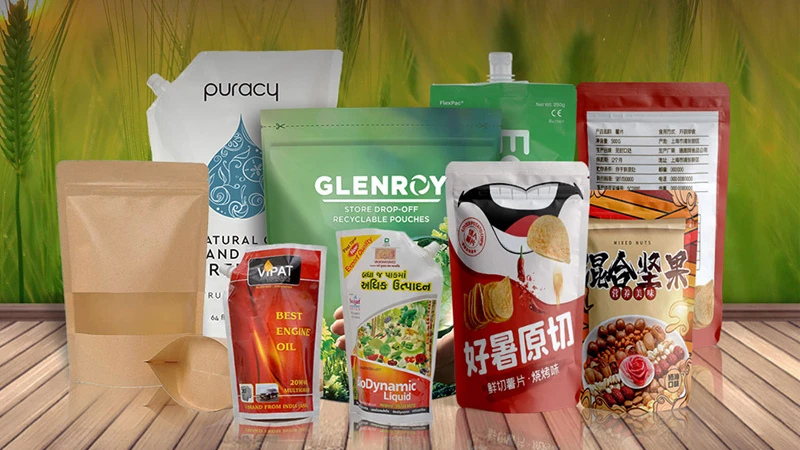
Innovative packaging materials now play a crucial role in transforming how the world approaches food safety and environmental responsibility. Companies like BN Pack lead the way with flexible, smart, and sustainable solutions that protect products and extend shelf life. Recent advances include compostable, plant-based, and edible materials, as seen in the table below:
Category | Materials | Applications and Benefits |
|---|---|---|
Compostable | Cornstarch Paper | Lightweight, protective, naturally decomposes |
Plant-based | Bamboo, Cornstarch, Mushroom roots, Seaweed | Rigid/flexible packaging, compostable, lowers carbon use |
Edible | Polysaccharides, Proteins | Fruit/vegetable coatings, extends shelf life |
Sustainable innovations, such as antimicrobial films and humidity-adjustable hydrogels, enhance preservation and reduce environmental impact.
The shift from traditional plastics to eco-friendly materials addresses pollution while supporting longer-lasting, safer foods.
Material Trends
Biodegradable Options
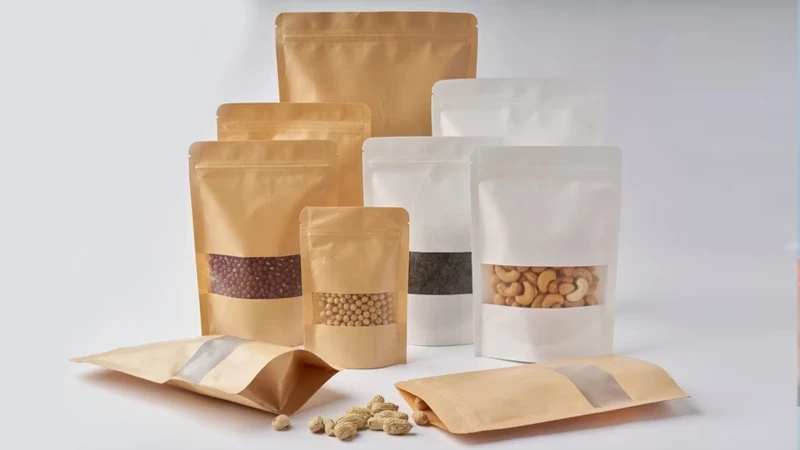
Biodegradable packaging materials have gained significant traction in the food industry. Companies like BN Pack utilize biodegradable polymers such as PLA and starch-based films, which break down naturally and reduce landfill waste. These materials, including proteins, polysaccharides, and cellulose, offer strong barriers against moisture and oxygen. This helps extend shelf life and minimize food spoilage. Starch-based materials, in particular, hold a large share of the bio-based plastics market due to their excellent oxygen barrier properties. BN Pack’s biodegradable solutions meet strict food-grade safety standards and decompose quickly under proper conditions, supporting both environmental and regulatory goals.
Biodegradable packaging not only reduces environmental impact but also ensures safer food contact by avoiding harmful chemicals.
Edible and Compostable Types
Edible and compostable packaging represents a new frontier in sustainable design. BN Pack offers options like rice paper and PLA films, which are both compostable and safe for direct food contact. Edible packaging, made from polysaccharides and proteins, can serve as coatings for fruits and vegetables, extending freshness. Seaweed-based and protein-based films provide excellent moisture and oxygen barriers, making them suitable for moisture-sensitive foods. Regulatory agencies, such as the FDA, oversee these materials to ensure food safety. Consumer acceptance continues to grow as awareness of environmental benefits increases.
Packaging Type | Benefits | Food Safety & Regulation |
|---|---|---|
Seaweed-based | Biodegradable, nutrient-rich, strong barrier | FDA regulated, suitable for sensitive foods |
Protein-based | Flexible, transparent, good mechanics | Must comply with food safety laws |
Starch-based | Compostable, good barrier | Requires ongoing safety compliance |
Recyclable and Reusable Choices
Recyclable and reusable packaging options are in high demand. BN Pack’s flexible packaging includes mono-material polypropylene films that enable curbside recycling and reduce carbon emissions. Despite the recyclability of many plastics, most food packaging still ends up in landfills due to economic and logistical barriers. However, consumer demand for recyclable and reusable packaging continues to rise. Nearly half of U.S. consumers avoid products with excessive packaging, and a majority prefer refillable or recyclable options. BN Pack’s solutions align with these trends, offering certified recyclable materials that support circular economy principles.
Mono-material films simplify recycling processes.
Reusable packaging reduces single-use waste.
Certifications ensure compliance with global recycling standards.
Bio-Based and Plant-Based Materials
Bio-based and plant-based packaging materials, such as Kraft paper, rice paper, and PLA, are derived from renewable resources. BN Pack’s paper-based options combine natural aesthetics with strong protective qualities. Scientific studies show that bio-based packaging can maintain food quality and safety, providing good moisture barriers and mechanical strength. These materials also reduce reliance on fossil fuels and support sustainability initiatives. As the industry shifts toward plant-based solutions, BN Pack remains at the forefront, offering packaging that balances performance, safety, and environmental responsibility.
Smart Packaging

Smart packaging technologies are transforming the way companies protect food and ensure quality from production to consumption. These innovations combine active and intelligent features to monitor, preserve, and communicate the condition of food products.
Sensors and Indicators
Sensors and indicators play a vital role in detecting spoilage and contamination. They monitor gases such as oxygen, carbon dioxide, and ammonia, which signal changes in food quality. Time-temperature indicators (TTIs) track temperature history, helping identify if products have experienced unsafe conditions. Gas sensors use advanced materials like graphene and carbon nanotubes to detect spoilage gases in real time. These devices often display visible color changes or send electronic signals, alerting handlers to potential risks. Studies show that sensors can detect ammonia at concentrations as low as 5 ppm, offering rapid and sensitive results. However, challenges remain in achieving high accuracy and cost-effectiveness for widespread commercial use.
Over half of consumers now accept smart packaging, especially for dairy and meat products, reflecting growing trust in these technologies.
Antimicrobial Features
Antimicrobial packaging actively inhibits the growth of harmful microorganisms. Companies incorporate agents such as essential oils, metal nanoparticles, and biopolymers like chitosan into packaging films. These materials gradually release antimicrobial substances onto the food surface, extending shelf life and maintaining quality. For example, nanomaterial-based agents provide a high surface area, making them more effective against pathogens. Real-world applications show that antimicrobial films can reduce microbial counts and delay spoilage, supporting Food Safety efforts across the supply chain.
Antimicrobial Feature | Mechanism / Description | Effectiveness / Outcome |
|---|---|---|
Active antimicrobial films | Gradual release to food surface | Inhibits microbial growth, extends shelf life |
Nanomaterials in biopolymers | Enhanced pathogen inhibition | More effective than traditional materials |
Chitosan biopolymer | Natural antimicrobial action | Inhibits pathogens, extends storage life |
Modified Atmosphere Methods
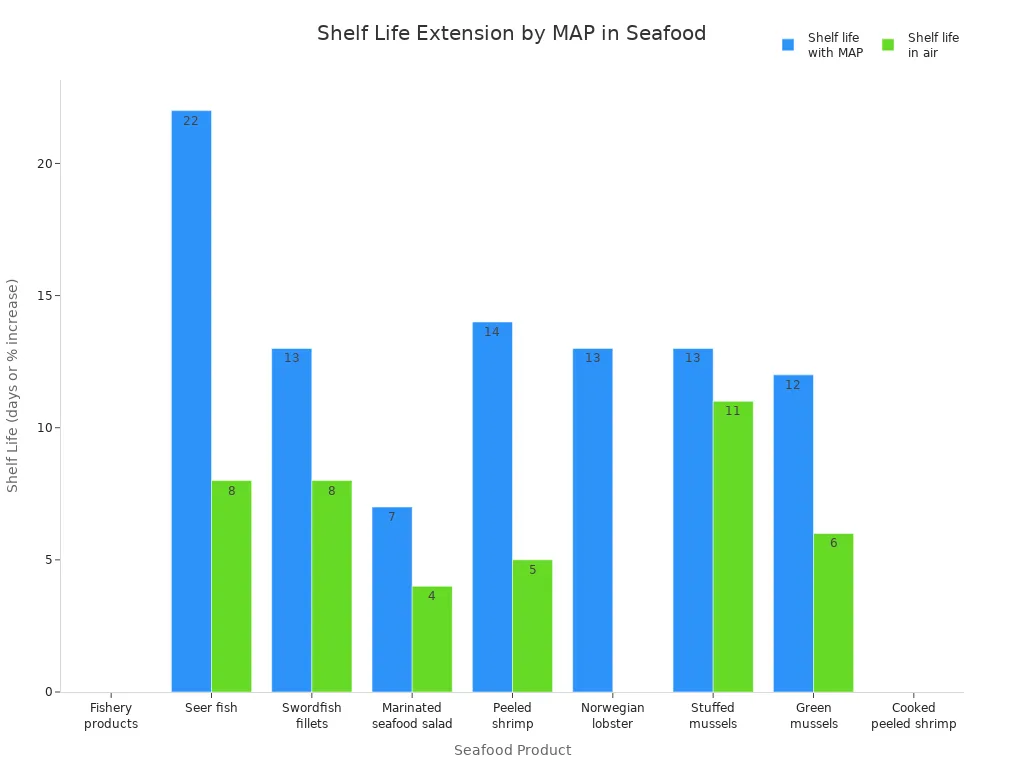
Modified atmosphere packaging (MAP) changes the composition of gases inside the package to slow spoilage and extend freshness. By adjusting levels of oxygen, carbon dioxide, and nitrogen, MAP suppresses microbial growth and preserves sensory qualities. This method has proven highly effective for perishable foods like seafood, meat, and dairy. For instance, MAP can extend the shelf life of fishery products by up to 250% compared to standard air packaging. Combining MAP with natural antimicrobials, such as essential oils, further enhances preservation.
Smart packaging technologies continue to advance, driven by regulatory demands and consumer expectations for safer, longer-lasting foods.
Food Safety Impact
Chemical Migration Concerns
Innovative food packaging materials offer many benefits, but they also introduce new chemical migration concerns. Plastics, recycled materials, and bio-based films can release substances such as bisphenol A (BPA), phthalates, heavy metals, and plasticizers into food. Migration depends on factors like the type of packaging, food composition, temperature, and storage time. Fatty or acidic foods, for example, can increase the transfer of certain chemicals. Regulatory bodies, including the U.S. FDA and the European Food Safety Authority (EFSA), set strict standards for food contact materials. These regulations establish specific migration limits and require rigorous testing to ensure consumer safety.
BN Pack addresses these concerns by selecting high-quality, food-grade materials and using advanced barrier technologies. Their flexible packaging solutions, such as multi-layer composites and certified biodegradable films, help minimize the risk of chemical migration. By following international standards and conducting thorough risk assessments, BN Pack ensures that their packaging maintains food integrity and supports Food Safety throughout the supply chain.
Note: The Packaging and Packaging Waste Regulation (PPWR) in Europe now requires all packaging to be recyclable by 2030 and restricts certain plastics, further driving the adoption of safer packaging designs.
Shelf Life Extension
Modern packaging materials play a vital role in extending the shelf life of food products. Biodegradable bio-based films, such as those made from polysaccharides or chitosan, provide strong barriers against moisture and oxygen. These properties help reduce spoilage and food waste. For example, vacuum packaging can keep food fresh for up to 140 days at low temperatures, maintaining both sensory quality and microbial stability. Modified atmosphere packaging (MAP) adjusts the levels of oxygen and carbon dioxide inside the package, slowing down the growth of spoilage organisms and preserving taste and texture.
Packaging Material/Technology | Shelf Life Contribution | Observed Results |
|---|---|---|
Vacuum Packaging | Maintains quality and stability during chilled storage | Up to 140 days without spoilage |
Modified Atmosphere Packaging (MAP) | Inhibits pathogen growth, preserves eating quality | Enhanced safety and shelf life |
Edible Chitosan Coating | Inhibits microbes, improves storage at room temperature | Comparable to vacuum packaging in quality retention |
Biodegradable Bio-based Films | Reduces spoilage, environmentally friendly | Supports food waste reduction |
BN Pack’s advanced composite structures, such as plastic-aluminum foil laminates and high-barrier paper-based options, further protect against moisture, oxygen, and light. These materials help maintain product freshness and extend shelf life, supporting Food Safety and reducing the risk of spoilage during transport and storage.
Contamination Prevention
Preventing contamination remains a top priority in food packaging innovation. Intelligent packaging systems now use sensors and indicators to monitor food condition in real time. These technologies alert handlers and consumers to spoilage or contamination risks. Smart labels with NFC and RFID track products throughout the supply chain, ensuring traceability and rapid response to potential issues.
Active packaging solutions, such as those offered by BN Pack, use antimicrobial agents, oxygen scavengers, and moisture absorbers to inhibit the growth of harmful microorganisms. For example, biopolymer films enhanced with polyphenols or nanofillers can release bioactive compounds that prevent microbial contamination. Irradiation treatments, like low-energy X-ray or gamma rays, further improve the antimicrobial properties and mechanical strength of packaging films.
Intelligent sensors provide real-time spoilage alerts.
Modified atmosphere packaging slows deterioration by controlling gas levels.
Active packaging with antimicrobial agents extends shelf life and reduces foodborne illness risks.
BN Pack’s commitment to Food Safety is evident in their use of certified, high-barrier materials and innovative packaging technologies. These solutions help maintain product integrity, prevent contamination, and ensure that food reaches consumers in optimal condition.
Real-World Applications
Industry Use Cases
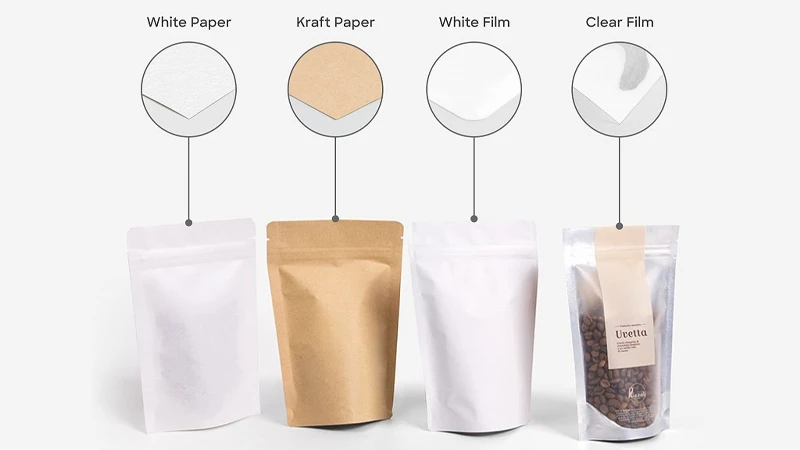
Many food and beverage companies now rely on innovative packaging to solve real-world challenges. BN Pack’s flexible packaging materials have supported brands in extending shelf life and reducing waste. Companies use smart packaging with sensors and indicators to monitor food condition, which helps prevent spoilage and contamination. Modified atmosphere packaging adjusts gas levels inside packages, keeping products like seafood and meat fresh for longer periods. Edible packaging made from natural ingredients, such as rice paper, reduces single-use plastic waste and offers convenience by eliminating the need for unwrapping. Businesses also use compostable materials like bamboo and birchwood for cups and cutlery, providing sustainable alternatives to traditional plastics.
Smart packaging monitors freshness and reduces spoilage.
Edible and compostable packaging cuts down on single-use waste.
Modified atmosphere packaging extends product shelf life.
Upcycled and recycled materials lower costs and appeal to eco-conscious consumers.
Retail and Supply Chain
Retailers and supply chain managers benefit from advanced packaging in several ways. Technologies like RFID and QR codes enable real-time tracking of products, improving transparency and recall efficiency. Smart labels and sensors provide data on temperature and humidity, ensuring products remain safe during transport and storage. Cloud-based solutions and digital tracking help optimize inventory and reduce losses. Packaging innovations also support regulatory compliance and sustainability goals, making it easier for companies to meet strict standards. Collaboration between packaging providers and brand managers enhances marketing and merchandising, driving retail success.
RFID and QR codes improve product tracking and recall.
Sensors monitor conditions to maintain product quality.
Digital solutions increase efficiency and reduce costs.
Sustainable packaging supports brand reputation and compliance.
Consumer Benefits
Consumers experience many advantages from innovative food packaging. Reduced spoilage and extended shelf life help families waste less food. Easy-to-use, resealable packaging improves convenience and keeps products fresh after opening. Clear labeling and smart packaging technologies provide information about freshness and safety. Portion control packaging helps reduce leftovers, while compostable and recyclable materials support environmental responsibility. Attractive designs and stackable containers make storage easier and enhance the overall experience.
Extended shelf life and reduced spoilage
Improved convenience with resealable and easy-open features
Better food presentation and clear product information
Portion control to minimize waste
Enhanced Food Safety and traceability
Challenges and Future
Scalability and Cost
Manufacturers face complex challenges when scaling up innovative food packaging materials. Many sustainable and recycled plastics do not match the protective qualities of traditional plastics. Companies must invest heavily in research and development to improve these materials. Regulatory approvals add time and cost, slowing the pace of innovation. Raw material prices, such as polyethylene and polypropylene, have surged due to global supply chain disruptions. These increases compress profit margins and delay production. Companies also spend more on compliance and digital upgrades to remain competitive.
Challenge Area | Description | Associated Costs and Impacts |
|---|---|---|
Balancing Functionality, Cost, and Sustainability | Creating packaging that meets shelf life, protection, convenience, and sustainability goals is complex. | Sustainability initiatives increase packaging costs by 9-17%; 67% of initiatives compromise performance. |
Supply Chain Volatility and Raw Material Costs | Raw material prices (e.g., polyethylene, polypropylene) surged 15-20% due to geopolitical and logistic issues. | Profit margins compressed by 3.7 percentage points; 62% of manufacturers face production delays. |
Food Safety and Regulatory Compliance | Increasing regulations on PFAS, phthalates, microplastics; testing requirements up 52%; penalties up 78%. | Compliance costs now 3.2% of operational expenses; recalls increased 23% year-over-year. |
Digital Transformation and Industry 4.0 Gaps | Low adoption of smart factory tech (41%); digital laggards have lower productivity and higher quality issues. | Digitally mature firms report 42% higher margins and 31% fewer quality issues; digital gaps reduce profitability. |
Additional Costs | Investments needed in R&D, advanced testing, digital tech, supply chain diversification to overcome challenges. | Increased cost structure; risk of fines (2-4% of revenue), market share loss, and production delays if unaddressed. |
Consumer Acceptance
Consumer acceptance of new packaging materials varies by region and demographic. In Canada, clear environmental claims and labels increase trust and perceived quality. South African consumers rely on packaging color and images to identify eco-friendly options, but many lack detailed knowledge. Younger buyers often care about sustainability but hesitate to sacrifice product quality. In the U.S., nearly half of shoppers will pay 1-3% more for fresh foods in sustainable packaging, while in the U.K., over 80% prefer eco-friendly options and worry about excess packaging.
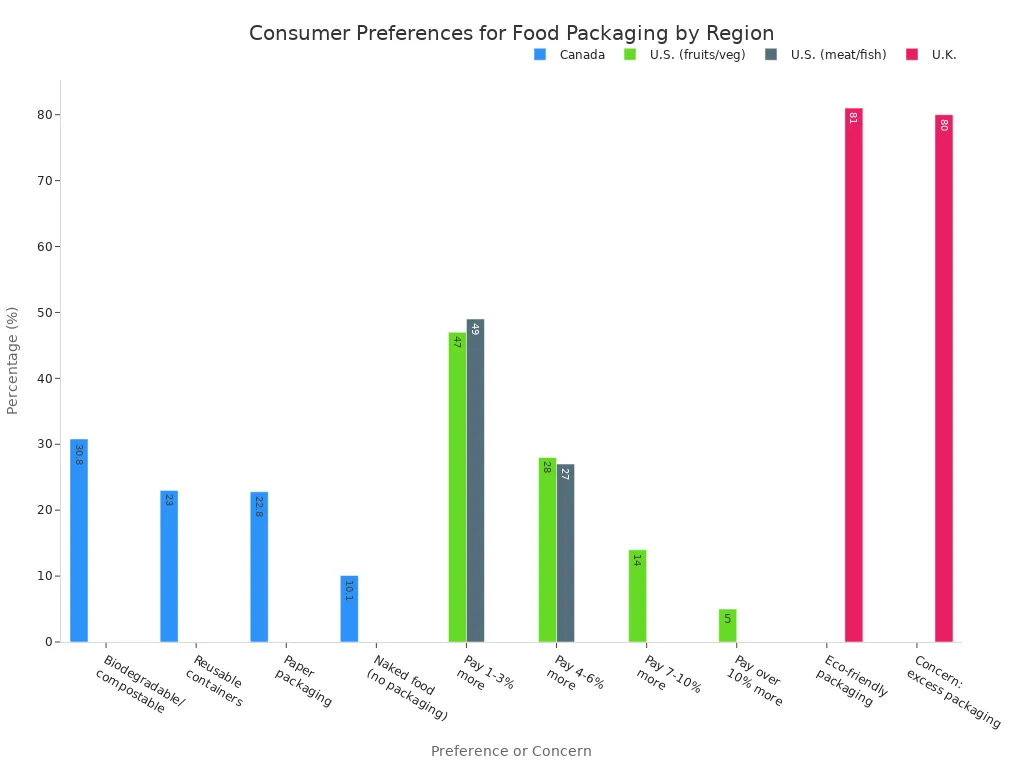
Clear labeling, regional regulations, and environmental awareness all shape consumer choices. Brands must balance sustainability with performance to meet these expectations.
Regulations
Regulatory hurdles present ongoing challenges for packaging innovation. Companies must adapt to evolving safety and consumer protection standards. They need to understand and comply with different laws in each region, such as FDA rules in the U.S. and EFSA standards in Europe. Substance restrictions and bans require companies to phase out hazardous chemicals quickly. Transparency and traceability in supply chains are essential but difficult to maintain. Rigorous testing and documentation demand significant resources.
Companies monitor and update materials to meet new standards.
They manage global differences in regulations with flexible strategies.
They phase out restricted substances promptly.
They ensure transparency and traceability in supply chains.
They document compliance through testing and certification.
They meet consumer expectations for safe and sustainable packaging.
Digital tools, such as real-time data tracking and automated quality checks, help companies stay compliant and efficient.
Future Innovations
The future of food packaging will focus on sustainability, technology, and circular supply chains. Companies will use active packaging, such as oxygen scavengers and antimicrobial films, to extend shelf life. Automation and robotics will improve efficiency and reduce errors. Digital printing and augmented reality will allow brands to personalize packaging and engage consumers. Stricter regulations will require clearer labeling and more sustainable materials. Circular supply chains will promote reuse, recycling, and reduced waste. Companies will adopt deposit-and-return systems, in-store refilling, and home pickup for used packaging. These changes will reduce food waste, enhance brand value, and support long-term profitability.
Innovative packaging materials continue to shape the future of food safety and sustainability. Ongoing research drives breakthroughs in biodegradable polymers, plant-based fibers, and smart packaging technologies.
Industry, academia, and regulators collaborate to improve performance, cost-effectiveness, and safety.
Partnerships with suppliers and retailers streamline adoption of sustainable solutions and encourage consumer participation.
BN Pack’s advanced packaging options help brands meet evolving standards and support a safer, more sustainable food system.
FAQ
What are the main benefits of using BN Pack’s flexible packaging materials?
BN Pack’s flexible packaging materials protect food, extend shelf life, and support sustainability. These materials offer strong barriers against moisture and oxygen. Brands can choose from recyclable, compostable, and plant-based options to meet safety and environmental goals.
How does smart packaging improve food safety?
Smart packaging uses sensors and indicators to monitor freshness and detect spoilage. These technologies alert handlers and consumers to potential risks. They help prevent contamination and ensure food reaches customers in optimal condition.
Are biodegradable packaging materials safe for direct food contact?
Yes. Biodegradable packaging materials from BN Pack meet strict food-grade standards. Regulatory agencies test these materials for safety. They do not release harmful chemicals into food and decompose naturally after use.
Can consumers recycle BN Pack’s packaging at home?
Many BN Pack packaging options use mono-material films that support curbside recycling. Consumers should check local recycling guidelines. Proper sorting ensures materials enter the recycling stream and support a circular economy.
What role do antimicrobial features play in packaging?
Antimicrobial features inhibit the growth of harmful microorganisms on food surfaces. These features extend shelf life and reduce spoilage. They help maintain food quality and safety throughout storage and transport.