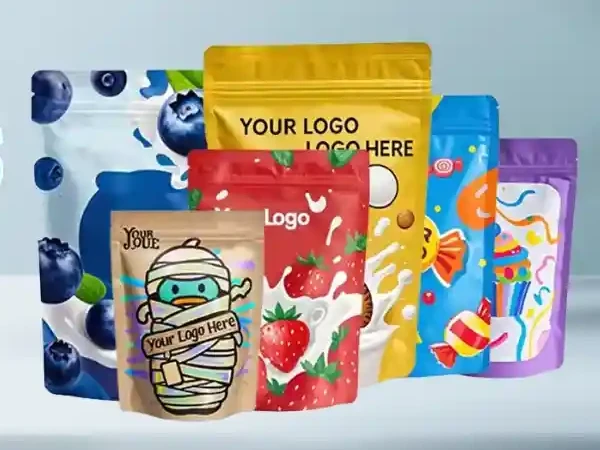
If you wonder whether Mylar is recyclable, the answer is not simple. Most curbside recycling programs do not accept Mylar bags. This happens because Mylar bags usually have multiple layers—plastic and a thin metallic layer—combined in a way that recycling machines cannot separate. Many Mylar bags also lack clear recycling codes, which makes sorting difficult. You might feel confused by symbols on packaging or unclear labels, leading to common mistakes about what belongs in the recycling bin. In this post, you will find clear advice and eco-friendly options to help you make informed choices.
What Is Mylar?
Mylar Material
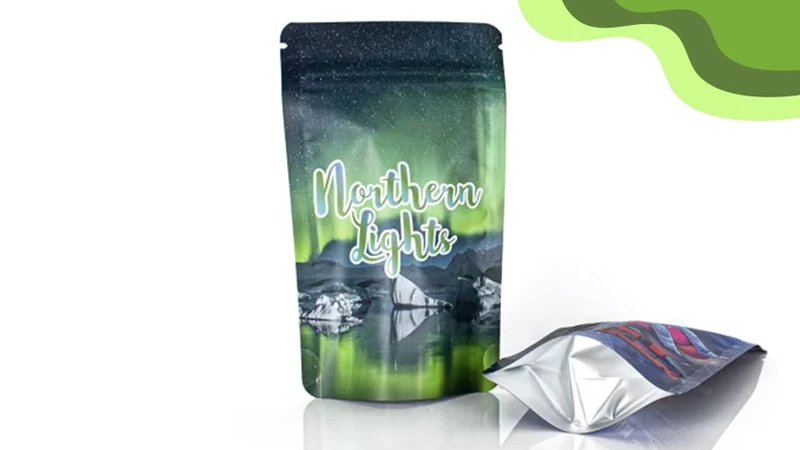
You may have seen shiny, flexible packaging or balloons and wondered what makes them so special. Mylar is a polyester film made from stretched polyethylene terephthalate, or PET. Manufacturers create this material by melting PET, forming it into a thin film, and stretching it in two directions. This process, called biaxial orientation, gives Mylar its strength and stability. Unlike many plastics, Mylar does not contain plasticizers or harmful chemicals like phthalates, making it safe for direct food contact.
Note: Mylar stands out because it resists chemicals, holds its shape, and blocks moisture and gases. These features make it a top choice for packaging that needs to keep products fresh.
Some Mylar films include a thin metallic layer, usually aluminum. This metallic coating boosts the film’s ability to reflect light and block oxygen, which helps protect sensitive products. For example, BN Pack’s Custom Mylar Bags for Food use these advanced materials to keep food fresh and safe for longer periods.
Common Uses
You will find Mylar in many industries because of its unique properties. Here are some of the most common uses:
Food packaging: Mylar bags and pouches keep snacks, coffee, and dried foods fresh by blocking air and moisture.
Electrical insulation: Mylar films protect wires and electronic parts from heat and electricity.
Long-term storage: Mylar bags are popular for emergency food storage and military rations.
Healthcare: Mylar is used in medical packaging and equipment.
Flexible electronics: The film serves as a base for displays and circuits.
Industrial uses: Mylar appears in labels, ID cards, and protective barriers.
Mylar’s strength, flexibility, and barrier properties make it a reliable choice for both everyday and specialized applications.
Mylar Recycling Challenges
Mixed Materials
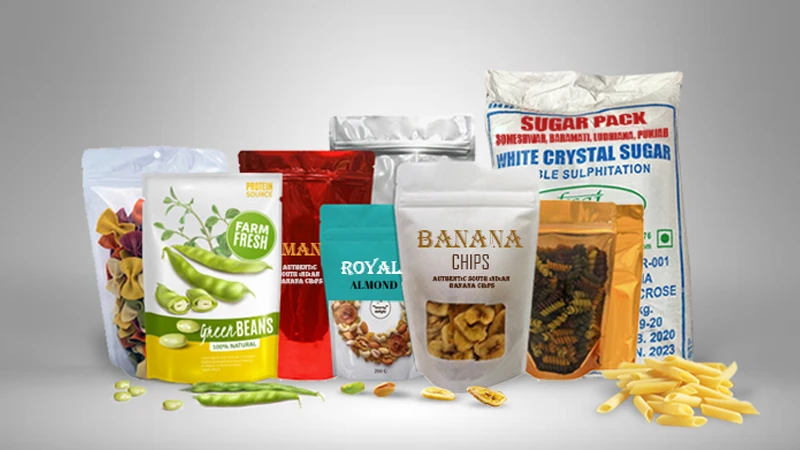
When you look at a Mylar bag, you see a shiny, flexible package. What you do not see is the complex structure inside. Mylar bags use several layers fused together. Usually, a plastic layer bonds tightly with a thin metallic foil. This design keeps food fresh and blocks out air and moisture. However, it also creates a big problem for recycling.
Most recycling centers want materials that are easy to separate. Monolayer packaging, made from just one type of plastic, fits this need. Mylar bags, on the other hand, have a multi-layered structure. The plastic and metal layers stick together so well that machines cannot pull them apart. This fusion makes recycling either impossible or too expensive for most facilities. The flimsy plastic can also get tangled in recycling equipment, causing delays and damage.
Note: Mylar bags, even though they look simple, have a construction that makes recycling very difficult. This complexity means most centers cannot process them.
Facility Limitations
You might wonder why recycling centers cannot handle Mylar products. The answer comes down to technology and cost. Most centers do not have the special machines needed to separate plastic from metal. The metallic coating in Mylar blocks standard recycling processes. Removing these layers requires advanced methods like thermal depolymerization or solvent-based recycling. These methods use a lot of energy and money, so most places do not use them.
Here are some reasons why most recycling centers reject Mylar:
Mylar products combine plastic (PET) and a thin aluminum layer.
The metallic coating prevents easy separation during recycling.
Most municipal centers lack the tools for metalized plastic and nylon layers.
Specialized separation methods are costly and rare.
Advanced recycling technologies exist but are not common.
In theory, you could recycle Mylar if you had the right equipment. In practice, almost no centers accept it. The actual recycling rate for Mylar is close to zero. Most Mylar bags end up in landfills, even though they could be recycled with better technology.
When you compare Mylar to other flexible packaging, you see more challenges. Some flexible packages use only one material or paper, making them easier to recycle or compost. Mylar offers great protection for food, but this comes at the cost of more complex recycling. Newer packaging options focus on using single materials or compostable layers to improve recyclability.
Mylar Recycling Solutions
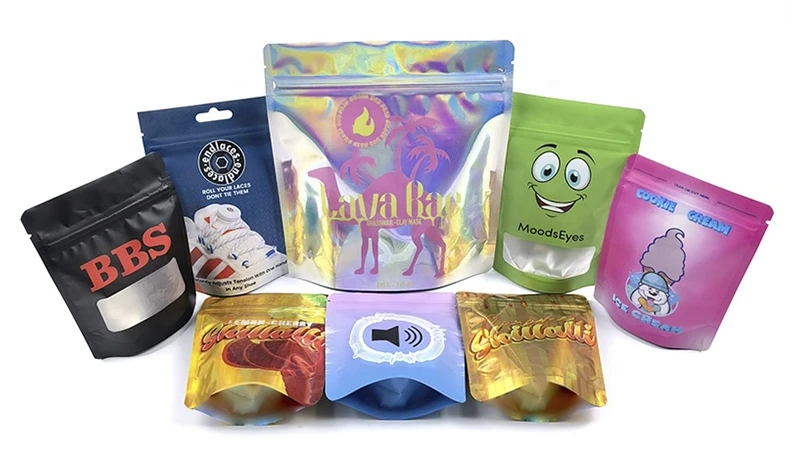
Specialized Programs
You might feel frustrated when you see that most recycling centers do not accept Mylar bags. However, some specialized programs offer hope for recycling these tough materials. TerraCycle stands out as a leader in this area. You can join their chip bag recycling program for free. TerraCycle has collected millions of chip packets and recycled nearly 70,000 pounds of PET hop pellet bags, which are similar to Mylar products. This shows real progress in handling materials that usually end up in landfills.
Note: While TerraCycle and similar programs help reduce waste, they face challenges. High shipping and disposal costs make it hard to recycle every bag. Some collected bags still go to landfills or get sent abroad for incineration. The exact success rate remains unclear, so these programs offer only a partial solution. You should check if a program accepts your specific type of Mylar bag before sending it in.
Newer Eco-Friendly Mylar Bags
You have more choices today if you want to reduce your environmental impact. New technologies and materials now make it possible to create Mylar alternatives that are easier to recycle or even compost. Companies like BN Pack lead the way by offering eco-friendly packaging options. You can choose from recyclable, biodegradable, and compostable Mylar bags that protect your food and help the planet.
Compostable materials such as polylactic acid (PLA) and special polymers break down fully in composting environments. They leave no toxic residue behind.
Advanced polymer blends and film structures balance strength with compostability. Your food stays fresh, and the bag disappears safely after use.
New manufacturing techniques, like multi-layer lamination and improved sealing, keep bags durable while making them sustainable.
These innovations support a circular economy. They use bio-based materials, lower carbon footprints, and improve recyclability.
Eco-friendly Mylar bags offer clear benefits over traditional ones:
They reduce plastic waste and lower landfill accumulation.
Their production and recycling use less energy, which means fewer carbon emissions.
Recyclable bags are less likely to pollute oceans because you can process them into new products.
Kraft Mylar bags use renewable kraft paper. They are biodegradable, lightweight, and durable. You save on shipping costs and reduce your carbon footprint.
These bags keep food fresh by blocking oxygen and moisture, just like traditional Mylar, but with less environmental harm.
You might wonder about the differences between biodegradable, compostable, and recyclable Mylar bags. The table below helps you compare:
Aspect | Biodegradable | Compostable | Recyclable |
|---|---|---|---|
Breakdown Process | Natural degradation by microorganisms; no set time frame or toxicity guarantee | Breaks down within 90-180 days into nutrient-rich soil; meets ASTM D6400 and D6868 standards | Processed to be reused or downcycled; does not biodegrade |
Environmental Impact | May release toxins; vague claims; can contaminate compost | Produces non-toxic compost that enriches soil; regulated and tested | Reduces landfill waste but plastic quality degrades over time |
Disposal Method | No certification; often ends in landfill | Requires industrial or home composting facilities | Requires proper recycling infrastructure |
Relation to Mylar Bags | Typically not biodegradable unless specially designed | Generally not compostable unless certified | Usually recyclable as plastic-based material |
Certification & Testing | None standardized | Must pass strict tests including seed germination trials | Depends on local recycling capabilities |
Tip: Compostable packaging breaks down quickly and enriches soil, but you need access to composting facilities. Recyclable packaging reduces waste but depends on local recycling systems. Biodegradable claims can be confusing, so look for certified products.
BN Pack’s Custom Mylar Bags for Food give you the flexibility to choose the right eco-friendly option for your needs. You can select recyclable, biodegradable, or compostable materials and still enjoy the same high-quality protection for your products.
Responsible Disposal
Best Practices
You can help protect the environment by following simple steps when disposing of Mylar bags and balloons. These items do not break down easily and can harm wildlife if not handled properly. Here is a step-by-step guide to responsible disposal:
Reuse whenever possible: Clean Mylar bags with warm, soapy water and let them dry completely. You can reuse them for storage or packing.
Check for damage: Inspect bags for holes or tears. If you find any, place the damaged bags in the trash since most recycling centers do not accept them.
Deflate and cut balloons: Always deflate Mylar balloons fully. Cut them into small pieces before throwing them away to prevent harm to animals.
Avoid balloon releases: Never release balloons outdoors. They can travel far, pollute natural areas, and pose serious risks to birds and marine life.
Look for recycling programs: Some specialized programs, like TerraCycle, accept Mylar products. Check if your local area or manufacturer offers take-back options.
Store properly: Keep reusable bags in a cool, dry place to extend their life.
Tip: Latex balloons break down faster than Mylar, but you should still pop and shred them before composting or disposal.
Alternatives
You have many sustainable options if you want to reduce your environmental impact. Modern packaging offers choices that balance product protection with eco-friendliness. Here are some alternatives to traditional Mylar bags:
PCR Mylar bags: Made from post-consumer recycled materials, these bags help reduce plastic waste.
Monomaterial bags: These use a single type of plastic, making them easier to recycle through store drop-off programs.
Compostable bags: Created from plant-based materials, these break down in composting environments.
Contempure bags: Designed to degrade faster in landfills, they help lower long-term pollution.
Other materials: Consider FSC-certified paper, hemp, bamboo, or glass for packaging. These materials offer renewable and reusable options.
BN Pack supports your sustainability goals by offering recyclable, biodegradable, and compostable packaging solutions. You can choose the best fit for your product and help reduce landfill waste.
Packaging Type | Sustainability Benefit | Disposal Method |
|---|---|---|
PCR Mylar Bags | Reduces plastic waste | Store drop-off |
Compostable Bags | Breaks down in compost | Compost facility |
Monomaterial Bags | Easier to recycle | Store drop-off |
FSC Paper/Hemp/Bamboo | Renewable, biodegradable | Compost or recycle |
Choosing reusable decorations and sustainable packaging helps protect wildlife and keeps our planet cleaner.
You now know that Mylar is tough to recycle because it combines plastic and metal layers. Most recycling centers cannot process it, so you should reuse bags when possible and look for eco-friendly options. Choose recyclable or compostable packaging to help reduce waste. Support brands that invest in sustainable materials. Stay informed about new recycling programs and packaging trends to make better choices for the environment.
FAQ
Can you put Mylar bags in your curbside recycling bin?
You should not put Mylar bags in your curbside recycling bin. Most recycling centers cannot process them because of their mixed materials. Always check with your local recycling program before disposing of any flexible packaging.
How can you tell if a Mylar bag is recyclable?
Look for recycling symbols or instructions on the packaging. If you see a recycling code or a label that says “recyclable,” you may be able to recycle it through special programs. When in doubt, contact the manufacturer or your local recycling center.
What should you do with used Mylar balloons?
Always deflate Mylar balloons completely. Cut them into small pieces before placing them in the trash. Never release balloons outdoors. They can harm wildlife and pollute the environment.
Are there eco-friendly alternatives to traditional Mylar bags?
Yes! You can choose recyclable, biodegradable, or compostable bags. Some brands, like BN Pack, offer sustainable packaging options that protect your food and help reduce waste.
Alternative Type | Benefit |
|---|---|
Recyclable | Reduces landfill waste |
Compostable | Breaks down naturally |
Biodegradable | Degrades over time |
Can you reuse Mylar bags?
You can wash and reuse Mylar bags for storage or packing. Make sure the bag is clean and dry before using it again. Reusing helps reduce waste and saves money.