
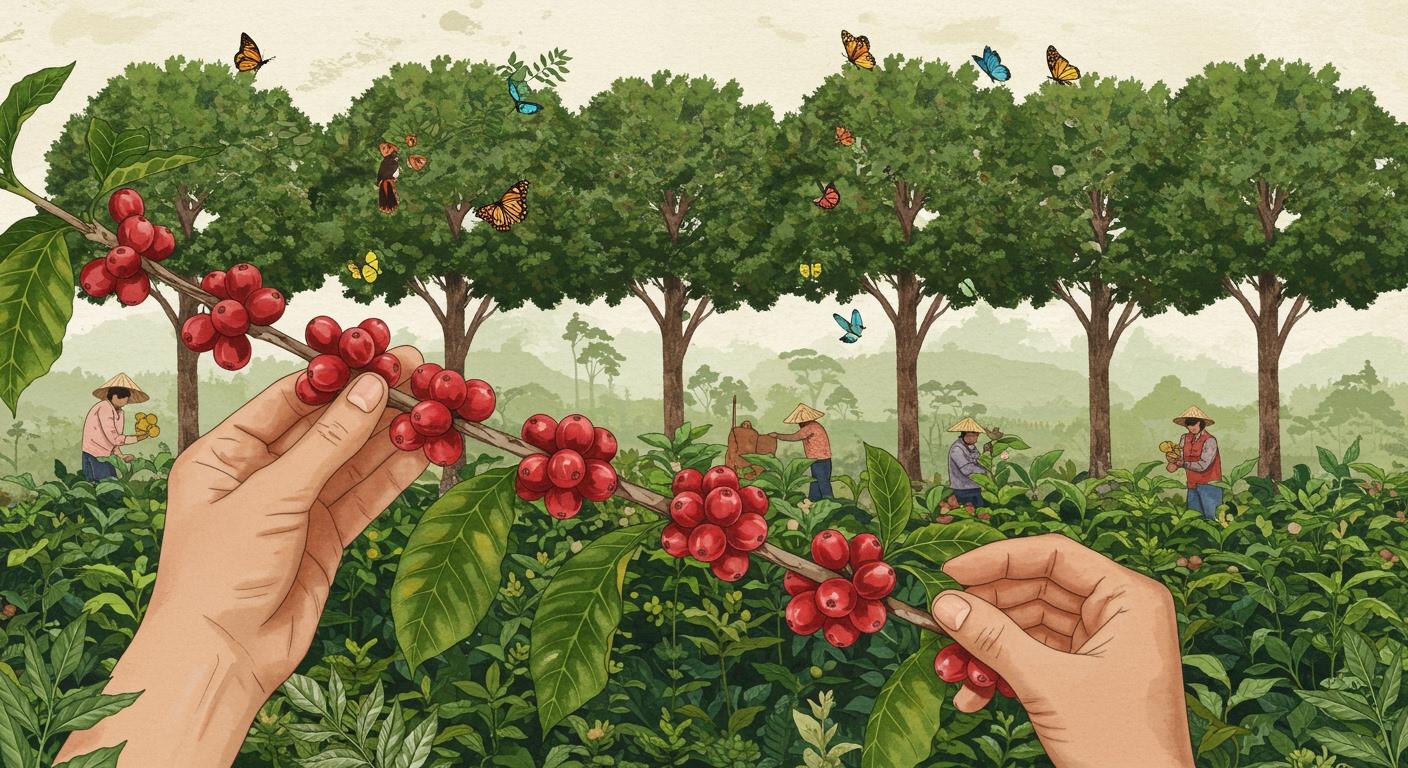
Shade coffee stands apart from sun-grown varieties due to its cultivation under tree canopies, which supports slower bean development and richer flavors. You might notice that shade-grown coffee now covers only 24% of global coffee areas, a drop from 43% in 1996. Growing beans in shaded environments lets complex sugars develop, enhancing taste. Sustainable coffee farming uses practices like organic methods and crop rotation, which protect soil health and reduce chemical runoff. High-quality packaging, such as BN PACK coffee bags, helps you keep shade-grown coffee fresh and flavorful.
Shade Coffee vs. Sun-Grown Coffee
Cultivation Methods
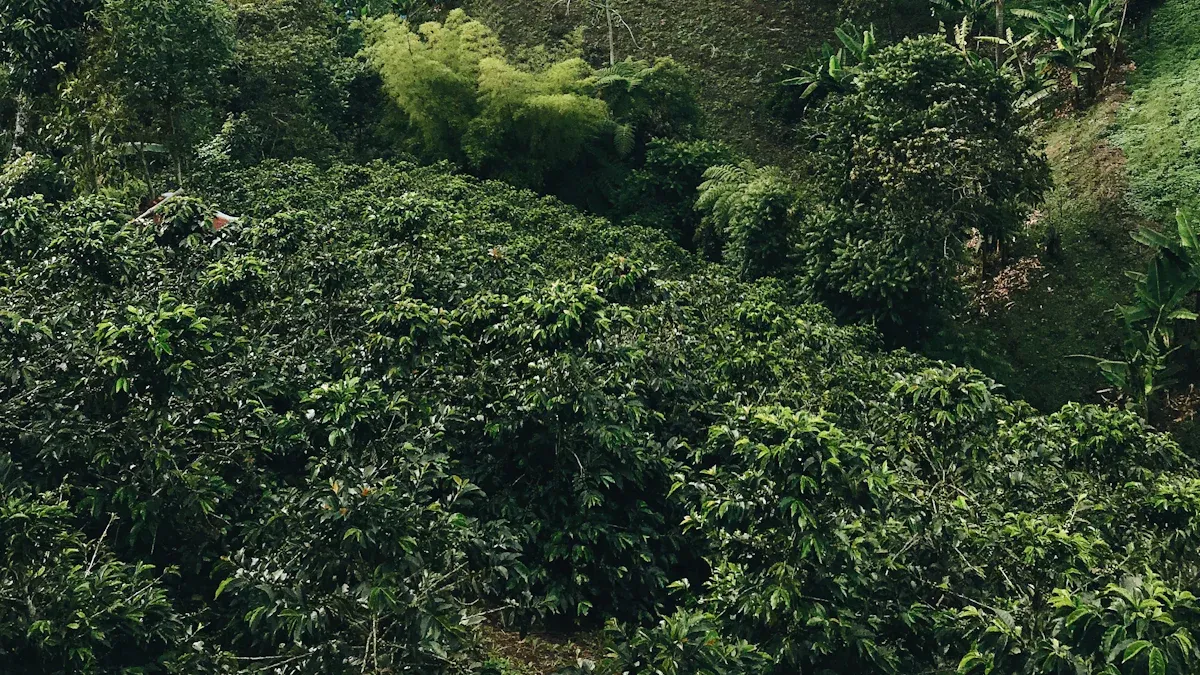
When you look at growing coffee, you find two main approaches: shade-grown and sun-grown. Shade coffee uses a canopy of trees to protect coffee plants, while sun-grown coffee relies on open fields with direct sunlight. The differences in these methods affect everything from bean development to farm sustainability.
Here is a table that compares the main aspects of each method:
Aspect | Shade-Grown Coffee | Sun-Grown Coffee |
|---|---|---|
Growing Conditions | Grown under tree canopy, mimics forest understory | Grown in open sun, often after clearing forests |
Maturation Time | Slow maturation, higher sugar content, better flavor | Fast maturation, more fruits per harvest |
Crop Yield | Lower yield, more space between plants | Higher yield, denser planting |
Pest Management | Birds and natural predators control pests | More pesticides needed |
Soil Fertility | Leaves from trees act as fertilizer | Artificial fertilizers required |
Environmental Impact | Supports biodiversity, sustainable farming | Causes habitat loss, increases climate risks |
Harvesting Method | Hand-picked, creates jobs | Machines can harvest, less labor needed |
You see that shade-grown coffee takes longer to mature. This slow process leads to richer beans. Sun-grown coffee matures quickly, so farmers get more beans per acre. Shade coffee farms use natural pest control and organic matter, while sun-grown farms often depend on chemicals.
Shade-grown coffee has a longer maturation period and lower crop yield.
Sun-grown coffee yields more per acre because of faster growth and dense planting.
Shade-grown coffee costs more due to hand harvesting and higher quality.
Quality Differences
The way you grow coffee changes the beans themselves. Shade-grown coffee beans develop slowly, which increases their size and weight. These beans have higher levels of antioxidants and phenolic compounds, which help create complex flavors.
Attribute | Shade-Grown Coffee Beans | Sun-Grown Coffee Beans |
|---|---|---|
Bean Weight | Higher | Lower |
Bean Size | Larger | Smaller |
Total Phenolic Content | Higher | Lower |
Antioxidant Activity | Higher | Lower |
Predominant Phenolic Acid | Chlorogenic Acid | Vanillic Acid |
Other Acids | Less caffeic acid | More caffeic acid |
You notice that shade-grown coffee often receives higher cupping scores. For example, Arbor Day Specialty Coffee scored 92 points, showing its superior taste and aroma. The slow maturation under shade trees lets sugars and acids develop fully, giving you a cup with more depth and complexity.
Environmental Impact
Shade coffee supports the environment in many ways. When you choose shade-grown coffee, you help preserve forests and wildlife habitats. Agroforestry systems, which use shade trees, increase biodiversity and make farms more resilient to climate change.
Tip: Shade-grown coffee farms act as carbon sinks, storing large amounts of carbon and helping fight global warming.
Shade-grown coffee farms store about 482 million metric tons of carbon above ground.
If all sun-grown farms added shade trees, carbon storage could increase by up to 87 million metric tons.
Converting shade coffee farms to sun monocultures could release up to 221 million metric tons of carbon.
Soil health also improves with shade coffee. Shaded farms lose less soil to erosion and keep more moisture. In Brazil, unshaded coffee farms lost nearly three times more soil than shaded ones. Soil under shade coffee has 18% more carbon and 19% higher fertility. Moisture levels stay higher, which helps plants grow strong.
You help maintain biodiversity when you support shade-grown coffee. Strategies like keeping tree cover and connecting habitats protect birds, insects, and plants. Shade coffee farms in Latin America show higher species diversity than sun-grown farms.
Choosing shade coffee means you support sustainable farming, better soil, and a healthier planet.
Shade-Grown Coffee Cultivation
Traditional Methods
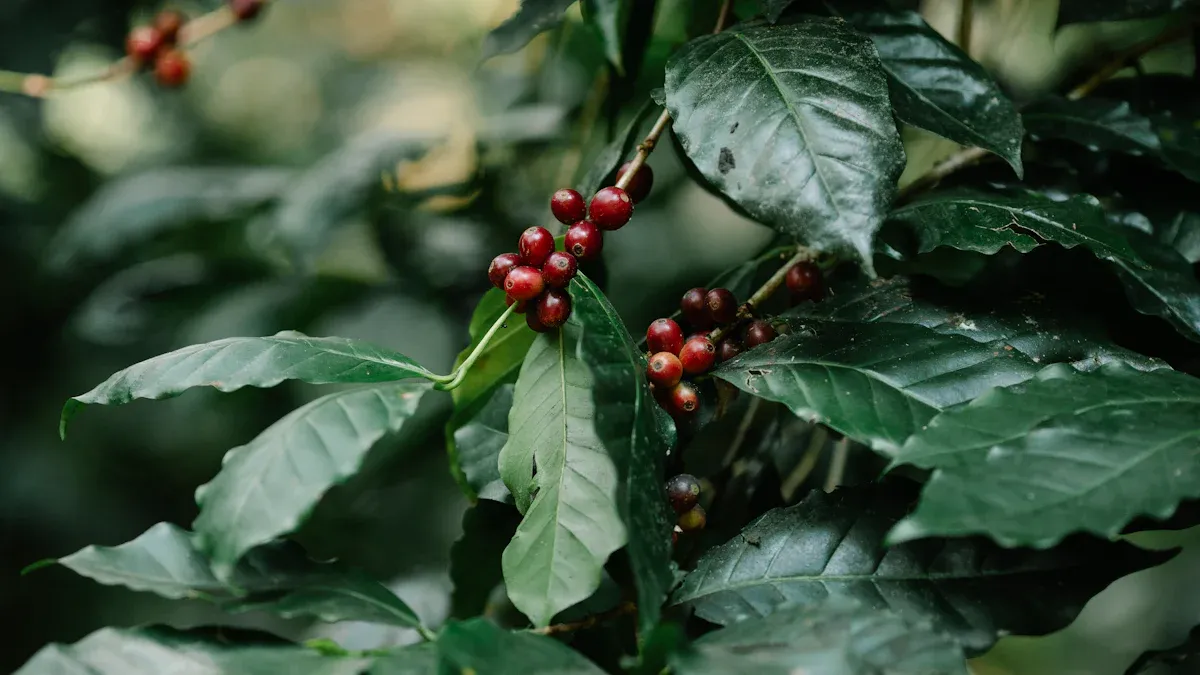
When you explore traditional ways of growing coffee, you find that farmers use time-tested techniques to protect both the plants and the land. Shade-grown coffee relies on a canopy of native trees. These trees shield coffee plants from harsh sunlight and help maintain soil moisture. Farmers often plant shade trees alongside coffee, which adds nutrients to the soil and creates a natural mulch. You see water conservation practices in action, as the shade helps reduce evaporation and keeps the ground cool.
Planting shade trees
Using water conservation methods
Growing coffee at different altitudes
Hand-picking only ripe beans
You notice that hand-picking ensures only the best beans make it to your cup. In places like Ethiopia, traditional shade coffee farms act as safe havens for many animal species. These farms support wildlife in ways similar to natural forests. By following these coffee farming techniques, you help preserve biodiversity and keep the ecosystem healthy.
Ecological Benefits
Shade-grown coffee offers many ecological advantages. Native trees in these farms provide homes for birds, insects, and mammals. You help stabilize soil and improve water quality when you support these methods. The presence of trees reduces soil erosion and prevents runoff during heavy rains.
Shade-grown coffee preserves biodiversity by creating habitats for many species.
These farms help capture carbon, which lowers greenhouse gas emissions.
Shade trees regulate water flow and protect the soil.
You also see that diverse ecosystems in shade coffee farms support natural pest control. Birds and bats visit these farms and help reduce harmful insects. By minimizing chemical pesticide use, you encourage a richer, healthier environment. Shade-grown coffee farming stands as a model for sustainable farming, balancing conservation with the needs of local communities. When you choose shade coffee, you support both nature and people.
Quality of Shade-Grown Coffee
Flavor and Aroma
You experience a unique taste when you choose shade-grown coffee. The slow process of growing coffee under tree canopies lets beans develop more natural sugars. This leads to sweeter, caramelized notes in your cup. Many coffee tasters prefer these flavors because they offer more depth and complexity than sun-grown varieties.
Sweeter notes stand out in shade-grown coffee.
Beans mature slowly, creating richer and more complex taste profiles.
Natural sugars enhance the taste with caramel-like flavors.
You notice that the environment plays a big role in aroma development. Shade trees help regulate temperature and reduce heat stress. This improves the overall quality and aroma of the coffee. The table below shows how different environmental factors influence aroma and flavor:
Environmental Factor | Influence on Aroma Development |
|---|---|
Light Exposure | Affects chlorogenic acid levels, which are linked to flavor and aroma quality in coffee. |
Shade Variation | Increased shade correlates with improved body and aroma in brewed coffee. |
Slow-Ripening Beans | Absorb more nutrients, leading to a richer flavor profile and smoother aroma. |
Growth Rate | Slower growth allows for the development of sugars and complex compounds, enhancing flavor vibrancy. |
Temperature Regulation | Cooler temperatures at higher elevations allow for slower maturation of coffee cherries, enhancing flavor complexity. |
Shade Trees | Help regulate temperature and reduce heat stress, improving overall coffee quality and aroma. |
Ecosystem Benefits | Provide habitat for beneficial insects and conserve soil moisture, indirectly enhancing coffee quality. |
You taste the difference in every sip. Shade-grown coffee offers a smoother aroma and a vibrant flavor. The combination of slow maturation, controlled light, and cooler temperatures creates a cup that stands out for its complexity.
Tip: If you want a coffee with layered flavors and a pleasant aroma, shade-grown coffee is a top choice.
Bean Characteristics
You see the impact of growing coffee in shaded environments when you look at the beans themselves. Shade-grown coffee beans tend to be larger and heavier. The slow ripening process allows beans to absorb more nutrients, which increases their density and quality.
Beans from shade coffee farms have higher levels of antioxidants.
You find more chlorogenic acid in these beans, which boosts both flavor and health benefits.
The beans often show a uniform shape and color, which signals careful hand-picking and sustainable farming practices.
You notice that shade-grown coffee beans have a smooth surface and a rich, deep color. These traits come from the gradual development under shade trees. The beans also contain more phenolic compounds, which add to the complexity of the flavor.
You support better coffee quality when you choose shade-grown beans. The careful cultivation and natural environment lead to a product that stands out for its taste, aroma, and appearance.
Packaging for Shade-Grown Coffee
BN PACK Coffee Bag Solutions
You want to keep your shade-grown coffee fresh and flavorful. BN PACK coffee bags offer advanced packaging solutions that protect your beans from air, moisture, and light. These bags use airtight seals and high-barrier materials, which help maintain the quality of your coffee. You benefit from features like one-way degassing valves that let carbon dioxide escape without letting oxygen in. This technology is essential for preserving the delicate aroma and taste of shade-grown coffee. BN PACK coffee bags also use a patented Dual-Zip™ closure system, which keeps oxygen out and locks in freshness.
Airtight seals prevent air from degrading coffee quality.
One-way valves allow gases to escape while keeping air out.
High-barrier materials protect against oxygen, moisture, and UV light.
Tip: Choosing the right packaging helps you enjoy the full flavor profile of shade-grown coffee.
Preserving Freshness and Aroma
You need effective packaging to keep your coffee fresh. Exposure to air can cause flavor loss and staleness. BN PACK coffee bags use advanced barrier properties to shield your beans from external contaminants. The degassing valves play a key role. They allow carbon dioxide to escape after roasting, which prevents bag bloating and keeps oxygen out. This process extends the shelf life of shade-grown coffee and preserves its unique flavor profile.
Here is a table showing popular packaging technologies and their benefits:
Packaging Technology | Benefits | Limitations |
|---|---|---|
Vacuum-Sealed Bags | Great for long-term storage; Keeps oxygen out | Less effective for freshly roasted coffee |
One-Way Valve Bags | Preserves freshness; Prevents bag bloating | N/A |
Airtight Containers | Durable; Eco-friendly options available | Require cleaning to avoid residue buildup |
Nitrogen-Flushed | Prevents oxidation for months | N/A |
Eco-Friendly Packaging | Biodegradable and compostable materials | N/A |
Degassing valves are essential for maintaining the quality of freshly roasted beans. They let CO2 escape while blocking oxygen, which is crucial for shade-grown coffee.
Eco-Friendly Packaging Options
You support sustainable farming when you choose eco-friendly packaging. BN PACK offers coffee bags made from compostable and recyclable materials. These options meet environmental certification standards such as DIN and OK Compostable. Compostable coffee bags, made from plant-based materials, reduce landfill waste and align with the values of shade-grown coffee producers. You help protect the environment and promote biodiversity by selecting packaging that matches your commitment to sustainability.
Fully compostable or recyclable coffee packaging
Bags made from compostable plant materials
Packaging that meets strict environmental standards
Note: Eco-friendly packaging supports your goal of enjoying quality coffee while caring for the planet.
Identifying Authentic Shade-Grown Coffee
Certifications and Labels
You can identify authentic shade-grown coffee by checking for trusted certifications on the packaging. These certifications show that coffee farmers follow strict environmental and social standards. The most recognized programs focus on protecting wildlife, supporting biodiversity, and using sustainable farming methods. Here is a table that highlights key certification programs and their main features:
Certification Program | Key Features |
|---|---|
Requires shade cover, organic certification, and sustainable farming practices. | |
Rainforest Alliance | Focuses on sustainable farming and environmental protection, ensuring biodiversity. |
Smithsonian Migratory Bird Center | Promotes bird conservation through habitat standards and sustainable practices. |
These certifications help create habitats for many bird species and other wildlife. They also reduce the need for chemical fertilizers and pesticides by supporting natural ecosystems. To earn these labels, coffee farmers must keep detailed records and pass regular inspections. This process ensures that the coffee you buy truly supports forest conservation and biodiversity.
Tip: Look for these certifications on the coffee bag to make sure you are supporting sustainable practices.
What to Look For
When you shop for shade-grown coffee, you should pay attention to several important details on the packaging:
Certifications such as Bird-Friendly, Rainforest Alliance, Organic, or Fair Trade.
Information about direct trade partnerships, which often include details about the farm and the region.
Origin details, especially from countries known for shade-grown coffee like Ethiopia, Colombia, or Guatemala.
Labels from the Smithsonian Migratory Bird Center, which guarantee strict habitat requirements.
You can also check if the packaging mentions a diverse forest canopy or organic farming methods. These signs show that the coffee supports wildlife and protects the environment. Choosing coffee with these labels means you help preserve habitats and support responsible coffee farmers.
Note: Authentic shade-grown coffee often comes with clear certification logos and detailed origin information. This helps you make informed choices and enjoy coffee that benefits both nature and people.
You see clear advantages when you choose shade coffee. The table below highlights key benefits:
Benefit | Description |
|---|---|
Soil Erosion Reduction | Tree canopies and roots help minimize soil erosion. |
Wildlife Habitat Preservation | Shaded farms support more birds and natural pest control. |
Carbon Sequestration | Trees store carbon, helping fight climate change. |
Shade-grown coffee delivers a smoother, complex flavor and protects ecosystems. BN PACK coffee bags use eco-friendly materials and strong seals to keep your coffee fresh and support sustainability. You help the planet and enjoy better coffee when you select authentic shade-grown coffee and responsible packaging.