
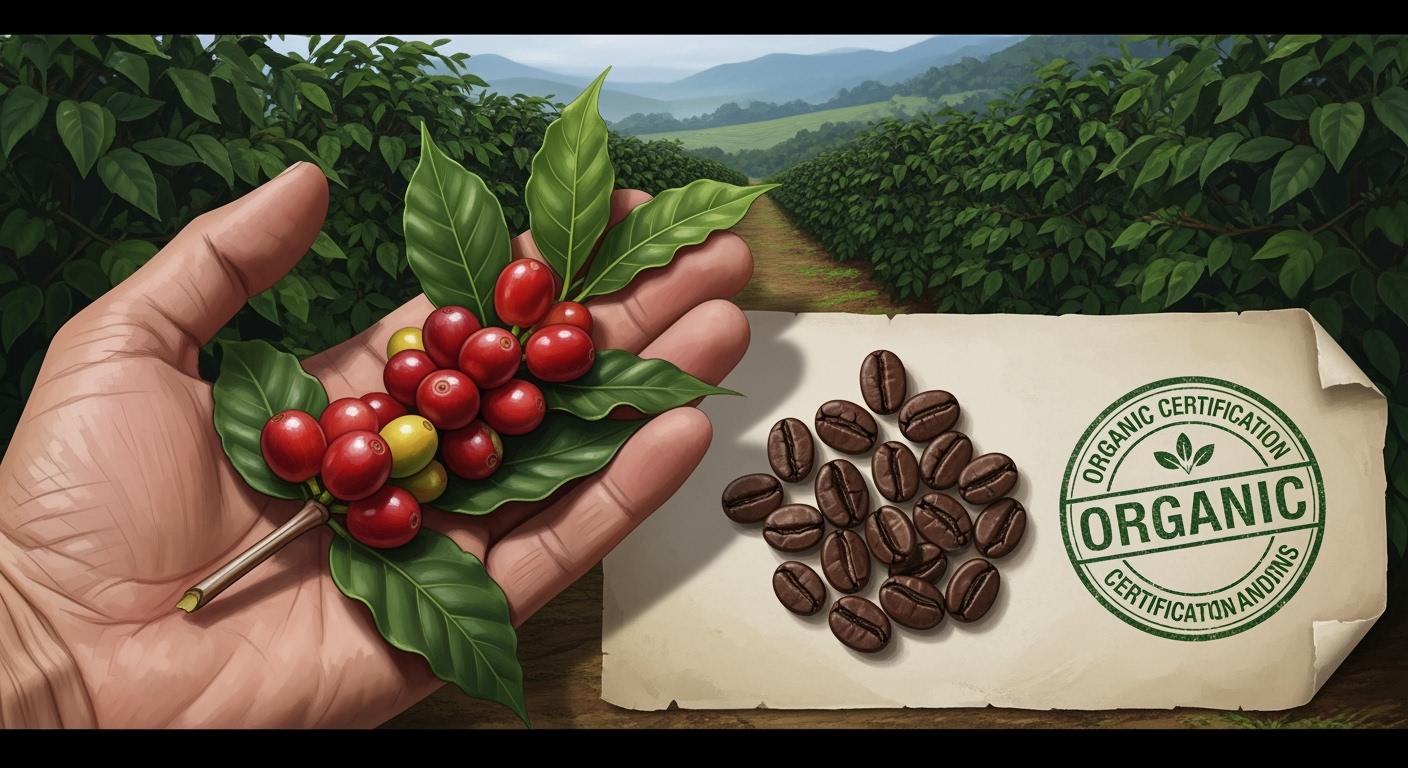
Organic coffee certification means farms use natural ways to grow coffee. They do not use bad chemicals. You can trust that organic coffee comes from farms that care about the earth and your health. When you pick this coffee, you help support good farming for people and nature.
Farmers use compost and natural ways to keep bugs away. This helps protect the soil and water.
Coffee grows without fake chemicals. This keeps it safe for you and the farmers.
These ways help keep many plants and animals safe. They also often make the coffee taste better.
Organic Coffee Certification Overview
What Is Organic Coffee Certification
You might wonder how organic coffee certification is different. Organic coffee certification means farms must follow strict natural rules. These farms do not use fake pesticides, herbicides, or fertilizers. They use compost and natural ways to stop bugs. Certifications like USDA Organic, Fair Trade, and Rainforest Alliance care about the earth and fair work.
Organic coffee certification has high rules for growing and handling coffee. You can trust that certified organic coffee comes from farms that protect soil, water, and animals.
Here are the main things that make organic coffee certification special:
Coffee grows without fake chemicals.
Farms use good ways like taking care of soil and growing in shade.
Certifications include USDA Organic, Fair Trade, and Rainforest Alliance.
The process helps fair work and protects nature.
Purpose and Benefits
Organic certification has clear goals. When you pick certified organic coffee, you help nature and your health. The rules make sure coffee is grown in a way that helps people and the planet.
Here are the main rules for organic coffee certification:
Farms cannot use chemical fertilizers, pesticides, or fake products.
Soil must be free from chemicals for five years or more.
Coffee cannot have GMOs.
Plants need space to grow, and farmers switch crops.
Workers pick beans by hand to keep them good.
Storage and moving coffee must not use chemicals or fake stuff.
Coffee certifications help both farmers and buyers. When you choose organic coffee, you help the soil and cut down on pollution. These ways help keep many plants and animals safe. Organic coffee farming also helps fight climate change by making less pollution.
You get more than just clean coffee. Organic coffee often sells for more money, so farmers earn better pay. Certification lets farmers sell to more places and get better deals. You also get coffee without bad chemicals and full of good antioxidants, which may help stop some diseases.
Tip: Check for coffee certifications on the package to get the good things from organic coffee.
Organic Coffee Certification Process
Steps to Certification
You may wonder how coffee producers get certified. The process takes time and hard work. Producers must follow strict rules. They need to show proof at each step. Here is how it usually happens:
Producers follow all organic coffee guidelines. They use only natural methods.
They avoid synthetic fertilizers and chemicals. Coffee grows in clean soil.
Crop rotation and other organic techniques help the soil. These steps keep the land healthy.
Inspectors visit the farm to check practices. Producers get ready for these visits.
Producers keep detailed records. They show proof they meet organic standards.
The whole process takes several months. Producers need patience and must pay attention to details. Here is a quick look at the time and cost:
Duration | Cost Range (USD) |
|---|---|
3-6 months | $750 – $1,250 |
Note: The process can take longer if you need to change your farming methods or improve your records.
Requirements for Coffee Producers
To earn organic certification, producers must meet important rules. These rules protect the environment and keep coffee safe. Here are the main things producers need to do:
Follow all organic coffee rules from start to finish.
Never use synthetic fertilizers or chemicals on coffee plants.
Use organic methods to keep soil and the ecosystem healthy.
Rotate crops and use other techniques to help nature and biodiversity.
Get ready for inspections and keep records up to date.
These requirements help organic coffee certifications make a real difference. When producers follow these steps, they protect nature and give people coffee they can trust.
Inspection and Documentation
Inspections and paperwork are very important for organic coffee certifications. Producers must show proof they follow all the rules. Inspectors visit farms and check records. Good paperwork helps pass checks and keeps certification safe.
Here are some important documents producers need:
Documentation Type | Description |
|---|---|
Cleaning logs | Keep records of cleaning schedules to show safe practices. |
Tracking | Write down the journey of coffee from importer to producer for traceability. |
Traceability reports | Give reports that show all organic coffee received and sold, with monthly examples. |
Certification from importer | Show proof that the importer also follows organic practices. |
Producers must keep these records organized and ready for review. Good paperwork proves they meet international standards for coffee certifications. It also helps them stay ready for future inspections.
Tip: Keep records up to date and easy to find. This makes inspections easier and helps keep your organic coffee certification.
Coffee Certifications and Standards
USDA Organic Certification
You might notice the USDA Organic label on coffee bags. This label shows the coffee follows strict USDA rules. The USDA organic coffee certification checks every part of making coffee. The coffee grows without fake fertilizers or chemicals. Farmers use natural ways to keep soil healthy and help nature.
USDA organic certification does not allow fake pesticides, herbicides, or fertilizers.
It does not allow GMOs.
Farmers must use crop rotation to keep soil healthy.
Audits check if farms follow organic rules.
You can trust coffee with this label comes from farms that care for nature. The USDA checks farms with visits and looks at their records. You get coffee that helps keep soil and water clean.
Coffee certified by groups like USDA or EU Organic must follow special organic rules. These rules include growing coffee without fake pesticides, herbicides, or fertilizers, and using good farming methods.
International Organic Coffee Certifications
There are other big coffee certifications in the world. Each group has its own rules, but all want safe and natural farming. Here is a table that shows the main groups and their rules:
Organization | Main Standards |
|---|---|
USDA Organic | No banned stuff for three years, buffer zones, and good farming. |
EU Organic | Like USDA, but with special EU rules for organic farming. |
JAS Organic | Follows Japanese rules, focusing on organic farming ways. |
These groups have many of the same rules. They all want farmers to skip chemicals and use natural ways to grow coffee. You get coffee that meets high standards from any country.
What Standards Guarantee
You may wonder what these rules mean for you. When you buy coffee with organic coffee certifications, you get more than just a sticker. These rules make sure your coffee comes from farms that protect the earth and your health.
You get coffee grown without bad chemicals.
You help farmers who use safe and natural ways.
You help keep soil, water, and animals safe.
You pick coffee that follows strong rules for safety and quality.
Organic coffee certification helps you feel good about your choice. You know your coffee supports good farming and helps the planet. You help make sure coffee producers use fair and safe ways. When you see these labels, you know you are making a smart choice for yourself and the earth.
Verifying Certified Organic Coffee
Recognizing Certification Labels
When you buy organic coffee, you will see labels. These labels show if the coffee meets special organic rules. Some labels are easy to spot and mean different things.
USDA Organic means the coffee follows farming rules in the United States.
Fair Trade Coffee shows farmers get fair prices and better lives.
Rainforest Alliance means farms protect nature and help people.
Each label started at a different time. Fair Trade began in 1988 to help farmers earn fair money. Rainforest Alliance started in the 1990s to save the environment. USDA Organic grew from the idea of better farming in the United States.
Practical Tips for Consumers
You can check if your coffee is really organic by looking for clear labels. Here are some tips to help you pick good coffee.
Find coffee roasters who tell you where beans come from and how they process them.
If a roaster cannot share farm or process details, try another brand.
Knowing the farm or group helps you see the coffee’s quality.
Words like “shade-grown” or “naturally-grown” often mean organic methods are used.
You can look at this table to learn what real certification means:
Aspect | Details |
|---|---|
Certification Requirements | Ingredients must be grown without pesticides, herbicides, and fertilizers. |
Certification Duration | Banned substances must not have been applied for the previous three years. |
Certifying Body | USDA works with accredited agents to certify operations to these standards. |
Common Misconceptions
Some people think organic coffee always tastes better. Certification does not promise the best flavor or more money for farmers. Some say organic coffee is just for marketing. But USDA Organic and other labels have strict rules and real checks. You may hear organic coffee costs much more. It can be 30-50% higher, but some regular coffees cost the same. Remember, certification helps the earth, but it does not always mean better taste or more pay for farmers.
Role of Packaging in Organic Certification
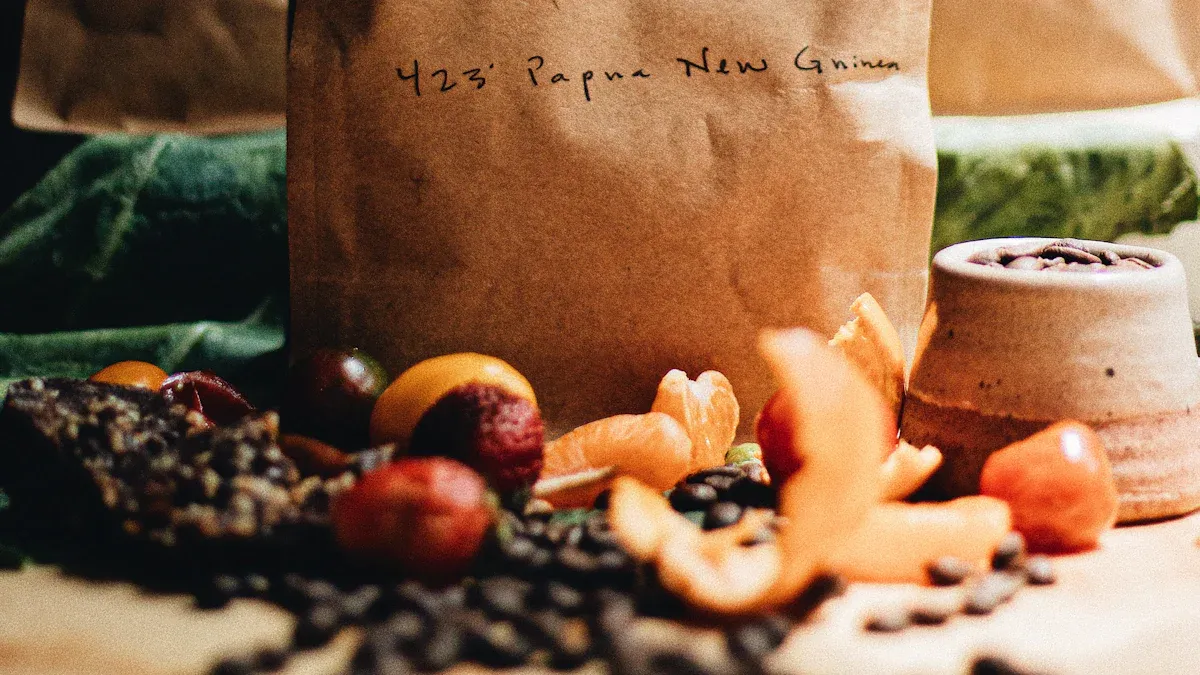
BN PACK Coffee Bags for Certified Organic Coffee
BN PACK coffee bags help keep coffee fresh and safe. These bags have special features for organic certification. They use eco-friendly materials and plant-based adhesives. The bags have recyclable degassing valves. The design keeps beans fresh and safe from air and moisture. You can reseal the bag and use it again. This helps cut down on waste.
Here is a table that shows how BN PACK coffee bags help with organic coffee certification:
Feature | Description |
|---|---|
Eco-friendly materials | Made from renewable resources, including recyclable, biodegradable, and compostable kraft paper. |
Sustainable inks | Uses water-based inks with low VOCs, which are compostable and easy to recycle. |
Plant-based adhesives | Non-toxic adhesives that do not need bleach, supporting organic certification. |
Recyclable degassing valves | BPA-free valves keep coffee fresh and help reduce food waste. |
Resealable packaging | Lets you reuse the bag, reducing the need for new packaging. |
Tip: BN PACK coffee bags help you follow organic certification rules. They also keep your coffee tasting good.
Eco-Friendly Packaging Solutions
You can pick eco-friendly packaging for organic coffee. Compostable coffee bags use special films that break down. These bags do not leave microplastics behind. They meet EU EN13432 standards and have certifications for being good for the environment.
You also see biodegradable films and plant-based inks. Compostable sealing materials are used too. Many brands use kraft paper bags with biodegradable linings. Some use reusable containers. Some packaging uses renewable materials like sugarcane bagasse and bamboo fibers. Plant-based materials like wood pulp and wheat straw break down easily. More brands now want to use sustainable coffee packaging.
Enhancing Brand Value with Certified Packaging
Certified packaging helps you build trust with customers. It shows you follow strict organic farming standards. The process includes checks and proof. This helps people believe your product is high quality. You also meet the need for clear and honest sourcing. Many buyers look for labels that show coffee is organic and made responsibly. Certified packaging helps your brand stand out and become stronger.
Note: Certified packaging helps your brand’s reputation. It helps you connect with customers who care about quality and doing the right thing.
Why Choose Certified Organic Coffee
Health Benefits
You want coffee that is good for you. Certified organic coffee gives you a cleaner drink. Farmers grow these beans without using fake fertilizers or pesticides. This means you do not get harmful chemicals in your body. Organic coffee has more antioxidants. Antioxidants help your body fight stress and sickness. People who are sensitive to chemicals often pick organic coffee. It lowers the chance of getting pesticide leftovers. You also get beans that do not have GMOs. Many coffee fans think organic coffee tastes better because of how it is grown.
Organic coffee does not have bad pesticides or fake fertilizers.
You get more antioxidants in each cup.
You do not get chemicals or GMOs.
Many people think organic coffee tastes richer.
Drinking certified organic coffee helps you make healthy choices every day.
Environmental Impact
You help the earth when you pick certified organic coffee. Organic farms use ways that are good for the climate. Farmers do not use fake chemicals. This keeps water and soil clean. They grow coffee under shade trees. This helps many plants and animals live. Organic farming builds up soil and helps tiny living things. These ways lower the harm from making coffee.
Aspect | Organic Coffee (ORG) | Conventional Coffee (CON) |
|---|---|---|
Soil Respiration | Higher | Lower |
Microbial Diversity | Higher | Lower |
Macrofauna Presence | Higher (31.4%) | Lower |
Organic Carbon | Higher | Lower |
You support good farming when you buy organic coffee. Rainforest alliance certification helps save forests and animals. Organic farming makes less carbon and helps stop climate change.
Ethical Considerations
You help others when you buy coffee the right way. Certified organic coffee supports fair buying. Farmers get fair pay and better jobs. You help people in places where coffee grows. Organic farming keeps coffee natural and pure. It stops fake chemicals from getting in. You help build strong communities and keep the earth healthy. Picking ethical coffee means you care about people and nature.
You help farmers work in better places.
You support fair pay and help communities grow.
You help keep farming safe for the earth.
You pick a cleaner product for yourself and others.
Every cup of certified organic coffee helps make life better for farmers, communities, and the planet.
You make a good choice when you buy certified coffees. Certified coffees give you quality and trust. They also help the earth. Labels like USDA Organic and Fairtrade show certified coffees are ethical. These labels mean farmers get support and nature is protected. Certified coffees use eco-friendly packaging, such as BN PACK coffee bags. This packaging keeps your coffee fresh and safe. Certified coffees use biodegradable materials and zippers you can reseal.
They meet your needs and help the planet. Certified coffees cut down on waste and support fair trade. They help communities become stronger. Certified coffees use compostable and recyclable packaging. They support farms led by women and help kids go to school. Certified coffees give you peace of mind. They match your values. Certified coffees are liked in many places. You can enjoy every cup. Certified coffees show you care about health and the environment. Certified coffees are the best choice for you and the world.
Look for labels and eco-friendly packaging when buying coffee.
Pick certified coffees to make a difference each day.