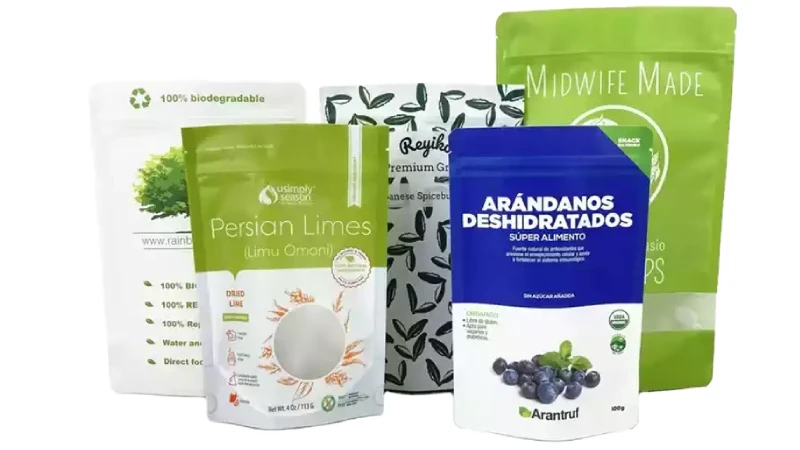
You see eco-friendly packaging everywhere now. There is a good reason for this. More people want it every year. The market could reach USD 498.29 billion by 2034. It is growing at a steady 7.6% rate.
Asia Pacific is the top market in 2024
North America is growing the fastest
When you pick eco-friendly packaging, you show your values. Studies show most people like brands with sustainable packaging. They even tell others about these brands. BN PACK is a leader with new, sustainable solutions. These help your brand stand out and help the planet too.
Why Eco-Friendly Packaging Matters
Environmental Impact and Brand Image
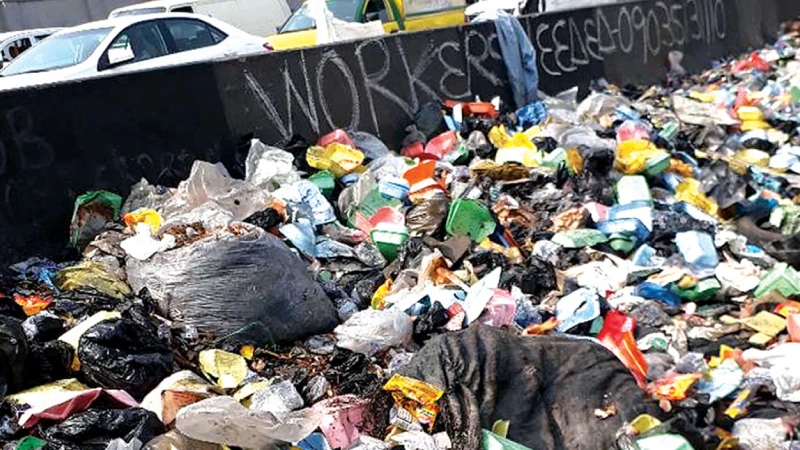
Choosing sustainable packaging helps the planet. Regular packaging, like plastic, hurts nature in many ways:
Plastic pollution fills up land and water because it does not break down fast.
Making and throwing away plastic, glass, and metal puts more greenhouse gases in the air.
Single-use packaging makes a lot of trash that is hard for Earth to handle.
Eco-friendly packaging protects nature. It uses fewer materials, so it saves energy and resources. Lighter and simple designs also mean less pollution from shipping. Many brands now use recycled or biodegradable materials to make less waste. This change helps keep the planet clean and shows you care about sustainability.
Packaging affects how people see your brand. Using sustainable packaging builds trust and loyalty. Here are some survey results:
Finding | Percentage |
|---|---|
Consumers who consider sustainable packaging extremely or very important | 38% |
Consumers willing to pay more for sustainable packaging | 60-70% |
Consumers who would buy more sustainable products if prices were equal | 52% |
Consumers who would buy more if sustainable options were more available | 35-36% |
People care about the planet and want brands to care too. When you use eco-friendly packaging, your brand stands out.
Meeting Customer Expectations
Customers want brands to help the environment. About 70% of people like brands with sustainable packaging. This is true in many areas. In food, 44% of buyers care about packaging and its effect on nature. In fashion, more people want recycled or ethical materials. Electronics buyers also like eco-friendly packaging, even if fewer people ask for it.
Food: People want safe, green packaging for their food.
Fashion: Shoppers want brands that use recycled or organic stuff.
Electronics: Buyers notice when you use less plastic and more recyclable parts.
Meeting these needs helps you connect with customers. It also helps the planet and shows your brand cares about sustainability. Picking eco-friendly packaging supports a healthy Earth and a strong brand.
Aligning Sustainable Packaging with Brand Values
Defining Your Brand’s Sustainability Goals
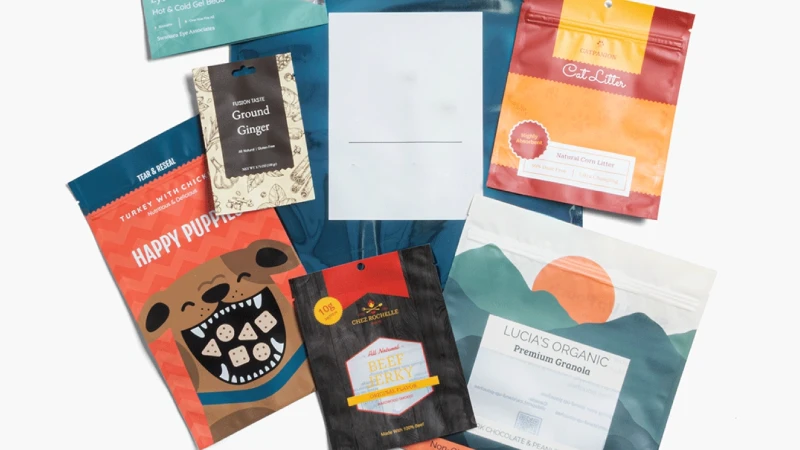
You want your brand to be noticed. To do this, you need clear goals. Think about what matters most to your business. Do you want less waste? Do you want to use renewable materials? Do you want to help your community? Setting these goals helps you pick the best sustainable packaging.
Here are smart ways brands set and share their goals:
Strategy | Description |
|---|---|
Integrate a sustainability culture | Make sustainability part of your company’s daily life and messages. |
Tell a story | Share real stories about your journey with sustainable packaging. |
Interact with the audience | Use social media to talk with customers about your sustainability efforts. |
Make it visual | Show your progress with infographics and videos. |
Link actions to goals | Set clear goals and measure your progress. |
Relate to the bigger picture | Connect your goals to global efforts like the UN Sustainable Development Goals. |
Tip: Always be honest about your sustainability journey. People trust brands that show real actions and share true stories.
You can ask your customers to join your projects. This helps build a strong connection. It shows you care about more than just selling things.
BN PACK’s Approach to Reliable and Custom Solutions
BN PACK is a good example of matching packaging with brand values. The company puts sustainability first. They use eco-friendly products and new technology. Their packaging helps cut down waste and lowers carbon footprints. All their solutions use renewable or recyclable materials. This makes it easy for you to help the planet.
BN PACK gives you many ways to customize packaging:
Eco-Friendly Materials | Customization Options | Industry Applications |
|---|---|---|
8+ sustainable materials | Personalized design services | Food, cosmetics, liquids |
Biodegradable materials | Custom shapes | FDA-compliant packaging |
Compostable materials | Resealable zippers | Luxury cosmetic pouches |
Recyclable materials | Advanced technology | Leak-proof liquid packaging |
You get packaging that looks nice and works well. It supports your sustainability goals. BN PACK uses fast prototyping and advanced designs. You can always find the right fit for your brand. Their mission is to help you make a positive impact with every package you send.
Exploring Eco-Friendly Material Options
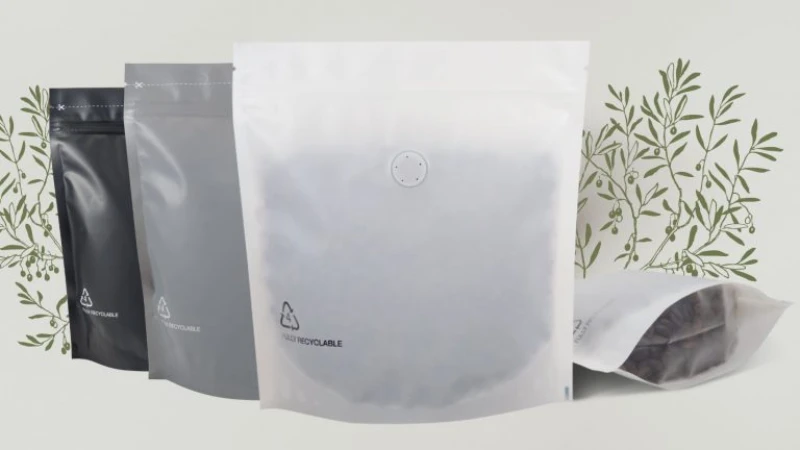
Picking the right packaging can be hard. You want to help the earth, but your products need good packaging too. There are different types of sustainable packaging you can use. Compostable, biodegradable, and recyclable packaging all have special benefits for your brand.
Compostable Packaging Choices
Compostable packaging is good if you want it to break down fast. These materials turn into compost in the right place. You can get compostable zipper bags, pouches, and food containers. They are great for snacks, food, and takeout.
Here’s a quick look at some popular compostable packaging materials and their environmental benefits:
Type of Material | Environmental Benefits |
|---|---|
Paper and Corrugated Boxes | Renewable, compostable, enriches soil, easy to recycle, reduces need for new materials |
Plant-Based Bioplastics | Reduces fossil fuel use, lowers greenhouse gases, decomposes into non-toxic parts |
Recycled Paper Pulp | Cuts landfill waste, reduces need for new resources, cushions fragile items |
Bagasse or Sugarcane Pulp | Compostable, biodegradable, water-resistant, upcycles waste, good for food containers |
Cornstarch Packaging | Renewable, biodegradable, breaks down fast, less fossil fuel use |
You can also find compostable zipper bags and pouches. These are strong and can be used for many things. ReadyFresh compostable food containers use thick cardboard and clear windows. They are perfect for meals to go.
Note: Compostable packaging comes in many shapes and sizes. It is just as strong as regular packaging and safe for food.
When you pick compostable packaging, look for certifications. These show your packaging is safe and breaks down well. Here are some common certifications:
Certification/Standard | Description |
|---|---|
BPI CERTIFIED COMPOSTABLE | Meets ASTM D6400 and D6868 for safe breakdown in commercial composting |
OK compost HOME & INDUSTRIAL | Verified under EN 13432 for safe breakdown without harmful leftovers |
CMA Certified Compostable | Passes lab and field tests for compostability |
ASTM-D6400 Standard | Breaks down within 180 days, leaves only safe organic matter |
European Standard EN 13432 | Disintegrates in 12 weeks, biodegrades in six months |
Biodegradable Packaging from BN PACK
Biodegradable packaging is another good choice for your brand. It breaks down on its own over time. BN PACK makes new biodegradable bags. These bags use plant starches, cornstarch, and compostable polymers. They work for food, coffee, clothes, and pet food.
Here’s what goes into BN PACK’s biodegradable packaging:
Material Type | Description |
|---|---|
Plant-based materials | Cornstarch, sugarcane, and algae used for strong, earth-friendly bags |
Compostable Films | Thin films from cellulose or starch that break down in composting environments |
Biodegradable Paper | Paper and cardboard with special coatings for bags and wraps |
Mushroom Packaging | Made from mycelium, perfect for cushioning and shipping |
Seaweed-Based Packaging | Edible and biodegradable, can replace plastic wrap and containers |
Bagasse Packaging | Sugarcane pulp, used for plates and containers, durable and compostable |
You might wonder if biodegradable packaging is strong. The answer is yes. BN PACK’s bags are tough and keep products safe. They work like plastic bags but break down much faster. Biodegradable bags can disappear in months or a few years. Plastic bags can last hundreds of years and hurt nature.
Biodegradable bags help cut down plastic pollution.
They break down faster than plastic, so they do not last forever.
Compostable bags can turn into compost, which is good for the earth.
BN PACK’s biodegradable bags are certified. They meet world standards and do not leave bad stuff behind. If you want packaging that fits your eco-friendly goals, these bags are a great choice.
Recyclable and Reusable Materials
Recyclable packaging is very common now. It is one of the easiest ways to help the planet. When you use recyclable packaging, you keep materials out of landfills. You also save energy and resources.
Here are some of the most popular recyclable packaging materials:
Jute: Fully recyclable and biodegradable, with a tiny carbon footprint.
Container Liners: Made from polypropylene or polyethylene, often reused and recycled.
Recyclable Plastic Films (HDPE and LDPE): Used for many products, both types can be recycled.
Paperboard and Kraft Paper: Easy to recycle and compost, great for boxes and wraps.
Reusable Tote Bags: Made from organic materials, designed for many uses and often recyclable.
More people want reusable packaging now. Many companies use HDPE, PP, and PET plastics. These are strong and not expensive. They work for food, drinks, and health products. You can use them again, which means less waste.
Let’s see how recycling rates compare for different packaging materials around the world:
Material | Recycling Rate (%) | Region/Country |
|---|---|---|
Plastic | 9 | Global |
Plastic | 41 | EU (2022) |
Plastic | 13.6 | US (2018) |
Paper/Cardboard | 80.9 | EU (2018) |
Paper | 68.2 | US (2018) |
Glass | 80.2 | EU |
Aluminium | 54.9 | US (2015) |
Steel | 73 | US (2015) |
Paper and cardboard are recycled the most. Plastic recycling is lower, but it is getting better as more people recycle.
Tip: If you want to help the planet, use packaging that is easy to recycle, like paperboard or glass.
Reusable packaging is also smart. Tote bags and strong containers can be used many times. This saves money and cuts down on trash. People like packaging they can use again.
When you look at compostable, biodegradable, and recyclable packaging, think about your product and your customers. Compostable packaging is best for food and quick use. Biodegradable packaging from BN PACK works for many things and breaks down safely. Recyclable packaging is easy to use and keeps materials in use longer. Each type helps you reach your eco-friendly goals.
Sustainable Packaging Design and Functionality
Minimalist and Efficient Design
When you choose sustainable packaging, using less is better. Minimalist design means you only use what you need. This saves materials and makes less waste. Many beauty and tech brands use this style. It helps their products stand out and helps the planet.
Here’s how minimalist design helps the earth:
Principle | Contribution to Sustainability |
|---|---|
Simplicity | Uses fewer materials, so there is less waste. |
Functionality | Focuses on what is important and saves resources. |
Use of sustainable materials | Picks eco-friendly things like recycled or compostable items. |
Waste reduction | Less packaging means less trash and a better brand image. |
Brands like Apple and Aesop use simple boxes and labels. Their products look clean and modern. They also use fewer resources. Beauty companies use less packaging and more eco-friendly materials. This lowers their impact on the environment.
Sustainable Inks and Printing
Printing is important for sustainable packaging. You want inks that are safe for the earth. Water-based inks, soy inks, and UV inks are good choices. These inks use fewer chemicals. They help keep packaging recyclable or compostable.
Type of Ink | Description |
|---|---|
Water-based inks | Use water, make less pollution, and work on many materials. |
Soy inks | Made from soybeans, renewable, and break down easily. |
UV inks | Dry fast with UV light, save energy, and cut down on pollution. |
Algae inks | Use algae, a renewable source, and help reduce fossil fuel use. |
Digital printing is also helpful. It does not need printing plates. This means less waste and faster printing. Using these methods keeps your packaging green and safe for recycling or composting.
Balancing Aesthetics and Sustainability
You want your packaging to look nice and help the planet. Many brands find ways to do both. Simple branding, nature-inspired looks, and easy designs help. You can use recycled or plant-based materials in cool shapes. Adding reusable features, like resealable zippers, makes packaging last longer.
Brands like Glossier make packaging people like to share online. Allbirds shows that sustainable packaging can help a brand’s reputation.
When you design for sustainability, you make choices that help the earth. You also attract customers. Smart packaging design makes your product stand out. It shows you care about sustainability.
Practical Considerations for Eco-Friendly Packaging
Cost, Supply Chain, and Compliance
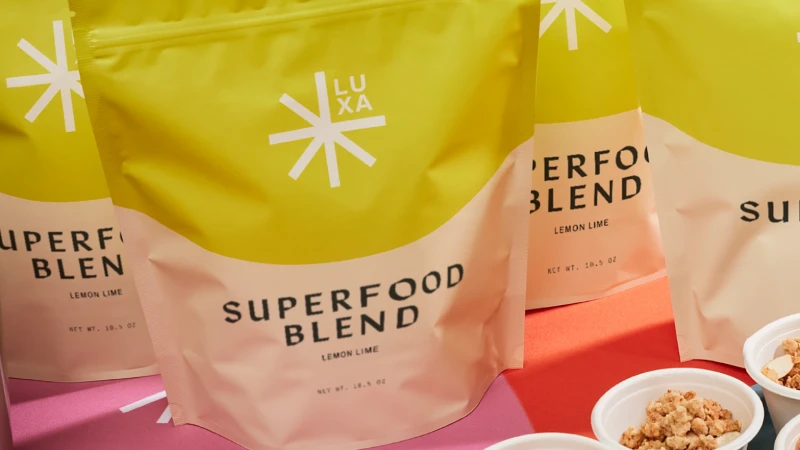
You want green packaging, but it must fit your budget. Eco-friendly materials often cost more than regular ones. For example, biodegradable plastics can cost 20-30% more. They use natural materials and special steps. Palm leaf plates and rPET packaging are also 15-30% more expensive. These cost more than normal plastic or paper. You pay more at first, but you might save later. You could spend less on waste and get rewards from suppliers or the government.
Switching to sustainable packaging can cause supply chain problems. Sometimes, recycling systems are not ready for new materials. It can be hard to find enough eco-friendly supplies. This is true if you need a lot. You must check your suppliers and make sure they follow green rules. This takes time and work. Your packaging also needs to protect your products.
To meet world standards, look for these certifications:
Certification Name | Description |
|---|---|
Forest Stewardship Council (FSC) | Makes sure packaging comes from forests that are managed well. |
Cradle to Cradle Certified® | Checks how packaging affects the earth during its whole life. |
Green Seal | Shows you save resources and make less waste in food packaging. |
Sustainable Forestry Initiative | Supports wood products that are made in a green way in North America. |
Rainforest Alliance | Certifies products from forests that follow FSC rules. |
EU Ecolabel | Given to products with high green standards for their whole life. |
Testing and Customer Feedback
You want your packaging to work for your products and customers. Before you sell it, test your packaging to see if it is strong. Companies do stress tests and pretend to ship packages. They also check if packaging can be recycled. They keep making it better and follow world quality rules.
Getting feedback from customers helps you know if your packaging is easy to use and looks nice. Try these ways:
Use online surveys and polls to ask what people think.
Watch social media for comments about your packaging.
Run focus groups and user tests to see how people use your packaging.
Check online reviews for honest opinions.
Ask stores and mystery shoppers for feedback in stores.
When you listen to customers and test your packaging, you make sure it meets green goals and works well. This builds trust and keeps your brand strong.
You can make good choices for your brand. Start by matching your packaging with your values. Look at different material options. Pay attention to design. Think about what you need for your products. Eco-friendly packaging gives you real benefits:
Customers trust brands that help the planet.
You save money with lighter packaging and less trash.
Biodegradable materials lower your impact.
Check your packaging now. See what BN PACK offers for sustainability. Your choices help your business and keep the earth safe. 🌱