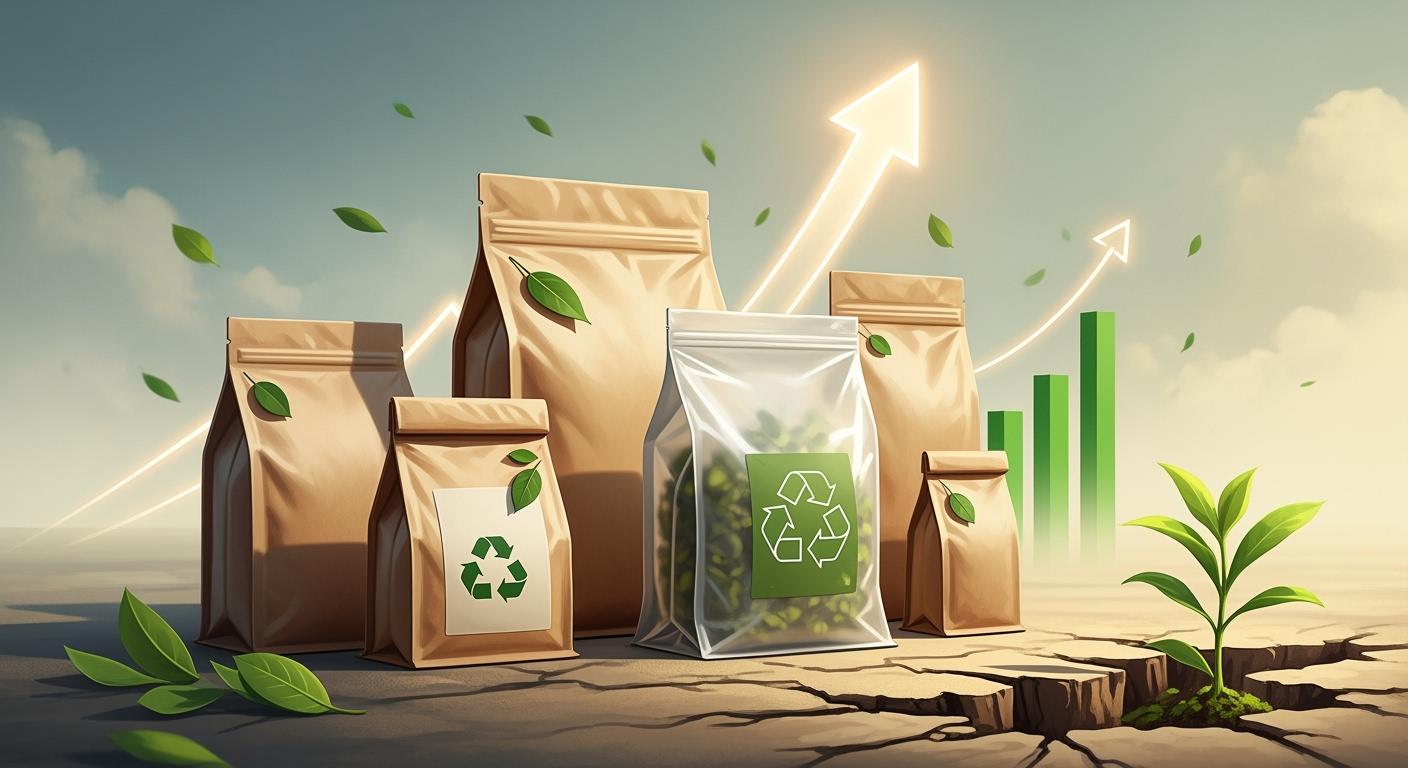
The stand-up pouches and bags market is growing fast. Its value is $34.38 billion in 2024. It may almost double by 2034.
Market leaders help growth by using recyclable packaging. They also use compostable packaging.
Sustainability efforts make companies use eco-friendly materials.
Technology helps make lighter packaging. Innovation makes packaging strong and easy to use. This meets what consumers want.
Online shopping needs packaging that looks good. It also needs packaging that is strong. This shows new trends.
Stand-Up Pouches and Bags Market Trends
Sustainable Packaging Shift
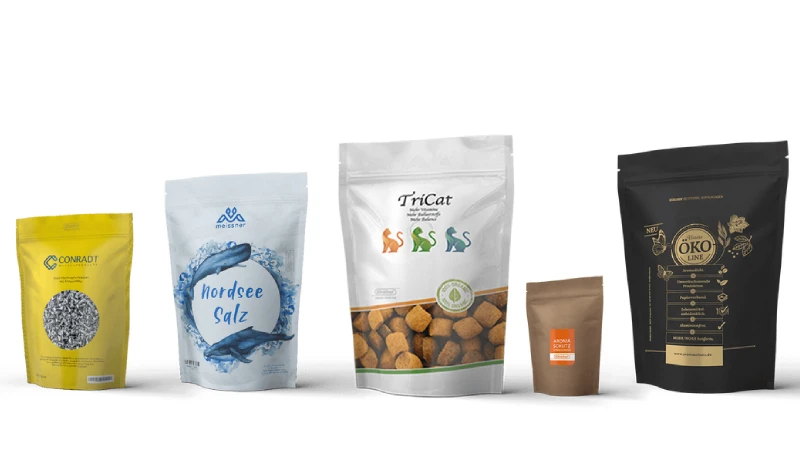
The stand-up pouches and bags market is changing fast. Companies want to be more sustainable. They do this to meet what customers want. Many brands now use mono-material packaging. This kind of packaging is easier to recycle. It also helps stop contamination. Another trend is making packaging lighter. Lighter packaging uses less material. It also lowers pollution from trucks. Zero-waste models are getting more popular.
These models use packaging that can be recycled, reused, or composted. Smart packaging, like paper tamper-evident labels, helps the planet too. More people want packaging made from wood fibers and compostable materials. The whole packaging industry is changing because of new rules and worries about the environment. The bag packaging sector is working hard to meet these new goals.
Evidence Type | Description |
|---|---|
Material Efficiency | Stand-up pouches use much less material than hard packaging. |
Recyclability | Many stand-up pouches are made with recyclable mono-materials. This matches eco-friendly needs. |
Product Preservation | Their layers keep food fresh longer and stop waste. This helps the planet. |
Convenience and Functionality
People want packaging that is easy to use. Stand up pouches have many helpful features. Resealable zippers keep food fresh. Spouts make pouring easy and less messy. Tear notches let you open the pouch without scissors. The stand-up shape makes products easy to see on shelves. Portable designs help people use products anywhere. These new ideas make life simpler for everyone.
Feature | Benefit |
|---|---|
Resealable zippers | Makes it easy to use and keeps food fresh. |
Spouts | Makes pouring simple and less messy. |
Tear notches | Lets you open the pouch without tools. |
Stand-up design | Makes products stand out on shelves. |
Recyclable and Biodegradable Materials
Brands now use more recyclable and biodegradable materials. About 62% of people like to buy from brands with eco-friendly packaging. Flexible packaging, like stand up pouches, could reach $300 billion by 2025. The stand up pouches market is growing by about 4.6% each year until 2024. If more brands use recyclable materials, over 20 million tons of plastic might not go to landfills by 2030. Using sustainable packaging helps brands give people what they want and helps the earth. Biodegradable materials are also becoming more popular. These changes show how new packaging ideas are shaping the market’s future.
More brands use stand up pouches because they use less material.
Many stand up pouches are easier to recycle, which people want.
Barrier films in pouches help keep food fresh and cut down on waste.
E-commerce and On-the-Go Demand
E-commerce is changing how brands send products to people. Stand-up pouches and bags are now used a lot for online shopping. These pouches are light, so shipping is easier and costs less. Brands can put more items in each box, which saves money and cuts down on waste.
Stand-up pouches take up less room when stored or shipped.
Their soft shape lets brands pack more things in each box.
Light materials make shipping cheaper and better for the planet.
People who shop online want their items to arrive safely. Stand-up pouches keep food, supplements, and personal care items safe. The strong layers keep things fresh and stop them from getting ruined while being shipped. Brands add zippers you can close again and clear windows to make opening the package more fun. These things make people want to buy from the brand again.
Zippers you can close again keep things fresh after opening.
Clear windows let people see what is inside.
Strong layers keep out water and air.
People who are busy want packaging they can take anywhere. Many shoppers like small packs they can carry with them. Stand-up pouches are easy to carry and simple to use. People can bring snacks, supplements, or personal care items to work, school, or when they travel.
Small packs fit in bags and backpacks.
Easy-open parts make products simple to use anytime.
Portable designs help people with busy lives.
Caring for the planet is still important for online and busy shoppers. Brands use materials that are good for the earth to make customers happy. Custom packaging lets brands show they care about the environment. The big space on stand-up pouches helps brands show their logos and messages clearly online.
Earth-friendly materials attract shoppers who care about nature.
Special designs help brands get noticed online.
Big printing spaces make products easy to see on websites.
Stand-up pouches and bags are changing as e-commerce and busy lives change. Brands that make packaging easy, safe, and good for the planet can give shoppers what they want.
Market Growth Drivers
Consumer Demand for Eco-Friendly Packaging
The stand-up pouches and bags market is getting bigger. This happens because more people want eco-friendly packaging. Shoppers now want brands to use packaging that is good for the planet. Many people think about sustainability when they buy things. Most shoppers, about 92%, say it is important when picking a brand. Around 69% think all packaging should be eco-friendly by 2025. Brands using eco-friendly materials get more loyal customers.
90% of people will buy from brands with eco-friendly packaging.
54% picked products with eco-friendly packaging in the past six months.
39% changed brands because of eco-friendly packaging.
43% will pay more for products in eco-friendly stand up pouch market.
People of all ages care about eco-friendly choices.
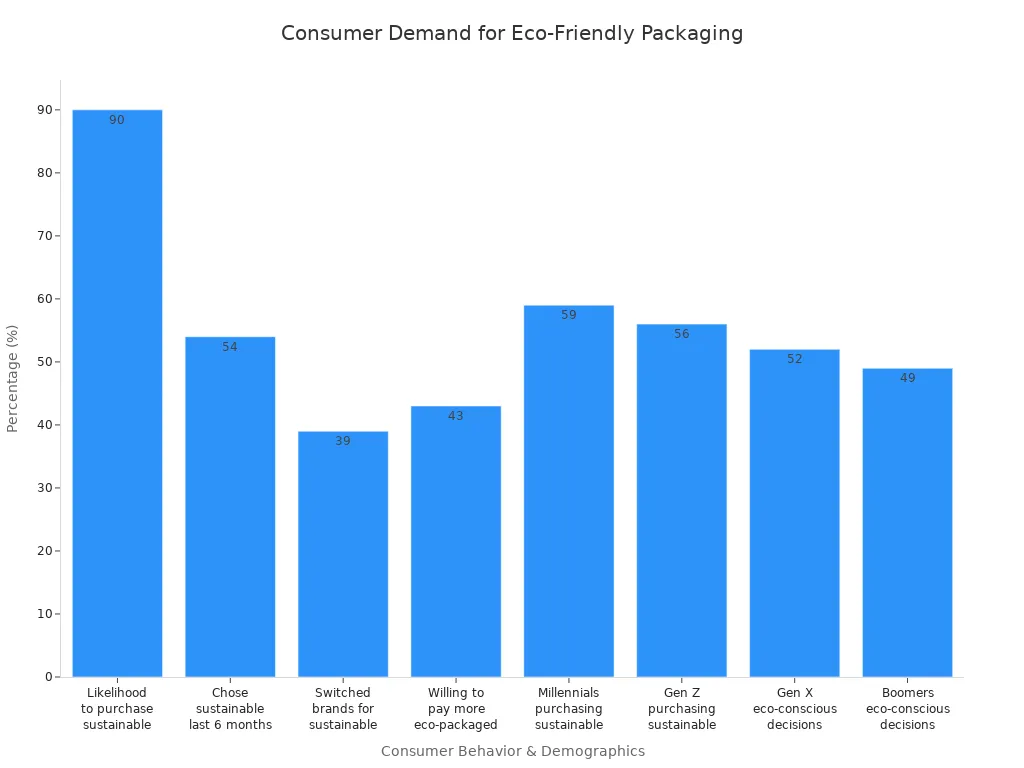
Sustainability efforts help the market grow and change. Brands that focus on eco-friendly stand up pouch market options do better than others. These brands get more trust and loyalty from shoppers.
Lightweight and Versatile Stand Up Pouches
Stand up pouches are light and flexible. They use less material than old types of packaging. This helps the planet and saves resources. Their shape lets them stand up straight on shelves. This makes them easy to see and pick up. Stand up pouches are simple to use, store, and move. Resealable parts keep food fresh and stop waste.
Advantage | Description |
|---|---|
Shelf Appeal | Stand-up pouches can stand upright, making products easy to see and notice. |
Convenience | They are simple to hold, store, and move, and you can close them again to keep things fresh. |
Versatility | Good for many things like liquids, powders, and solids, and you can change how they look. |
Barrier Protection | Different layers keep out water, air, and light, so products stay good. |
Eco-Friendly Options | They are lighter, so trucks use less fuel, and you can recycle them. |
Eco-friendly stand up pouch market options cost less to ship and make less pollution. Stand up bags keep things safe from water and air, so they stay fresh. These new ideas help food, supplement, and personal care companies grow.
Customization and Brand Identity
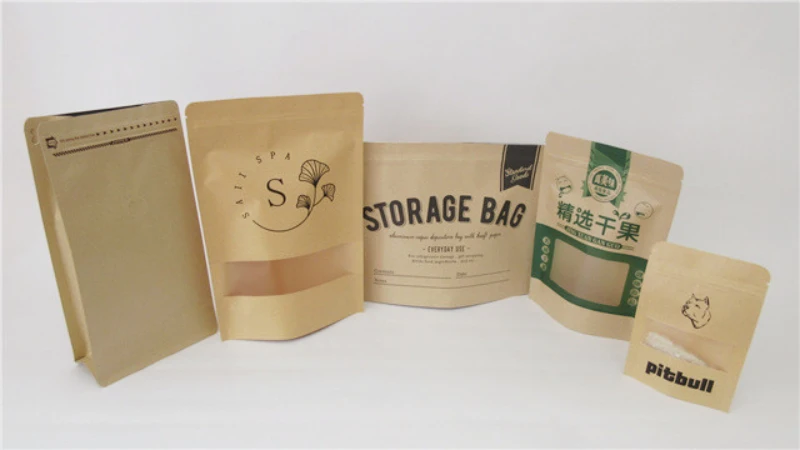
Customization is very important in the stand-up pouches and bags market. Brands use stand up pouches to show their logos, colors, and messages. Good printing makes the pouches look nice and gets attention. Custom designs help brands stand out in stores and online.
Stand-up pouches stay upright, so people see them easily.
Customization makes people like the brand and buy again.
Packaging is a good place for brand messages and pictures.
Printed stand-up pouches make people remember the brand.
Good packaging makes people trust the brand.
Eco-friendly stand up pouch market options help brands look good and meet green goals. Customization is good for special sales and limited-time products. Brands that use new packaging ideas get more shoppers and keep them coming back.
Online Retail Expansion
Online shopping is changing how packaging works. Brands use e-commerce to reach more people and sell more. Stand-up pouches and bags are important for this change. These packages are strong, flexible, and look nice. Companies pick stand-up pouches because they keep products safe when shipped. They also make products look good online.
E-commerce needs packaging that can handle long trips and lots of handling. Stand-up pouches have many layers that make them strong. These layers help products get to customers safely. Brands like that stand-up bags are light. Lighter packages cost less to ship and are better for the earth. Stores can send more products in each box, which saves time and money.
Online shopping has grown a lot in the last few years. The U.S. Census Bureau said e-commerce went up 16.7% from late 2018 to late 2019. Online orders grew by 5.9% each year from 2014 to 2019. This fast growth gives packaging companies new chances. Companies must keep up with what shoppers want and how shipping works.
Brands that use strong and nice-looking packaging do better online.
Stand-up pouches have many good points for online stores:
Many layers make them strong and protect products.
Light materials make shipping cheaper and cut down on trash.
Closures you can close again keep things fresh after you open them.
Clear windows let people see what is inside before they buy.
Special printing helps brands get noticed on websites.
People who shop online want things to be easy and safe. They want their orders to arrive in great shape. Stand-up pouches help by blocking water, air, and light. Their soft shape lets brands pack many kinds of things, like food, vitamins, and care items.
Stores use stand-up bags to make customers happy and lower returns. Good packaging keeps products safe while being shipped, so fewer things get broken. This saves money and makes buyers trust the brand. Brands also use the big space on pouches to share info and show who they are.
Online shopping makes companies invent new packaging and designs. Makers create new layers and closures for e-commerce needs. Companies that try these new ideas can grow in a busy market.
Stand-up pouches and bags will stay important as online shopping grows. Brands that care about strong, green, and good-looking packaging will get more customers and do well for a long time.
Innovations in Stand Up Pouches and Bags
Shelf Display and Visibility
Brands use stand up pouches to help products get noticed. The upright shape makes it easy for shoppers to spot items fast. Companies put bright pictures and clear logos on the big front area. This space is good for showing details and brand names. Some pouch sizes can hang up, so stores have more ways to show them. High-definition printing helps brands show off cool designs and catch eyes.
Feature | Description |
|---|---|
Outstanding retail presence | Stand up pouches stand upright, making products easy to find. |
Room for branding | Large surfaces allow for logos, product details, and compliance information. |
Flexible display options | Some pouches can hang, giving stores more ways to show products. |
Companies like Amcor and Coveris lead with these new ideas. They use earth-friendly materials and better printing to make shelves look great. These changes help brands sell more and make shoppers trust them.
Resealable Closures
Resealable closures change how people use stand up pouches. Zippers and other closures let people open and close the pouch many times. This keeps food fresh and lets people use only what they need. Resealable pouches help stop food from being wasted. They are good for busy people because you can take them anywhere. Many shoppers want packaging that is simple and good for the earth. Resealable closures help with these things.
Resealable closures make pouches easy to use on the go.
They help keep food fresh and safe to eat.
People can use a little at a time and save the rest.
These closures help the planet by making less waste.
Winpak and Sealed Air make strong, resealable stand up pouches. Their designs keep food safe and make life easier for shoppers.
Custom Features: Spouts, Handles, Windows
Brands add special features to stand up pouches to make them better. Spouts make pouring liquids easy and not messy. Handles help people carry pouches without trouble. Windows let shoppers see inside, which builds trust and makes products look nice. Some pouches have small or big windows, depending on what the brand wants.
Spouts and handles make things easier for customers.
Windows let people see the product, so they feel sure about buying.
Tin-ties and other ways to close the pouch keep food fresh.
Some pouches have one-way valves to keep things like coffee fresh.
Berry Global and Huhtamaki make many kinds of custom pouches. They focus on features that make stand up pouches easy to use and nice to look at. These new ideas help brands give shoppers what they want and stand out in stores.
Tip: Brands that use smart features and strong designs in stand up pouches can increase sales and customer loyalty.
The market for stand up pouches grows as companies add new features and listen to shoppers. New designs and functions help brands stay ahead in a busy market.
Supplement Packaging Types
Supplement brands use stand-up pouches and bags for lots of products. These flexible packages help companies ship powders, capsules, and gummies safely. The light design saves space and makes shipping cheaper. Brands pick stand-up pouches because they keep supplements safe from water and air. The big front gives lots of room for logos and product info.
Packaging Type | Unique Design Considerations |
|---|---|
Stand-up pouches | Great at blocking air and water, light, lots of space for logos, can be closed again, saves space. |
Single-dose sachets | Good for travel and busy people, cost more for each piece, easy to carry. |
Stick packs | Thin shape, easy to open, good for one-time powders in drinks. |
Powders: Design and Use Cases
Powdered supplements need packaging that keeps them dry and fresh. Stand-up pouches have strong layers that stop water and air. Brands like Beam use these pouches for protein powder and drink mixes. The zipper lets people open and close the pouch many times. Quick tear notches make it easy to get the powder out. Hang holes let stores show the pouches in different ways.
Zippers let you use the pouch again and again
Tear notches make it simple to open
Hang holes help stores show the pouches
Designers care about how the pouch looks and works. Every part, from the shape to the zipper, helps shoppers. Features like zippers and easy-open notches help people pour powder without making a mess.
Capsules: Packaging Solutions
Capsules need packaging that keeps out light and water. Stand-up pouches with special layers keep capsules safe and fresh. Vegamour uses these pouches for hair supplement capsules. The pouches stand up, so people see them on shelves. Brands print clear instructions and facts on the pouch.
Capsule packaging often has:
Looks and how it works are both important.
Every part of the pouch should help shoppers.
Zippers and tear notches make it easier to use.
Single-dose sachets and stick packs are good for capsules too. These small packs help people take supplements anywhere. The thin shape fits in bags or pockets.
Gummies: Material Choices
Gummies need packaging that keeps them soft and fresh. Stand-up pouches use special layers to block air and water. Brands pick materials that do not mix with the gummies. Zippers you can close again help keep gummies fresh. Clear windows let shoppers see what is inside, which builds trust.
Designers pick materials that keep gummies safe and show off bright colors. The pouch shape makes it easy to pour out a few gummies. Brands use the big space to show fun pictures and important info.
Tip: Supplement brands that use flexible packaging with smart features can help gummies last longer, make shoppers trust them, and give people a better shopping experience.
Sustainability and Regulatory Impact
Eco-Friendly Materials in Packaging
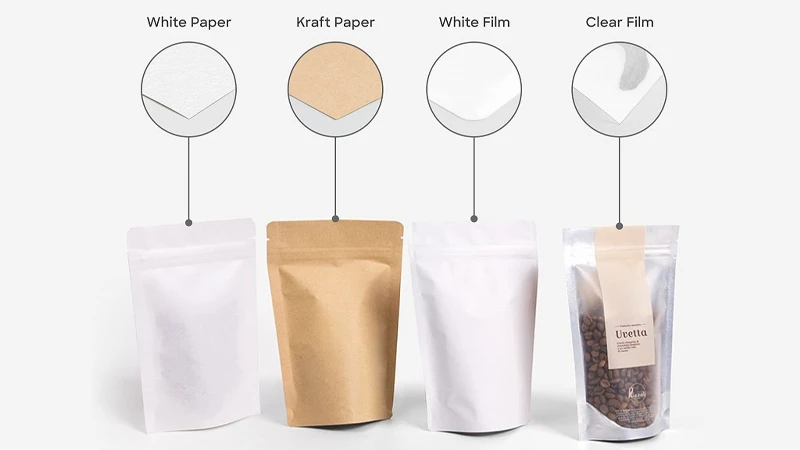
Brands in the eco-friendly stand up pouch market use different materials to help the planet. Companies pick recyclable mono-material films, post-consumer recycled plastics, compostable pouches, and paper-based laminates. Each material has good things and some problems. Recyclable mono-material films are strong and can be recycled if the right places exist. Post-consumer recycled plastics use old plastic again and cut down on new plastic. Compostable pouches break down in compost, so they are good for snacks and tea bags. Paper-based laminates look natural and can break down or be recycled, depending on their layers.
Material Type | Pros | Cons | Use Cases |
|---|---|---|---|
Recyclable Mono-Material Films | Fully recyclable where infrastructure exists | Recycling access varies by region | Snacks, pet treats, frozen foods |
Similar strength and barrier properties to traditional pouches | Still petroleum-based | Dry goods | |
Post-Consumer Recycled Plastics | Reduces virgin plastic demand | Slightly less clarity and consistency in appearance | Coffee, supplements, household products |
Helps close the recycling loop | Barrier properties can be lower | ||
Compostable Pouches | Fully breaks down in composting environments | Must be composted properly (industrial composting often required) | Single-serve snacks, tea bags |
Non-toxic and petroleum-free | Shorter shelf life and limited barrier protection | Dry goods, small food items | |
Paper-Based Laminates | Biodegradable or recyclable (depending on barrier) | Not suitable for liquids or high-barrier needs | Coffee, tea, pet treats |
Strong shelf appeal (natural, artisan look) | May still contain a thin plastic layer that limits recyclability | Bakery goods, powdered products |
Brands keep looking for new biodegradable polymers and other green ideas. The eco-friendly stand up pouch market gets bigger as more companies use these materials.
Regulatory Compliance
Rules shape the eco-friendly stand up pouch market. Companies must follow rules to keep packaging safe and good for the earth. Food contact materials regulations make sure packaging that touches food is safe. Safety standards for child-resistant packaging stop kids from getting hurt by dangerous products. Recyclability and environmental rules push brands to use recyclable and biodegradable materials. Packaging waste management rules tell companies how to handle and throw away packaging.
Chemical restrictions stop harmful stuff from being used in packaging. Labeling and marking rules make sure people know how to recycle and stay safe. Transportation and handling rules keep packaging safe when shipped. Biodegradability and compostability rules support using packaging that breaks down. Supply chain traceability helps brands check where things come from and how they are made. Anti-counterfeiting steps protect products from fakes. Global harmonization makes rules the same for trade between countries.
Regulatory Requirement | Description |
|---|---|
Food Contact Materials Regulations | Compliance with regulations governing materials intended for food contact, such as the European Framework Regulation (EC) No 1935/2004 and U.S. Food Contact Materials regulations. |
Safety Standards for Child-Resistant Packaging | Adherence to safety standards for packaging designed to be child-resistant, particularly for hazardous materials. |
Recyclability and Environmental Regulations | Compliance with regulations promoting recyclability and environmental sustainability, including the EU Packaging and Packaging Waste Directive. |
Packaging Waste Management | Adherence to regulations regarding the management and disposal of packaging waste, such as Extended Producer Responsibility (EPR) programs. |
Chemical Restrictions | Compliance with chemical regulations, such as REACH in the EU, to restrict hazardous substances in packaging materials. |
Labeling and Marking Requirements | Clear labeling of packaging materials to convey important information, including recycling instructions and safety warnings. |
Transportation and Handling Compliance | Conformity to regulations addressing the safe transportation and handling of packaging materials. |
Biodegradability and Compostability | Compliance with regulations promoting the use of biodegradable and compostable packaging materials. |
Supply Chain Traceability | Implementation of traceability systems within the supply chain to monitor sourcing and manufacturing processes. |
Anti-counterfeiting Measures | Integration of anti-counterfeiting features in packaging, especially for industries prone to counterfeit activities. |
Global Harmonization Initiatives | Participation in global harmonization initiatives to create consistent standards and facilitate international trade. |
Brands in the eco-friendly stand up pouch market need to keep up with these rules. This helps them avoid trouble and makes shoppers trust them.
Business Opportunities for Green Brands
The eco-friendly stand up pouch market gives new chances to brands that care about the planet. Companies that use green packaging get more customers who want to help the earth. Hybrid manufacturing lets brands use both digital and old ways to make packaging faster and better. These ways help companies make lots of green packaging. New technology, like barrier coatings and smart packaging, helps food last longer and makes shoppers happy. Brands that offer eco-friendly stand up pouch market choices can give people what they want: easy and green packaging. The move to smarter, greener packaging shows that everyone wants recyclable and compostable materials. Brands that focus on eco-friendly packaging can do well as the market changes. These changes help many businesses and open doors for new products and services.
Tip: Brands that spend money on eco-friendly stand up pouch market ideas can get loyal customers, sell more, and lead in green packaging.
Environmental Impact
Stand-up pouches and bags have changed how companies think about trash. Many brands pick flexible packaging because it uses less material than hard containers. This choice helps make less trash go to landfills. Lighter packaging means trucks use less fuel when they ship things. This helps lower carbon emissions and keeps the planet safe.
Manufacturers often pick recyclable or compostable materials for their pouches. These materials break down faster and do not stay in nature for a long time. Some brands use post-consumer recycled plastics, which means old plastic gets used again. This helps close the recycling loop and keeps plastic out of oceans and rivers.
Making stand-up pouches uses less water and energy than old packaging. Factories that make flexible bags often work better and faster. They make fewer greenhouse gases and use less electricity. This helps the world fight climate change.
Stores also get good things from flexible packaging. Shops can put more products on shelves because pouches take up less space. This means fewer shipments and less trash from packaging. Customers like that they can recycle or compost many new pouches at home or at local centers.
Below is a table that shows how stand-up pouches and rigid packaging are different:
Packaging Type | Material Used | Energy Needed | Waste Produced | Shelf Space Needed |
|---|---|---|---|---|
Stand-up Pouches | Less | Lower | Less | Smaller |
Rigid Containers | More | Higher | More | Larger |
Note: Brands that use eco-friendly packaging help cut pollution and make the future cleaner.
Some companies do even more by joining programs that collect and recycle used pouches. These programs ask customers to bring back empty packaging so it can be thrown away the right way. This helps keep towns clean and teaches people how to handle trash the right way.
The environmental impact of stand-up pouches and bags gets bigger as more brands go green. Companies that care about the planet can earn trust from customers and help make the world healthier.
Manufacturing and Supply Chain Technology
Robotics and Automation
Robotics and automation have changed how companies make stand-up pouches and bags. Mackle’s new pouch packing system uses robots to pack faster and more accurately. This system helps factories make more pouches in less time. Before, workers packed pouches by hand, which took longer and caused mistakes. Now, machines do the work quickly and make fewer errors. Food makers use robots to meet high standards. Robots can handle many pouch sizes and shapes. They also help companies save money and use less energy. Automation helps the planet by making less waste and working better.
Digital Printing for Stand Up Bags
Digital printing is now a popular way to make stand-up bags. This method gives brands lots of good things:
Brands can make special designs and connect with shoppers.
Small businesses can start new products because setup costs are lower.
Every pouch has bright colors and clear pictures.
Companies do not need to keep lots of extra bags, so they save money.
Each bag can have its own design or message, making it unique.
Companies can make new bags fast when trends change.
This way of printing uses less water and makes less waste.
Digital printing lets brands change designs quickly and test new ideas. They do not have to spend much money to try new looks. This helps companies keep up with what shoppers want.
Supply Chain Tracking and Analytics
Supply chain tracking and analytics are important for stand-up pouches and bags. Companies use new tools to watch every step from making to shipping. These tools help them find problems and fix them fast. The table below shows how different types of technology help the supply chain:
Technology | Benefit |
|---|---|
Blockchain | Makes things clear, stops cheating, and helps track products. |
AI | Makes work faster, saves money, and helps with choices. |
IoT | Lets companies see where things are and keeps customers happy. |
Analytics | Helps companies make smart choices and be greener. |
These tools give companies more control and help them deliver products on time. Customers get better service because companies can track orders and fix problems fast. Supply chain analytics also help brands use resources wisely and protect the planet.
Inventory and Logistics Efficiency
Good inventory and logistics are very important in this industry. Companies must send products fast and keep costs low. They need to make sure they have enough products but not too many. If they do this well, they can do better than other companies.
Supply chain optimization is a smart way to help. Companies use special tools to watch their materials and finished products. These tools help them spend less money and deliver on time. Working with good suppliers also helps a lot. When companies trust their partners, they make fewer mistakes and save on fuel. Sending many orders together saves money on shipping. Grouping shipments means each item costs less to send and gets delivered faster.
Blockchain tracking systems are now used by many companies. These systems show where shipments are right away and help stop delays. Companies save money every year by using blockchain to check shipments. Working closely with suppliers also helps get materials faster. Companies build strong friendships with suppliers so they always have what they need. Nearshoring means making products closer to customers. This cuts down shipping time and keeps costs low.
The table below shows some ways companies improve inventory and logistics:
Strategy | Impact |
|---|---|
Supply chain optimization | Lowers costs by 15-22% and helps deliver on time |
Integrating logistics with reliable suppliers | Fewer mistakes by 38% and saves 12% on fuel |
Consolidating shipments | Saves 17-25% on shipping each item |
Blockchain-enabled tracking systems | Saves 8% each year by stopping delays |
Building strategic supplier partnerships | Gets materials 20-30% faster |
Nearshoring | Cuts ocean shipping from 45 to 12 days and saves 6-8% on costs |
Manufacturers also do other things to work better:
They work with many suppliers so they always have materials. This helps stop problems if one supplier cannot deliver.
Companies buy fast and energy-saving packaging machines. These machines make products faster and better.
Many companies use green ways to make products. They pick eco-friendly materials and methods to help the planet and save money.
Note: Companies that make inventory and logistics better can change quickly when the market changes or customers want something new.
Good inventory and logistics help companies send stand-up pouches and bags on time. These ideas also help the planet and make the business stronger. As more people buy these products, companies that focus on inventory and logistics will do better than others.
E-commerce and Marketing Strategies
Packaging for Online Retail
Brands that sell online need good packaging. They want to keep products safe and make them look nice. Many online stores pick stand up pouches for shipping. These pouches are flexible and can fit many items close together. This means less empty space in boxes and lower shipping costs. Shoppers who care about the earth like eco-friendly packaging. Companies use these pouches to show they care about the planet. This helps shoppers trust the brand more.
The big space on the pouch lets brands print logos and instructions clearly. Stores pick packaging that keeps things safe during shipping. It also keeps food and other items fresh until they arrive. Stand up pouches have zippers you can close again and strong layers. These features are good for food, supplements, and personal care items. Using stand up pouches helps lower shipping costs and cuts down on pollution. Customers are happier when their orders arrive safe and fresh.
Space-Efficient and Protective Stand Up Bags
Stand up bags are great for shipping online orders. They are light and do not take up much space. This helps companies save money on shipping and storage. Warehouses can stack these bags easily. People at home find them simple to store. The bags have many layers to protect what is inside. They keep out water, air, and sunlight. This helps food and other items stay fresh longer. Zippers you can close again and easy-open tabs make them simple to use. These bags are good for people who are busy and need snacks on the go. The table below shows why these bags are helpful:
Advantage | Description |
|---|---|
Lightweight and Space Efficient | Stand up pouches weigh less than old packaging. This makes shipping cheaper and better for the planet. They are easy to stack and store in warehouses and homes. |
Enhanced Product Protection | The many layers keep out water, air, and sunlight. This helps food last longer and stay fresh. |
Convenience and Ease of Use | Zippers and easy-open tabs make the bags simple to use. They are great for eating on the go. |
Eco-friendly bags like these help brands give shoppers what they want. Companies that use flexible packaging can help the planet and work better.
Branding in Digital Channels
Branding is important for selling things online. Good packaging makes shoppers remember a brand and buy again. Brands use special designs and clear words on stand up pouches. This helps shoppers have a good experience. Young people like packaging that is green and easy to use. Older shoppers want things that work well and last.
Some people need to know how the packaging keeps things fresh. Companies do well when they know what their shoppers care about. They use the right messages over and over. Eco-friendly packaging helps brands get noticed online. Stand up pouches have lots of space for cool pictures and details. This helps brands connect with shoppers. When people like the packaging, they buy again and trust the brand more.
Tip: Brands that use green packaging and clear messages online can keep customers coming back.
Social Media and Influencer Marketing
Social media is a strong way for brands to get noticed. Companies use these sites to find new customers and show off their brand. Pictures and videos look great on social media. Custom stand-up bags have bright colors and cool shapes. They also have fun graphics that catch your eye. These things make them easy to share online.
Posts with pictures get shared much more than posts without them. Brands that show custom bags in their posts can reach lots of people and make a big impact.
Influencer marketing has changed how brands talk about products. Influencers have fans who trust what they say. When brands work with influencers, they can get more followers fast. Influencers share their own stories about using products. Their honest reviews help more people learn about the brand and buy things. Many packaging brands now team up with influencers to show off eco-friendly and stylish stand-up pouches.
Working with influencers helps brands:
Find new groups of customers quickly
Build trust with real reviews
Sell more by showing products in everyday life
Custom bags are great for visual marketing. Their designs grab attention on Instagram, TikTok, and Facebook. Brands ask customers to post photos of their bags. These photos are free ads and help build a group of fans.
Custom stand-up pouches and bags:
Look cool in pictures and videos
Make customers want to share their stories
Help brands run fun marketing campaigns
Brands use hashtags and challenges to get people involved. For example, a supplement brand might ask customers to post a photo with their pouch and use a special hashtag. This gets more people to join in and helps the brand get noticed.
Tip: Brands that use great pictures and work with influencers can grow fast online and sell more.
Social media and influencer marketing keep changing the packaging world. Brands that use these ideas well can connect with customers, build loyalty, and stand out from others.
Consumer Preferences and Segmentation
Visual Appeal and Modern Design
Brands know that shoppers like packaging that looks good. People notice products with bright colors and clear logos. Modern designs catch their eye in stores and online. Stand-up pouches have big spaces for printing. This helps brands show off their names and pictures. Designers pick shapes and finishes that stand out. Some pouches are shiny, some are matte, and some have see-through windows. These things make products easy to spot. Brands try different designs to see what shoppers like best. A nice-looking pouch can help sell more and make people trust the brand.
Note: Cool designs on packaging help brands make a good first impression and get people to buy again.
Functional Features: Resealable, Portable
People want packaging that is easy to use. Resealable closures keep food fresh longer. You can open and close the pouch many times. Portable pouches are simple to carry anywhere. Shoppers can bring snacks or other items to school, work, or the gym. Many pouches have easy-open tabs, spouts, or handles. These features make life easier and help stop waste. Brands listen to what shoppers say and add new features to help them.
Zippers you can close again keep food fresh.
Small pouches fit in backpacks, purses, or gym bags.
Easy-open parts save time and are simple to use.
Good packaging makes life easier and helps the planet. Companies that use these ideas make shoppers happier.
Segment Needs: Food, Supplements, Personal Care
Different products need different kinds of packaging. Food needs strong barriers to stay fresh and safe. Supplements need packaging that keeps out water and light. Gummies, powders, and capsules must stay dry. Personal care items need packaging that is easy to use and looks nice. Each type of product wants special features.
Segment | Key Packaging Needs | Preferred Features |
|---|---|---|
Food | Freshness, safety, shelf life | Resealable, strong barriers |
Supplements | Protection, portability | Moisture-proof, easy-open |
Personal Care | Usability, visual appeal | Attractive design, portability |
What shoppers want helps brands make better packaging. Brands that know what people like can make products for everyone.
Tip: Companies should learn what shoppers want for each product. This helps them make packaging that works well in real life.
Challenges in the Stand-Up Pouches and Bags Market
Balancing Cost and Sustainability
Companies in the stand-up pouches and bags market face tough choices. They want to use eco-friendly materials, but these often cost more than regular options. Many brands try to keep prices low for the consumer. Higher costs for green packaging can make products more expensive. This can lead to lower sales if shoppers do not want to pay more. Some companies look for ways to use less material or lighter films. These changes help the planet and can lower costs. Still, not every business can afford new machines or materials right away.
Note: Brands that find smart ways to balance cost and sustainability can stand out in the market.
Regulatory and Quality Standards
Rules for packaging change often. Governments set strict standards for food safety, recycling, and labeling. Companies must follow these rules to sell their products. Some countries have different laws, which makes things harder for global brands. Meeting all these standards takes time and money. If a company does not follow the rules, it can face fines or lose trust. Quality also matters. Packaging must keep products safe and fresh. Brands test their bags to make sure they work well. They check for leaks, strong seals, and clear labels. Good quality helps protect the consumer and builds trust.
Challenge Area | What Brands Must Do | Why It Matters |
|---|---|---|
Food Safety | Use safe materials and test often | Protects health |
Recycling Laws | Follow local recycling rules | Avoids fines and waste |
Labeling | Give clear info on the package | Helps shoppers and regulators |
Innovation Pressure
The market moves fast. Brands must keep up with new trends and technology. They need to offer new features, like resealable zippers or compostable films. This push for innovation can be hard for small companies. Big brands spend more on research and new machines. Smaller brands may not have the same resources. The need for new ideas creates pressure. Companies must listen to the consumer and change quickly. If they do not, they can fall behind. The best brands test new designs and ask shoppers for feedback. This helps them stay ahead in a busy market.
Tip: Brands that invest in innovation can solve challenges and grow stronger.
Future Outlook and Strategies
Growth Through Versatility and Sustainability
The stand-up pouches and bags market is growing fast. Brands want to meet what shoppers need. They make packaging for food, supplements, and personal care. Companies use flexible designs to change quickly. Many brands pick recyclable and compostable materials. This helps cut down on waste and lowers pollution. Businesses use lighter packaging to save resources. These choices help brands earn trust from people who care about the planet. Growth happens when brands listen to shoppers and use smart ideas.
Tip: Brands that use both flexible and green packaging can lead the market and make strong bonds with shoppers.
Material and Design Innovation
New materials are changing how packaging works. Companies try out new films and laminates. They want strong barriers to keep things fresh. Some brands use mono-materials so recycling is easier. Others use biodegradable polymers for compostable bags. Design teams add zippers, spouts, and handles to pouches. These features make them easier to use. Brands put clear windows on pouches so people can see inside. Bright printing helps packaging stand out in stores and online. Growth depends on using new materials and creative designs.
Innovation Type | Benefit | Example Feature |
|---|---|---|
Mono-material films | Easier recycling | Recyclable pouches |
Biodegradable layers | Compostable packaging | Snack bags |
Functional closures | Better usability | Resealable zippers |
Visual elements | Strong shelf appeal | Clear windows |
E-commerce and Customization
E-commerce is changing how brands use packaging. Online stores need packaging that keeps products safe when shipped. Stand-up pouches protect items from water and damage. Brands use custom designs to get shoppers’ attention online. They print logos, instructions, and bright pictures on big pouch spaces. Custom packaging helps brands stand out on websites. As e-commerce grows, brands offer more choices. They make special and limited-edition designs for online sales. Brands use data to learn what shoppers like. Fast design changes help brands stay ahead. Companies that focus on online sales and custom packaging grow faster.
Note: Custom packaging and smart online selling help brands find new shoppers and keep them coming back.
Actionable Strategies
Companies in the stand-up pouches and bags market can do many things to do well. They should pay attention to what shoppers like and what is good for the planet. These steps help brands grow and stay ahead of others.
1. Invest in Sustainable Materials
Brands should pick recyclable, compostable, or biodegradable materials. These choices help nature and bring in shoppers who care about green products. Companies can talk to suppliers to find new eco-friendly films and laminates.
2. Improve Product Design
Design teams can add things like resealable zippers, spouts, and handles. These features make packaging simple to use. Clear windows let people see what is inside. Good design helps products get noticed in stores and online.
3. Use Digital Printing
Digital printing lets brands change designs fast. They can try new looks and follow trends. This way also makes less waste and saves money for small orders.
4. Strengthen Supply Chains
Companies should use tracking tools to watch shipments and inventory. Working with good suppliers helps stop delays. Nearshoring means making products closer to shoppers, which saves time and money.
5. Focus on E-commerce
Brands need packaging that keeps products safe when shipped. They should make pouches that fit in boxes and protect items. Custom designs and bright colors help products stand out online.
6. Listen to Shoppers
Brands can ask shoppers for feedback with surveys or social media. They should use this feedback to make packaging better. When shoppers feel heard, they trust the brand more.
7. Stay Ahead of Regulations
Companies must know about new rules for recycling and safety. They can join groups to learn about changes early. Following rules helps brands avoid fines and build trust.
8. Train Teams and Partners
Brands should teach workers and partners about new materials and machines. Training helps everyone do a better job and make fewer mistakes.
Tip: Brands that act early and use smart ideas can lead the market and get loyal customers.
The table below shows how each step helps brands:
Action | Benefit |
|---|---|
Use green materials | Attracts eco-friendly shoppers |
Add smart features | Improves user experience |
Try digital printing | Fast design changes |
Track supply chain | Fewer delays |
Focus on e-commerce | Better online sales |
Listen to shoppers | Builds trust |
Follow regulations | Avoids fines |
Train teams | Fewer mistakes |
Brands that follow these steps can grow, change, and stay strong as the market changes.
Caring for the planet, new ideas, and being flexible help the stand-up pouches and bags market grow. Companies that use green materials and try new designs will be leaders. People in the market should:
Watch what shoppers want
Use the latest technology
Follow new rules early
Doing these things helps brands find new chances and solve problems as the market changes.