
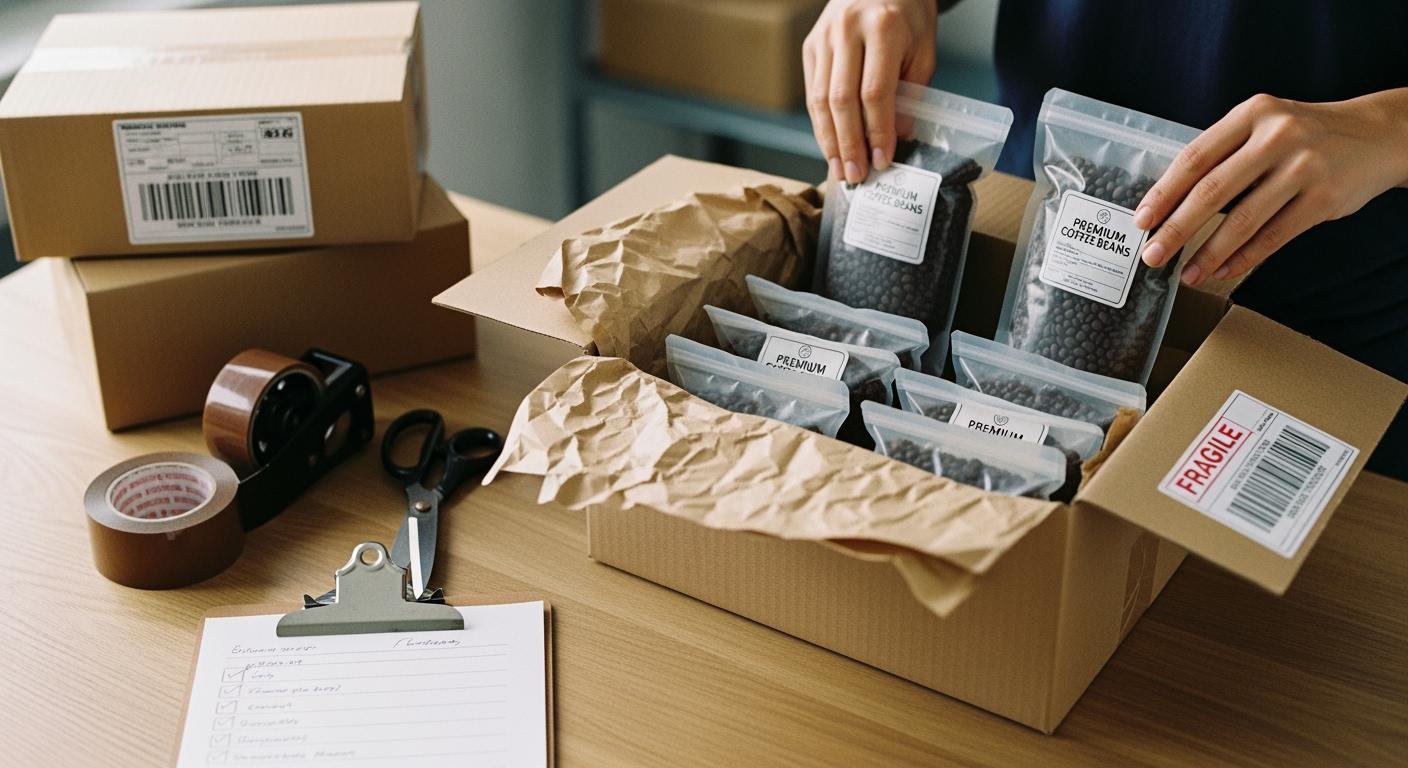
You want the best way to pack coffee for shipping. You need packaging that keeps your coffee fresh and safe. Over 30% of coffee beans lose quality during shipping because of poor packaging. Smart choices matter—70% of people buy based on packaging. BN PACK helps you deliver quality every time.
Best Way to Pack Coffee for Shipping
Key Principles for Coffee Packaging
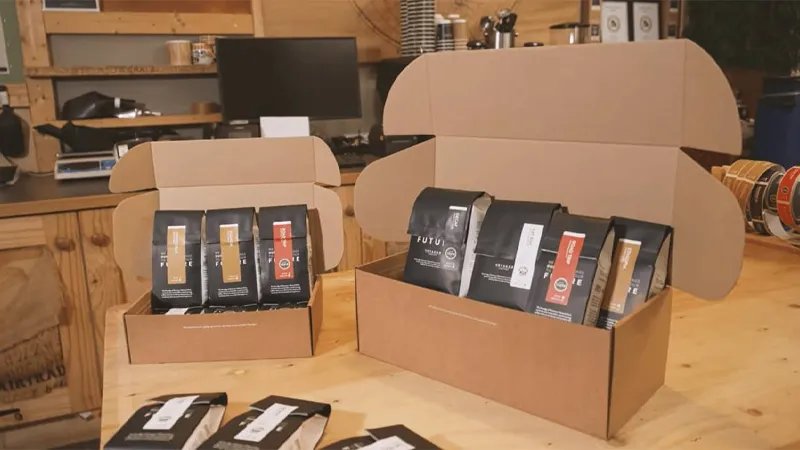
You want your coffee to stay fresh and safe. To pack coffee well, you need to know some important rules. Experts say there are steps you should follow to protect your beans and keep them tasting good.
Here are the main ideas:
Principle | Explanation |
|---|---|
Moisture Protection | Coffee beans can soak up water. This can cause mold and bad flavors. Keeping beans dry is very important. |
Light Exposure | Light, especially UV, can break down coffee oils. This changes how coffee smells and tastes. |
Air Exposure | Oxygen makes coffee go stale. If beans touch air, they lose flavor. You need to keep air away. |
Physical Damage | Rough handling can crack beans. Broken beans lose quality faster. |
Packaging for Green Beans | Jute bags help keep beans dry. Do not put them on concrete floors. |
Packaging for Roasted Coffee | Valve bags let gas out but keep air out. This helps roasted coffee stay fresh. |
FIFO Inventory Management | Use First In, First Out. Coffee gets old over time. Keep track of your beans. |
Transportation Practices | Handle coffee with care. The right containers stop damage and keep beans good. |
Moisture, light, and air are the biggest problems for coffee. High-barrier bags with one-way valves keep roasted coffee safe from air and water. For green beans, jute bags are good, but you must keep them dry and off the floor. Always handle coffee gently so you do not break the beans.
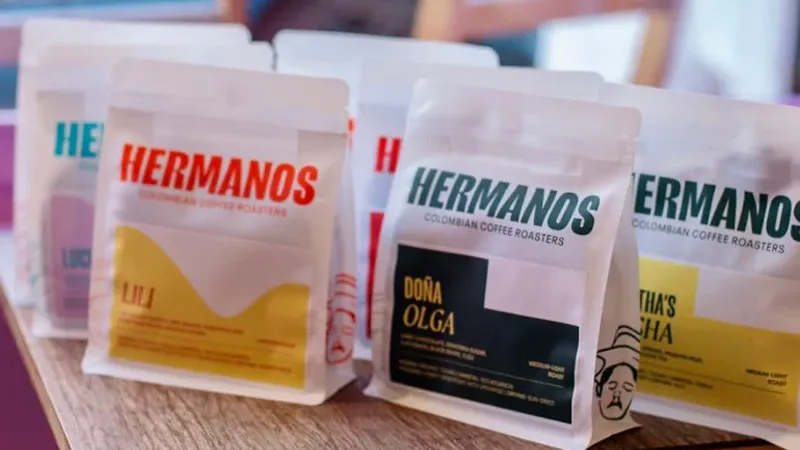
You may wonder which packaging is best for each coffee type. Stand-up pouches look nice and are easy to fill. Gusset bags hold more coffee but are harder to fill. Flat-bottom bags stand up well and are good for stores. Pillow pouches are cheap and simple for small amounts.
Tip: Test your bag size with your beans. Bean size changes how much fits in a bag. Testing helps you use space well and keeps coffee safe.
Why Packaging Matters for Freshness
Freshness is very important when you ship coffee. You want your customers to enjoy the smell and taste, not old or dull coffee. Good packaging keeps beans safe from oxygen, water, and light.
Packaging acts like a shield. It stops things outside from getting in. Aluminum foil bags are great for whole beans. They block light and water. One-way valves are very helpful. These let gas out but keep air from coming in. This is important because roasted coffee lets out gas after roasting.
Studies show airtight packaging keeps coffee fresh and smelling good. If you use an airtight canister or screw cap, the flavor lasts longer. Tests prove that good packaging really helps.
You also need to think about shipping dangers. Water can ruin coffee if it goes over 12.5%. Corrugated cardboard lining helps stop this. If you use closed containers, temperature changes can make water form inside. Packing and lining the right way helps stop this problem.
Remember these points:
Packaging keeps out air, water, and light.
Aluminum foil bags and strong materials protect taste.
One-way valves let gas out and keep air away.
Corrugated cardboard lining stops water during shipping.
Airtight containers keep coffee fresh and smelling good.
If you follow these tips, your coffee will arrive fresh and tasty. The best way to pack coffee for shipping is to use the right packaging, handle beans with care, and pay attention to every step.
Shipping Risks for Coffee
Moisture and Oxygen Exposure
There are big risks when you ship coffee. Water and air can hurt the beans. If coffee gets too wet, mold can grow fast. Air makes the beans taste old and not as good. Studies say that water levels go up fast in hot, wet places. You need to keep coffee dry and away from air. Hermetic packaging and desiccants help stop water. High-barrier bags block air and keep the smell safe. Check this table to see how storage changes quality:
Key Findings | Details |
|---|---|
Moisture Uptake | Beans soak up water fast in wet shipping places |
Sensory Defects | Bad storage gives coffee bad tastes |
Preservation | Best water level is between 17% and 22% |
Good packaging keeps coffee safe from these problems and keeps it tasting good.
Crushing and Impact
Shipping can be rough on coffee. Boxes get thrown and stacked high. Coffee beans can crack or break. Broken beans lose taste and quality. You need strong bags with kraft paper and foil layers. Multi-layer bags are even stronger. Degassing valves help too. They let gas out but keep air from getting in. This design stops damage from crushing and bumps. Flexible netting bags and corrugated trays give more safety for big shipments.
Temperature and Valve Issues
Heat changes during shipping can cause trouble. Containers get hot in the sun. Heat makes water rise and can “cook” the coffee. One-way valves are very important. They let carbon dioxide out but keep air away. Without valves, bags can puff up or even pop. Delays at ports make things worse. Tests show that valves keep pressure low and seals tight. You want packaging that handles heat and keeps coffee safe.
Tip: Always pick packaging with strong materials and one-way valves. This keeps your coffee fresh and stops damage when shipping.
Choosing Coffee Packaging Materials
High-Barrier Bags and Valves
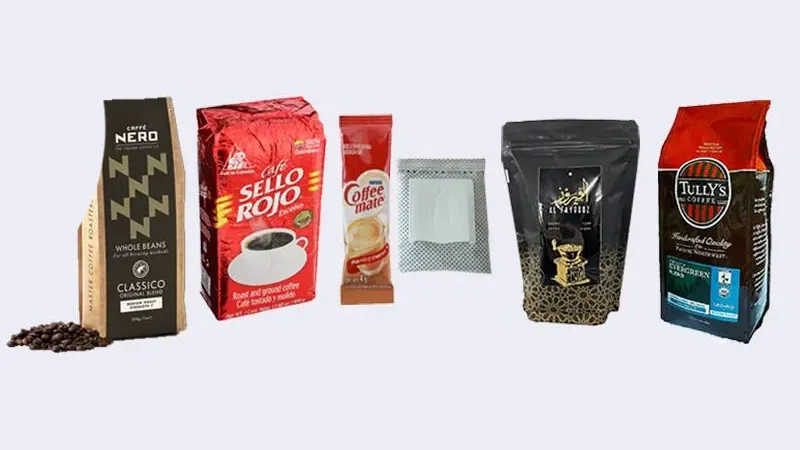
You want your coffee beans to stay fresh and safe. High-barrier bags with valves are a good choice. These bags keep out air and water. The valve lets gas out but blocks oxygen. This helps your coffee taste good for a long time. Here is how these bags help:
Benefit | Description |
|---|---|
Freshness Preservation | Stops oxidation and keeps the taste you want. |
Shelf Stability | Gives your coffee a longer shelf life. |
Visual Consistency | Bags stay neat, so your brand looks good. |
Environmental Impact | Many new designs support sustainability and can be recycled. |
The right packaging gives your coffee a longer shelf life. It also helps you waste less.
Vacuum Sealing and Nitrogen Flushing
Vacuum sealing takes out air from the bag. Nitrogen flushing works even better for coffee. Nitrogen is a safe gas that does not hurt your beans. It pushes out oxygen and keeps the flavor inside. Your coffee stays fresh, like when it was roasted. Nitrogen flushing is now a top way to keep coffee good during shipping.
Eco-Friendly Options from BN PACK
You want to help the planet. BN PACK has packaging that is good for the earth and your coffee. You can pick vacuum-sealed pouches, stand-up pouches, coffee bags with one-way valves, or resealable bags. These use food-safe laminates, foil, and materials that break down.
BN PACK gives you resealable bags and packaging that helps you meet your green goals.
Coffee Freshness in Shipping
Oxygen and Moisture Control
You want your coffee to taste good when it arrives. Oxygen and moisture are the biggest problems for freshness. If air or water touches your beans, you lose flavor. There are smart ways to keep coffee safe during shipping:
Good ventilation and lining in containers help keep beans safe.
Airtight or moisture-proof bags stop heat, water, and bad smells.
Container liners and ventilated containers lower the chance of condensation.
Watching temperature and humidity during shipping keeps coffee fresh.
Jute bags with inner liners, GrainPro bags, and vacuum-sealed bags are good for keeping coffee fresh.
These steps work together to protect your coffee’s flavor. If you control oxygen and moisture, you keep your coffee safe and your reputation strong.
Shelf Life and Degassing Valves
You want your coffee to stay fresh for a long time. Degassing valves are very important. After roasting, coffee lets out carbon dioxide. If this gas stays inside, bags can puff up or burst. Degassing valves let the gas out but keep oxygen away. This keeps flavor and makes shelf life longer. High-barrier bags with valves help lock in freshness. Your customers will taste the difference. If you pick packaging that handles gas and blocks air, your coffee stays tasty longer.
Tip: Always check your packaging for strong seals and working valves. This helps keep your coffee fresh and tasting great.
Outer Packaging for Coffee Shipping
Carton Strength and Size
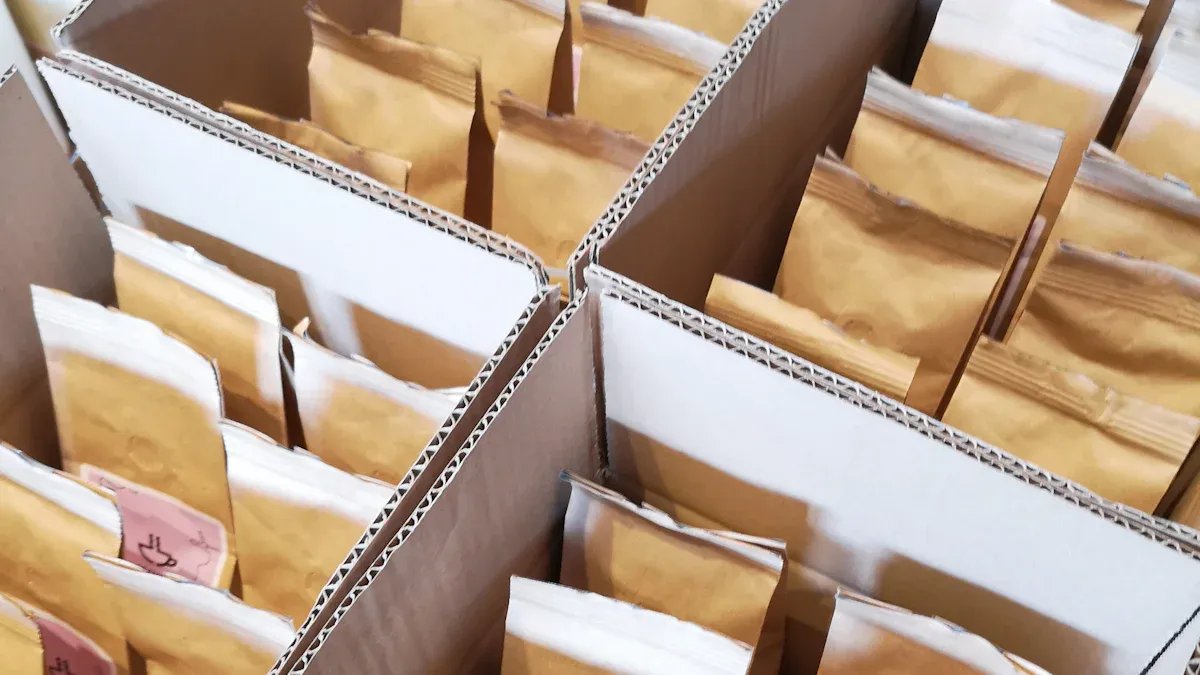
You want your coffee to get there safe and fresh. Strong boxes are important for shipping. Picking the right box keeps your coffee from getting crushed. Double-wall boxes are good for heavy coffee shipments. Single-wall boxes work for small orders. Your box should fit your coffee bags tightly. If the box is too big, things can move and break. Small boxes save space and keep coffee safe. Always check how much weight your box can hold before packing.
Cushioning and Void Fill
You need to fill empty spots in your box. This keeps coffee from moving around. Good padding protects your coffee from bumps. Here is a look at some common materials:
Material Type | Benefits | Use Case for Coffee Shipments |
|---|---|---|
Packing Peanuts | Fit around items and give light padding. | Great for filling spaces in coffee boxes. |
Foam Packing Blocks | Hold things tight and protect the edges. | Good for keeping coffee bags safe in shipping. |
Bubble Packaging | Wraps around breakable things and is strong. | Best for wrapping fragile coffee tools. |
Breaks down easily and is good for the earth. | Good for green coffee packaging. |
Packing peanuts are light and fill gaps.
Foam blocks hold coffee bags in place.
Bubble packaging wraps breakable things.
Eco-friendly paper is good for the planet.
Export Pallet Wrapping
You send coffee to other countries. You need to wrap boxes on pallets. Stretch film holds your boxes together. Wrapping tight stops boxes from moving. Pallet wrapping keeps out water and dust. Corner protectors add more safety. Always put clear labels on your boxes. This helps with customs and tracking. Pallet wrapping helps your coffee get there fresh and safe.
Comparing Coffee Shipping Methods
Ground vs Whole Bean Coffee
You have two main choices when packing coffee for shipping: ground or whole bean. Each needs different packaging methods. Ground coffee loses freshness quickly. You need airtight and resealable bags to keep air out. Nitrogen flushing works well for ground coffee and helps it stay fresh longer. Whole bean coffee keeps its flavor for a month or more if you store it right. You can use plastic bags or glass jars, but resealable options are best. Whole beans are less likely to go stale, so you have more flexibility with packaging.
Ground coffee needs more protection from air.
Whole bean coffee lasts longer and can use different packaging styles.
Nitrogen flushing is great for ground coffee freshness.
Retail vs Bulk Coffee Bags
You want your coffee to look good and stay fresh, whether you sell small bags or big ones. Retail bags need to stand upright on shelves and catch the eye. Pouch-style, gusseted, and square-bottom bags work well. One-way valves let gas escape but keep oxygen out. Resealable closures make your product feel premium. Bulk bags need strong materials and must follow legal rules. Always include product name, net weight, and your address on the label.
Feature | Retail Bags | Bulk Bags |
|---|---|---|
Valve | One-way valve | One-way valve |
Closure | Resealable | Resealable |
Label | Eye-catching, legal info | Legal info, roast date |
BN PACK custom coffee bags fit both retail and bulk needs. You can choose styles, sizes, and features that match your business.
Domestic vs International Shipping
Shipping methods change how you pack coffee. Domestic shipping is usually faster and faces fewer risks. International shipping methods need tougher packaging. Moisture and temperature can spoil coffee during long trips. You need high-barrier bags and strong boxes. Logistics coordination helps your coffee arrive fresh. BN PACK offers packaging solutions that protect your coffee, no matter where you ship it.
Tip: Always match your packaging to your shipping methods and coffee type. BN PACK helps you find the best fit for every situation.
International Coffee Shipping
Export Carton Standards
You want your cartons to protect your product during shipping. Export cartons need to be strong and reliable. Double-wall or triple-wall boxes work best for long trips. You should check the weight limit for each carton. If you pack too much, boxes can break. Always use cartons that fit your bags tightly. Loose cartons let things move and get damaged. You can add corner protectors for extra safety.
Carton Type | Strength Level | Best Use |
|---|---|---|
Single-wall | Low | Short trips |
Double-wall | Medium | Standard export |
Triple-wall | High | Heavy shipments |
Customs and Labeling
You need to follow rules for customs. Customs officers check your labels and documents. If you miss something, your shipment can get delayed. Always put clear labels on every box. Include product name, weight, origin, and your company details. You should add barcodes and batch numbers. This helps with tracking and makes customs checks faster. If you ship to different countries, check their rules for labeling.
Tip: Double-check your paperwork before shipping. Mistakes can cost you time and money.
Climate and Transit Time
You want your product to arrive fresh. Climate changes during shipping can affect quality. Hot weather can cause moisture problems. Cold weather can make beans brittle. You should use liners and moisture-proof bags. Transit time matters too. Long trips need stronger packaging. If your shipment takes weeks, pick high-barrier bags and sturdy cartons. Tracking your shipment helps you plan for delays.
Use moisture-proof liners for humid climates.
Pick strong cartons for long transit times.
Track your shipment to avoid surprises.
Manufacturer Insights: BN PACK Coffee Bags
Customization and Barrier Films
You want your packaging to stand out and protect your product. BN PACK lets you customize your coffee bags with different shapes, sizes, and finishes. You can pick from flat-bottom, stand-up, or gusseted designs. Barrier films keep your beans safe from moisture and air. These films help your coffee stay fresh and tasty. You can add features like resealable zippers, clear windows, or one-way valves. Custom printing makes your brand pop on the shelf.
Note: Custom options help you match your packaging to your business needs and customer preferences.
Consistent Sealing and Quality
You need packaging that seals tight every time. BN PACK uses advanced machines to make sure every bag closes well. Strong seals keep out air and water. This protects your product and keeps the flavor locked in. You get reliable packaging that supports your brand’s reputation for quality. BN PACK checks every batch for leaks and weak spots. You can trust your coffee will arrive safe and fresh.
Strong seals protect your product.
Quality checks catch problems early.
Reliable packaging builds trust with your customers.
Meeting Export Standards
You ship your product to many countries. BN PACK coffee bags meet strict export standards. The factory follows ISO9001 and BRC rules. You get packaging that passes safety and quality tests. Clear labels and batch numbers help with customs. BN PACK supports you with documents and advice for shipping. You can focus on growing your business while BN PACK handles the packaging details.
Export Feature | Benefit |
|---|---|
ISO9001/BRC | Trusted safety and quality |
Custom labeling | Smooth customs process |
Batch tracking | Easy shipment management |
Practical Tips for Coffee Shipping
Packing Checklist
You want your coffee to arrive fresh and safe. A good packing checklist helps you stay organized and avoid mistakes. Here’s a simple list you can follow:
Choose the right coffee packaging for your beans or grounds.
Check that your packaging has strong seals and working valves.
Use high-barrier bags to protect against moisture and air.
Pick eco-friendly packaging if you want to support sustainability.
Fill empty spaces in your shipping box with padding or void fill.
Use sturdy cartons that fit your coffee packaging tightly.
Add clear labels with product details and batch numbers.
Wrap pallets with stretch film for export shipping.
Tip: Double-check every step before you send your coffee. This helps you catch problems early.
Common Mistakes to Avoid
You can make your shipping process smoother by avoiding these mistakes:
Mistake | Why It Matters |
|---|---|
Weak packaging | Coffee can get crushed or spoiled |
Missing valves | Freshness drops quickly |
Overfilling boxes | Packaging can break during shipping |
Poor labeling | Customs delays and lost shipments |
Ignoring climate risks | Coffee loses quality in bad weather |
You should always use strong coffee packaging and check your seals. Don’t forget to label your packaging clearly. If you avoid these mistakes, your coffee will reach customers in great shape.
You want to ship coffee and keep it fresh. Freshness, protection, and reliability are important. Pick packaging that helps the planet. BN PACK can help you choose what works best. Use a checklist, talk to experts, and make sure every shipment is eco-friendly.