
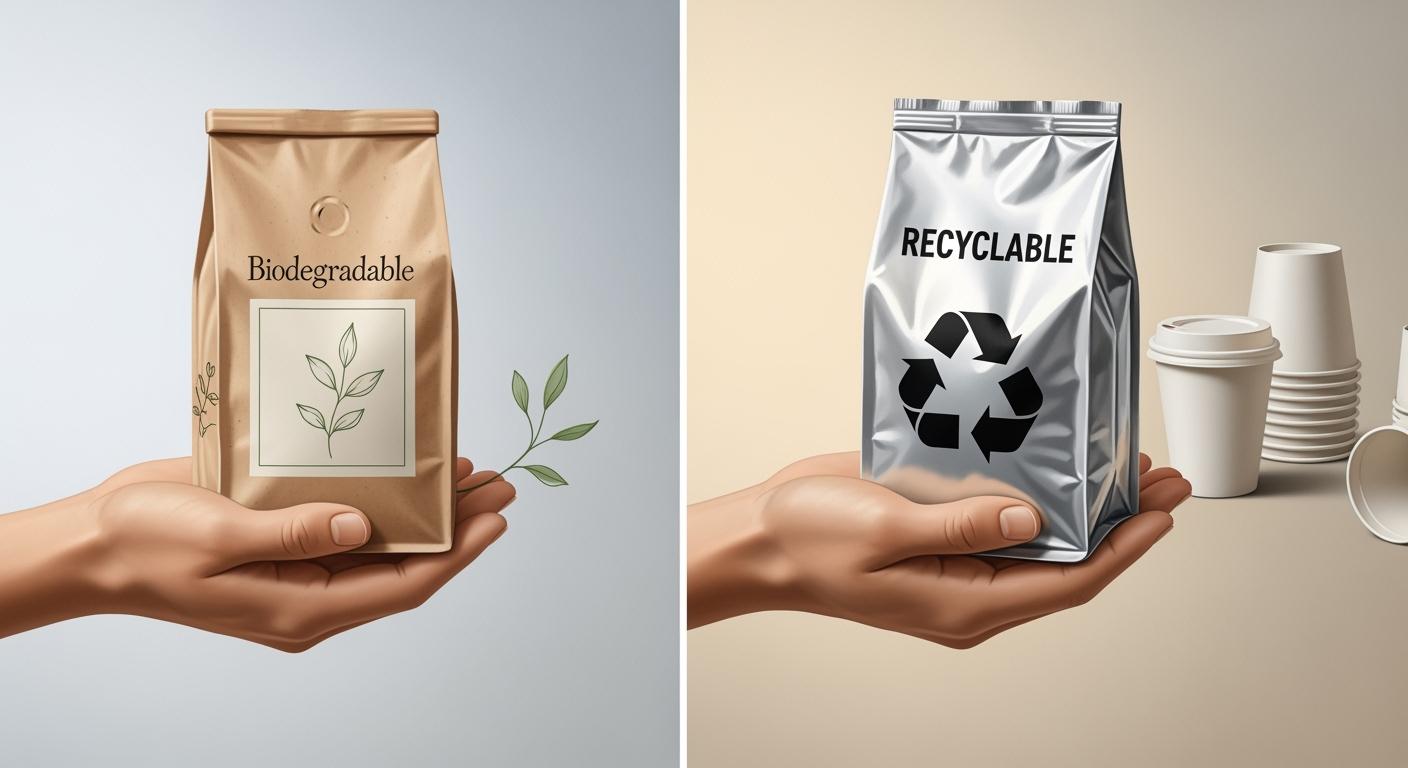
Biodegradable coffee packaging and recyclable coffee packaging both help the environment, but they work in different ways. You make smart choices about packaging when you pick eco-friendly options. Traditional coffee packaging makes millions of pounds of trash every year. Now, some brands use compostable, biodegradable, and recyclable materials. These choices lower your carbon footprint and help a sustainable coffee industry. You should think about your local recycling and composting options. You should also think about your product needs and how much you care about sustainability before you pick the best packaging.
Biodegradable Coffee Packaging Overview
What Is Biodegradable Coffee Packaging
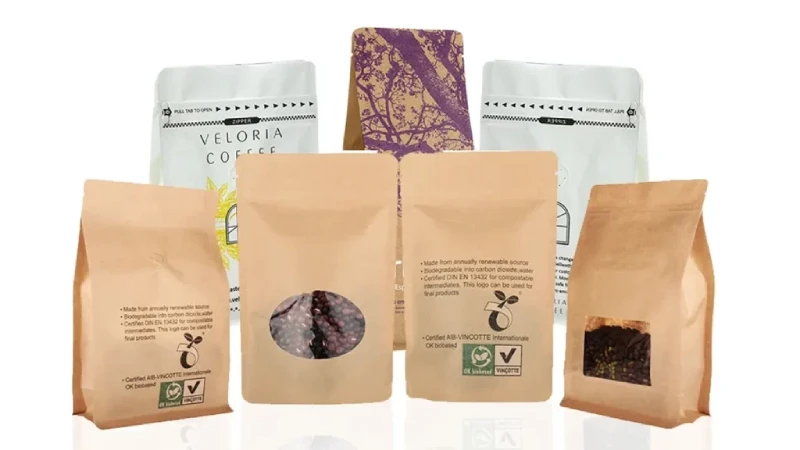
If you pick biodegradable coffee packaging, it breaks down by itself. This packaging uses things that go back into the earth. It does not leave anything bad behind. Using these choices helps stop pollution. It also helps make packaging better for the planet. Many coffee brands now sell compostable coffee bags and pods. People want greener choices. Biodegradable coffee packaging matches your wish to help nature.
Materials And Decomposition
Biodegradable coffee packaging uses different materials. Each one breaks down in its own way. The table below lists some materials and how they break down:
Material | Description | Decomposition Process |
|---|---|---|
PLA (Polylactic Acid) | Biodegradable material from corn starch or sugarcane. | Needs special composting places; breaks down with certain conditions. |
PBAT | Flexible biodegradable plastic, often blended with other bioplastics. | Breaks down in both special and home compost bins. |
Eco-friendly, compostable material used for coffee bags. | Can be composted; may need extra liners to keep out water. | |
Cellulose Film | Made from wood pulp, fully biodegradable and compostable. | Good at blocking air; breaks down in compost bins. |
Biodegradable Laminates | Combines layers of compostable materials for enhanced properties. | Compostable; breaks down depending on what it is made of. |
Composting is important for breaking down these materials. Some need special places to compost. Others can break down at home. Compostable coffee bags made from these materials help you make less pollution.
BN PACK Biodegradable Bags Features
BN PACK makes biodegradable coffee packaging that is good for the earth. These bags use things like plant starches, corn, and compostable polymers. The bags are strong and keep coffee fresh. You can pick the size and design you want. BN PACK’s bags follow tough rules for composting and biodegradability.
You can count on BN PACK’s biodegradable coffee packaging for your green goals. These bags work for coffee, food, and other things. You help the earth when you pick compostable coffee bags from BN PACK.
Recyclable Coffee Packaging Explained
What Is Recyclable Coffee Packaging
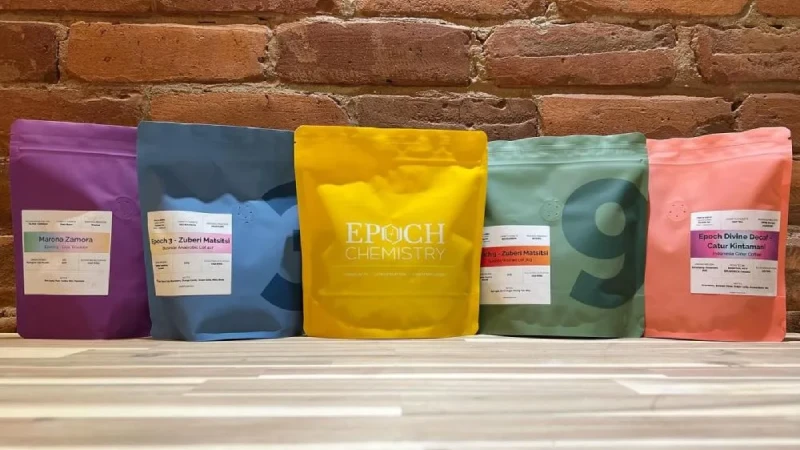
You see recyclable coffee packaging almost every day. This packaging lets you use materials again instead of tossing them out. When you pick recyclable coffee bags, you help the earth. These bags use things that recycling centers can turn into new items. Many coffee brands now have recyclable coffee packaging for people who care about the planet.
Here are some materials found in recyclable coffee bags:
Material Type | Recyclability | Notes |
|---|---|---|
Kraft Paper | Renewable | Needs extra liners to protect, which can change if it can be recycled. |
Post-consumer Recycled (PCR) | Recyclable | Made from old recycled stuff, which helps the environment. |
Biodegradable | Used for being eco-friendly, but not always easy to recycle. |
You will see these materials in lots of recyclable coffee bags. Each one helps the earth in its own way.
Materials And Recycling Process
It is important to know how recycling works for coffee packaging. The way you recycle depends on what the bag is made of. Some bags use kraft paper. You can recycle clean kraft paper with other paper. Post-consumer recycled materials get used again to make new bags. Rice paper sometimes breaks down like biodegradable stuff, but not every recycling place takes it.
Other recyclable coffee bags use composite packaging and LDPE. Composite packaging, like bags with foil, cannot go in normal recycling bins. You need special programs like TerraCycle for those. LDPE packaging is easier to recycle. Special places handle LDPE and keep it out of the trash.
Tip: Always look at your local recycling rules before throwing away coffee bags. Bags that are clean and dry are best for recycling.
Accessibility And Consumer Use
You might wonder if recycling coffee packaging is easy. In big cities, you can find recycling centers and curbside pickup for coffee bags. In the country, there are sometimes drop-off spots, but recycling is harder. Some places do not have enough recycling centers. This makes it hard to recycle all your coffee bags.
The EPA tries to make recycling better in the United States. Some places have new programs and better ways to recycle. But many areas still need more recycling spots. You can help by learning about your local recycling and picking recyclable coffee packaging when you can.
Environmental Impact Of Coffee Packaging
Biodegradable Packaging And The Environment
When you pick biodegradable coffee packaging, you help nature. These bags break down into natural parts if composted right. Biodegradable packaging can make soil better and help plants grow. If you put these bags in a landfill, they may not break down well. Landfills do not have enough air or sunlight, so the process is slow. You need good composting programs nearby to get the best results.
Biodegradable coffee packaging uses plant starches, corn, and compostable polymers. These materials go back to nature and do not leave bad waste. Picking safe packaging helps the planet’s future. Many cities now have composting programs. You can check if your city has one. Composting these bags cuts down on pollution and helps the earth.
Note: Biodegradable packaging works best where there are strong composting programs. You make a bigger difference when you throw away these bags the right way.
Recyclable Packaging And The Environment
You see recyclable coffee packaging in lots of stores. This packaging lets you use materials again instead of throwing them away. Recycling centers turn old coffee bags into new things. When you recycle your coffee packaging, you help the earth.
Here is a table that shows how recyclable coffee packaging helps keep trash out of landfills:
Evidence Description | Impact on Landfill Waste Reduction |
|---|---|
Traditional multi-layer materials are difficult to recycle. | Recyclable packaging can be processed through existing recycling systems, reducing landfill waste volume. |
Flexible packaging constitutes 40% of all plastic packaging, but only 5% is recycled. | Recyclable coffee packaging helps lessen the load on landfills by eliminating composite sheets. |
Material separation is a primary issue with conventional coffee packs. | Many layers end up in landfills or incinerators, exacerbating carbon emissions and environmental degradation. |
Recycling coffee bags helps the environment. You keep trash out of landfills and cut down on pollution. Recycling also saves energy because it uses less power than making new things. You need to clean and sort your coffee bags before recycling. Some places have better recycling programs than others. You can check your local rules to recycle the right way.
Tip: You help more when you recycle clean and dry coffee bags. You help your town and the planet.
Comparing Carbon Footprint
You lower your carbon footprint by picking biodegradable or recyclable coffee packaging. Compostable coffee bags use less energy to break down. Composting these bags helps the earth. You need good composting programs for this to work. If you throw biodegradable bags in the trash, they might not break down and can still pollute.
Recyclable coffee packaging is easy to use. You can use recycling centers to process these bags. This helps save energy and cuts down on new materials. If you do not recycle the bags right, they may end up in landfills and cause more pollution.
You should think about your local waste programs. Compostable bags have a lower carbon footprint, but only if you compost them. Recyclable bags work well if your area has good recycling. You make the best choice when you match your packaging to what your town offers.
Callout: You help the coffee industry and the earth when you pick packaging that fits your local composting or recycling system. You help cut pollution and protect nature.
Practical Pros And Cons
Durability And Shelf Life
You want your coffee to stay fresh. Durability and shelf life are important. Biodegradable coffee packaging uses plant-based materials. These materials break down faster than others. So, they do not last as long. Recyclable coffee packaging uses stronger materials. These keep out moisture, oxygen, and light better. The table below shows the differences:
Packaging Type | Durability | Shelf Life | Protection Against Moisture, Oxygen, Light |
|---|---|---|---|
Biodegradable | Lower | Shorter | Less effective |
Recyclable | Higher | Longer | More effective |
If you need to store coffee for a long time, pick recyclable packaging. It gives better protection. Biodegradable packaging is good for short-term use. It is also good for brands that care about the environment.
Cost And Availability
The price of coffee packaging changes by type. Biodegradable packaging often costs more. It uses renewable resources and special materials. Here are some prices for biodegradable coffee pouches:
4oz Kraft Compostable Stand Up Pouches with Valve – $67.95
8oz White Compostable Stand Up Pouches with Valve – $75.25
12oz Kraft Compostable Stand Up Pouch with Valve – $88.25
16oz Kraft Compostable Stand Up Pouches with Valve – $96.95
Where you live affects what packaging you can buy. North America and Europe have more choices. Countries like Germany and France have strong rules for packaging. In Asia-Pacific, there are more options as coffee gets popular. Many brands now use sustainable packaging. People want eco-friendly products.
Consumer Convenience
You want packaging that is easy to use. You also want it to be good for the planet. Biodegradable coffee packaging breaks down in compost. You need to put it in the right place to decompose. Recyclable coffee packaging goes to recycling centers. If you recycle it right, it can last a long time. It can become something new. The table below shows what makes each type convenient:
Factors | Biodegradable Coffee Packaging | Recyclable Coffee Packaging |
|---|---|---|
Decomposition process | Breaks down in compost | Needs recycling facility |
Time to decompose | Weeks to months | Indefinite if recycled |
Environmental impact | Reduces landfill waste, enriches soil | Saves energy, reduces raw materials |
Cost | Often more expensive | More cost-effective |
Durability | Less durable | More durable |
Branding opportunities | Shows eco-friendly values | Trusted, but less focus on green |
Almost 70% of shoppers say packaging matters for coffee. Half care most about convenience. One-third will not buy again if packaging is hard to use. You help the planet and enjoy your coffee more when you pick packaging that fits your needs.
Real-World Challenges
Infrastructure And Disposal
You need special places to throw away coffee packaging the right way. Many cities have recycling centers. Not every place has big composting sites. Biodegradable coffee packaging breaks down best in these special places. If your town does not have them, the packaging goes to landfills. In landfills, it breaks down very slowly. Sometimes, it takes years. You help nature most when you pick packaging that matches your local waste system.
Tip: Find out if your town has big composting sites before you pick biodegradable coffee packaging. This helps your packaging break down fast and safely.
Common Misconceptions
People believe many things about coffee packaging that are not true. Knowing what is real helps you make smart choices. Here are some myths and facts:
Myth: Biodegradable plastics can be recycled.
Truth: Biodegradable plastics like PLA cannot go in recycling and can mess up recycling streams.Myth: Biodegradable plastics are always better for the earth than regular plastics.
Truth: These plastics can make methane when they break down and need resources to make.Myth: PLA plastic is just as bad as regular plastic.
Truth: PLA has a smaller carbon footprint and comes from things that grow back.Myth: BioCups cannot be recycled.
Truth: You can compost BioCups in special green bin programs.
Note: Learning what is true about packaging helps you avoid mistakes and helps real sustainability.
Failure Modes
Coffee packaging has problems in real life. You should know what can go wrong so you can choose better. The table below shows common problems for biodegradable and recyclable packaging:
Type of Packaging | Failure Mode | Description |
|---|---|---|
Biodegradable | Wrong setting | In landfills, breakdown is slow and can make methane. |
Biodegradable | Vague timing | Claims without time or conditions are just marketing. |
Biodegradable | Residues | Without good testing, tiny plastics may stay behind. |
Compostable | No facility | No big composting site or the material is not accepted. |
Compostable | Incompatible parts | Valves, zippers, labels, inks, and glues can cause rejection. |
Compostable | Home‑compost confusion | Backyard piles change in heat and wetness; many materials do not break down all the way at home. |
Recyclable | System vs. lab | Laminates, shiny films, dark colors, or small pieces get treated as trash. |
Recyclable | Contamination | Oil or coffee grounds can ruin or waste whole loads. |
You help the earth more when you know these problems. Pick packaging that works with your local waste system and always follow the right steps for recycling or composting.
After Disposal: What Happens Next
Biodegradable Packaging Breakdown
If you pick BN PACK Biodegradable Bags, you help the earth after use. These bags are made from plants and break down on their own. In a big composting center, they turn into soil in months or years. How fast they break down depends on heat, water, and sunlight. At home, these bags take longer to break down in a compost pile. In a landfill, they break down even slower because there is not much air or light.
Tip: You get the best results if you send biodegradable bags to a big composting center. This helps them turn into soil faster and keeps trash out of landfills.
Recyclable Packaging Processing
Recyclable coffee packaging goes through a different process. You should check if your recycling center takes coffee bags. Many home recycling programs do not accept empty coffee bags. This is because most bags have more than one material. Most coffee bags have a plastic lining inside, which makes them hard to recycle. The best choice is to use recyclable paper bags or reusable containers if you can.
If you use coffee pods, you must take them apart before recycling. You need to remove the plastic or metal shell, the foil top, the filter, and the coffee grounds. Clean each part before putting it in the right bin. This takes time, but it helps keep recycling clean.
Most recycling centers do not take coffee bags with mixed materials.
Plastic linings inside bags make recycling hard.
Try to use recyclable paper bags or containers you can use again.
For coffee pods, take apart and clean each piece before recycling.
End-Of-Life Scenarios
How you throw away packaging matters for both types. If you compost biodegradable bags in the right place, they turn into good soil. If you recycle coffee packaging the right way, it can become new things and make less trash. If you put packaging in the wrong bin, it may go to a landfill and break down very slowly or not at all.
Note: Your city’s rules decide what happens next. Always check your local composting and recycling rules. When you make smart choices, you help the earth and make the future cleaner.
Choosing The Right Coffee Packaging
Factors To Consider
You have lots of choices for coffee packaging. You want to keep your coffee safe and help the earth. You also need to think about your customers and where you live. Picking the best packaging depends on a few things.
First, check how your town handles trash. Some places recycle a lot. Other places have good composting centers. How your area deals with waste changes what packaging works best. If your city has composting, biodegradable bags break down fast and help the dirt. If your city recycles well, recyclable bags can be made into new things.
Next, think about what your customers like. Some people care about the earth. Others want packaging that is simple to use. You should also see how people throw away trash in your area. If most people recycle, recyclable packaging is a smart pick. If many people compost, biodegradable packaging is better.
You also need to look at what the packaging is made of. Some materials keep coffee fresh for a long time. Others break down quickly in compost. You want packaging that fits your coffee and your customers’ habits.
Tip: Always learn about your local waste system before you choose packaging. This helps you pick the best choice for the planet.
You can see that biodegradable and recyclable coffee packaging are not the same. Biodegradable packaging turns into soil after you throw it away. Recyclable packaging gets made into new things. What you pick depends on your town’s waste programs and how much you care about the planet. BN PACK gives you packaging that keeps coffee fresh and helps your brand look different.
Benefit | Description |
|---|---|
Freshness Protection | Coffee beans stay fresh and safe while stored or shipped. |
Brand Differentiation | Special packaging lets companies show their brand and prove they care about the earth. |
Use of Sustainable Materials | Uses biodegradable, compostable, or recyclable materials to match eco-friendly brands. |
You can find out more about green coffee packaging by reading guides.
The guide talks about green materials and what to think about for coffee packaging.
It shows why it is important to know facts about different materials and supply chains.
It lists five main ways to check how packaging affects the earth.
The article says all parts of multilayer coffee packaging should be biodegradable, compostable, or recyclable.
It explains how inks and labels matter for the earth and says to use water-based inks with less pollution.
It says there are no 100% biodegradable choices yet, but recycling helps the earth more.
Many coffee brands now use packaging made from one material, compostable, or biodegradable options to help the planet. You can make your packaging better by picking green materials, using smart designs, and talking to customers online.