
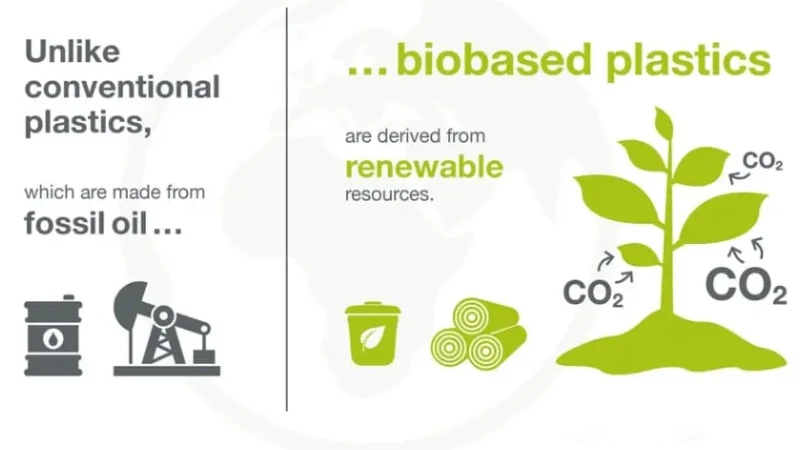
You want the best eco-friendly packaging for 2026. When considering Bioplastics vs Fossil Plastics, bioplastics are a good choice, but fossil plastics are currently used more. Right now, bioplastics represent only a small part of the packaging market. However, bioplastics are growing by more than 20% each year. You have a significant decision to make because bioplastics might soon account for almost half the market. Understanding the differences between Bioplastics and Fossil Plastics will help you choose the best option for your needs.
The Packaging Sustainability Challenge
Environmental Impact Overview
You see packaging in many places, like stores and deliveries. Most packaging uses materials that are bad for the Earth. Packaging hurts the environment a lot. Using traditional plastics adds to greenhouse gases. In 2019, plastics made 1.8 billion tonnes of greenhouse gases. This was 3.4% of all the world’s emissions. This number will get bigger because plastic use will triple by 2060. Burning plastic packaging puts out harmful chemicals. This makes air pollution worse. Even paper packaging can pollute when it breaks down in landfills. It releases methane, which is a strong greenhouse gas. These problems cause harm to nature and animals.
Aspect | Evidence |
|---|---|
Greenhouse Gas Emissions | Making and throwing away traditional packaging makes a lot of greenhouse gases. This adds to climate change. |
Pollution | Burning plastic packaging puts bad chemicals in the air. Paper packaging in landfills can make methane, which is a strong greenhouse gas. |
Sustainable Solutions | Sustainable packaging uses materials that need less energy to make. They are also easier to recycle or throw away. This lowers their carbon footprint. |
Need for Alternatives
There are new rules and expectations for packaging. Many states now say you must use some recycled content. If you do not follow these rules, you might pay more or get fined. Companies also have to keep track of recycling and where materials come from. This can be hard for small teams. These problems make you look for better choices for the environment.
New studies show some other packaging can cut emissions by up to 70% compared to traditional plastics.
Companies now want to make less waste.
You see new ideas, like mono-material films and biodegradable parts, to help the environment.
You need packaging that makes less pollution and uses fewer resources. Picking better materials helps the planet and follows new rules.
Bioplastics vs Fossil Plastics
What Are Fossil Plastics?
You use fossil plastics every day. These materials are made from oil, coal, or natural gas. Factories have made them for more than 70 years. You see them in bottles, bags, and wrappers. They last a long time and do not break down fast. This makes them helpful but also bad for the planet.
You can look at the main properties of fossil plastics in this table:
Property | Fossil Plastics | Bioplastics |
|---|---|---|
Moisture Content | Below 0.4% | Higher moisture content |
Volatile Matter | Greater than 99.38% | Lower volatile matter |
Ash Content | Less than 0.22% | Higher ash content |
Carbon Content | 37.14% – 59.53% | Higher carbon content in PLA |
Oxygen Content | 26.43% – 43.17% | Higher oxygen content in PLA |
Hydrogen Content | Up to 5.12% | Lower hydrogen content |
Calorific Value | Class 1 (≥ 25 MJ/kg) | Class 2-4 (≥ 10-20 MJ/kg) |
C=O Groups | Not evident | Present in bioplastics |
C-H Bending | Lower intensity | Higher intensity in bioplastics |
Fossil plastics have low moisture and high energy value. They do not have C=O groups, so they do not break down like bioplastics. You can see these differences when you compare bioplastics vs fossil plastics.
What Are Bioplastics?
People talk about bioplastics as a new way to make packaging. Bioplastics come from plants or other living things. Factories use corn, sugarcane, or seaweed to make them. Some bioplastics use food crops, and some use waste like husks or stalks. You can also find bioplastics made from algae or bacteria.
Here are some common sources for bioplastics:
Corn or sugarcane for polylactic acids (PLAs)
Microorganisms for polyhydroxyalkanoates (PHAs)
Food-based crops like soybeans or sugar beets
Non-food biomass such as wood or plant waste
Seaweed and algae for newer types
Bioplastics can be made fully or partly from plants. Some break down in nature, but some do not. You need to check the label to know if a bioplastic is compostable or just plant-based. Some biodegradable plastics still come from fossil sources, so you must read carefully.
When you compare bioplastics vs fossil plastics, you see that bioplastics have more moisture and ash. They also have special chemical groups that help them break down faster. This makes them better for the environment in many cases.
Tip: Always look for clear labels on packaging. Not all bioplastics are compostable or recyclable.
Market Share and Global Use
More companies use bioplastics every year. The market for bioplastics in packaging is growing fast. In 2025, experts say the market will be $6.27 billion. By 2030, it could reach $15.25 billion. This means the market grows by over 20% each year.
Metric | Value |
|---|---|
Market Valuation (2025) | USD 6.27 billion |
Projected Market Valuation (2030) | USD 15.25 billion |
CAGR (2025-2030) | 20.67% |
This growth happens because people want less pollution and more sustainable solutions. Many countries now have rules that support bioplastics. The European Union gives money and help for research. Governments set standards and labels to help you pick better packaging. They also buy more bio-based products for public use.
You notice that fossil plastics still control most of the packaging market. They are cheap and easy to make. But the demand for bioplastics keeps going up. More companies invest in new technology and better materials. You see more bioplastics in stores, especially for food and drink packaging.
When you compare bioplastics vs fossil plastics, you see that bioplastics are growing quickly. You also see that fossil plastics still play a big role. You need to think about cost, rules, and the environment when you pick the best packaging for your needs.
Environmental Impacts
Carbon Emissions
You can help the planet by picking better packaging. When you use bioplastics, you help lower carbon emissions. Bioplastics make less greenhouse gas during their life. The plants used for bioplastics take in carbon dioxide as they grow. This means bioplastics do not add extra carbon when they break down. Fossil plastics are made from oil and gas. They add more carbon to the air and make climate change worse. Bioplastics have a smaller carbon footprint than fossil plastics.
Pollution and Wildlife
Plastic waste is a big problem everywhere. Fossil plastics cause water and air pollution. They put bad chemicals in rivers and lakes. They also pollute the air when they are made. Bioplastics use plants and are usually less polluting. But both types of plastic can hurt animals if not thrown away right. Animals can eat plastic or get stuck in it. Even biodegradable bioplastics may not break down fast in nature. This can still harm the environment.
Aspect | Traditional Plastics | Bioplastics |
|---|---|---|
Water Pollution | Release of toxic chemicals into water | Generally less polluting |
Air Pollution | Release of pollutants during manufacturing | Non-toxic and renewable raw materials |
Breakdown Time | Can take hundreds of years to decompose | Typically breaks down faster |
Impact on Wildlife | Threat to wildlife from ingestion and entanglement | Less harmful to ecosystems |
Note: Bioplastics can still make waste if you do not recycle or compost them the right way.
Resource Use
You should think about what is used to make packaging. Fossil plastics need oil and gas that cannot be replaced. Making them uses a lot of energy and water. Bioplastics use plants, but they also need land and water to grow. The water used for bioplastics can be high, from 1.4 to 9.5 cubic meters for each kilogram. Land use can be up to 13.75 square meters for each kilogram. If all fossil plastics were replaced with bioplastics, a lot of farmland would be needed. This could take land away from growing food and cause more problems for the planet. Recycling helps save resources for both types of packaging. You should always recycle and pick packaging made from plants when you can.
Fossil plastics use oil and gas and make plastic waste.
Bioplastics use plants but can still make waste if not handled well.
Recycling helps the planet and saves resources.
End-of-Life and Practical Issues
Landfill and Incineration
After you throw away packaging, it goes to landfills or gets burned. Most packaging, even bio-plastics, ends up in these places. Landfills do not help bio-plastics break down fast. Bio-plastics can stay in landfills for many years. Fossil plastics also last a long time in landfills. Burning packaging puts bad gases into the air. Some bio-plastics make less pollution when burned. But burning still hurts the environment. If you do not sort packaging right, it makes more waste.
Bio-plastics need special places to break down.
Landfills and burning do not help bio-plastics decompose.
Burning packaging adds pollution to the air.
Compostability of Bioplastics
Many packages say they are compostable, but not all bio-plastics break down at home. Some bio-plastics need big composting centers to break down. Tiny organisms eat them in these places. Other bio-plastics break down very slowly. They may not count as compostable. Some cities collect compostable packaging, but not all do. Labels like the Biodegradable Products Institute (BPI) Compostable Label show if a package meets composting rules. The FTC says compostable products must help soil. Most bio-plastics need special composting centers to break down. You may not have these centers near you. Some composters do not take bio-plastics because they look like regular plastics.
Composting works best for bio-plastics in big centers.
Not all composters take bio-plastics, even with compostable labels.
Always check labels and local rules before putting packaging in the compost bin.
Tip: Look for the BPI Compostable Label. Check if your city takes bio-plastics in compost bins.
Recycling Challenges
Recycling bio-plastics and fossil plastics is hard. Sorting machines cannot always tell them apart. This mixes up recycling and lowers quality. Biodegradable plastics can change recycled materials and make them less useful. There are many types of bio-plastics, but not much of each type. This makes recycling expensive and hard. Most bio-plastics need special composting, which is rare. If you put bio-plastics in the wrong bin, they go to landfills or mess up recycling. In the ocean, bio-plastics break down slowly, just like fossil plastics. This hurts sea life.
Challenge | Description |
|---|---|
Contamination Issues | Biodegradable plastics mix with regular plastics and lower recycling quality. |
Sorting Difficulties | Machines cannot always tell bio-plastics from other plastics. |
Economic Barriers | Small amounts and many types make recycling expensive. |
End-of-Life Complexities | Many bio-plastics need special composting, which is not common. |
You can help by learning about recycling and composting in your area. Always sort packaging the right way to help the planet.
PLA and Other Bioplastics in Packaging
Benefits of PLA
You can find polylactic acid, or PLA, in many new packages. PLA is made from plants like corn or sugarcane. This is not the same as fossil plastics. When you pick plant-based bioplastics like PLA, you help the Earth. These materials use less oil and gas. They also make less greenhouse gas because crops take in carbon dioxide as they grow.
PLA is easy to shape into bottles, cups, and films. It melts at a lower temperature, so factories use less energy to make it. PLA is safe for food and does not give off bad chemicals when recycled. If you compost PLA in the right place, it will break down and go back to the earth.
Here is a table that shows why you might choose PLA instead of other options:
Benefit | Description |
|---|---|
Renewable Sourcing | PLA comes from renewable plant-based sources, not fossil fuels. |
Lower Carbon Footprint | Making PLA gives off less greenhouse gas. Crops used for PLA take in CO2 from the air. |
Ease of Processing | PLA melts at a lower temperature, so it uses less energy to shape. |
Compostability | PLA can break down in composting centers, helping the environment. |
Less Toxic Emissions | Burning PLA makes fewer toxic fumes than oil-based plastics. |
Food Safety | PLA does not cause food contamination when recycled. |
Tip: Try to pick packaging made from plants to help the planet.
Limitations and Infrastructure
There are some problems when you use PLA and other bioplastics. Most cities do not have enough composting centers for these materials. If you throw PLA in the trash, it will not break down fast in a landfill. You cannot recycle PLA with regular plastics. Mixing PLA with other plastics makes recycling harder for everyone.
PLA costs more than fossil plastics. This makes it harder for companies to use PLA for all products. Plant-based bioplastics need more help and better systems to become more popular.
Here is a table that explains the main problems:
Evidence Type | Description |
|---|---|
Inadequate Facilities | Few places in the U.S. can compost PLA, so most ends up in landfills. |
Recycling Challenges | PLA cannot go in regular recycling bins and can cause problems if mixed. |
Economic Viability | PLA costs more than fossil plastics, so it is less common in cheap products. |
Note: Always check your local rules before composting or recycling bioplastics. This helps keep recycling clean and working well.
Compostable and Recyclable Fossil Plastics
Compostable Fossil Plastics
Some fossil plastics say they are compostable. These are made to break down in composting places. Companies say they are good for the Earth, but you should know more before picking them.
Compostable plastics often do not break down as they should. Most composting places cannot tell them from other plastics. Workers take them out and send them to landfills.
These plastics can leave small pieces called microplastics. Microplastics can stay in dirt and get into food and water.
Compostable plastics usually cost more than normal plastics. They can also make things harder for people who handle waste.
You might think you help the Earth by using compostable plastics, but they can make more waste if not handled right.
Tip: Always check if your local compost place takes compostable plastics. If not, try to use less packaging you throw away after one use.
Recyclable Plastics
You use recyclable plastics all the time. These include PET bottles, HDPE bottles, and some food containers. Recycling helps keep plastic out of landfills and saves resources.
In 2018, about 29% of PET bottles and jars were recycled. HDPE natural bottles had about the same rate.
About 36% of all plastic made is used for packaging. Most of this, around 85%, goes to landfills.
Only about 20% of PET, HDPE, and PP plastics in the U.S. are recycled.
You can help by sorting your packaging and learning which plastics can be recycled. Not all plastics go in the recycling bin. Some, like black trays or plastic bags, are hard to recycle. When you recycle the right way, you help cut down waste and protect nature.
Plastic Type | Common Use | Recyclable? | Typical Recycling Rate |
|---|---|---|---|
PET | Water bottles | Yes | 29% |
HDPE | Milk jugs | Yes | 29% |
PP | Yogurt cups | Sometimes | 20% |
Note: Clean and dry your recyclable plastics before putting them in the bin. This helps recycling work better.
Circular Economy in Packaging
Circular Design Principles
You can help the Earth by picking smart packaging. Circular economy means you think about a package’s whole life. It is not just about using it once. Companies now make packaging you can use again, recycle, or compost. You see packages that are lighter and thinner. These use fewer resources. Many packages use recycled or renewable materials to make less waste.
Pick packaging you can use again or recycle.
Choose products made from renewable, compostable, or biodegradable materials.
Look for packaging that uses less material but still keeps things safe.
Support brands that use recycled stuff in their packaging.
Make sure the packaging can be collected and handled after you use it.
Some companies use only one kind of plastic in a package. This makes recycling easier for everyone. Others use recycled plastics to keep materials in use longer.
Material Roles in the Circular Economy
You are important in how materials move in the circular economy. Bioplastics and fossil plastics both have a part to play. Bioplastics can go into recycling systems. Some break down in composting centers. These materials often come from plants. This helps lower carbon emissions. Fossil plastics can be recycled too, but they need oil and gas.
Bioplastics can help cut down single-use plastic waste. You can recycle or compost them. But you need the right places to do this. Some cities do not have the right composting or recycling centers yet.
New rules now help bioplastics grow. This helps us move toward a low-carbon future. Studies show bioplastics can have a smaller carbon footprint than fossil plastics.
You see new ideas in packaging every year. Companies use plant-based materials, recyclable designs, and better ways to make packages. For example, Papira is a foam made from plants. You can recycle or compost it. Heat-sealable paper and high-barrier paper also replace single-use plastics and protect products well.
Innovation | Description |
|---|---|
Renewable Materials | Companies use plant-based resources for packaging. |
Recyclable Formats | New designs make it easier for you to recycle packaging at home. |
Circular Design | Packaging is made to stay in use longer and return to the system after use. |
You can help by learning about recycling in your city. Pick packaging made from renewable or recycled materials. When you make these choices, you help build a better system for everyone.
You have to pick between bioplastics and fossil plastics for packaging in 2026. Bioplastics are better for the planet and use things that grow back. Fossil plastics are used a lot because they cost less. Here is a simple chart to show the differences:
Aspect | Bioplastics | Fossil Plastics |
|---|---|---|
Carbon Footprint | Lower | Higher |
End-of-Life Impact | Biogenic carbon release | Fossil carbon emissions |
Recycling Potential | Improving | Often lower |
Sustainability | Needs more reuse and recycling | Lacks circularity |
To make good choices, look for packaging with easy-to-read labels. Pick things you can use again or recycle. Try to buy from brands that use new, earth-friendly materials.
New ideas keep coming out all the time. You help make things better by learning and picking smart options.