
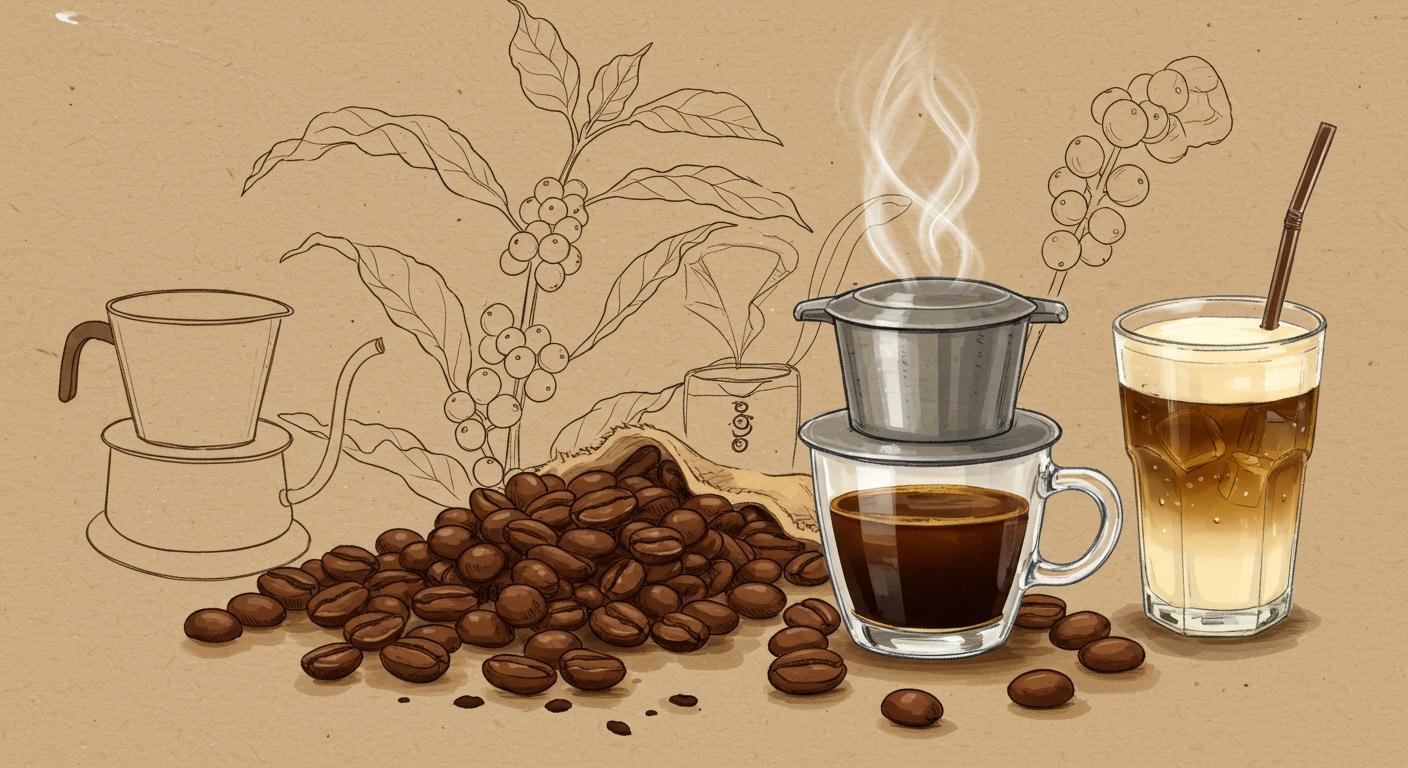
You will smell the strong aroma and taste the rich flavor that make Vietnamese coffee beans special. Vietnam makes almost one-fifth of the world’s coffee, so it is a big producer. These beans usually come from the Central Highlands. The volcanic soil and tropical weather there help give them their special taste. Most Vietnamese coffee uses Robusta beans. These beans have a strong, nutty, and chocolatey flavor. Traditional ways to brew, like ca phe sua da, make the experience unique.
Origins in Vietnam
Coffee Regions
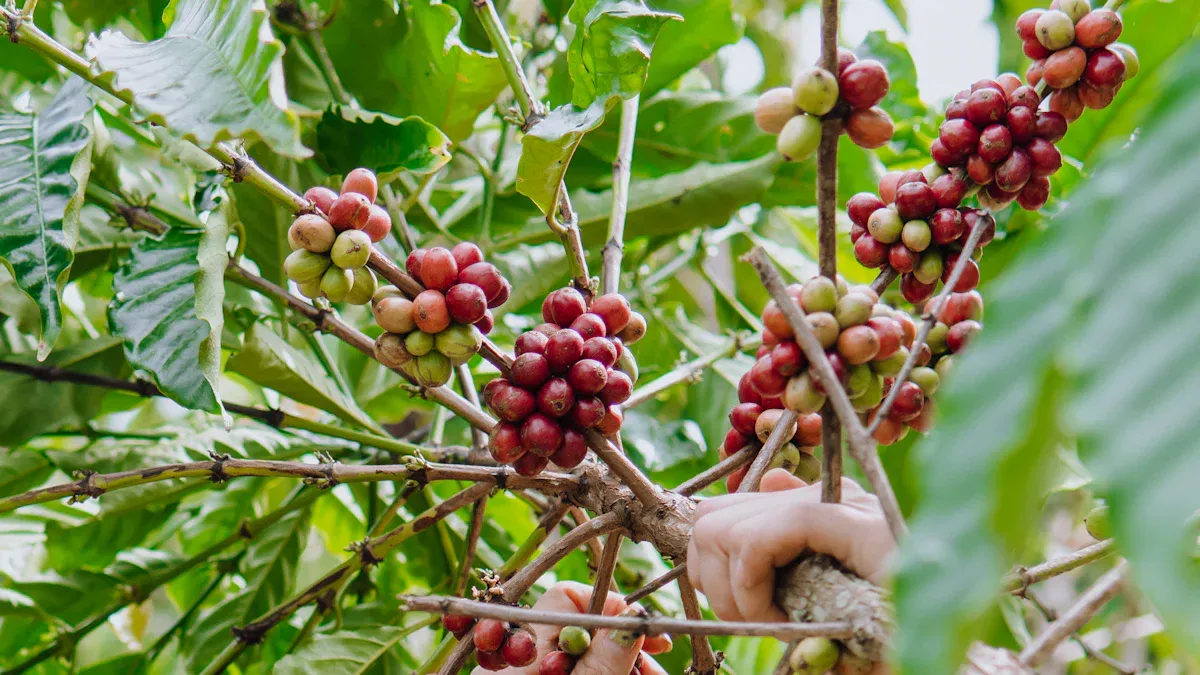
Vietnam is well known for its coffee areas. The Central Highlands is the main place for coffee. This region has Dak Lak, Lam Dong, and Gia Lai. The ground here is volcanic, and the weather is warm and wet. These things help the coffee taste rich and smooth. You can taste chocolate and nuts in the coffee from here. Son La is another big coffee area. Coffee from Son La tastes light and sweet. It also has a flowery smell. The mountains in Son La make the beans taste special. These places give Vietnamese coffee beans their special flavors.
Tip: Try beans from both the Central Highlands and Son La. Each place gives you a different taste.
Climate change is making it hard to grow coffee in Vietnam. Hotter weather and less rain hurt the crops. Farmers are getting less coffee and the beans are not as good. The ground and weather change how the beans taste.
History
Coffee first came to Vietnam in 1857. French missionaries brought the first plants. By 1888, people started growing arabica coffee on farms. The Central Highlands became the main coffee area. In the early 1900s, Vietnam sent about 1,500 tons of coffee to other countries each year. The Vietnam War made many farms close or get ruined. After the war, the government took over the coffee business. This made less coffee get made. In 1986, the Đổi Mới reforms let private companies grow coffee. This helped Vietnam become a top coffee seller in the world.
Here is a table with important events in Vietnam’s coffee history:
Year/Period | Event Description |
|---|---|
Mid-19th Century | French people bring coffee, first trees planted in 1857. |
1864 | First coffee farms start in the Central Highlands. |
1954 | Vietnam becomes free from France, coffee business changes. |
1955-1975 | Vietnam War stops coffee farming, many farms are lost. |
1986 | Đổi Mới policy helps coffee grow by using a market economy. |
1990s-2000s | Coffee grows fast, more exports, focus on robusta coffee. |
Types of Vietnamese Coffee Beans
Vietnam grows many kinds of coffee beans. Most of the coffee is robusta beans. These beans are about 96.8% of all coffee grown. Robusta beans taste strong and have lots of caffeine. People use them in instant coffee. Arabica beans are about 5% of the coffee. These beans taste smoother and grow high up in the hills. Culi coffee has big, round beans and lots of caffeine. Cherry coffee grows high up and tastes rustic.
Here are the main types of beans you will see:
Robusta beans: Very bitter, lots of caffeine, grown low.
Arabica beans: Smooth taste, grown above 600 meters.
Culi coffee: Big, round beans, lots of caffeine.
Cherry coffee: Rustic taste, grows in tough places.
Vietnamese coffee beans have many flavors and strengths. You can pick the kind you like best.
Flavor Profiles
Typical Tastes
Vietnamese coffee beans taste strong and bold. They have deep, earthy flavors with chocolate and nut hints. You might notice a little bitterness from the robusta beans. The coffee feels thick and creamy when brewed the traditional way. Many people like the smoky and oaky notes in this coffee. These flavors make Vietnamese coffee different. If you enjoy rich and strong coffee, you will like this taste.
Influencing Factors
Many things change how Vietnamese coffee tastes. The height where beans grow matters a lot. Higher places give the beans better flavors. Look at the table below to see how altitude changes the coffee:
Altitude Range | Type of Coffee | Impact on Quality |
|---|---|---|
Less than 900 m | Low-altitude coffee | Lower quality, not much flavor. |
900–1200 m | Medium-altitude coffee | Balanced taste, okay quality. |
1200–1500 m | High-altitude coffee | Better flavors, tastes nicer. |
More than 1500 m | Super high-altitude coffee | Best quality, lots of flavors. |
How the beans are processed also changes the taste:
Washed beans taste clean and show the real flavors.
Honey processing makes the coffee fruity and less sour.
Natural processing gives the beans a bold and special taste.
Soil, weather, and roasting also help decide the final flavor.
Differences from Other Origins
Vietnamese coffee is different from other places. You can see the main differences in the table below:
Coffee Origin | Flavor Profile Description |
|---|---|
Vietnamese | Strong, bitter, low acidity, mostly Robusta beans |
Brazilian | Smooth, mellow, low acidity, chocolate taste |
Colombian | Balanced, mild acidity, fruity and nutty |
Ethiopian | Floral smell, citrus taste, high acidity, complex |
Vietnamese coffee has a strong taste with chocolate and some bitterness. Brazilian coffee is smooth and mellow. Colombian coffee is balanced with fruit and flower hints. Ethiopian coffee smells floral and tastes bright. The bold taste of Vietnamese coffee comes from robusta beans and where they grow.
Brewing Vietnamese Coffee Beans
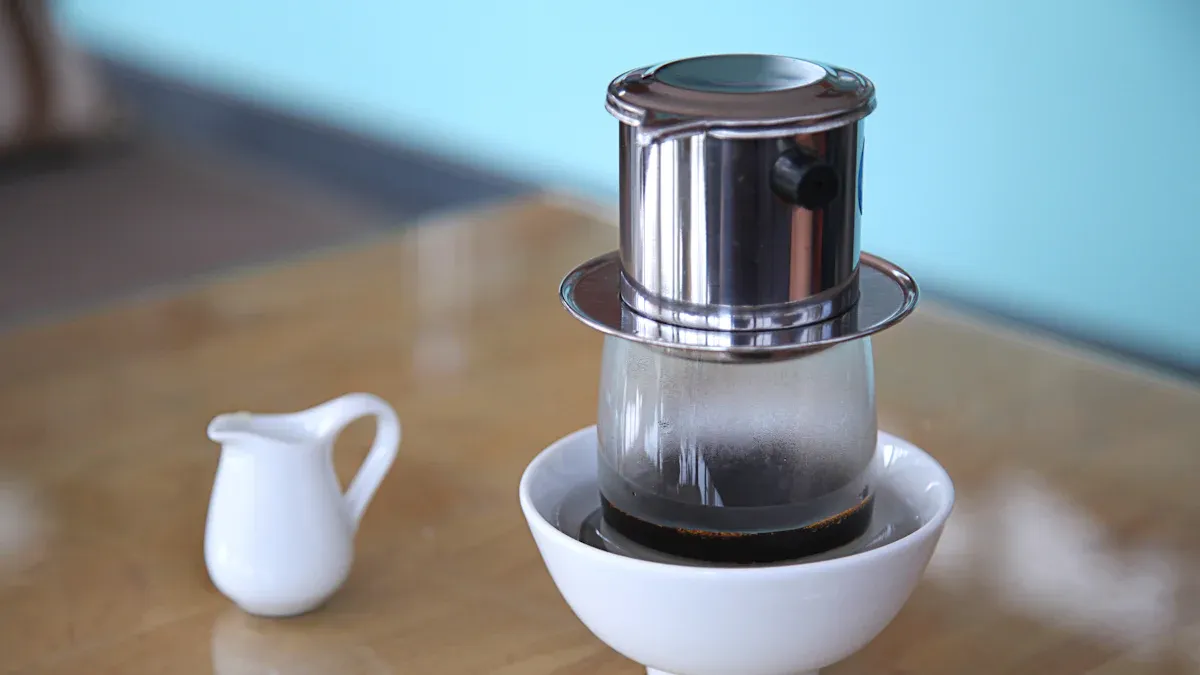
Brewing coffee in Vietnam is more than just making a drink. You take part in a tradition that brings out the best flavors from the beans and regions. Each method gives you a different taste and experience. You can use the traditional drip method or try modern brewing suggestions. Let’s explore the most popular ways to brew Vietnamese coffee beans.
Phin Filter Brewing
The phin filter is a classic tool in Vietnam. You use it to make strong, bold coffee. The phin is small, portable, and easy to use. It does not need paper filters, so it is also good for the environment. Many people in Vietnam use the phin every day.
Here is how you brew coffee with a phin filter:
Place the phin filter on top of your cup.
Add 2 scoops of ground coffee to the filter.
Drop the press onto the coffee to level it.
Pour hot water over the coffee. Let it drip slowly through the filter.
Adjust your drink by adding milk, sugar, or ice.
Tip: The slow drip lets you taste the deep flavors of Vietnamese robusta beans. You can enjoy the rich aroma and thick texture.
The phin filter stands out because it is lightweight, simple, and does not need single-use filters. You can take it anywhere and brew coffee easily.
Vietnamese Iced Coffee (Cà Phê Sữa Đá)
Vietnamese iced coffee, also called cà phê sữa đá, is a favorite coffee drink in Vietnam. You use sweetened condensed milk and ice to make it. The mix of strong coffee and creamy milk gives you a bold and sweet taste.
Here is a simple guide to making Vietnamese iced coffee:
Ingredients | Instructions |
|---|---|
3 tablespoons sweetened condensed milk | Pour condensed milk into a tall glass. Place the phin filter chamber and cup spanner on top of the glass. Remove the filter and add the coffee. Tap gently to level. |
3 tablespoons dark French roast coffee ground | Place the filter on top. Pour a small amount of boiling water into the filter to let the coffee absorb. |
8 oz boiling water | Fill the chamber with the rest of the hot water. Cover and let it drip for 6-7 minutes. |
1 cup ice | Remove the filter. Stir the coffee and condensed milk. Pour over a glass filled with ice. Serve right away. |
The condensed milk makes the coffee creamy and sweet. It balances the bold taste of the coffee and gives you a smooth texture. Many people in Vietnam enjoy this drink on hot days.
Egg Coffee
Egg coffee is a special treat from Hanoi. You use egg yolks, sweetened condensed milk, and coffee to make a rich and creamy drink. The egg cream sits on top of the coffee, making it look and taste unique.
Here is how you make egg coffee:
Ingredients | Steps |
|---|---|
4 tablespoons ground coffee | Brew strong coffee using a phin filter or French press. |
8-10 ounces hot water | |
2 fresh egg yolks | Mix egg yolks, sweetened condensed milk, and vanilla extract. Beat until creamy. |
4 tablespoons sweetened condensed milk | |
1/2 teaspoon vanilla extract | |
Optional: cocoa powder | Pour the brewed coffee into a cup. Top with the whipped egg cream. Dust with cocoa powder if you like. |
Egg coffee gives you a thick, sweet foam on top of strong coffee. You taste both the rich coffee and the creamy egg layer.
Modern Brewing
Modern brewing in Vietnam brings new ways to enjoy coffee. You see pour-over methods, new brewing machines, and creative drinks in many cafes. These methods help you explore more flavors from Vietnamese coffee beans.
Modern brewing technology lets you try new equipment and recipes.
Specialty coffee shops in Vietnam use both old and new methods.
You can blend traditional phin brewing with modern ideas, like using different beans or adding new flavors.
Note: Brewing Vietnamese robusta beans with modern tools can highlight the unique taste from different regions. Try different brewing suggestions to find your favorite style.
Vietnam’s coffee culture mixes tradition and innovation. You can enjoy coffee in many ways, from the classic phin to the latest machines. Each method brings out the best in the beans and shows the rich culture of Vietnam.
Coffee Packaging and Freshness
Importance of Packaging
You play a big role in keeping your coffee fresh by choosing the right packaging. In Vietnam, coffee production depends on how well you protect the beans after roasting. Good packaging keeps out oxygen, moisture, and light. If you let air in, the coffee loses its flavor and aroma quickly. Ground coffee loses its taste even faster once you open the bag. You should use it within a week for the best flavor. Here are some common packaging types and how they help:
Paper bags let air in and out, so they do not keep the flavor well.
Airtight packaging with one-way valves lets gases escape but blocks air, keeping the aroma strong.
Vacuum packaging removes air, which helps the beans last longer.
Metal cans keep flavors well but are hard to recycle.
Laminated packaging lasts long but is not eco-friendly.
BN PACK Coffee Bag Features
BN PACK offers coffee bags that help you keep your Vietnamese coffee beans fresh and tasty. These bags use high-barrier materials to block oxygen, moisture, and light. You can reseal the bag after each use, so your coffee stays fresh longer. BN PACK also cares about the environment. You can choose bags made from compostable, biodegradable, or recyclable materials. The design looks good and helps your coffee stand out. Here is a quick look at what makes BN PACK coffee bags special:
Feature | Description |
|---|---|
Freshness | Protects coffee from oxygen, moisture, and light, keeping flavor and aroma. |
Convenience | Resealable for easy use and longer freshness. |
Eco-friendliness | Offers compostable, biodegradable, and recyclable options. |
Design | Attractive look that helps your coffee get noticed. |
BN PACK bags also meet ISO and food-grade standards. The flat bottom design makes storage easy at home or in stores.
Storing Vietnamese Coffee Beans
You can keep your beans fresh by following a few simple steps:
Use an airtight, non-reactive container like glass, ceramic, or stainless steel.
Store the container in a cool, dark place away from sunlight and moisture.
Do not let air reach the beans to avoid staleness.
Avoid freezing or refrigerating the beans.
Try to use your coffee within two to three weeks for the best taste.
When you store Vietnamese coffee beans the right way, you enjoy the rich flavors that make coffee from Vietnam so special. BN PACK coffee bags help you keep that freshness from the farm to your cup.
Enjoying at Home
Choosing Beans
You can make your home coffee experience special by picking the right beans. Vietnamese coffee is known for its strong and bold taste. Robusta beans give you a nutty and chocolate-like flavor with a bit of bitterness. These beans also have more caffeine, which is great if you want a strong morning coffee. Arabica beans taste smoother and less bitter. When you brew at home, use the “1 tablespoon to one cup (6-8 ounces)” rule. This helps you avoid making your coffee too bitter. You can use the phin filter for a classic taste or try a French Press for a rich brew. Both methods work well with Vietnamese beans.
Tip: Try different types of beans to find the flavor you like best.
Grinding Tips
The grind size changes how your coffee tastes. If you use a phin filter, pick a medium-coarse grind. This size lets water flow slowly and brings out the deep flavors. For traditional drip or classic Vietnamese coffee, use a fine grind, like sand. The table below shows the best grind size for each brewing method:
Brewing Method | Recommended Grind Size |
|---|---|
Phin Filter | Medium coarse grind (900 microns) |
Traditional Drip | Fine, like sand |
Classic Vietnamese Coffee | Fine, like sand |
Always grind your beans just before brewing. Freshly ground coffee gives you the best aroma and taste.
Pairings
You can enjoy Vietnamese coffee even more by pairing it with the right foods. The rich, bold flavors go well with both sweet and savory dishes. Here are some popular pairings:
Che, a traditional dessert soup, matches well with condensed milk coffee.
Iced Vietnamese coffee tastes great with fresh seafood, balancing the salty flavors.
Spring rolls pair nicely with coconut milk coffee, making a light and creamy combo.
Bánh Flan, a creamy dessert, brings out the deep notes of the coffee.
These pairings show the depth of Vietnamese food culture. You can try different foods to see which ones you like best with your coffee.
You have learned how French colonizers brought coffee to Vietnam, starting a tradition that thrives today. Vietnamese coffee stands out for its bold robusta beans, dark roasting, and unique flavors like chocolate and caramel. You can brew it with a phin filter or try modern methods for new tastes. Enjoy making your own cup at home and keep your beans fresh with BN PACK coffee bags for the best experience.