
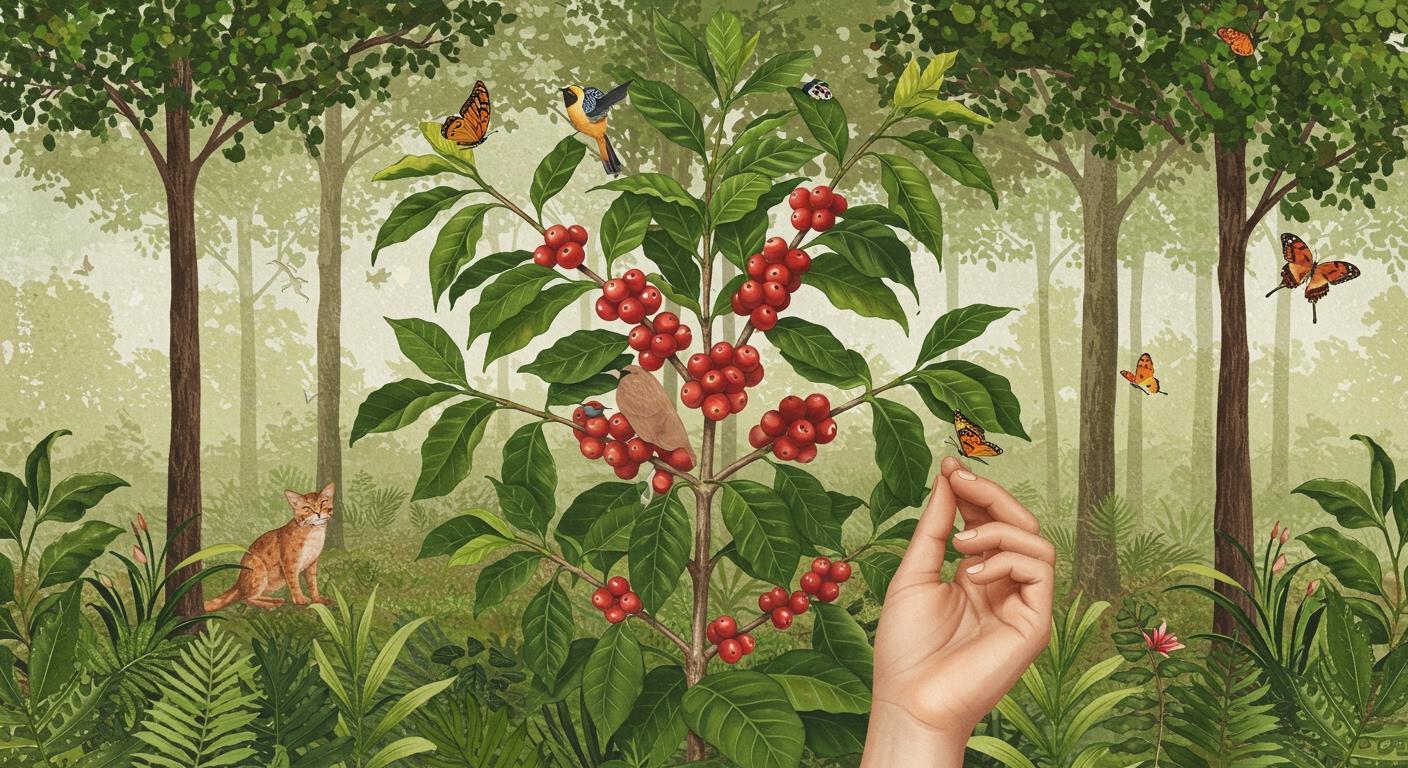
Shade grown coffee is cultivated beneath a natural canopy of trees, unlike sun-grown varieties that require clearing the land. Choosing shade grown coffee makes a real difference for the environment. The method you support can impact greenhouse gas emissions, biodiversity, and water use. Today, only 24% of global coffee is shade grown, down from 43%, which means most coffee now contributes to deforestation and habitat loss.
Shade grown coffee supports larger, more uniform beans.
Sun-grown coffee increases the need for chemical fertilizers and reduces soil quality.
What Is Shade Grown Coffee?
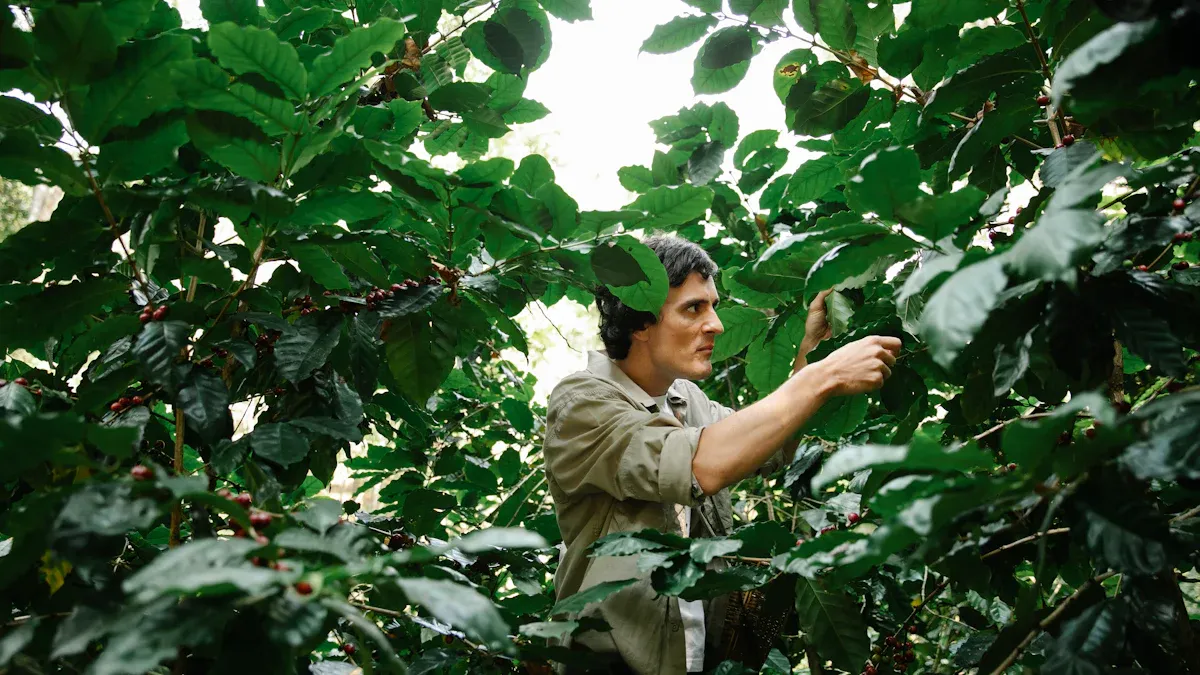
Shade grown coffee refers to coffee cultivated under a canopy of trees. You see this method in farms that protect the natural environment and encourage biodiversity. When you choose shade-grown coffee, you support farming that values ecological balance and sustainability.
Key Features
Shade-grown coffee farms use different approaches to maintain tree cover and protect native plants. You can explore the main types in the table below:
Category | Description |
|---|---|
Rustic | Minimal removal of native plants; least intrusive method with no non-natural pest control. |
Traditional polyculture | Coffee and other crops planted under native shade trees; more alteration of native plants. |
Commercial polyculture | Involves removal of foliage; includes fertilizers and pesticides; fewer layers of vegetation. |
Shaded monoculture | Densely planted coffee with one or two species of trees; mostly removes native plants. |
Unshaded monoculture (full sun) | Coffee exposed to sunlight with high pest control needs; native forest destroyed. |
You notice that rustic and traditional polyculture methods keep more native plants and trees. These systems help maintain soil health and provide homes for wildlife. Shade-grown coffee farms often avoid harsh chemicals, which keeps the ecosystem healthy.
Tip: When you buy shade grown coffee, you support farms that use fewer pesticides and protect local habitats.
Shade vs. Sun Coffee
Shade-grown coffee grows beneath a canopy of trees. This shade cools the coffee plants and slows bean development. You get denser, higher-quality beans as a result. Shade trees also prevent soil erosion and add organic matter, which improves soil health.
Sun-grown coffee, on the other hand, grows in open fields with no tree cover. Farmers clear native forests to plant coffee in full sun. This method increases the need for chemical fertilizers and pest control. You see more runoff and less biodiversity in these farms.
Shade-grown coffee uses a mix of tree species and supports wildlife.
Sun-grown coffee relies on chemicals and removes native plants.
Shade-grown coffee beans mature slowly, leading to better flavor and quality.
When you choose shade grown coffee, you help preserve forests and support sustainable farming. Shade-grown coffee offers benefits for the environment and for your cup.
Environmental and Ecological Benefits
Carbon Sequestration
You help fight climate change when you choose shade grown coffee. Farms that use shade-grown coffee methods keep more carbon out of the atmosphere. The trees on these farms store carbon in their trunks, branches, and leaves. This process is called carbon sequestration. Shade grown coffee farms with many tree species can hold much more carbon than farms without shade. Studies show that coffee farms with over 60% shade cover are carbon positive. These farms store more carbon than they release. Globally, coffee farms with shade trees contribute to a carbon stock of over 481 teragrams. You support environmental conservation and sustainability every time you pick shade grown coffee.
Shade trees trap carbon in their wood and leaves.
Farms with complex agroforestry systems sequester more carbon.
Shade grown coffee helps reduce deforestation, which keeps carbon locked in the soil.
Climate Change Mitigation
Shade grown coffee offers strong protection against climate change. The shade from trees lowers temperatures on coffee farms by 2°C to 3°C during the hottest times. This cooling effect helps coffee plants survive heat waves and unpredictable weather. Shade trees also increase humidity, which protects crops from drought. You support sustainable farming and resilience when you choose shade grown coffee. Agroforestry systems with shade trees buffer crops from temperature and rainfall changes. Shade-grown coffee is a proven strategy for coping with the harmful effects of climate change.
Tip: Shade trees make coffee farms more resilient to climate variability, helping farmers adapt to changing conditions.
Water Conservation
Shade grown coffee farms excel at conserving water. The roots of shade trees trap runoff water and prevent soil erosion. Fallen leaves and roots add nutrients and help soil retain moisture. Tree leaves capture rainwater, and ground leaves act like sponges, keeping the soil moist for longer. You help protect local water sources when you choose shade grown coffee. These farms keep water clean by reducing chemical runoff, which benefits wildlife and nearby communities.
Benefit | Explanation |
|---|---|
Soil health | Fallen leaves and roots add nutrients and help soil hold moisture, supporting soil life. |
Erosion prevention | Trees stabilize soil and reduce the impact of rainfall, especially on slopes. |
Water capture | Tree leaves catch rainwater, and ground leaves keep moisture in the soil for longer periods. |
Reduced Chemical Use
Shade grown coffee farms use fewer chemicals than conventional farms. Birds and other wildlife thrive in the shade, helping control pests naturally. This reduces the need for pesticides and lowers costs for farmers. Shade trees provide nutrients to coffee plants, so farmers use less fertilizer. You support sustainable practices and environmental conservation when you buy shade grown coffee. Cleaner water and healthier soil result from reduced chemical use. Shade-grown coffee farms promote biodiversity and sustainability by relying on nature instead of chemicals.
Shade grown coffee requires little to no chemical fertilizers.
Birds and natural predators help control pests, reducing pesticide use.
Shade trees support soil health and minimize erosion.
Note: Shade-grown coffee farming keeps water sources cleaner by preventing harmful chemical runoff.
You make a real impact on the planet when you choose shade grown coffee. The environmental and ecological benefits include carbon sequestration, climate change mitigation, water conservation, and reduced chemical use. Shade grown coffee supports biodiversity, sustainability, and environmental conservation. Your choice helps protect forests, wildlife, and communities.
Protection of the Natural Ecosystem
Wildlife Habitat
You support the protection of the natural ecosystem when you choose shade-grown coffee. Shade-grown coffee farms create safe habitats for wildlife. The shade from trees helps birds, mammals, and insects thrive. You see more species and greater numbers of animals in these farms compared to sun-grown coffee farms. The Smithsonian Migratory Bird Center reviewed over 50 studies and found that shade-grown coffee farms offer improved bird habitats and higher bird diversity.
Shade-grown coffee prevents soil erosion and keeps the land stable for wildlife.
Shade trees provide shelter and food for many animals.
Farms with shade avoid toxic runoff from chemical fertilizers, which protects wildlife from harm.
You help maintain functional biodiversity and natural pest control by supporting shade-grown coffee.
You notice birds singing and animals moving through the trees on shade-grown coffee farms. These farms act as living corridors for wildlife. The shade and tree cover keep the ecosystem balanced and healthy.
Tip: When you buy shade grown coffee, you help protect habitats for birds and other wildlife.
Use of Native Trees
Shade-grown coffee farms rely on native trees to support sustainability and ecosystem stability. You see higher species diversity in these farms than in sun-grown coffee farms. Native trees like Inga and Cedrela improve coffee quality and help the soil stay fertile. Shade cover between 21% and 56% helps reduce pests and buffer climate impacts.
Native trees increase mammal and epiphyte diversity.
Optimal tree species boost coffee yields and support sustainable farming.
Shade from native trees keeps the soil moist and reduces temperature swings.
Farms in Latin America show greater biodiversity and abundance when they use native trees.
You help maintain ecosystem resilience when you choose shade grown coffee. Native trees play a key role in sustainable practices and long-term sustainability. They keep the land productive and healthy for future generations.
Note: Shade-grown coffee farms with native trees offer better protection of the natural ecosystem and support biodiversity.
Preservation of Natural Biodiversity
Support for Bird Species
You help protect bird populations when you choose shade-grown coffee. Shade-grown coffee farms create safe spaces for birds by keeping trees and natural cover. These farms support many more bird species than conventional coffee farms. The shade and tree canopy provide food, shelter, and nesting sites. You see birds thrive in these environments, which helps maintain the balance of nature.
Coffee Farm Type | Number of Bird Species Supported |
|---|---|
Shade-grown Coffee | Approximately 150 |
Conventional Coffee | 20-50 |
Shade-grown coffee farms support about four times more bird species than sun-grown coffee monocultures. You encourage the preservation of natural biodiversity by supporting these farms. Bird Friendly coffee certification relies on this increase in biodiversity and the presence of diverse shade trees. When you buy shade grown coffee, you help create refuges for wildlife and bridge the gap between natural and agricultural ecosystems.
Shade-grown coffee farms act as wildlife refuges.
Species diversity is much higher in high shade systems.
Bird diversity increases with more shade and tree cover.
Tip: Look for Bird Friendly certification to support sustainable farming and environmental conservation.
Ecosystem Health
You play a role in ecosystem health when you choose shade grown coffee. Shade-grown coffee farms show strong indicators of healthy ecosystems. High biodiversity supports important functions like pollination and pest control. Shade and trees improve water use efficiency and keep soil healthy. Birds help control pests, which leads to better coffee quality and fewer chemicals.
Biodiversity supports ecosystem functions such as pollination.
Shade trees improve water use efficiency and prevent water loss.
Healthy soil is a sign of sustainability and long-term productivity.
Birds and other wildlife help control pests naturally.
You support sustainable practices and environmental conservation by choosing shade grown coffee. These farms keep the ecosystem balanced and productive. Shade-grown coffee connects you to a system that values biodiversity, sustainability, and the preservation of natural biodiversity.
Shade Grown Coffee vs. Conventional Coffee
Environmental Impact
You make a big difference for the planet when you choose shade-grown coffee over conventional options. Shade-grown coffee farms use trees to create a natural canopy, which helps protect the soil and keeps water clean. These farms require less water and fewer chemicals. You support greater biodiversity and healthier ecosystems with shade-grown coffee. Sun-grown coffee, in contrast, needs more water, fertilizers, and pesticides. Farmers clear forests to plant sun-grown coffee, which leads to ecosystem loss and soil erosion.
Shade-grown coffee supports wildlife and keeps the land fertile.
Sun-grown coffee has led to the clearing of over 2.5 million acres of forest in Central America.
Shade-grown coffee trees can produce beans for 30 years or more, while sun-grown coffee trees last less than 15 years.
Tip: Shade-grown vs. sun-grown coffee shows clear environmental benefits. Shade-grown coffee helps conserve water, soil, and wildlife.
You can see how shade-grown coffee compares to other sustainable practices in the table below:
Benefit | Shade-Grown Coffee | Other Sustainable Practices |
|---|---|---|
Conservation of Biodiversity | Maintains ecosystems and provides wildlife refuge | Similar focus on biodiversity |
Ecosystem Health | Enhances soil fertility, reduces synthetic fertilizers | Promotes soil health |
Pest Control | Natural pest control through microclimate | Integrated pest management |
Soil Conservation | Prevents soil erosion | Practices that maintain soil health |
Climate Change Mitigation | Acts as a carbon sink | Other practices also reduce emissions |
Coffee Quality | Higher quality coffee with complex flavors | Quality improvements in other crops |
Community Effects
You help local communities thrive when you support shade-grown coffee. Shade-grown coffee farming encourages sustainable practices and fair compensation for farmers. Many shade-grown coffee farms use Fair Trade methods, which means farmers earn better wages and invest in eco-friendly techniques. Shade-grown coffee acts as a carbon sink and supports diverse plant and animal life, which leads to healthier communities.
Shade-grown coffee farming improves biodiversity and ecosystem health.
Fair Trade practices promote sustainable livelihoods for farmers.
Shade trees and birds reduce costs for pest control and soil care.
You can see the economic impact for farmers in the table below:
Factor | Description |
|---|---|
Yield | Shade-grown coffee may yield less, but beans are higher quality. |
Price Premiums | Higher quality beans earn better prices, balancing lower yields. |
Ecosystem Services | Shade trees and birds lower pest control and soil health costs. |
Profitability | Shade-grown systems can be more profitable over time. |
Government policies can help farmers adopt shade-grown coffee by offering incentives and payments for ecosystem services. You support sustainability and community well-being when you choose shade-grown coffee. Shade-grown coffee connects you to sustainable farming and healthy local economies.
How to Choose Shade-Grown Coffee
Certifications and Labels
You can make a positive impact by choosing coffee with trusted certifications. Certifications help you identify shade-grown coffee that meets high environmental standards. The Bird-Friendly label sets strict requirements for shade cover and tree diversity. Rainforest Alliance focuses on ecosystem health, water conservation, and fair treatment of workers. These labels guide you toward sustainable practices and better choices for the planet.
Certification | Standards |
|---|---|
Bird-Friendly | Minimum shade cover of 40%, at least ten different species of shade trees, no more than 70% Inga species, discouragement of pruning and removal of epiphytes. |
Rainforest Alliance | Focus on ecosystem issues like water conservation, chemical use, community relations, and fair treatment of workers, with certification based on a scoring system. |
Tip: Look for the Bird-Friendly seal if you want the highest shade and biodiversity standards.
You also see other labels in stores. Bird Friendly certification comes from the Smithsonian Migratory Bird Center and guarantees organic practices. Rainforest Alliance promotes shade but with less strict rules. Organic coffee avoids synthetic pesticides, though it may not always use shade. Fair Trade supports fair wages but does not guarantee environmental protection. Shade-grown is not a regulated term, so standards can vary.
Buying Tips
You can find authentic shade-grown coffee by checking labels and asking questions. Look for Bird Friendly or Rainforest Alliance certifications. Ask your local coffee shop about their sourcing. Choose brands that use sustainable packaging. Brew only what you need and compost your coffee grounds to minimize waste. Eco-friendly coffee machines help you conserve water and energy.
Look for Fair Trade Certified labels when shopping for coffee.
Inquire with local coffee shops about their sourcing practices.
Minimize waste by brewing only what you need and composting coffee grounds.
Use eco-friendly coffee machines to conserve water and energy.
Choose brands with sustainable packaging options.
Note: When you choose shade-grown coffee, you support sustainability and help protect wildlife habitats.
You make a difference with every purchase. Your choices encourage sustainable practices and support farmers who care for the environment. Shade and biodiversity matter for the health of the planet.
You help protect the planet when you choose coffee grown under trees.
Your choice supports ecosystems and keeps soil healthy.
You promote biodiversity and provide homes for wildlife.
You reduce carbon emissions and help fight climate change.
Long-Term Benefit | Description |
|---|---|
Biodiversity Promotion | Supports habitats and improves soil health. |
Soil Conservation | Prevents erosion and keeps topsoil rich. |
Water Conservation | Maintains clean water and regulates temperature. |
Climate Resilience | Sequesters carbon and strengthens crops against climate change. |
Every cup you drink can support sustainable farming and global environmental health.