
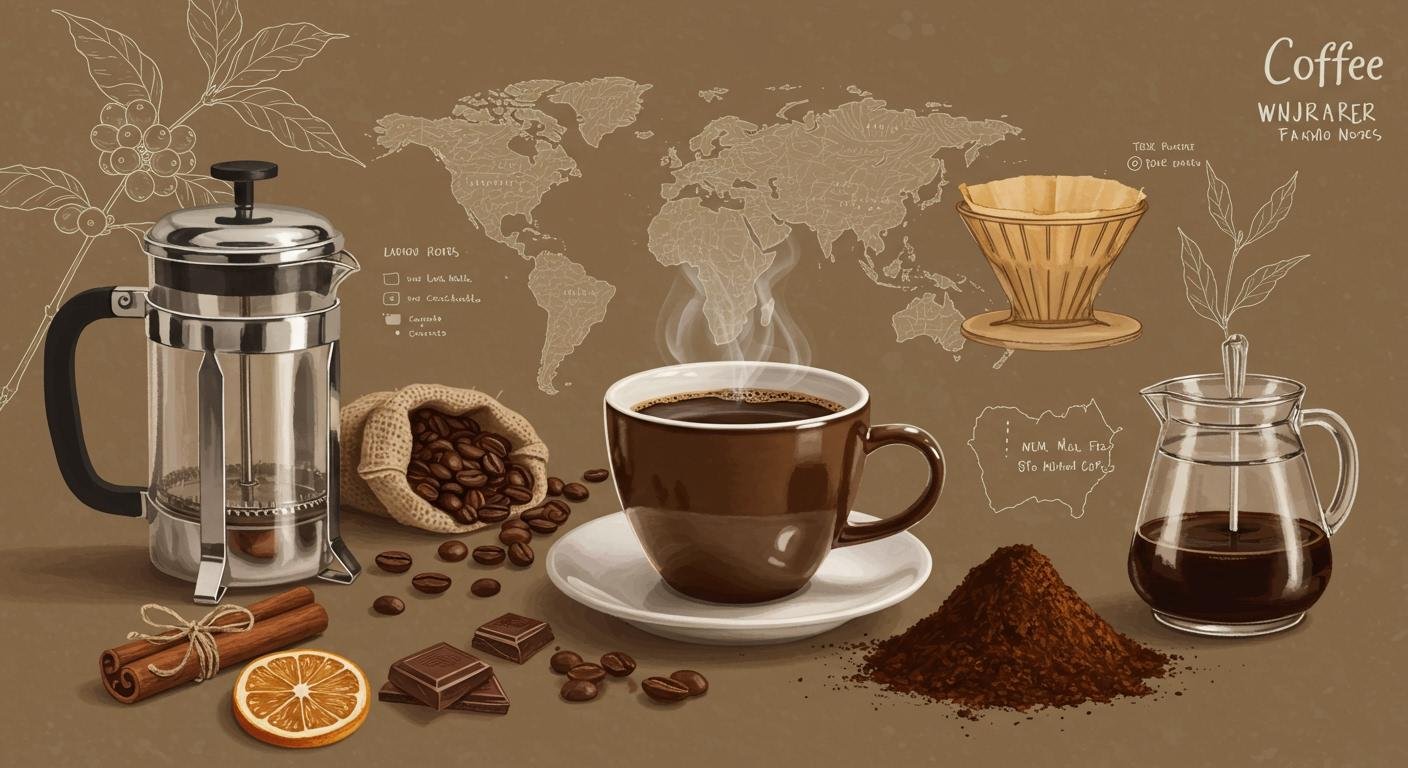
Imagine you wake up and catch a whiff of fresh aromatic coffee drifting from the kitchen. Your senses come alive as the symphony of scents—fruity aldehydes, nutty furans, earthy pyrazines, and buttery ketones—fill the air. This aroma shapes your coffee experience, making each sip feel like an aromatic journey. You notice how packaging colors can even change your expectations about flavor. Have you ever wondered how your sensory experience connects to the taste and origin of your coffee? Let’s explore how you can capture and enjoy this magic at home.
Aroma Compound Type | Description |
|---|---|
Aldehydes | Fruity and floral notes |
Furans | Caramel and nutty characteristics |
Pyrazines | Earthy and roasted notes |
Ketones | Buttery and caramel aromas |
Phenolic compounds | Spicy and medicinal qualities |
Aromatic Coffee Basics
What Makes Coffee Aromatic
You might wonder why some cups of coffee smell so inviting. The secret lies in the chemical compounds released from ground coffee during brewing. When you grind coffee beans, you unlock a world of aromas that fill your kitchen and spark your senses. These aromatic profiles come from a mix of natural chemicals that develop during roasting and brewing.
Here are some of the main compounds responsible for the quality and complexity of aromatic coffee:
2-furfurylthiol gives you that classic roasted coffee scent.
Methanethiol adds a sharp note, even though it smells odd on its own.
3-mercapto-3-methylbutyl formate brings a wild, almost animal-like aroma.
Aldehydes create fruity and green aromas.
Furans deliver caramel-like scents.
Pyrazines offer earthy tones.
Guaiacol and other phenolic compounds add smoky and spicy touches.
Pyrroles and thiophenes appear in small amounts but still influence the overall aroma.
When you brew ground coffee, water interacts with these compounds. The process starts with the bloom, where water hits the grounds and pushes out carbon dioxide. This step lets the water reach deeper into the coffee, pulling out more flavors and aromas. You can smell the difference right away.
Tip: If you want to experience the full range of coffee aromas, try grinding your beans just before brewing. Fresh ground coffee releases more aromatic compounds, making your cup richer and more enjoyable.
Aroma and Flavor Connection
Aroma and flavor go hand in hand. When you take a sip, your nose picks up the coffee aromas before your tongue tastes the flavors. Scientists say aroma is the “olfactory component of taste.” This means your sense of smell shapes how you experience coffee flavor profiles.
Studies show that the chemical makeup of coffee, including both volatile and non-volatile compounds, affects how you enjoy each cup. Roasting creates new aromatic profiles, and different botanical varieties change the way ground coffee smells and tastes. You might notice fruity, nutty, or earthy notes depending on the beans and how they were roasted.
Coffee flavor profiles depend on the balance between aroma and taste. If you use fresh ground coffee, you get a more vibrant flavor. The right brewing method helps release the best aromas, making your coffee taste better. You can explore different flavors by trying beans from various regions or experimenting with roast levels.
Aroma sets the stage for flavor.
Flavor profiles reflect the unique combination of aromas and tastes in each cup.
The quality of ground coffee influences both aroma and flavor.
Next time you brew coffee, pay attention to the scents rising from your cup. You might discover new flavors hiding in the aroma.
Coffee Flavor Profiles
Science of Coffee Flavors
When you sip a cup of coffee, you taste more than just bitterness or sweetness. You experience a whole spectrum of flavors. These come from chemical reactions that happen during roasting. As the beans heat up, they go through several changes that create distinct flavors and aromas.
Here’s a quick look at what happens inside the roaster:
Reaction Type | Description |
|---|---|
Sugars and amino acids react to form flavor and aroma compounds, giving coffee its signature aroma. | |
Strecker degradation | Amino acids turn into aroma compounds like aldehydes, adding to the coffee aromas. |
Production of melanoidins | Large molecules form, adding color and mouthfeel to your cup. |
Caramelization | Carbohydrates break down, releasing sweet and toasty flavors as sugars caramelize. |
Pyrolysis | Beans heat above decomposition temperature, releasing carbon dioxide and more aromatic profiles. |
You can taste these changes in every cup. The Maillard reaction and caramelization bring out common coffee flavors like chocolate, nuts, and caramel. Pyrolysis and melanoidins add depth and body. Each roast level unlocks new flavor profiles, so you get everything from fruity to smoky notes.
Freshness and Aroma
Freshness makes a huge difference in coffee flavor profiles. When you use fresh ground coffee, you keep the oils and volatile compounds that give coffee its amazing aroma and taste. As ground coffee sits, these compounds fade fast.
Fresh coffee keeps the oils that hold essential flavors and aromas.
Over time, these compounds break down, so the coffee loses complexity.
Air, light, and heat speed up this process, making ground coffee taste dull.
The best time to enjoy coffee is 7 to 21 days after roasting.
Let’s see how fast ground coffee loses its aromatic qualities:
Time Period | Aroma Intensity Change |
|---|---|
0 hours | Freshly ground aroma |
1 hour | Significant decrease |
24 hours | Major loss of intensity |
If you want to enjoy the full spectrum of flavors, grind your beans right before brewing. This way, you capture the best coffee aromas and preserve the quality of your cup. You’ll notice more distinct flavors and a richer experience every time.
Coffee Origins
Regional Differences
You might notice that ground coffee from different regions smells and tastes unique. The bean origin shapes the aromatic profiles you experience in every cup. African coffees often have bright, fruity, and floral aromas. Latin American coffees tend to be balanced, with a smooth taste and medium body. Asian coffees stand out with earthy, bold flavors and sometimes higher caffeine content. Here’s a quick look at how aroma varies by region:
Region | Aroma Profile |
|---|---|
African Coffees | Bright, fruity, and floral flavors; high altitude |
Latin American | Balanced, medium-bodied; smooth taste |
Asian Coffees | Earthy, bold flavors; higher caffeine content |
Soil and climate also play a big role. Volcanic soil adds brightness and complexity. Red soil brings chocolate and caramel notes. Climate conditions like rainfall and temperature affect the quality of ground coffee. Regions with the right humidity and temperature produce beans with richer aromas and flavors.
Altitude and Cultivation
Altitude changes everything about your coffee experience. When coffee grows at higher altitudes, the beans develop more slowly. This slow growth leads to complex flavors and vibrant acidity. You’ll taste more floral and fruity notes in high-altitude ground coffee. Lower altitudes produce beans with bolder, less intricate flavors because the plants grow faster in warmer temperatures.
Altitude affects acidity, sweetness, and overall flavor.
Soil composition influences how coffee beans absorb nutrients and develop aromatic compounds.
Climate matters. Coffee thrives with 1,500–2,000 L/m² of rainfall. Too little rain stresses the trees. Too much rain during harvest can cause mold or over-fermentation.
As altitude rises, the concentration of volatile aroma compounds in coffee bean decreases. You’ll notice fewer nutty and roasted aromas but more sweet and caramel notes. High-altitude ground coffee often scores higher in taste tests.
Notable Examples
You can explore many famous types of ground coffee from around the world. Each origin brings its own distinctive aromatic profiles and flavors.
Coffee Origin | Distinctive Aromatic Profile |
|---|---|
Kenya | Juicy blackcurrant notes and a wine-like aftertaste |
Ethiopia | Light, fruity with tea-like characteristics |
Peru | Rich nutty and chocolatey flavours |
Brazil | Big, full-bodied coffees with milk chocolate notes |
Colombia | Aromatic flavour profiles and lively fruity acidity |
Rwanda | Fresh and fruity with caramel-like sweetness |
Other regions offer unique experiences. Hawaii’s Kona coffee has a smooth body and flavors of brown sugar and milk chocolate. Papua New Guinea produces ground coffee with bright, clean taste and exotic aromas. Central America gives you chocolate, nuts, and fruit notes. Asia’s Sumatra and Java coffees deliver chocolate, spice, and floral flavors.
Tip: Try ground coffee from different origins to discover which aromatic profiles you enjoy most. You might find a new favorite!
Processing & Roasting
Processing Methods
When you look at ground coffee, you might not realize how much the processing method shapes its flavor and aroma. The way farmers handle the coffee bean after harvest changes the final cup. You get different aromatic profiles depending on the process.
Here are some common methods and what they bring to your ground coffee:
Natural process gives you sweet, full-bodied coffee with ripe fruit flavors. The whole cherry dries with the fruit intact, so the beans absorb more sugars.
Honey process leaves some sticky mucilage on the bean. This creates a medium body and adds fruity and floral aromas.
Wet-hulled process produces earthy, full-bodied ground coffee with a woody aroma and low acidity.
Wine process develops complex, fruity flavors that remind you of wine, with a clean finish.
Carbonic maceration uses a CO2-rich environment to ferment the cherries. You get intense winey and fruity notes, sometimes with cinnamon and dairy-like sweetness.
Lactic fermentation encourages lactic acid bacteria. This gives your ground coffee creamy acidity and notes of berry, citrus, and jasmine.
You can see how each method changes the flavor profile:
Processing Method | Description | Flavor Profile |
|---|---|---|
Natural Process | Whole cherries dry with fruit intact | Sweet, full-bodied, ripe fruit and winey undertones |
Carbonic Maceration | Fermentation in CO2-rich environment | Intense winey and fruity notes, cinnamon, dairy-like sweetness |
Lactic Fermentation | Controlled fermentation with lactic acid bacteria | Creamy acidity, berry, citrus, jasmine |
Honey Processing | Some mucilage left on bean during drying | Varying sweetness and complexity, fruity and floral aromas |
Tip: If you want to explore new flavors, try ground coffee from different processing methods. You’ll notice how the aroma and taste change with each style.
Roasting Levels
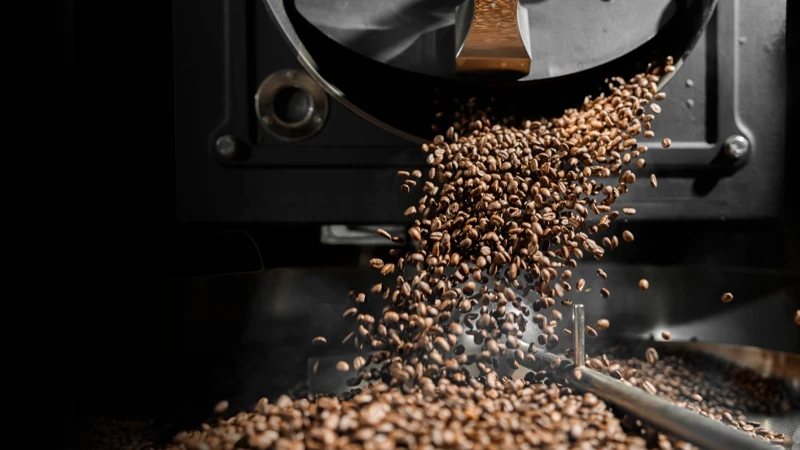
Roasting transforms green coffee beans into the aromatic profiles you love. You control the roast level to bring out different flavors and aromas in ground coffee.
Light roast keeps the original flavor of the coffee bean. You get bright, lively aromas, fruity notes, and higher acidity. The taste feels fresh and sometimes a little sour.
Medium roast balances sweetness and complexity. You’ll notice a fuller body, sweet flavors, and a mix of fruity and earthy aromas.
Dark roast gives you bold, intense ground coffee. The aroma turns smoky and earthy, with lower acidity and a deeper, sometimes bitter taste.
Roasting also triggers chemical reactions. The Maillard reaction creates melanoidins, which boost aroma and taste. As you roast longer, more volatile compounds form, including alcohols, ketones, and esters. These compounds shape the final aroma in your cup.
Roast Level | Flavor Characteristics | Acidity Level | Aroma Profile |
|---|---|---|---|
Light Roast | Sweetness, fruitiness, floral hints, bright flavors | High | Bright, lively |
Medium Roast | Sweet, complex, balanced, fuller-bodied | Moderate | Balanced, complex |
Dark Roast | Bold, intense, smoky, earthy, deeper, sometimes bitter | Low | Rich, intense |
You can experiment with roast levels to find the ground coffee that matches your taste. Each roast brings out unique flavors and aromas, so don’t be afraid to try something new.
Brewing Methods for Aromatic Coffee
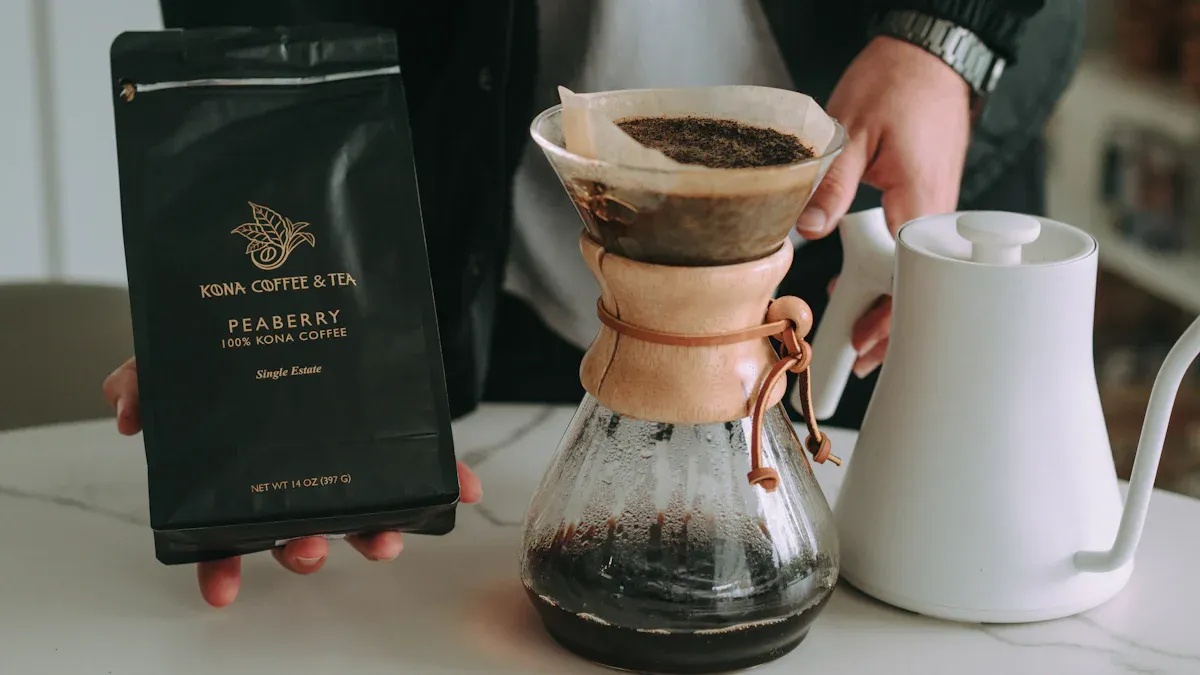
You have many ways to brew aromatic coffee at home. Each method brings out different flavors and aromas from ground coffee. Let’s look at how you can maximize coffee aromas and enjoy a rich cup every time.
Pour-Over
Pour-over stands out for its control and clarity. You pour hot water over medium-fine ground coffee in a filter. This method lets you adjust water temperature and pouring speed, which helps preserve unique coffee aromas. You get a clean, bright cup with nuanced flavors. Many coffee lovers prefer pour-over because it highlights the best qualities of aromatic coffee.
Tip: Use medium-fine grounds and pour slowly. This helps you capture the full aroma and flavor.
French Press
French press gives you a rich, full-bodied cup. You steep coarse ground coffee in hot water, then press the plunger to separate the grounds. This method keeps more oils and fine particles in your coffee, boosting both flavor and aroma. Coarse grounds reduce bitterness and sediment, making your aromatic coffee smooth and enjoyable.
Method | Grind Size | Ratio | Brew Time | Flavor Profile |
|---|---|---|---|---|
French Press | Coarse | 1:15 | 4 min | Rich, full-bodied |
Pour-Over | Medium-fine | 1:15–17 | 3–4 min | Clean, bright, nuanced |
Espresso
Espresso packs a punch. You force hot water through fine ground coffee at high pressure. This method extracts intense flavors and aromas in a short time. You get a concentrated shot with a thick crema and bold taste. Clean your espresso machine often to keep off flavors away. Freshly ground coffee is key for the best aromatic coffee experience.
Note: Fine grind size maximizes intensity and aroma in espresso.
Other Methods
You can try other brewing methods to explore new flavors. AeroPress uses medium-fine ground coffee and gives you a smooth, versatile cup. Cold brew uses coarse grounds and a long steep for sweet, low-acid coffee. Turkish coffee uses extra-fine grounds for a bold, unfiltered taste. Siphon and moka pot methods also bring out complex aromas.
Freshly ground coffee always preserves aroma best.
Experiment with grind size and brew time to find your favorite brewing methods and aromas.
Preserving Aroma with Coffee Bags

Choosing the Right Coffee Bag
You want your morning brew to burst with rich aromas every time you open the bag. The secret starts with picking the right coffee bag. Not all packaging is created equal. Some bags do a much better job at locking in freshness and protecting those delicate flavors.
Here are the top features you should look for when choosing a coffee bag:
Airtight Packaging: This keeps oxygen out. Oxygen is the enemy of fresh coffee. When air gets in, it dulls both flavor and aroma.
Protection from Light and Moisture: Opaque, moisture-resistant bags shield your beans from sunlight and humidity. Both can ruin the taste and make your coffee go stale.
One-Way Valve Technology: Freshly roasted coffee releases gases. A one-way valve lets these gases escape without letting oxygen in, so your coffee stays fresher longer.
BN PACK’s custom coffee bags check all these boxes. You can choose from Mylar, foil-lined, or vacuum-sealed options. Mylar bags create an airtight seal and block out light and moisture, making them perfect for long-term storage. Foil-lined bags offer strong protection and often include a one-way degassing valve, which is great for keeping your coffee at its peak. Vacuum-sealed bags remove air completely, slowing down oxidation and helping your coffee maintain its signature aroma.
If you care about the planet, BN PACK also offers eco-friendly choices. You can pick recyclable, compostable, or biodegradable materials. These options help you enjoy your coffee while supporting sustainability.
Tip: Look for bags with resealable zippers and tear notches. These features make it easy to open and close the bag, keeping your coffee fresh with every use.
Storage Tips
You’ve picked the perfect bag—now it’s time to store your coffee the right way. Even the best packaging needs a little help from you to keep those aromas locked in.
Store your coffee away from air, humidity, heat, and light. These elements can quickly steal away the freshness and leave you with a bland cup.
Use airtight containers if you open the original bag. Steel, dark glass, or ceramic containers work best. They keep out light and air, which helps preserve the aroma.
Keep your coffee in a cool, dry place. Avoid spots near the stove, oven, or windows. Sunlight and heat can break down the oils that give coffee its unique flavor.
Don’t put your coffee in the fridge unless you have a truly airtight container. Coffee can absorb odors and moisture from other foods, which changes the taste.
Here’s a quick look at how air and light affect your coffee’s aroma:
Factor | Effect on Aroma |
|---|---|
Air | Leads to oxidation, causing loss of flavor and a stale taste. |
Light | Degrades quality, resulting in a bland or stale flavor profile. |
You want to keep your coffee tasting as fresh as the day it was roasted. By choosing the right bag and following smart storage tips, you can enjoy every cup with full, vibrant aromas.
Tasting Aromatic Coffee
How to Taste
Tasting coffee is more than just sipping from your mug. You can turn it into a fun and rewarding ritual. Start by setting up a quiet space. Use fresh coffee and clean cups. Take a moment to smell the dry grounds. Notice the first burst of coffee aromas. Next, pour hot water over the grounds and breathe in the new wave of scents. This step helps you catch the full range of aromas before you even taste the coffee.
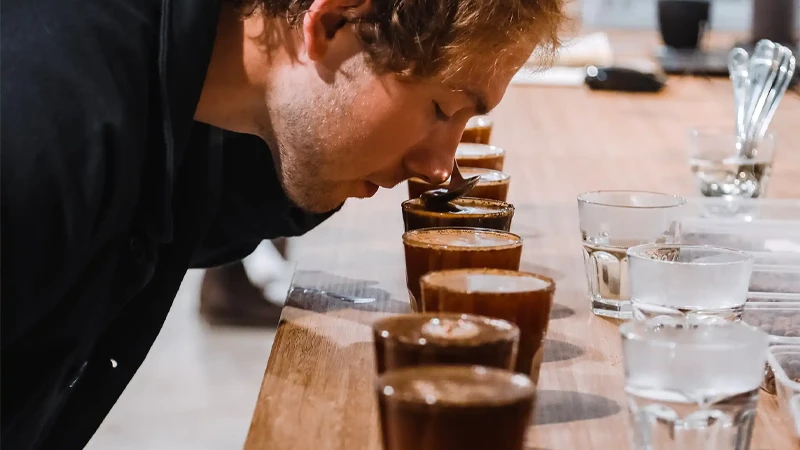
Professional tasters use a method called cupping. You can try this at home with a few simple steps:
Grind your coffee just before brewing.
Smell the dry grounds and write down what you notice.
Add hot water and let the coffee steep.
Smell the wet grounds and the brewed coffee.
Taste the coffee by slurping from a spoon. This spreads the flavors across your tongue.
Tip: Use a notebook or a tasting sheet to record your thoughts. Write down what you smell and taste. This helps you remember your favorite flavors and aromas.
Identifying Aromas
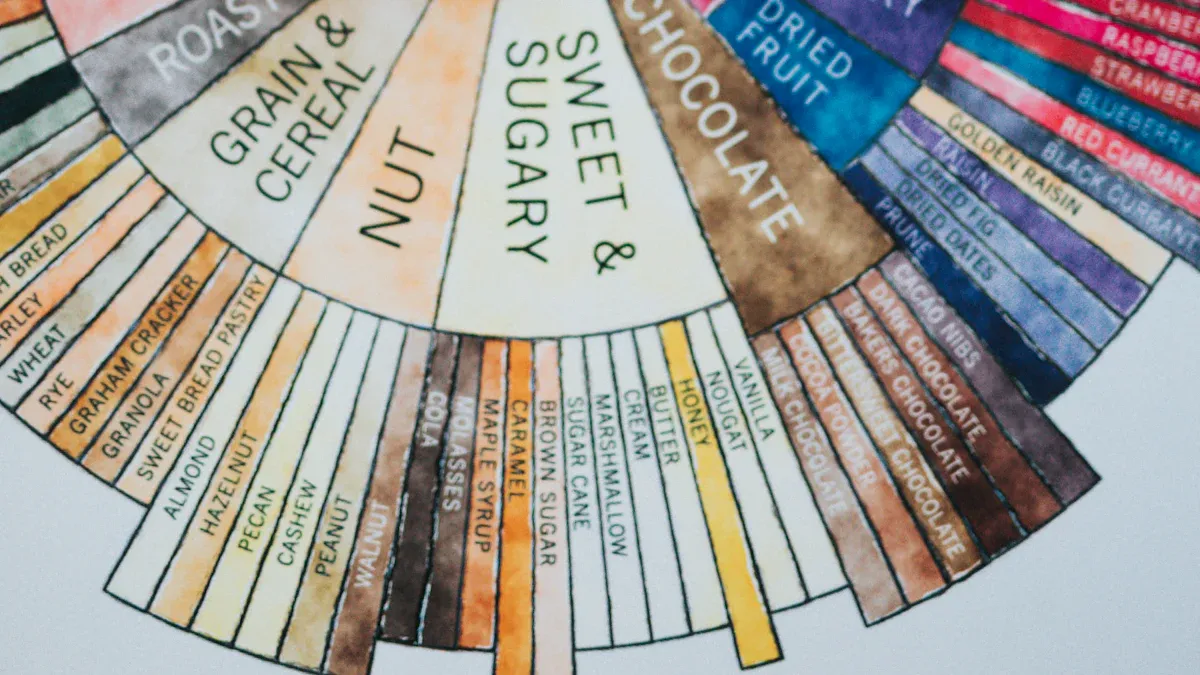
You might wonder how experts pick out so many different coffee aromas. They use tools like the Coffee Taster’s Flavor Wheel. Start in the center with broad categories like fruity, floral, or nutty. Move outward to find more specific notes, such as berry, citrus, or chocolate. This wheel makes tasting coffee feel like a treasure hunt.
The wheel groups flavors into clusters. For example, “fruity” can lead you to dried fruit, berry, or citrus.
The Sensory Lexicon gives you reference flavors and even recipes. This helps you match what you taste with real-world examples.
Try to taste slowly. Let the coffee sit on your tongue. Ask yourself what flavors you notice first. Do you taste something sweet, sour, or bitter? Can you find hints of fruit, nuts, or spices? With practice, you will get better at picking out unique flavors and coffee aromas.
Step | What to Notice |
|---|---|
Smell dry grounds | First impression of aroma |
Smell wet grounds | New aromas after brewing |
Taste the coffee | Flavors and aftertaste |
Tasting coffee is a skill you can build. Each cup brings new flavors and aromas to explore. Enjoy the journey!
You can create a memorable coffee experience at home by exploring new beans, brewing styles, and packaging. Try these steps to get the most from your coffee’s aromas:
Select Arabica beans for quality flavor.
Use water at 200-205°F.
Check bean freshness by blooming.
Invest in a burr grinder and scale.
Measure your coffee-to-water ratio.
Challenge | Solution |
|---|---|
Oxygen exposure | Effective leak detection |
Aroma degradation | Airtight packaging |
Short shelf life | Fix packaging flaws |
What’s your favorite way to enjoy aromatic coffee? Share your tips below!