Blog
What is Gravure Printing? Exploring Its Techniques and Benefits in Modern Printing
Gravure printing uses engraved cylinders for precise, high-quality images and vibrant colors, making it ideal for modern flexible packaging solutions.

Gravure printing uses engraved cylinders for precise, high-quality images and vibrant colors, making it ideal for modern flexible packaging solutions.

Biodegradable laminating pouches use plant-based materials, decompose quickly, and reduce waste, unlike traditional plastic pouches that persist in landfills.
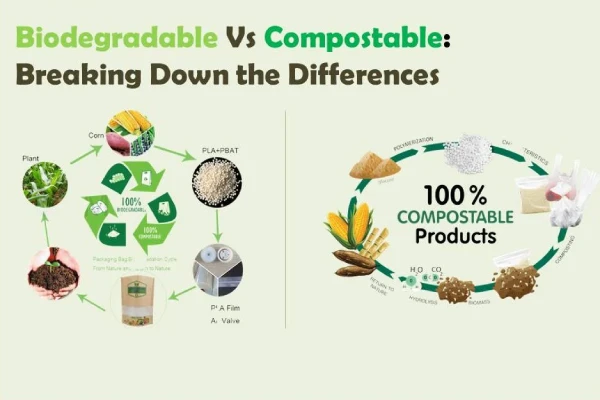
Biodegradable vs compostable food packaging: key differences, benefits, and best uses for eco-friendly choices in food service and consumer products.
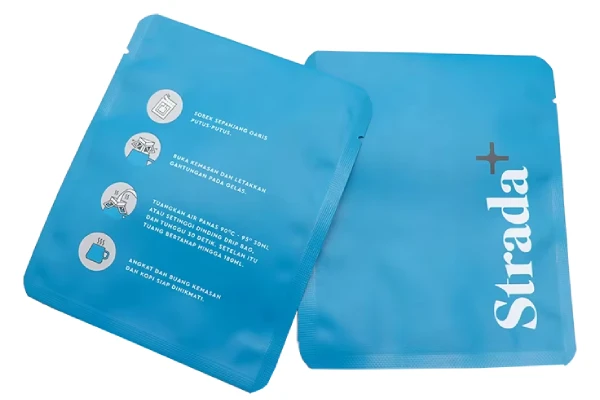
Heat sealable pouches create airtight barriers, blocking germs, moisture, and chemicals to keep food fresh and safe from contamination.
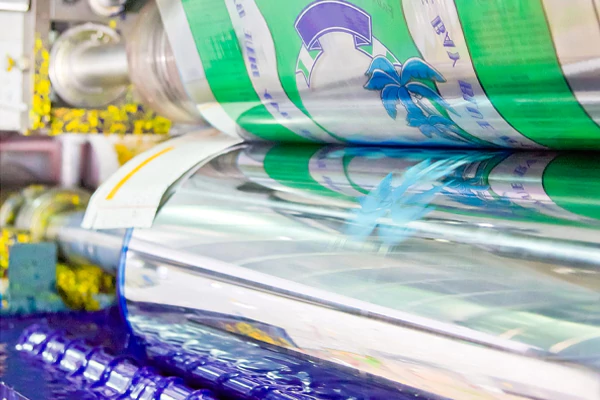
When buyers source printed packaging bags, they usually compare film structure, barrier performance, zipper options, size, MOQ, and price first. But one technical detail is
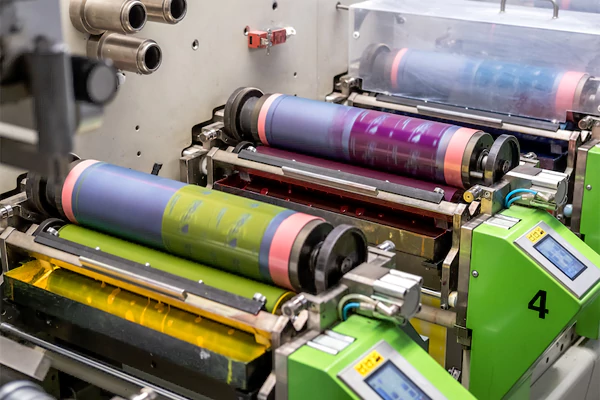
Discover the key differences between water-based inks and solvent, oil, alcohol, and soy inks. Learn which ink is best for eco-friendly flexible packaging printing.
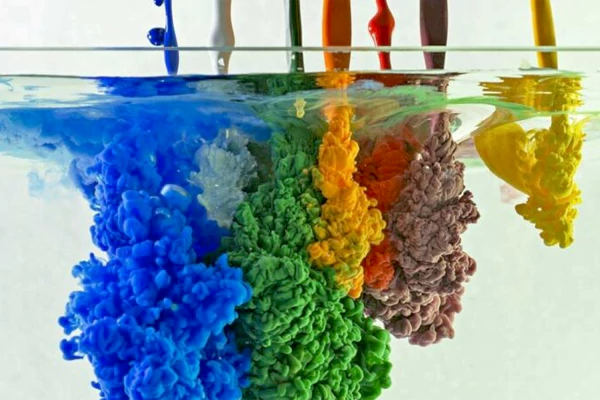
Discover what water-based ink is, how it’s made, and why it’s a sustainable alternative to solvent inks. Learn about its composition, benefits, and applications in

Learn what soy-based ink is, how it’s made, and why it’s an eco-friendly alternative to petroleum inks. Discover the benefits, uses, and recycling advantages of

The ultimate plastic film thickness guide. Instantly convert Mil, Micron & Gauge with expert charts & get tips on choosing the perfect thickness for your
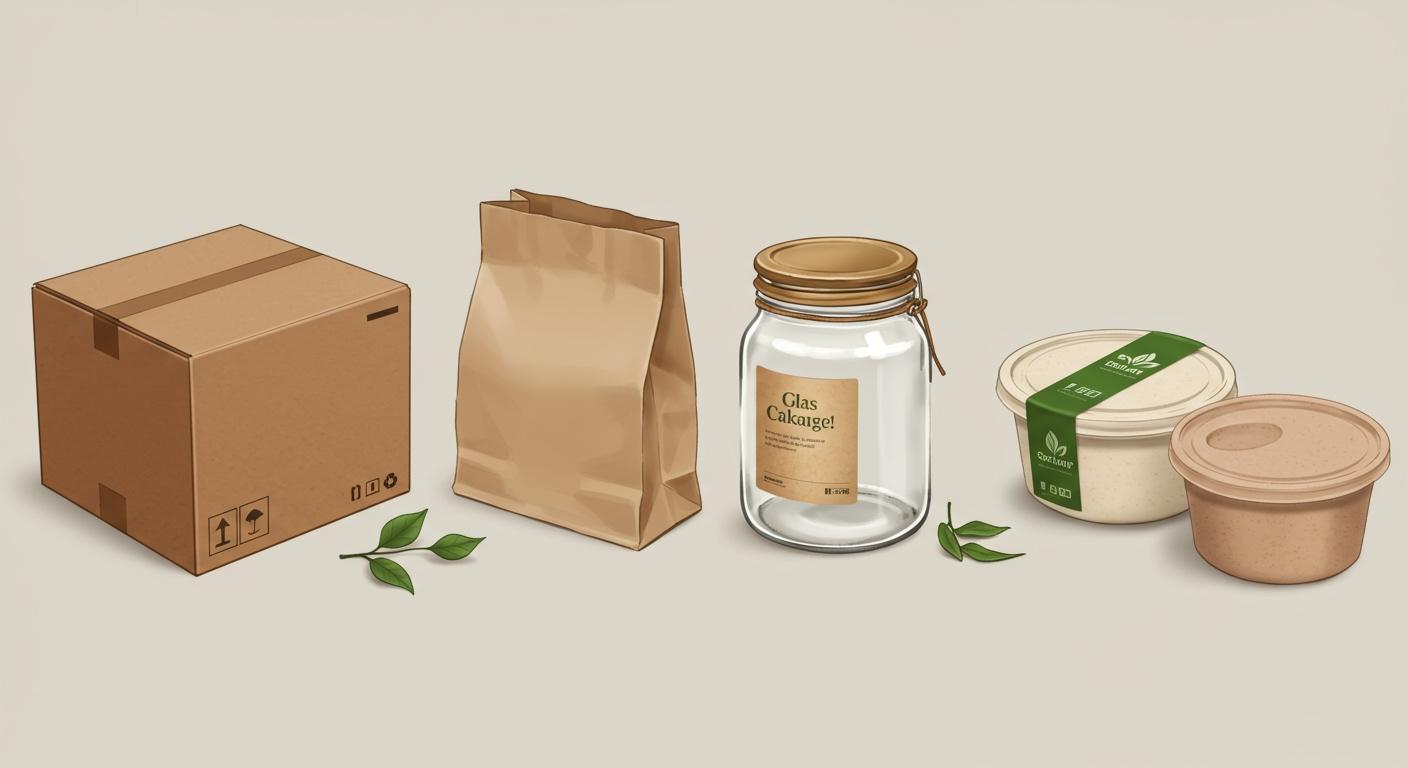
Compare the top 5 eco friendly packaging materials for sustainability, recyclability, and compostability to help you choose the best option for your needs.

Eco friendly packaging bags cut waste, lower carbon footprint, and boost brand value, making them the smart, sustainable choice for businesses today.
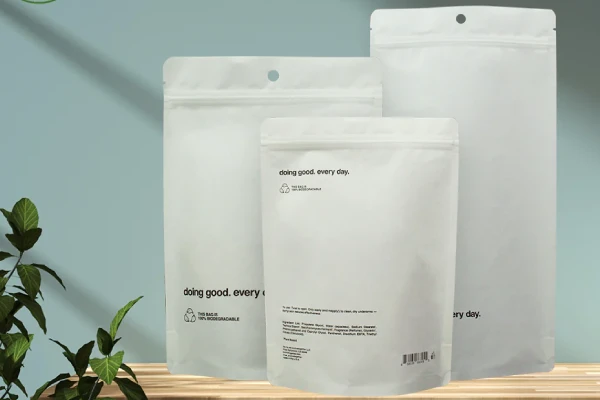
This definitive guide answers the crucial question: are paper bags biodegradable? We explore the science, the timeline, and the critical factors—like inks and plastic liners—that