
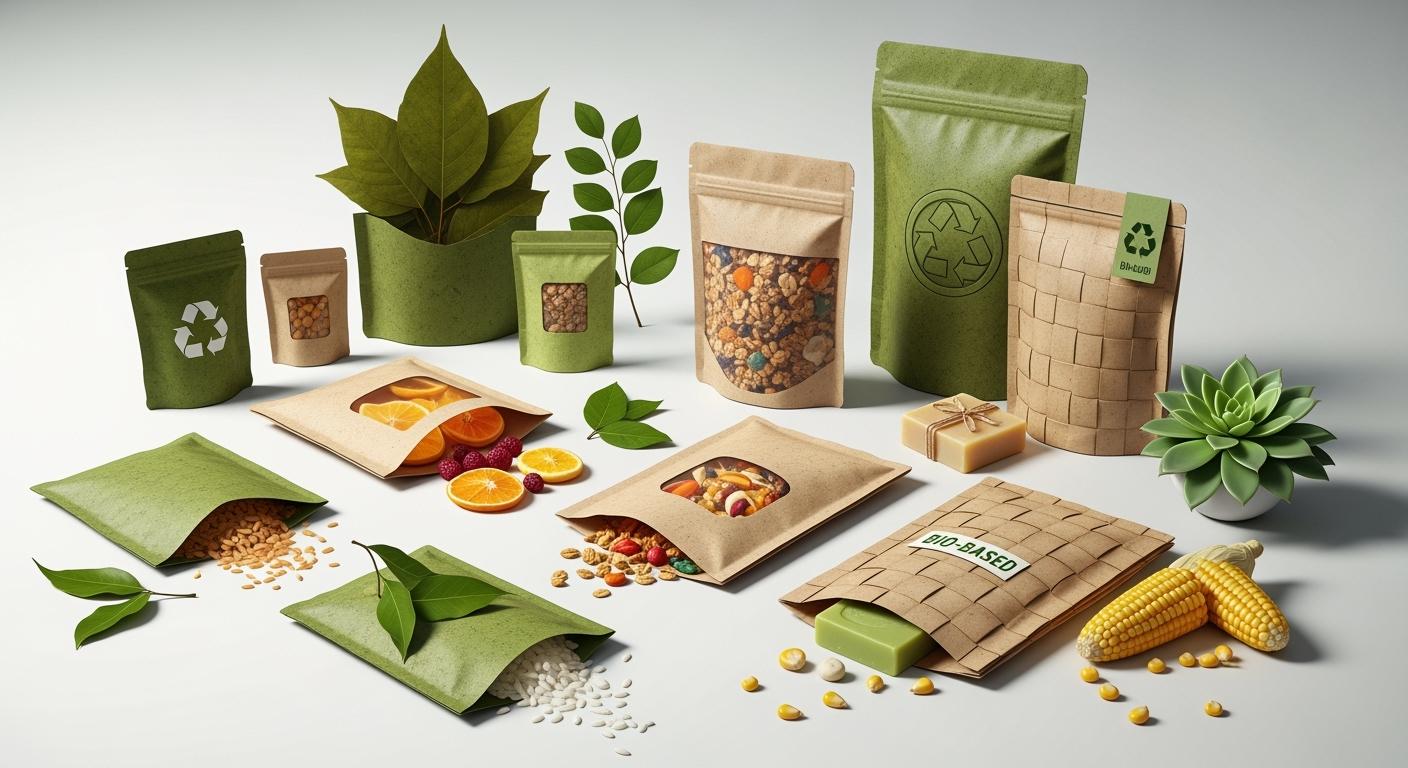
What is Driving the Demand for Bio-Based Pouches?
The packaging industry is undergoing a massive transformation. As a manufacturer navigating these shifts, I can tell you that the rise of bio-based materials in flexible pouch packaging isn’t just a passing trend—it is a fundamental market correction. Brands are actively moving away from traditional petroleum-based plastics toward sustainable flexible packaging. But what is actually pushing this rapid transition?
Consumer Sentiments and Buying Power
Today’s shoppers are highly educated about the environmental impact of their purchases. They actively seek out plant-based packaging materials and eco-friendly packaging solutions. More importantly, retail data consistently shows that consumers are willing to pay a premium for products housed in green packaging alternatives. If a brand fails to align with these eco-conscious values, modern buyers will simply shift their loyalty to a competitor who does.
Mounting Regulatory Pressures
Governments worldwide are no longer just making suggestions; they are enforcing strict compliance. To stay operational, brands must adapt to new legal realities. We are currently seeing:
- Aggressive bans on single-use, fossil-fuel-based plastics at local, state, and federal levels.
- Strict carbon emission targets that force manufacturers to completely rethink their packaging supply chains.
- Mandatory EPR (Extended Producer Responsibility) laws that financially penalize companies for generating non-recyclable or non-compostable waste.
Corporate Sustainability Goals (ESG)
For modern enterprises, Environmental, Social, and Governance (ESG) criteria are critical metrics for both investors and board members. To meet aggressive climate pledges, corporations are heavily investing in carbon footprint reduction packaging. Implementing bio-based polymers and compostable stand-up pouches provides a direct, measurable pathway to significantly cut down Scope 3 emissions. Transitioning to renewable packaging materials is now recognized as a strategic business imperative rather than just a public relations initiative.
Understanding Core Bio-Based Materials
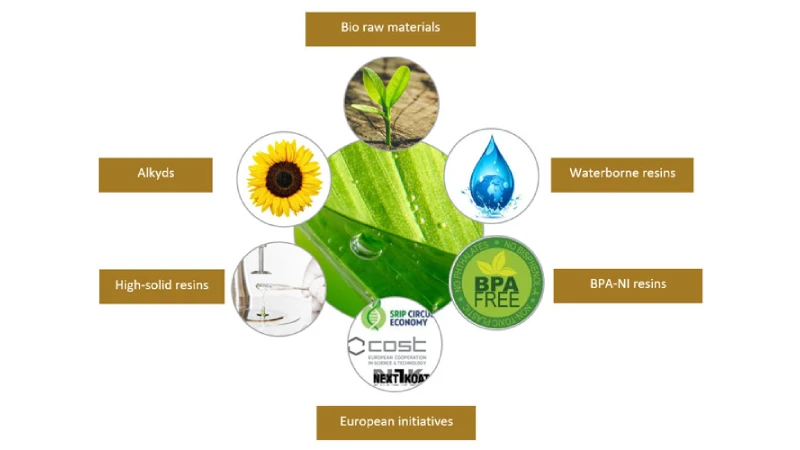
To grasp the rise of bio-based materials in flexible pouch packaging, we need to look at the specific polymers driving this shift. The market has moved far beyond early prototypes. Today, we rely on advanced bioplastics in packaging to deliver both performance and sustainability.
Here are the primary bio-based polymers leading the industry:
- Polylactic Acid (PLA): Derived from renewable resources like corn starch or sugarcane, PLA is a powerhouse in the packaging world. It offers excellent clarity and solid barrier properties. PLA pouch packaging is highly favored for its industrial compostability, making it a top choice for eco-conscious consumer brands.
- Polyhydroxyalkanoates (PHA): These are microbial-derived bioplastics known for their exceptional end-of-life performance. PHA boasts high biodegradability across various natural environments, addressing the growing demand for truly zero-waste packaging solutions.
- Drop-in Bio-Plastics (Bio-PE, Bio-PET): These materials are chemically identical to traditional petroleum-based plastics, but they are sourced from renewable biomass. The major advantage here is recyclability; they fit perfectly into existing municipal recycling streams. However, they are not compostable, which remains a key consideration for brands targeting a strictly biodegradable footprint.
- Cellulose-Based Films: We are seeing a strong resurgence in materials derived from wood pulp. Cellulose films provide excellent natural packaging aesthetics and a premium feel. Much like other alternative plant-based packaging materials, cellulose offers a renewable, earthy appeal that resonates strongly with today’s environmentally aware shoppers.
By leveraging these distinct materials, we can engineer custom flexible packaging that meets strict shelf-life requirements while drastically reducing our reliance on fossil fuels.
Key Benefits of Bio-Based Flexible Pouches
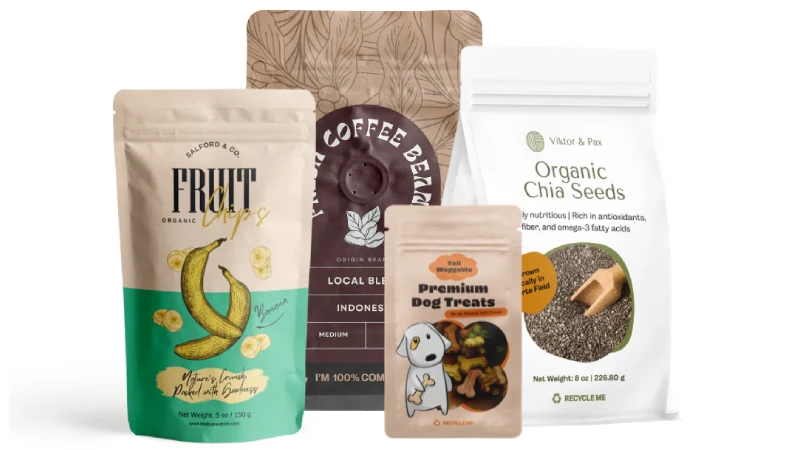
When we evaluate the shift toward sustainable flexible packaging, the advantages of bio-based materials go far beyond simple optics. These renewable packaging materials deliver real, measurable value for both brands and the environment, proving that sustainability and performance can coexist perfectly.
Significant Carbon Footprint Reduction
The most immediate impact of utilizing bioplastics in packaging is a dramatic drop in greenhouse gas emissions. From cradle to gate, plant-based packaging materials require significantly less fossil fuel energy to produce compared to standard petroleum-based plastics. This makes them an essential component for any brand prioritizing carbon footprint reduction packaging.
Maintained Barrier Performance
You do not have to sacrifice product protection to go green. Modern bio-based polymers are engineered to achieve excellent oxygen and moisture barriers. This ensures that the shelf life of sensitive products remains completely intact, keeping contents fresh from our manufacturing facility all the way to the consumer’s pantry.
Versatility and Premium Aesthetics
Eco-friendly packaging solutions look and perform beautifully on the retail shelf. They offer impressive durability and a premium “natural” feel that appeals directly to today’s eco-conscious US consumer. Furthermore, the high-quality surface of these materials supports advanced printable packaging techniques, allowing brands to showcase vibrant designs, crisp logos, and clear sustainability messaging without compromising on visual appeal.
End-of-Life Versatility
Biodegradable flexible pouches offer multiple responsible disposal pathways. Depending on the specific material composition, these pouches support industrial compostability, specialized recyclability, or efficient waste-to-energy recovery, helping brands move closer to a zero-waste lifecycle.
Core Advantages at a Glance
| Benefit Category | Real-World Impact |
|---|---|
| Environmental Impact | Substantially lower greenhouse gas emissions and reduced fossil fuel reliance. |
| Product Protection | High-level oxygen and moisture barriers that lock in freshness and extend shelf life. |
| Brand Aesthetics | Superior print quality, durability, and a premium tactile feel on the shelf. |
| Disposal Flexibility | Versatile end-of-life options including industrial composting and recycling pathways. |
Overcoming Challenges with Bio-Based Materials in Flexible Pouch Packaging
While the shift toward sustainable flexible packaging is accelerating, integrating bio-based materials comes with a few distinct hurdles. Here is how our industry is tackling these obstacles head-on to deliver reliable green packaging alternatives.
- Cost Implications: Currently, bioplastics carry a price premium compared to standard petroleum-based films. However, as consumer demand surges across the United States, economies of scale are rapidly driving down manufacturing costs. Increased production volume is making renewable packaging materials much more accessible and cost-effective for brands of all sizes.
- End-of-Life Infrastructure: One of the biggest bottlenecks in the US is proper disposal. There is a stark difference between industrial composting facilities and backyard home compost bins. To prevent flexible packaging waste from ending up in landfills or contaminating recycling streams, we emphasize crystal-clear consumer labeling. Transparent instructions ensure buyers know exactly how to dispose of their compostable stand-up pouches.
- Performance in Extreme Conditions: Early iterations of plant-based packaging materials often struggled with moisture sensitivity and poor heat resistance. Today, we overcome these performance gaps using advanced multi-layer laminations. By engineering highly resilient barrier coatings, bio-based films now offer the same rugged durability and shelf-life protection found in standard types of plastic pouches, guaranteeing product safety even in challenging environments.
Leading Applications Across Industries
The rise of bio-based materials in flexible pouch packaging is transforming how we package goods across the US market. As businesses look for greener alternatives, several key industries are leading the charge in adopting these sustainable solutions.
Food and Beverage
The food sector is seeing a massive shift toward sustainable flexible packaging. Consumers expect their daily staples to come in environmentally responsible formats.
- Dry Goods & Snacks: Chips, nuts, and baking ingredients are increasingly utilizing bio-based polymers to maintain crispness and flavor.
- Specialty Coffee: Roasters are swapping traditional plastics for compostable stand-up pouches. For premium, high-value beans like geisha coffee, bio-based packaging preserves the delicate aroma and freshness while aligning perfectly with the ethical standards of specialty coffee drinkers.
Health and Beauty
The clean beauty movement demands packaging that matches the purity of the product inside. Health and beauty brands are rapidly moving toward eco-friendly packaging solutions. When companies sell organic cosmetics or natural supplements, using plant-based packaging materials reinforces their commitment to clean living and builds immediate trust with eco-conscious shoppers.
Pet Food and Care
Modern pet owners care just as much about the environment as they do about their pets’ nutrition. To meet this demand, the pet care industry is leveraging highly durable, bio-based barrier films. These renewable packaging materials are engineered to be tough enough to hold heavy volumes of kibble and treats while locking out moisture and oxygen. It keeps the pet food fresh, prevents odors from escaping, and gives brands a massive competitive edge on the retail shelf.
The Future of Bio-Based Pouch Packaging
The flexible packaging industry is moving fast, and the future of bio-based pouch packaging looks incredibly promising. As we push for greener alternatives, new technologies are stepping up to replace traditional petroleum plastics.
Next-Generation Innovations
We are moving beyond basic bioplastics. The next wave of renewable packaging materials focuses on tapping into unexpected natural resources:
- Seaweed-Based Films: Fast-growing and abundant, seaweed is emerging as a highly biodegradable alternative for flexible films.
- Agricultural Waste: Turning crop leftovers like husks and stalks into durable bio-based polymers helps reduce global waste and shrinks the carbon footprint.
- Advanced Barrier Coatings: New organic coatings block moisture and oxygen without relying on harmful “forever chemicals.” Integrating these next-gen barriers with PFAS-free food packaging ensures the utmost safety for both consumers and the environment.
Driving the Circular Economy
The ultimate goal of sustainable flexible packaging is achieving a true closed-loop system. This means designing compostable stand-up pouches that don’t just end up sitting in a landfill. Instead, they naturally break down to enrich the soil or are seamlessly integrated back into the manufacturing cycle. We are focusing on sustainable pouch manufacturing processes where the end-of-life is planned from day one.
Industry Innovations and R&D
We know that transitioning away from standard materials isn’t always easy. Navigating everyday flexible plastic packaging challenges requires serious investment in research and development. We are actively funding R&D to engineer cutting-edge, custom bio-based pouches that meet strict performance standards. By prioritizing these eco-friendly packaging solutions, we ensure the final product looks premium, performs perfectly on the shelf, and leaves a much lighter footprint on the planet.
FAQ
As we transition to sustainable flexible packaging, brands and consumers naturally have questions about performance, disposal, and pricing. Here are the most common questions we address regarding the rise of bio-based materials in flexible pouch packaging.
Are Bio-Based Pouches Durable?
Yes. Modern plant-based packaging materials are engineered to match the strength and durability of traditional petroleum-based plastics. Through advanced multi-layer laminations, these biodegradable flexible pouches resist tears, punctures, and bursting during shipping and handling, ensuring your product stays protected from the warehouse to the customer’s pantry.
How Should Consumers Dispose of These Pouches?
Disposal depends entirely on the specific polymer used:
Industrial Composting: Materials like PLA require high heat and specific microbes found only in commercial facilities.
Home Composting: Some newer bioplastics, like certain PHA films, can break down safely in backyard compost bins.
Recycling: Drop-in bioplastics (like Bio-PE) can often be recycled in standard curbside streams. Clear consumer labeling is crucial for a successful end-of-life cycle.
Can Bioplastics Handle Liquids and High Moisture?
Absolutely. While early iterations struggled with moisture, today’s advanced barrier coatings allow bio-based materials for flexible packaging to safely hold liquids, oily foods, and high-moisture products. These custom bio-based pouches maintain their structural integrity and barrier properties on the shelf without degrading prematurely.
What is the Cost Difference?
Currently, switching to eco-friendly packaging solutions involves a price premium. Bio-based pouches typically cost 10% to 30% more than traditional plastics. However, as the flexible packaging industry trends heavily toward green packaging alternatives, economies of scale are rapidly driving these manufacturing costs down, making them more accessible for brands of all sizes.