

You might wonder why altitude matters so much when you choose your next cup of masl coffee. Higher elevations shape the flavor and aroma in ways you can taste.
At high altitudes, beans develop sweeter and more complex notes, while nutty and roasted flavors fade.
You find more caramel and sweet aromas in these beans, which often score higher in cupping tests.
Coffee grown at higher elevations also contains more fatty acids and fewer trace elements, changing the balance of flavor and aroma. If you want a richer and more vibrant cup, altitude gives you an edge.
MASL Coffee Basics
What is MASL Coffee
When you see “MASL” on a coffee bag, it stands for “meters above sea level.” This number tells you the exact elevation where the coffee was grown. MASL is a key detail in coffee cultivation because it shapes the taste and quality of your cup. Most specialty coffees list this measurement right on the packaging. You will often find that premium beans come from farms between 1,200 and 2,200 meters above sea level. Roasters use meters as the standard because coffee grows in many countries around the world.
Here is a quick look at typical growing altitudes for famous coffee regions:
Region | Altitude Range (masl) |
|---|---|
Flores, Indonesia | 1,200 – 1,800 |
Northern Sumatra | 762 – 1,524 |
Java, Indonesia | Above 1,400 |
South Sulawesi | 1,600 – 1,800 |
India (Karnataka, Kerala, Tamil Nadu) | 1,200 – 1,300 |
Burundi | 1,200 – 2,000 |
Uganda | 1,600 – 2,100 |
Peru | 900 – 2,000 |
Yemen | Around 2,400 |
Colombia | 1,200 – 1,800 |
Kenya | Above 1,500 |
Rwanda | 1,200 – 2,000 |

Why Altitude Matters
You might ask why elevation makes such a difference in masl coffee. The answer lies in how altitude changes the environment for coffee plants. At higher elevations, cooler temperatures slow down the growth of the coffee cherries. This slow development allows the beans to absorb more nutrients and sugars, which leads to richer flavors and brighter acidity. You will notice that high-altitude coffees often have fruity or floral notes, while beans from lower elevations taste earthier and smoother.
Scientists have studied how altitude affects coffee quality. For example, research shows that higher elevations improve both the physical and sensory qualities of coffee. Cool climates help the beans build up more aroma precursors, which means you get a more complex cup. One study found that beans grown at 1,400 meters had the greatest diversity of flavors. Another study showed that slow maturation at high altitudes boosts sugar and aromatic compounds in the beans.
Tip: If you want a coffee with lively acidity and layered flavors, look for beans grown at higher elevations. If you prefer a mellow, chocolatey cup, try coffee from lower altitudes.
Altitude & Quality
Bean Density
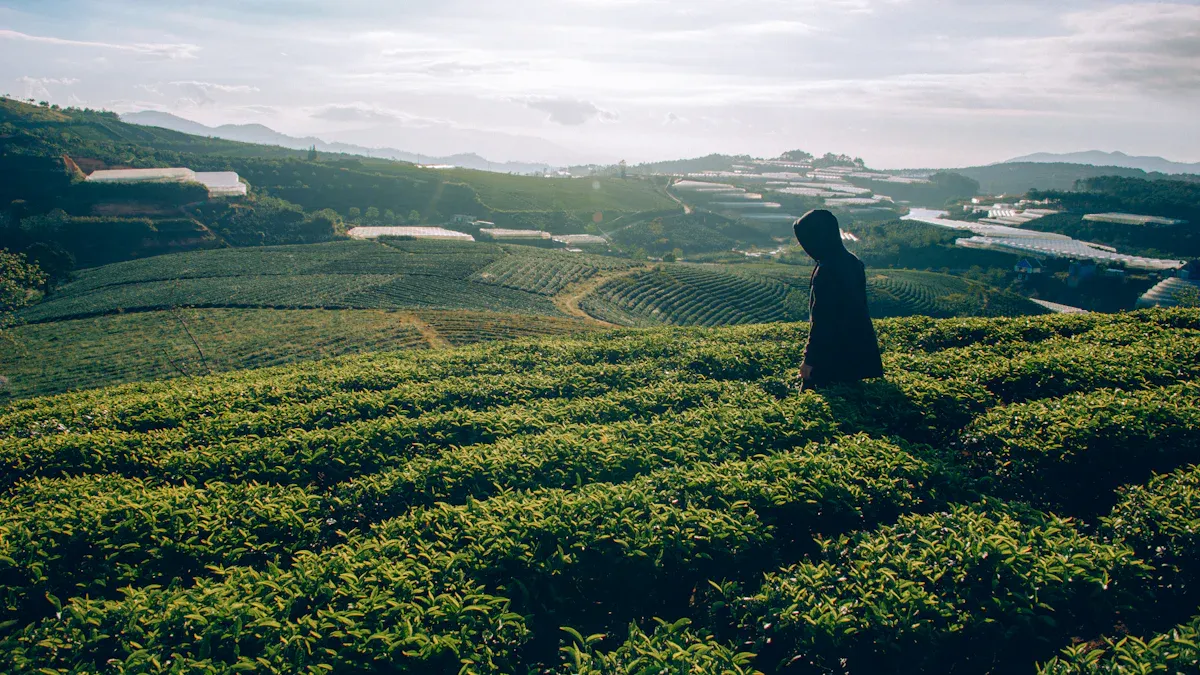
When you explore coffee from different elevations, you notice a big difference in bean density. Beans grown at higher elevation develop a denser structure. This happens because the cooler climate at these heights slows down the growth of the coffee cherries. The plant takes more time to mature, which lets the beans pack in more nutrients and sugars.
Denser beans lead to high quality in your cup. They absorb heat more evenly during roasting, so you get a balanced and consistent flavor. You also find that denser beans from higher elevation have brighter acidity and more complex flavors. These qualities make high elevation coffees stand out in taste tests.
Here is a quick comparison of how higher elevation affects bean density and cup quality:
Evidence Point | Description |
|---|---|
Extended maturation periods | Slower growth at higher altitudes allows for more complex sugar formation, enhancing flavor complexity. |
Richer and more complex flavors | Beans from high altitudes exhibit richer flavors due to the environmental conditions. |
Brighter acidity | Dense beans from higher altitudes typically have brighter acidity and intricate flavor profiles. |
Influence of altitude | Higher elevation cultivation leads to unique and rich flavors in coffee beans. |
You can taste the difference in every sip. If you want a coffee with high quality and vibrant notes, look for beans grown at higher elevation. These beans often win awards for cup quality and flavor complexity.
Chemical Changes
The climate at higher elevation does more than just change bean density. It also affects the chemical makeup of the coffee. Cooler temperatures slow down the maturation process. This gives the plant more time to build up sugars, organic acids, and other compounds that boost quality.
You get a cup with more sweetness, lively acidity, and a wider range of flavors. The extended growth period at high elevation helps the beans develop a stronger cellular structure. This structure improves heat absorption during roasting, which means you get a more even and high quality roast.
Factor | Effect on Coffee Beans |
|---|---|
Cooler Temperatures | Slows down maturation, allowing for more complex sugars and organic acids to develop. |
Extended Growth Period | Promotes accumulation of essential organic compounds, enhancing flavor complexity. |
Denser Beans | More developed cellular structure leads to better heat absorption and uniform roasting. |
Note: Iliana Delgado Chegwin, a coffee production expert, explains that slower metabolic processes at higher elevation let the plant create a wider variety of compounds. These compounds are essential for flavor development and overall quality.
You see the results in high elevation coffee farming. Farmers who grow coffee at higher elevation often produce beans with high quality and unique flavors. The combination of climate, slow maturation, and careful farming leads to some of the best coffee in the world.
Coffee Flavor by Altitude
Low Altitude Notes
When you try coffee grown at lower altitudes, you notice a distinct set of flavors. These beans ripen quickly because of the warmer climate. The rapid development leads to a heavier body and smooth mouthfeel. You often taste earthy, nutty, and chocolatey notes in your cup. The acidity stays low, so the coffee feels mellow and less vibrant.
Flavor Notes | Characteristics |
|---|---|
Earthy | Commonly found in low-altitude coffees |
Nutty | A prominent flavor in these coffees |
Chocolatey | Often present, contributing to the taste |
Heavier Body | Results from quicker ripening |
Lower Acidity | A characteristic of low-altitude beans |
Grown in warmer climates, these coffees develop more quickly.
You get a heavier body and lower acidity.
Flavors tend to be smooth, nutty, and chocolatey, but often lack complexity.
If you enjoy a cup with a rich body and gentle acidity, coffee from lower altitudes offers a comforting and familiar experience.
Medium Altitude Notes
Coffees from medium elevations, usually between 1,000 and 1,600 meters above sea level, strike a balance between sweetness and acidity. You will find that these beans deliver a smooth and sweet flavor profile. Chocolate, vanilla, and nut flavors often stand out. The acidity remains mild, making the cup approachable for many drinkers.
Medium altitude coffees have a pleasant sweetness and mild acidity.
Chocolate or nutty notes appear frequently.
The body feels balanced, not too heavy or too thin.
You might notice that these coffees offer more complexity than those from lower altitudes, but they do not reach the bright, lively flavors found at higher elevations. If you want a coffee that sits comfortably between mellow and vibrant, medium to high altitudes provide a great choice.
High Altitude Notes
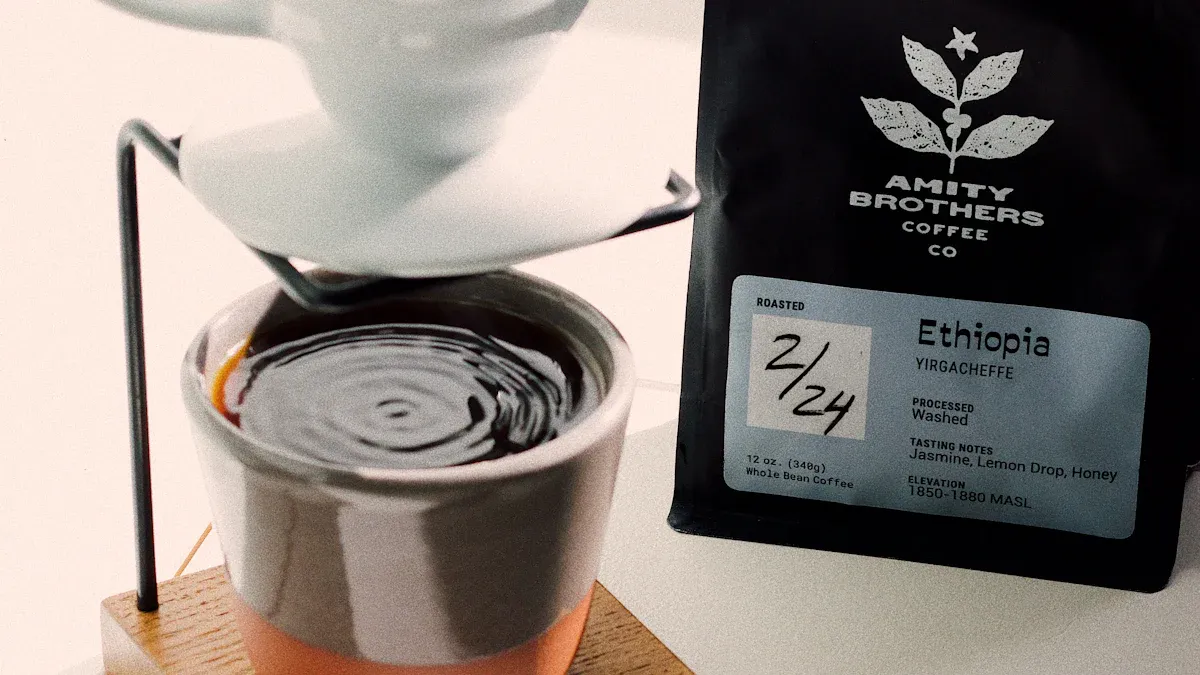
High altitudes, above 1,600 meters, create the most complex and vibrant flavor profiles. The cooler temperatures slow down the maturation of the coffee cherries. This process allows the beans to develop a wide range of flavors and aromas. You often taste floral, fruity, and citrus notes, such as jasmine, blueberry, or green apple. The acidity becomes bright and lively, giving the coffee a sparkling quality.
Ethiopia produces coffees with complex fruit and floral notes, like blueberry and jasmine.
Kenya offers bold, vibrant flavors with berry-like acidity, including blackcurrant and cranberry.
Costa Rica features beans with bright citrus notes, such as orange, lemon, and green apple.
High altitude modifies the concentration of bioactive compounds, affecting the acid profile of coffee. Lower temperatures and extended maturation at these elevations lead to higher sensory scores, with more lactic and acetic acid contributing to quality and complexity.
You will notice that coffees from high altitudes have a lighter body and a crisp, clean finish. If you seek a cup bursting with flavor, lively acidity, and floral or fruity aromas, high elevation beans deliver an exceptional experience.
MASL Coffee Value
Market Demand
You see strong demand for specialty coffee grown at higher elevation. Many coffee drinkers prefer beans with brighter acidity and complex flavors. These qualities often come from high-performing coffees grown above 1,600 meters. Specialty coffee shops and roasters highlight the origin and elevation on their packaging, helping you choose beans that match your taste.
High-altitude beans often have brighter acidity and more complex flavors.
Low-altitude beans tend to be milder and nuttier.
Consumer preferences for coffee vary by region and demographic. You notice that North America values single-origin and fair trade certified coffee. Europe focuses on café culture and artisanal production. In Asia, younger consumers drive the specialty coffee market. Latin America shows rising interest in specialty products, while the Middle East and Africa see growth in traditional brewing.
Region | Consumer Preference |
|---|---|
North America | Single-origin and fair trade certified coffee |
Europe | Café culture and artisanal production |
Asia | Specialty coffee markets driven by younger demographics |
Latin America | Rising local interest in specialty products |
Middle East/Africa | Increasing interest in traditional brewing |
Arabica beans, grown at higher elevation, are favored for their smooth and mild flavor. Specialty coffee from these origins often receives higher scores for quality.
Rarity & Pricing
You find that rarity plays a major role in the value of masl coffee. High-grown microlots and rare varieties like Panama Geisha command premium prices at auctions. The Dubai Multi Commodities Centre Specialty Coffee Auction set record prices, with Geisha lots selling for up to $10,020 per kilo. Limited production and unique flavor profiles make these coffees highly sought after.
The scarcity of high altitude coffees drives their market value and auction prices.
These coffees are produced in minimal quantities, leading to high demand among enthusiasts.
Unique flavors from high elevation contribute to desirability and higher prices.
Specialty coffee production involves intensive farming and careful processing, which raises costs. The global demand for specialty coffee continues to increase, pushing prices higher. You see that much of the revenue in the specialty coffee market goes toward profits and elevated cost structures, not always returning to producers. Fair trade certified coffee helps address this issue by ensuring better compensation for farmers.
Cooler temperatures at high elevation slow bean development, enhancing flavor complexity. Stress from altitude increases aromatic compounds, and excellent drainage in mountainous regions concentrates flavors. These factors make high-performing coffees from specific origin regions more valuable.
Tip: When you select specialty coffee, look for fair trade certified options from high elevation origins. You support ethical sourcing and enjoy superior quality.
Choosing Coffee by Altitude
Selection Tips
When you shop for coffee, you might notice altitude information on the packaging. This detail can help you make better choices, but only if you know what it means for flavor. Many people do not use altitude as a guide because they are not sure how it affects the taste. You can change that by learning a few simple tips:
Ask your barista or roaster about the altitude and region of the beans.
Try coffees from different altitudes and regions to discover what you enjoy most.
Remember that higher altitude coffee often brings out unique and complex flavors.
If you want to get the best results at home, pay attention to your brewing method. Denser beans from higher elevations may need a slightly finer grind or a longer brew time to extract their full flavor. For lower altitude beans, a coarser grind and shorter brew time can help highlight their smoothness.
Tip: Experiment with grind size and brew time when you try new coffees. Small changes can reveal new flavors and help you find your favorite cup.
Matching Taste
Choosing the right coffee starts with knowing your own taste preferences. Here are some ways to match your taste to the right altitude:
If you like bright, lively flavors, look for coffee grown at higher altitudes. These beans often have floral, fruity, or wine-like notes.
If you prefer a smoother, simpler cup, choose coffee from lower elevations. These beans usually taste earthier and less acidic.
Decide if you want a heavier body or a clearer, lighter taste in your cup.
Taste coffees from different altitudes to find what suits you best.
You do not need to become an expert overnight. By tasting and comparing, you will learn which altitude and origin match your personal style.
Altitude Myths
Common Misconceptions
Many people believe that altitude alone determines the quality of your cup. You might hear that higher always means better, but this idea leaves out other important details.
Altitude is often mistakenly viewed as the sole indicator of coffee quality, while other factors such as latitude, soil quality, and farming practices also play significant roles.
Some think that only high-altitude beans can taste great. This is not always true. Edward F. Fischer points out that lower altitude coffee in Guatemala can still reach high quality when farmers use good practices.
One unpopular opinion about the altitude effect on coffee is that higher altitudes always mean better coffee. While high altitudes often enhance complexity, other factors like soil quality and farming practices significantly influence flavor profiles.
You may also hear that all high-altitude beans taste the same. In reality, flavor changes with many factors, not just elevation.
What Really Matters
You should look beyond altitude when you want the best cup. Many elements work together to shape the final result. Here are some key points:
Higher altitude beans often have more complex flavors because they grow slowly in cool air.
Gradual ripening at high elevations leads to sweeter beans.
Beans grown above 3,000 feet show vibrant acidity and floral notes, while lower elevation beans have a fuller body and nutty flavors.
Soil quality, farming methods, and processing steps all play big roles.
Factor | Impact on Coffee Quality |
|---|---|
Climatic Conditions | Cooler climates create more acidic and aromatic beans. |
Soil Quality | Rich soil leads to better beans and improved cup quality. |
Processing Methods | Different methods change the final taste and aroma. |
Shade | Shade slows growth, which can boost flavor and quality. |
You can see that altitude matters, but it is not the only thing. When you choose your next coffee, think about the whole story behind the bean.
You see how altitude shapes the quality and flavor of masl coffee. When you choose beans, look for altitude details to guide your selection. Explore different processing methods, such as washed or natural, because these can change the taste and quality based on elevation. Try coffees from various altitudes to discover what matches your preferences. Understanding altitude helps you enjoy better coffee. What new flavor will you find in your next cup?